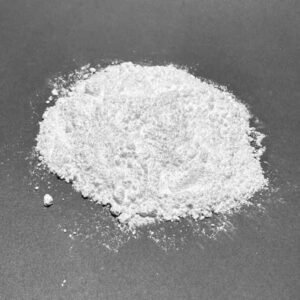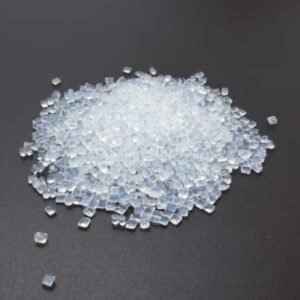
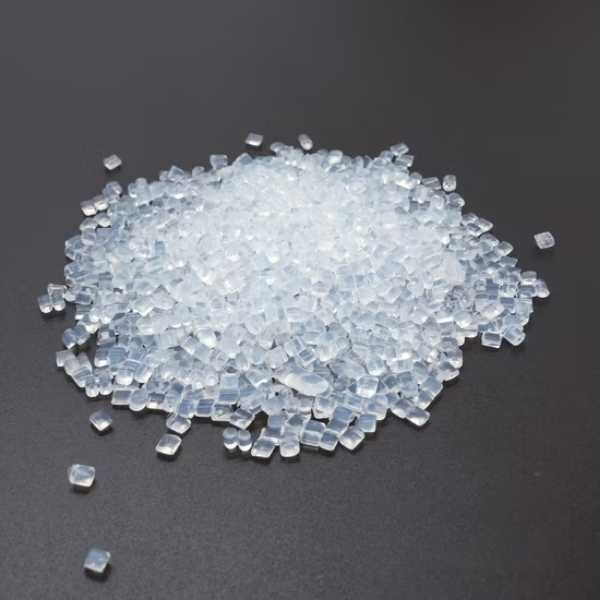
Choosing between perfluoroalkoxy (PFA) and ポリテトラフルオロエチレン(PTFE) is not a theoretical exercise.
For processing engineers, the real question is simple: How will this material behave on my line, with my equipment, at my target yield?
Both materials offer strong chemical resistance and high temperature stability. The difference shows up when you start processing them.
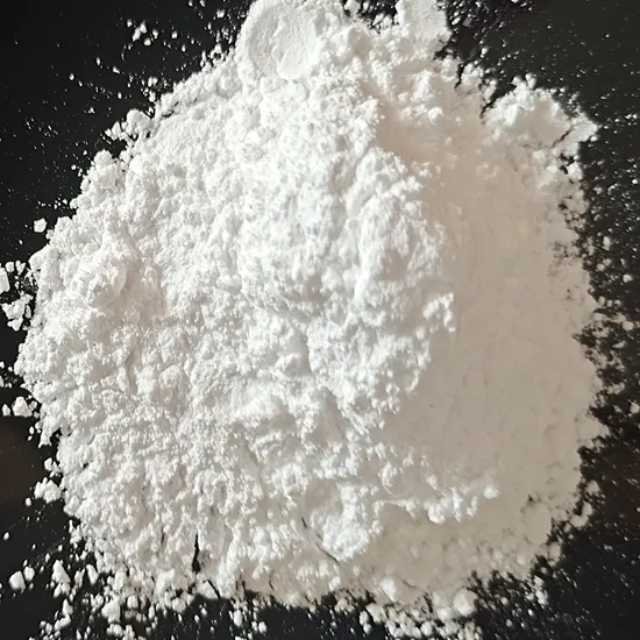
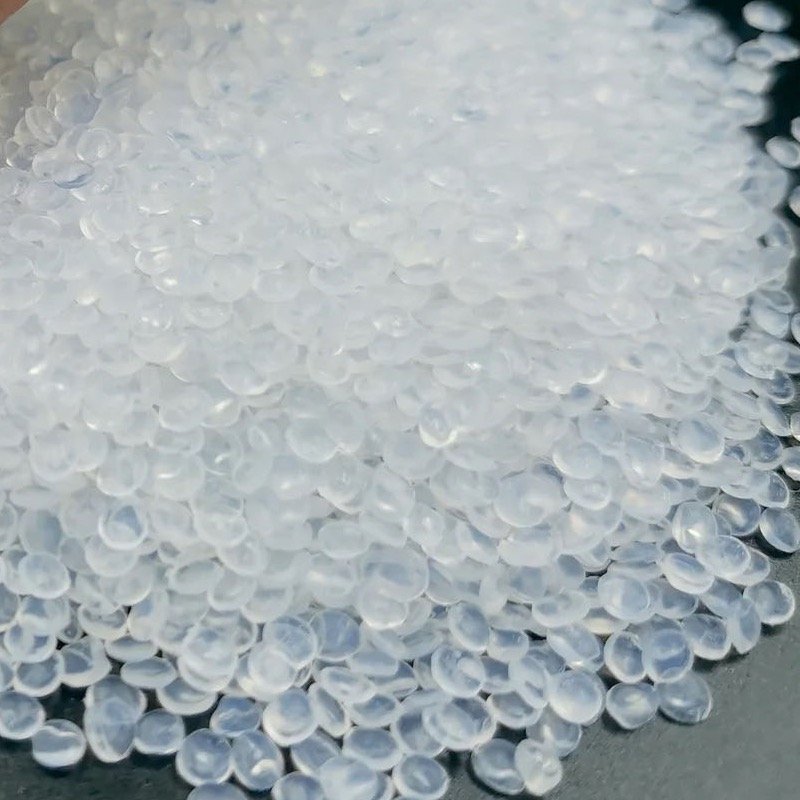
Why Processing Engineers Care About the PFA vs PTFE Difference
On paper, PFA and PTFE look similar. In production, they behave very differently.
For engineers, the decision usually affects:
- Line design and equipment selection
- Process stability and window width
- Scrap rate during start-up and changeovers
- Surface finish and dimensional consistency
A material that looks “better” on a datasheet can create unnecessary complexity on the shop floor.
What PTFE Means for Processing
PTFE is not melt-processable. This single fact defines how it is handled.
Key processing characteristics of PTFE
- Processed by cold forming + sintering, not extrusion melting
- High thermal stability during use, but limited flow during shaping
- Dimensional control depends heavily on sintering profiles
Practical implications on the line
- Longer cycle times due to multi-step processing
- Higher energy use during sintering
- Stable geometry once sintered, but limited design flexibility
Engineering reality: PTFE rewards stable, repetitive processes. It is less forgiving during rapid design changes.
What PFA Changes in Processing
PFA was developed to solve PTFE’s biggest processing limitation.
Key processing characteristics of PFA
- Fully melt-processable fluoropolymer
- Can be extruded, injection molded, or blow molded
- Smoother surface finish directly from the die
Practical implications on the line
- Shorter cycle times compared with PTFE sintering
- Easier integration into standard thermoplastic equipment
- Better control of thin walls and complex geometries
Engineering reality: PFA behaves more like a conventional thermoplastic, but with a narrower thermal window and higher material cost.
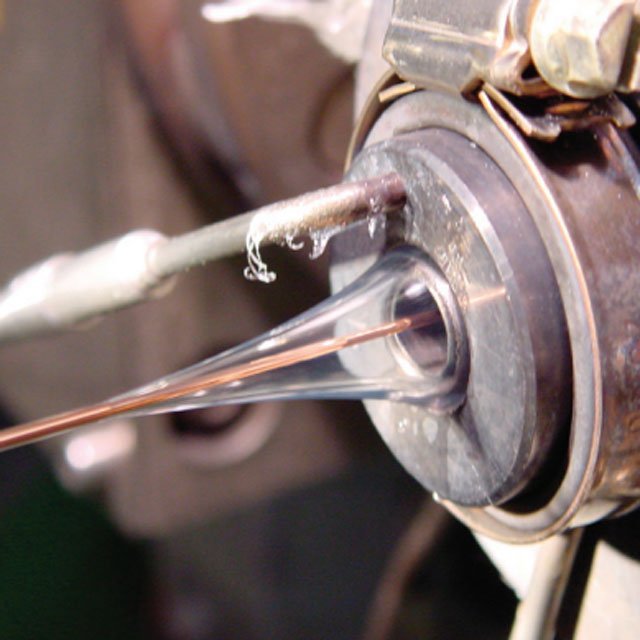
PFA vs PTFE: Processing Differences That Matter Most
Melting and Flow Behavior
- PTFE: No true melt flow; shape is locked during sintering
- PFA: Predictable melt flow, but sensitive to temperature control
Equipment Requirements
- PTFE: Requires presses, ovens, and sintering furnaces
- PFA: Uses extruders or molding machines with high-temperature capability
Scrap and Rework Risk
- PTFE: Scrap often occurs during forming, before sintering
- PFA: Scrap risk increases during melt instability or overheating
Surface Finish
- PTFE: May require secondary finishing for smoothness
- PFA: Naturally smoother surfaces straight from processing
Application Scenarios from a Processing View
When PTFE Makes Sense
- Thick-walled components
- Simple geometries
- Long-term high-temperature service where shape stability matters
When PFA Is the Better Choice
- Thin-wall tubing or liners
- Complex profiles requiring consistent flow
- Applications where surface cleanliness is critical
Processing engineers often choose PFA not for higher performance, but for process control.
Common Processing Misconceptions
“PFA always replaces PTFE.”
Not true. PTFE still outperforms in some high-load or thick-section designs.
“Melt-processable means easier.”
PFA is easier to shape, but less tolerant of thermal mistakes.
“Datasheets predict processing success.”
Datasheets show limits. Real success depends on equipment tuning and operator experience.
How Engineering Teams Should Decide
When evaluating PFA vs PTFE, processing teams should review:
- Existing equipment temperature limits
- Acceptable scrap rate during ramp-up
- Wall thickness and dimensional tolerance targets
- Frequency of design or tooling changes
Material choice should reduce process risk, not add to it.
Key Takeaway for Processing Engineers
PFA and PTFE are both proven fluoropolymers.
The difference is not about which one is “better,” but which one fits your process reality.
If your priority is design flexibility and smooth melt processing, PFA is often the practical choice.
If stability and long-term thermal resistance dominate, PTFE remains hard to replace.
Related Internal Resources
外部参照
Need Processing Support?
If you are evaluating PFA or PTFE for a specific production line, we can review your process conditions and help you select a suitable grade.
👉 Contact our technical team to discuss your application.