
High-Purity PFA Resin for Semiconductor Fluid Handling
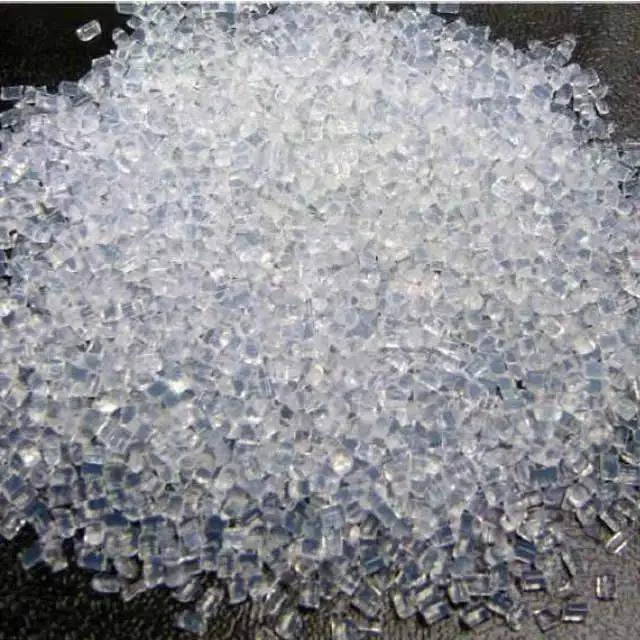
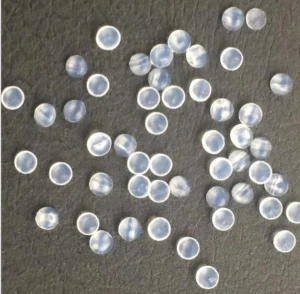
PEFLON supplies PF-4E series high-purity PFA resin for processors making tubing, fittings, valves, pumps, filters, liners and wet-process components used in semiconductor chemical and ultrapure-water systems.
- Six melt-flow ranges for extrusion, molding and thin-wall processing
- Qualification around ionic, metallic, TOC, particle and visible-defect controls
- Samples and test-evidence review before production approval
What Makes PFA Suitable for Semiconductor Fluid Handling?
Semiconductor wet-process systems use PFA because it combines melt processability with resistance to aggressive process chemicals. The material is converted into tubing, fittings, valves, pumps, filters, vessels, tank linings and wafer-handling components that contact ultrapure water or liquid chemicals.
High-purity qualification is not established by the polymer name alone. Buyers review the selected grade, melt-flow consistency, visible defects, low-molecular species, ionic and metallic extractables, total organic carbon (TOC), particles, end-group control, packaging and finished-component results.
SEMI lists F57 and C90 among the standards used for high-purity polymer materials, components and PFA testing in liquid chemical distribution systems. Daikin describes high-purity PFA as a semiconductor material where low fluoride-ion and particle elution matter, while Chemours identifies PFA in semiconductor pipes, tubes, valves, pumps, vessels and tank linings. These references establish the application context; PEFLON grade approval remains project-specific.
High-Purity PFA Qualification Controls
Use the controls below to build a qualification plan. Numeric acceptance limits and guaranteed properties are supplied only when they appear in the applicable PEFLON specification, COA or test report.
| Control | Why buyers check it | Evidence to request |
|---|---|---|
| Visible defects | Black specks, crystal points and fish-eyes can affect high-purity tubing and molded surfaces. | Inspection method and acceptance criteria |
| Low-molecular species | Supports review of volatile or extractable residue risk. | Grade-specific method and result |
| Ionic extractables | Reviews fluoride, chloride and other anions/cations that can transfer into process media. | Extraction conditions, analyte list, MDL and result |
| Metal extractables | Trace metals can affect contamination-sensitive semiconductor processes. | ICP-MS report, extraction medium, time and temperature |
| TOC | Provides a screening measure for extractable organic carbon. | Method, MDL and reported value |
| Particles | Relevant to tubing and component cleanliness after conversion and handling. | Particle test method and finished-component data |
| MFR consistency | Supports stable extrusion, injection molding and repeatable part quality. | Lot COA and process-capability review |
| End-group control | Fully fluorinated or stabilized end groups can reduce unstable species and fluoride-ion elution. | Grade declaration and applicable analytical evidence |
Multi-Batch Metal-Ion Extraction Comparison
The authorized laboratory evidence compares an imported ultra-pure PFA reference, PF-4E initial material and the subsequent production lots identified by their original batch codes. The stated internal method uses high-concentration nitric acid, elevated-temperature 24-hour immersion and ICP-MS 8900 analysis. The redraw preserves the source chart’s results, stacked element contributions, 45 ppb scale and 10.0 ppb acceptance line.

PF-4E High-Purity PFA Resin Routes
Select the melt-flow range against the converter’s equipment, geometry and finished-component qualification plan.
Extrusion Grades
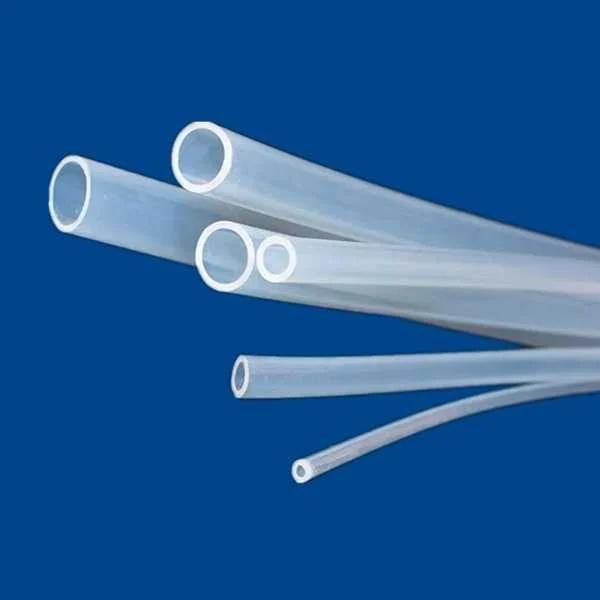
Lower-flow PF-4E grades support tubing, linings and other continuous profiles where melt strength and dimensional control matter.

Injection-Molding Grades
Medium- and higher-flow PF-4E grades support fittings, valves, pump components, complex parts and selected wafer-handling components.
PF-4E Semiconductor High-Purity PFA Grades
The ranges below are authorized product-selection data from the high-purity PFA program. They are screening ranges, not a substitute for the future grade TDS or purchase specification. Confirm the MFR test condition and lot requirement before qualification.
| PEFLON grade | MFR screening range (g/10 min) | Starting application | Qualification input |
|---|---|---|---|
| PF-4E03HP | 1.5-3.0 | Molded products, extruded tubing and linings | Extrusion stability, dimensions and extractables |
| PF-4E06HP | 3.1-10.0 | High-speed tubing and selected heated-cable constructions | Line speed, surface quality and finished-part cleanliness |
| PF-4E15HP | 10.1-20.0 | Crack-resistant fittings, connectors and pump components | Mold filling, stress cracking and component extraction |
| PF-4E30HP | 21-30 | Complex parts requiring higher flow | Geometry, weld lines, dimensional stability and purity |
| PF-4E45HP | 31-45 | Very fine wire insulation | Thin-wall continuity and electrical/process requirements |
| PF-4E75HP | 46-75 | Complex small parts, large injection-molded parts and high-speed lines | Thermal history, mechanical integrity and lot consistency |
High-Purity PFA Applications in Semiconductor Fluid Handling
PEFLON supplies raw resin to processors. Each finished tube, fitting, valve, pump, filter, vessel or wafer component must be qualified after conversion because tooling, thermal history, cleaning and handling can change contamination performance.
High-Purity Tubing and Pipe
Extruded lines for ultrapure water and aggressive liquid chemicals. Verify bore quality, particles, ionic/metallic extractables, dimensions and joining method on the finished tube.

PFA Valve Linings
Injection-molded wetted components for chemical delivery. Verify mold filling, weld lines, stress cracking, surface condition and post-cleaning extraction.

PFA Sheet for Tank Linings
High-purity chemical storage and corrosion-resistant lining routes. Confirm forming or welding, thickness, permeation risk and finished-system extraction.

PFA Molded-Part Comparison
The customer photograph shows the component made with PF-4E material on the left and imported PFA on the right.
Build Evidence Before Approving a High-Purity PFA Grade
The selection process separates resin screening from finished-component approval. PEFLON supplies grade and lot evidence as it becomes available and supports staged trials.
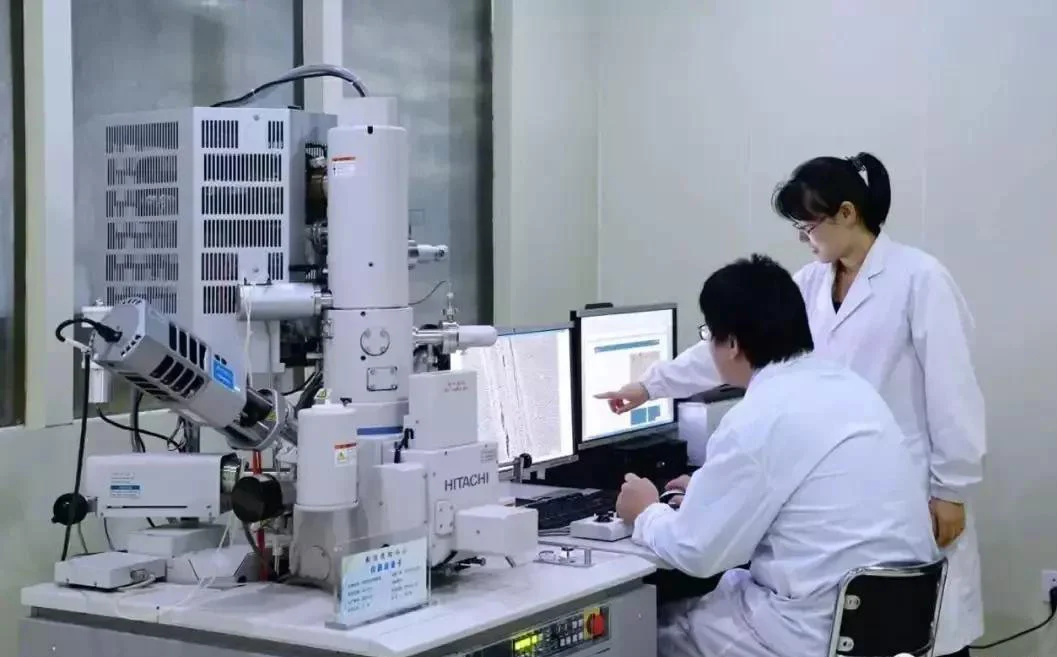
Purity Evidence Review
- Review extraction medium, temperature, time and surface-area basis
- Record analytes, MDL/LOQ, results and applicable limits
- Keep resin, test specimen and finished-component evidence separate

Documented Batch-to-Batch Melt-Flow Stability
The authorized 2026 high-purity PFA program review includes 28-batch MFR capability datasets for one extrusion-grade window and one injection-grade window. The results support controlled melt-flow consistency within those datasets; they are historical process-capability evidence, not a guarantee for every future lot. Buyers should still review the applicable lot COA.
Authorized 2026 program review: two 28-batch MFR capability datasets. Individual batch values were not supplied, so the chart shows only the documented control windows, means and Cpk results.
| PEFLON grade / process dataset | Control window shown | Sample size | Reported Cpk | How to use the evidence |
|---|---|---|---|---|
| PF-4E03HP extrusion-grade dataset | 1.5-3.0 g/10 min | 28 batches | 4.62 | Evidence of strong MFR control in the reviewed dataset; verify the current lot and test condition. |
| PF-4E15HP injection-grade dataset | 13.0-18.0 g/10 min | 28 batches | 2.94 | Evidence of strong MFR control in the reviewed dataset; confirm the project-specific molding window. |
- Choose the PF-4E range around the converter’s equipment and geometry
- Review lot COA before production approval
- Use controlled samples before fixing the long-term specification

Component-Level Qualification
- Extrude or mold representative production geometry
- Include cleaning, handling and packaging in the validation route
- Approve the finished component for the actual chemical system

Customer Evaluation: 1/4-Inch PFA Tubing — PF-4E03HP vs Imported PFA
Left: PF-4E03HP. Right: imported ultra-pure PFA. Vertical axis: metal ions in ppb.
37% hydrochloric acid, 85°C, seven-day immersion; ICP-MS 8900. The original stacked bars are shown on a 0–5 ppb vertical scale.
Analytes in the source chart: Pb, Ta, W, Ba, Cs, Sb, Sn, Cd, Mo, Nb, Sr, Rb, Se, As, Ga, Zn, Cu, Ni, Co, Fe, Mn, Cr, V, Ti, Ca, K, Al, Mg, Na, B, Be and Li.

Customer Evaluation: 3/4-Inch PFA Elbows — PF-4E15HP vs Imported PFA
Left: PF-4E15HP. Right: imported ultra-pure PFA. Vertical axis: metal ions in ppb.
37% hydrochloric acid, 85°C, seven-day immersion; ICP-MS 8900. The original stacked bars are shown on a 0–5 ppb vertical scale.
Analytes in the source chart: Pb, Ta, W, Ba, Cs, Sb, Sn, Cd, Mo, Nb, Sr, Rb, Se, As, Ga, Zn, Cu, Ni, Co, Fe, Mn, Cr, V, Ti, Ca, K, Al, Mg, Na, B, Be and Li.
Semiconductor High-Purity PFA Resin FAQ
Confirm the exact grade, test method and finished-component requirement before approving a semiconductor material.
Is high-purity PFA resin the same as finished semiconductor-grade tubing?
No. High-purity resin is the starting material. Extrusion, tooling, thermal history, cleaning, handling and packaging affect the finished tube, so component-level qualification is still required.
Does every PF-4E grade comply with SEMI F57 or SEMI C90?
No. SEMI F57 and C90 provide relevant high-purity polymer and PFA testing context, but compliance must be supported by the applicable grade, specimen, test method and report. Request the evidence package for the selected grade.
Can PF-4E high-purity PFA replace an imported PFA grade?
Yes, it can be evaluated as an alternative when melt flow, processing, extractables, particles, mechanical integrity and finished-component results meet the project specification. Do not treat a similar MFR as automatic equivalence.
Which PF-4E grade should be used for high-purity tubing?
Start with PF-4E03HP or PF-4E06HP according to the required melt strength, line speed, dimensions and equipment. Final selection requires an extrusion trial and qualification of the finished tube.
Which PF-4E grade should be used for semiconductor fittings or valve parts?
Start with PF-4E15HP for crack-resistant fittings and pump components, or evaluate PF-4E30HP/PF-4E75HP when geometry needs higher flow. Confirm mold filling, weld lines, stress cracking and extraction on the actual part.
What information should be sent with a sample request?
Send the finished component, processing route, target MFR, current reference grade, chemical, temperature, dimensions, annual demand and required ionic, metallic, TOC or particle test limits.
Related PFA Pages
PFA Material Supplier | Peflon
Compare the full PFA resin, dispersion and powder portfolio before narrowing the form and grade.

Molding Grade PFA
Review general molding-grade PFA when semiconductor high-purity evidence is not part of the application requirement.

Fluoropolymer Quality Control and Laboratory Testing
See PEFLON laboratory and quality-control capabilities used in material and lot review.
Plan the Qualification Before You Order
Start with the process, component and acceptance criteria. PEFLON can then screen the grade and prepare the sample route.
Request a PF-4E High-Purity PFA Sample
Send the component, processing route, reference grade, chemical system and required purity tests. A PEFLON specialist will respond within 24 hours.