What This Guide Covers — and Why It Matters
Selecting the right PTFE (Teflon®) grade is not just a technical decision — it affects your equipment lifespan, maintenance cycles, and total cost of ownership. For buyers, R&D teams and supply chain managers in the chemical industry, understanding PTFE grades can mean the difference between a system that runs for 24 months and one that fails in six.
At Peflon, we’ve supplied PTFE-based components and support materials to manufacturers and importers across more than 40 countries. This guide explains how to select the right grade — step by step — with clear examples and data-driven insights.
What is PTFE (Teflon®)?
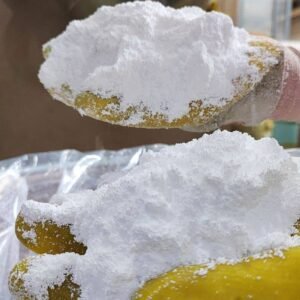
PTFE (polytetrafluoroethylene) is a fluoropolymer known for its exceptional chemical resistance, thermal stability, and non-stick surface. You probably know it by its brand name Teflon®.
Key characteristics:
- Chemical inertness against most acids and solvents
- Continuous operating temperature range from -200 °C to +260 °C
- Extremely low friction coefficient (~0.05)
- Excellent electrical insulation and UV resistance
PTFE is widely used in chemical processing equipment, valves, seals, tubing and coatings — essential where corrosion and high temperature are concerns.
Key Factors When Selecting a PTFE Grade
1. Operating Conditions
- Temperature and Pressure: PTFE retains stability up to 260 °C, but filled grades may handle slightly higher loads under pressure.
- Chemical Environment: Identify acids, bases and solvents in contact. Filled PTFE may alter chemical resistance.
- Mechanical Stress: For moving components like bushings or valve seats, choose grades with reinforcements (glass, carbon).
- Thermal Cycling & Vibration: Continuous expansion and compression demand high creep resistance.
2. Desired Material Properties
- Wear and Friction: Carbon-filled PTFE reduces friction by up to 40 %.
- Compressive Strength: Glass-filled grades increase compressive strength by 30 – 50 %.
- Dimensional Stability: Critical for machined parts that require tight tolerances.
- Electrical Insulation: Virgin PTFE is ideal for high-frequency applications.
3. Cost and Supply Chain Considerations
Beyond performance, buyers should weigh logistics and inventory:
- Material availability and lead time can vary across suppliers.
- Filled PTFE costs 15–40 % more but reduces replacement frequency.
- Virgin PTFE may be subject to price fluctuation due to fluorine feedstock supply.
Tip: Peflon maintains multi-region warehouses to ensure consistent batch quality and shorter lead times.
Common PTFE Grades and Their Applications
| 등급 | Typical Filler | Main Benefits | 일반적인 적용 사례 |
|---|---|---|---|
| Virgin PTFE | 없음 | Best chemical resistance; non-conductive; lowest friction | Semiconductor, pharmaceutical, food processing |
| Glass-filled PTFE (15–25 %) | Glass fiber | Improved compressive strength, reduced creep | Valve seats, gaskets, piston rings |
| Carbon + Graphite Filled (15–25 %) | Carbon + Graphite | Higher thermal conductivity and wear resistance | Bearings, sliding surfaces, pumps |
| Bronze Filled (40–60 %) | Bronze powder | Excellent load-bearing, heat transfer | Hydraulic pistons, rotating shafts |
| ePTFE (Expanded) | Microporous structure | Compressible, sealing under low torque | Chemical flange gaskets |
Each grade has a trade-off: the more fillers you add, the less chemical resistance you retain. For example, a bronze-filled PTFE may wear well mechanically but is unsuitable in strong acids.
Case Study — Chemical Plant Valve Upgrade
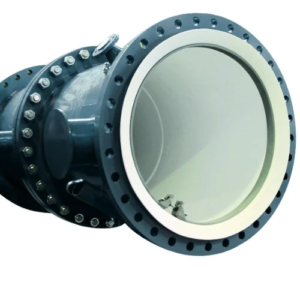
A chlor-alkali plant in Malaysia used Virgin PTFE valve liners, which deformed after six months due to continuous thermal cycling and load. After switching to 25 % glass-filled PTFE, the valve service life extended to 24 months with zero leakage incidents.
Result:
- Downtime reduced by 72 %
- Maintenance costs cut by US$ 28 000 annually
- Improved customer confidence in supply reliability
This example illustrates why selecting the right grade is both a technical and commercial decision.
Common Mistakes and How to Avoid Them
- Using Virgin PTFE in high-load conditions. It creeps under pressure — use glass or carbon fillers.
- Ignoring chemical compatibility. Some fillers reduce acid resistance; always check compatibility tables.
- Overlooking batch traceability. Different suppliers may use varied particle sizes or sintering conditions.
- No field validation. Always test samples under real conditions before large-scale use.
- Storage mistakes. PTFE sheets should be stored flat, away from UV and dust.
Specification Checklist for Buyers and R&D
Before you order, make sure you have:
- Temperature range (continuous + peak)
- Pressure/load profile
- Chemical media in contact
- Motion type (static/dynamic)
- Lifetime target (hours or cycles)
- Required certifications (FDA, ASTM, ISO 10993)
- Fill type and percentage specification
- Supplier batch traceability and quality documents
- Packaging and storage instructions
You can download Peflon’s PTFE Grade Selection Checklist [PDF] on our website for use in supplier evaluations.
Summary & Take-away
Choosing the right PTFE grade is about matching the material to your operating conditions — and understanding how fillers affect chemical resistance and mechanical stability.
For chemical raw material buyers and manufacturers, it’s not only a matter of specifications, but of long-term supply security and maintenance costs.
At 페플론, we work alongside your team to recommend grades that fit your process environment and procurement strategy.
💬 CTA — Let’s Select the Right Grade Together
Need help choosing the correct PTFE grade for your application?
Contact Peflon’s technical team → Request Material Consultation
Or visit our product page → PTFE Materials & Fluoropolymers by Peflon