
What is PTFE (polytetrafluoroethylene)
PTFE, Polytetrafluoroethylene (PTFE), is a synthetic fluoropolymer of tetrafluoroethylene with a wide range of applications. It is a high-performance plastic raw material. Dr. Roy Plunkett discovered it in 1938, and it is most commonly recognized by the brand name Teflon™. The famous property application is made of non-stick cookware.
Enviar consulta ahora
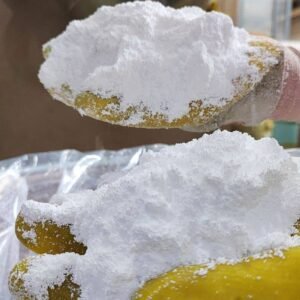
Full Forms of PTFE
Structure of PTFE
PTFE is a polymer made from the chemical compound tetrafluoroethylene. Its structure consists of a long chain of carbon atoms, each bonded to two fluorine atoms. This configuration gives PTFE its distinctive characteristics:
- Chemical Formula: (C2F4)n
- PTFE chemical namepoly: (1,1,2,2-tetrafluoroethylene)
- Structure: Linear polymer chain
PTFE has many forms as granular, powder, dispersion, Free-flow resin, and so on. Teflon is a trademark of Chemour,
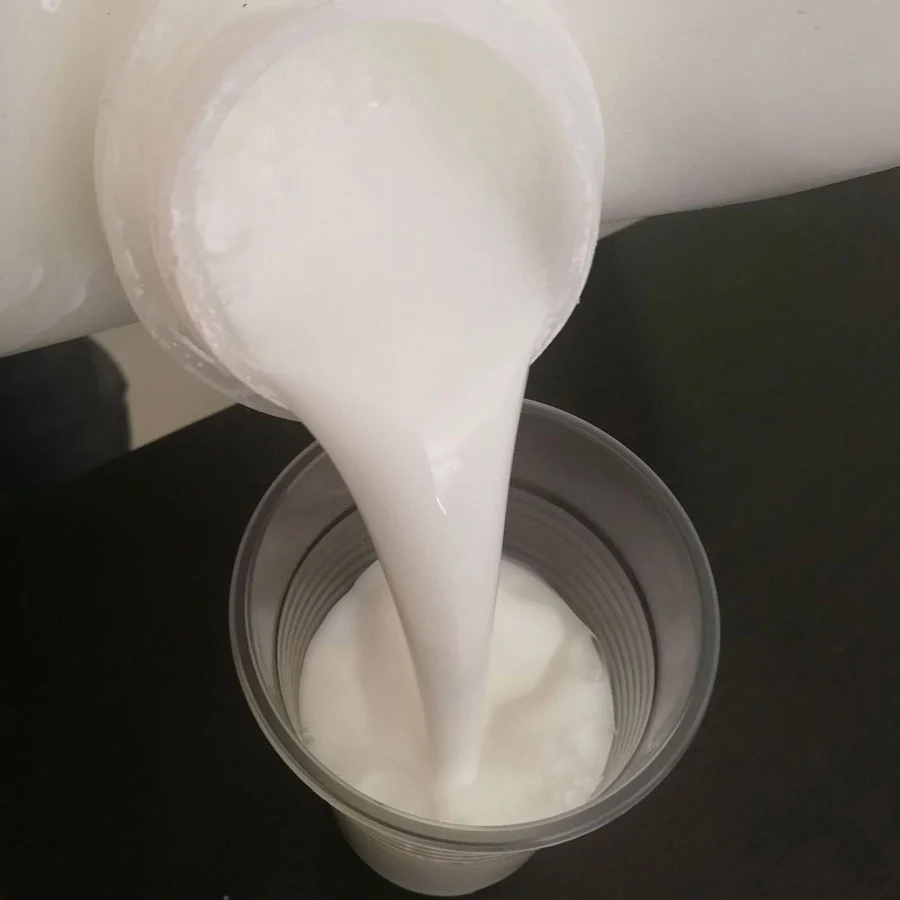
Dispersión de PTFE

Virginptfe Powder

Micropolvo de PTFE
PTFE Free-Flow Resin
Types of PTFE Powder
PTFE comes in various grades, including Virgin PTFE, Glass-filled PTFE, Carbon-filled PTFE, MoS₂-filled PTFE, Bronze-filled PTFE, and Peflon-filled PTFE. Peflon-filled PTFE Powder is a modified material that improves the properties of PTFE by adding filler materials to it.

PTFE virgen
without Filler, have Molding, Fine powder, free-flow, and micro powder forms.

Glass-Filled PTFE
Virgin PTFE with 15%, 25%, 30% glass fiber, with good mechanical strength, and wear resistance and is widely used in many industrial applications such as bearings and seals.

Carbon Filled PTFE
Carbon-filled PTFE enhances its compressive strength, making it suitable for use in higher-load work environments.

MoS2 Filled PTFE
MoS₂ PTFE is a composite material made by adding molybdenum disulfide (MoS₂) 5%-20% as a filler to polytetrafluoroethylene (PTFE). Molybdenum disulfide is an important solid lubricant in industry.

Bronze Filled PTFE
Bronze-filled teflon is a composite material, This material has excellent properties of PTFE with the mechanical strength of bronze to create a material that is useful in many engineering applications.

PI Filled PTFE

PEEK Filled PTFE

PPS Filled PTFE

POB Filled PTFE
Types of PTFE Aqueous Dispersions
Peflon PTFE dispersion is widely used in cookware coating, industrial coatings, and functional surface treatments where low friction, chemical resistance, and long-term durability are required. In applications such as nonstick cookware coatings, anti-corrosion linings, wire and cable insulation, and textile finishing, the aqueous dispersion allows PTFE particles to be evenly distributed across the substrate. After high-temperature sintering, a continuous fluoropolymer film is formed, providing stable performance under demanding conditions. Compared with powder forms, PTFE dispersion is better suited for spraying, dipping, and roll-coating processes, making it easier to achieve consistent film thickness and surface properties in large-scale production.
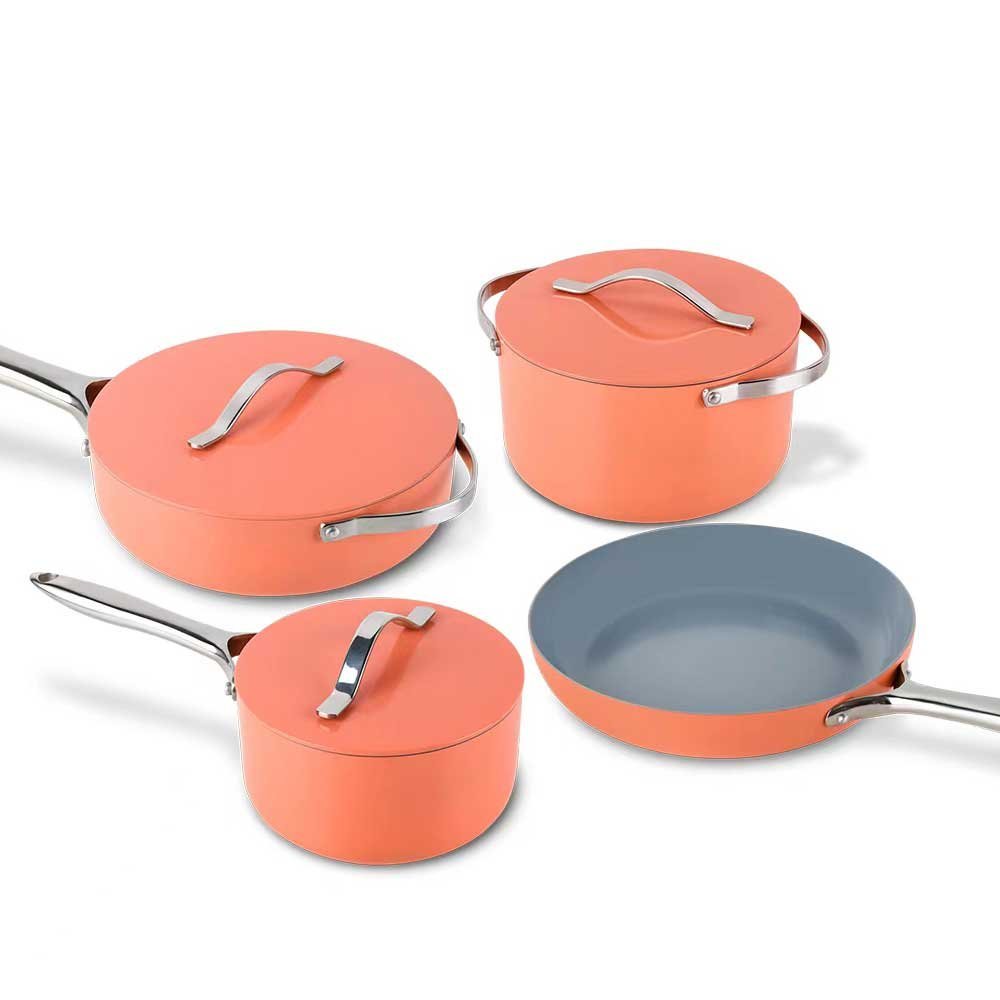
PTFE Dispersion for Cookware Coating
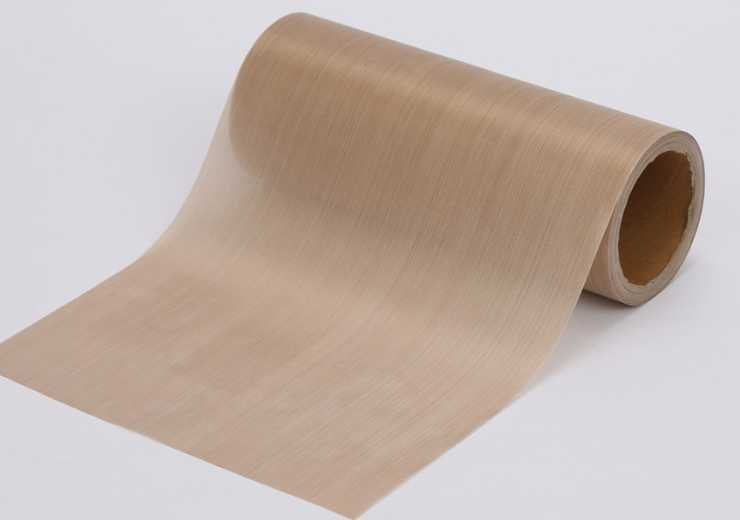
PTFE Dispersion for Coated Fiberglass
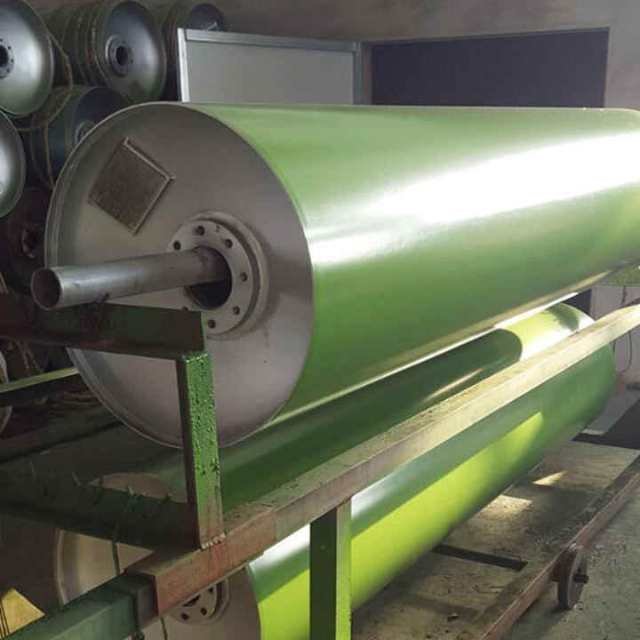
PTFE Dispersion for Industry Coating
Advantages of Using PTFE
- High Melting Point: PTFE remains stable at high temperatures, up to 327°C (620°F).
- Safety: Teflon is non-toxic and safe for use in consumer products.
- Maintenance-free: Easy to clean and maintain due to its non-stick nature
- Competitive price: PTFE is the lowest price in the fluoropolymer family, such as FEP, PFA, ETFE, and PCTFE.
- High Density: PTFE Density is high to 2.2 g/cm³
- Hydrophobic: PTFE is hydrophobic, meaning it repels water effectively.
- Low Friction: It has one of the lowest coefficients of friction among solid materials.
- Chemical Resistance: It is resistant to almost all chemicals, making it suitable for industrial applications
- Electrical Insulation: Excellent insulator, used in electrical components.
Due to its incredible properties, the Teflon can be made for many applications, from household products to critical industrial components.\
Some of PTFE’s Applications
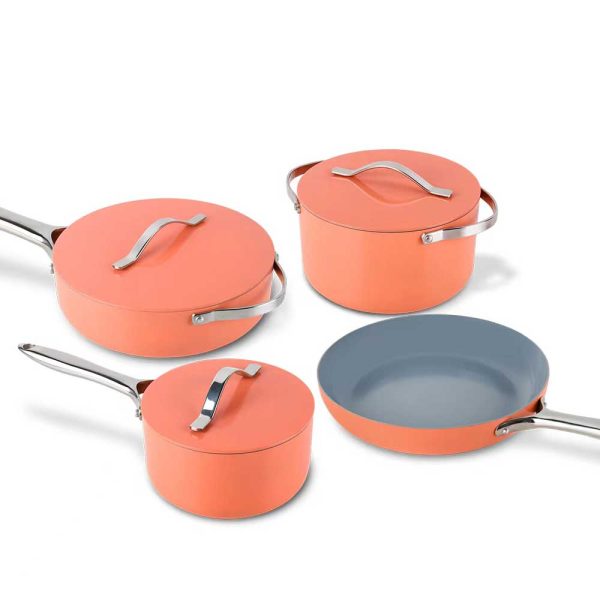
Nonstick Cookware
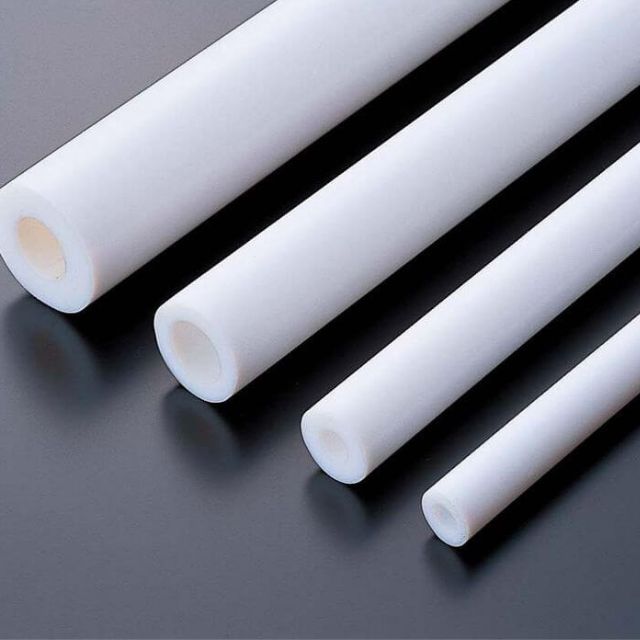
PTFE Tube

Architectural Membrane

Teflon Sealing Tape
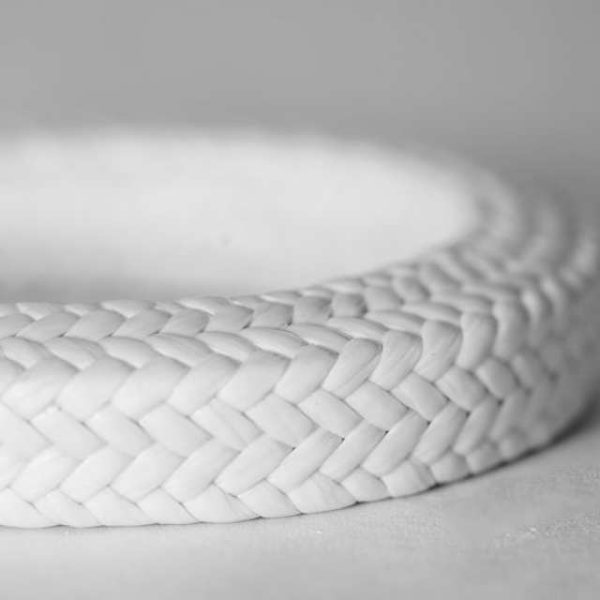
PTFE Packing
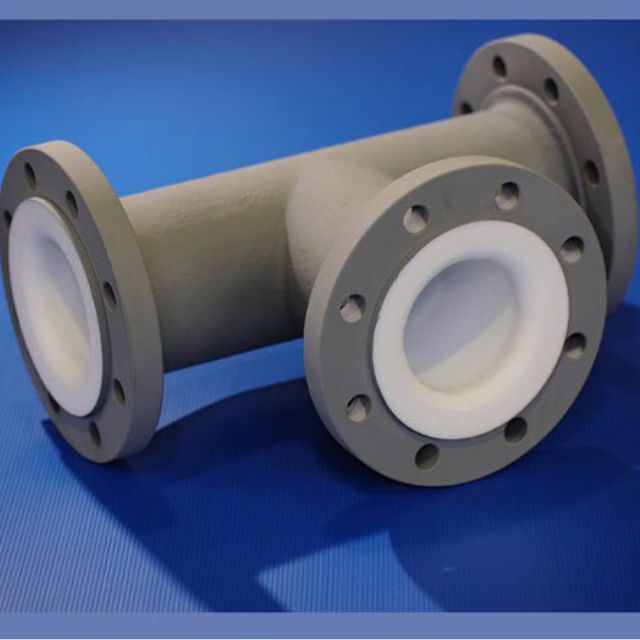
PTFE Lined Valve
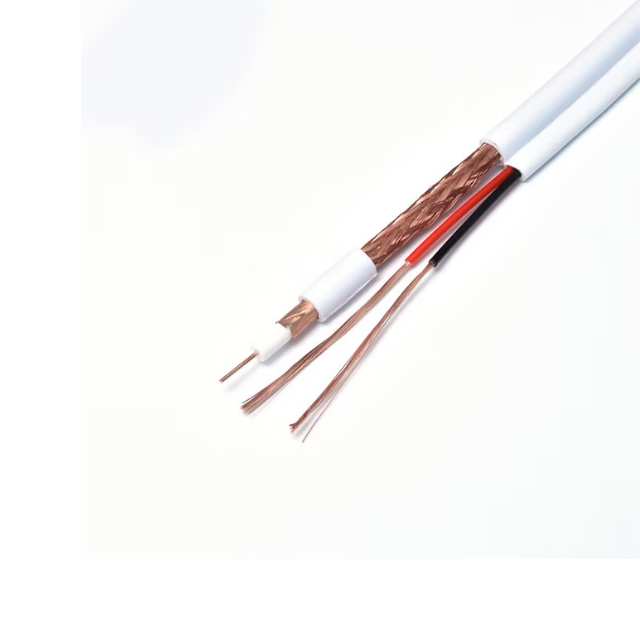
PTFE-Jacketed Cable
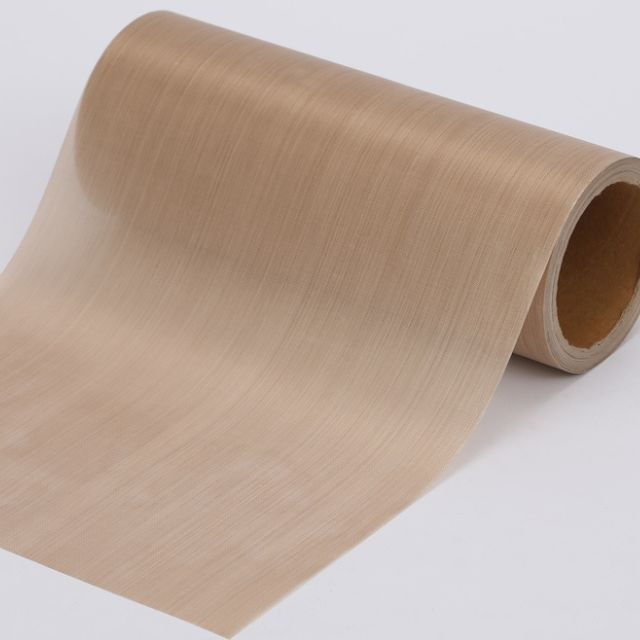
PTFE Glass Coated Tape
The Process of PTFE
PTFE can be processed in several ways: compression Molding, paste Extrusion, Ram Extrusion, Electrostatic Spraying, Impregnation, Coating, and Sintering.
Different finished products need different process, choose the suitable process with your technical support.
Impregnation
Suitable for PTFE dispersion to produce PTFE coated fiber glass, or Architectural membrane.
Paste Extrusion
PTFE fine powder blend with other additives, then paste extrusion to produce sealing tape, wire, etc
Ram Extrusion
Suitable for Free-flow PTFE resin and presenting PTFE Resin to produce Rods and Tubes.
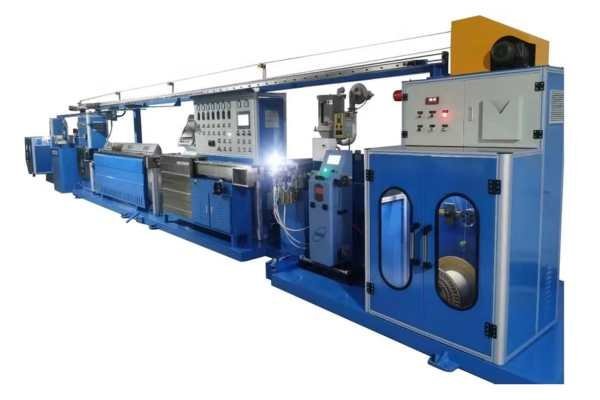
PTFE Spray Coating
Suitable for PTFE micro powder to electrostatic coating surface treatment.
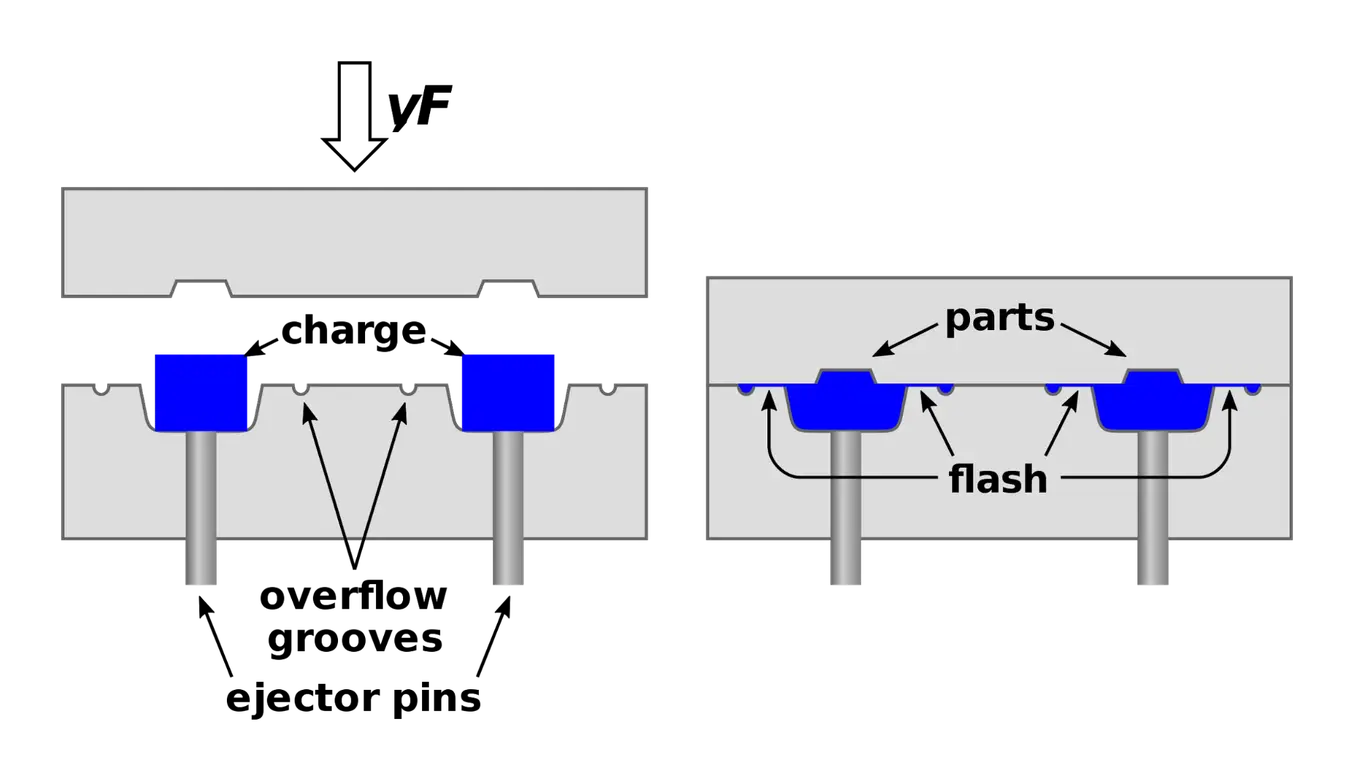
Compression Molding
Suitable for PTFE Molding Powder and filler Powder, and then Sintering the semi-products to Finished Shape.
Sintering
PTFE products need sintering before finished. The sintering temperature is between 100-300℃.
Productos relacionados
Peflon supplies a full range of fluoropolymers like PVDF, FEP, and ETFE, each designed to balance clarity, toughness, and chemical resistance. By combining THV fluoropolymer with these materials, you can fine-tune bonding layers, fuel resistance, and optical stability for different applications. Explore our related products to find the perfect match for your extrusion or coating line, and request a sample to test compatibility before making a bulk purchase.
PEFLON Support for PTFE
Technical support for PVDF raw material is focused on material understanding, not process control. Peflon supports buyers by providing clear information on PVDF material properties, batch consistency, and suitability for specific application types. This helps you reduce uncertainty during qualification and sourcing.
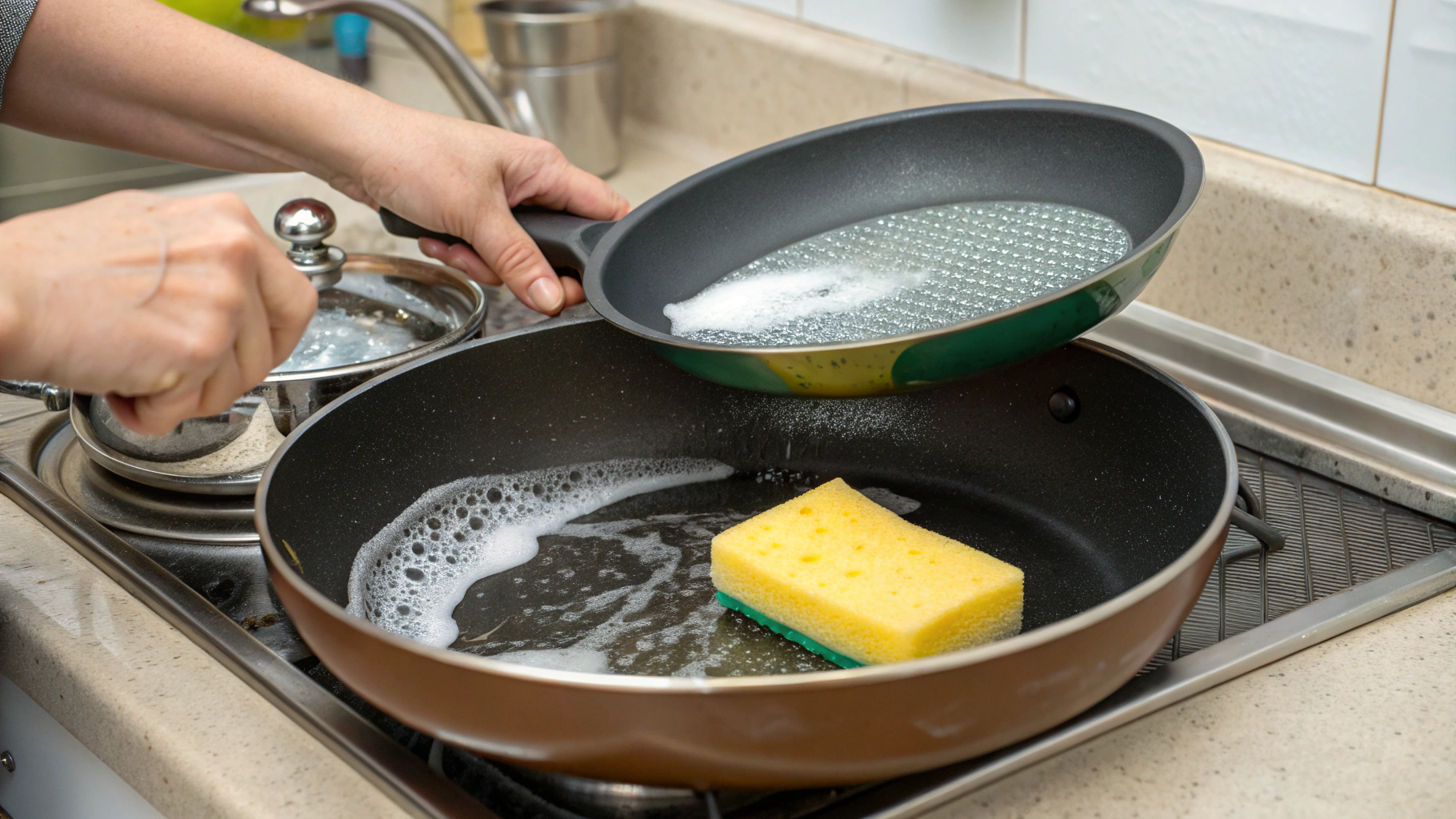
¿El teflón se desmorona más en el lavavajillas?
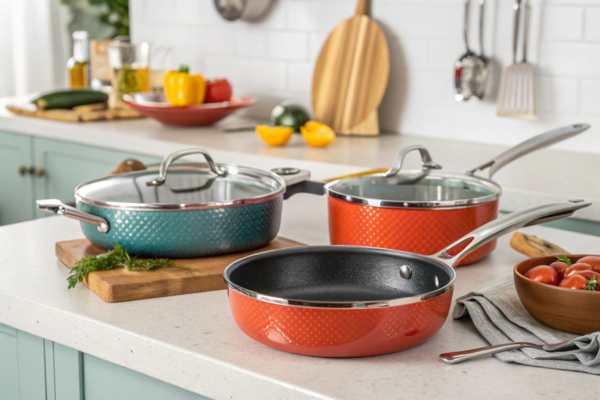
¿El teflón es autolubricante?
¿Todavía se utiliza el teflón?
Contáctanos
Tell us about your application, target volume and quality requirements. Our PTFE specialists will respond with a tailored recommendation, sample availability and a quotation.
- Reply within 1 business day
- Free samples and technical data sheets
- OEM/ODM and custom formulations welcome