
What is PTFE?
Peflon supplies PTFE resin, powder and dispersion in virgin and filled grades, documented as a second source to major global brands for industrial and OEM buyers.
- Virgin and 8 filled grades — glass, carbon, bronze, MoS₂ and more, for bearings, seals and high-load applications
- Quality-matched equivalents to Teflon™, Polyflon™, Algoflon®, Dyneon™, Rulon® and Gore® — share your spec sheet for a grade match
- REACH / RoHS / FDA documented — trial samples available before you commit to a production order
Structure of PTFE
PTFE is a polymer made from the chemical compound tetrafluoroethylene. Its structure consists of a long chain of carbon atoms, each bonded to two fluorine atoms — giving PTFE its distinctive characteristics.
| Property | Value |
|---|---|
| Chemical Formula | (C₂F₄)n |
| IUPAC Name | poly(1,1,2,2-tetrafluoroethylene) |
| Structure | Linear polymer chain |
| CAS Number | 9002-84-0 |
| Trademark | Teflon™ (Chemours) |
Unlike melt-processable fluoropolymers such as FEP and PFA, PTFE’s extremely high melt viscosity means it cannot be injection-molded or extruded conventionally — it is processed instead by compression molding, paste extrusion or sintering, in resin, powder or dispersion form depending on the finished part.
If you’re evaluating a second source for an existing PTFE grade or brand, share your current spec sheet or datasheet target — our engineering team will match an equivalent Peflon grade with full documentation for internal approval.
Key Advantages
| Advantage | What It Means |
|---|---|
| High Melting Point | Stable at high temperatures, up to 327°C (620°F). |
| Safety | Non-toxic and safe for use in consumer products. |
| Maintenance-Free | Easy to clean and maintain due to its non-stick nature. |
| Competitive Price | The lowest-cost option in the fluoropolymer family (vs. FEP, PFA, ETFE, PCTFE). |
| High Density | PTFE density reaches 2.2 g/cm³. |
| Hydrophobic | Repels water effectively — stays dry even under prolonged exposure. |
| Low Friction | One of the lowest coefficients of friction among solid materials. |
| Chemical Resistance | Resistant to almost all chemicals — ideal for industrial applications. |
| Electrical Insulation | Excellent insulator — widely used in electrical components. |
PTFE in Four Physical Forms
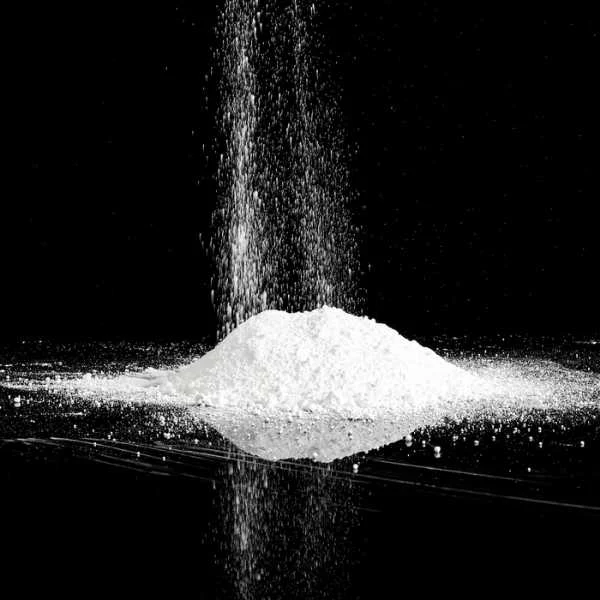
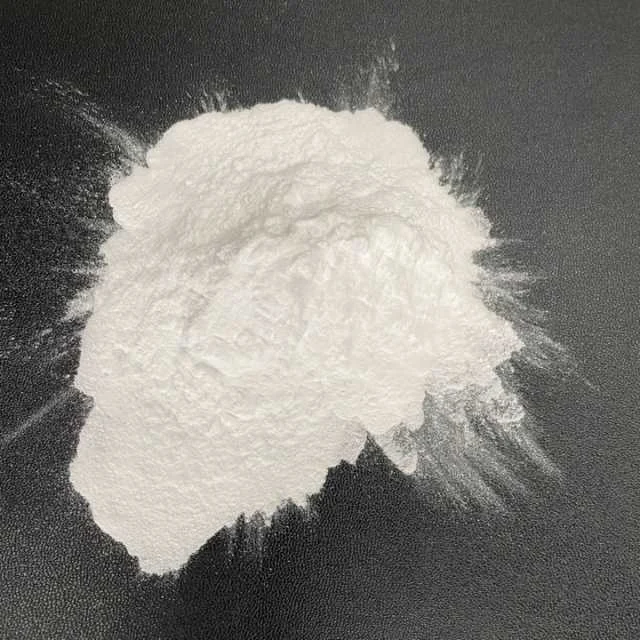
From granular powder to aqueous dispersion — pick the form that matches your production process.
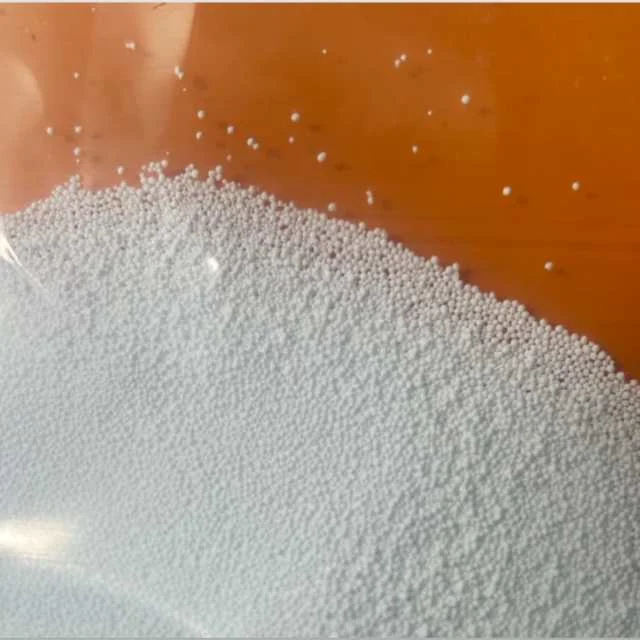
Types of PTFE Powder
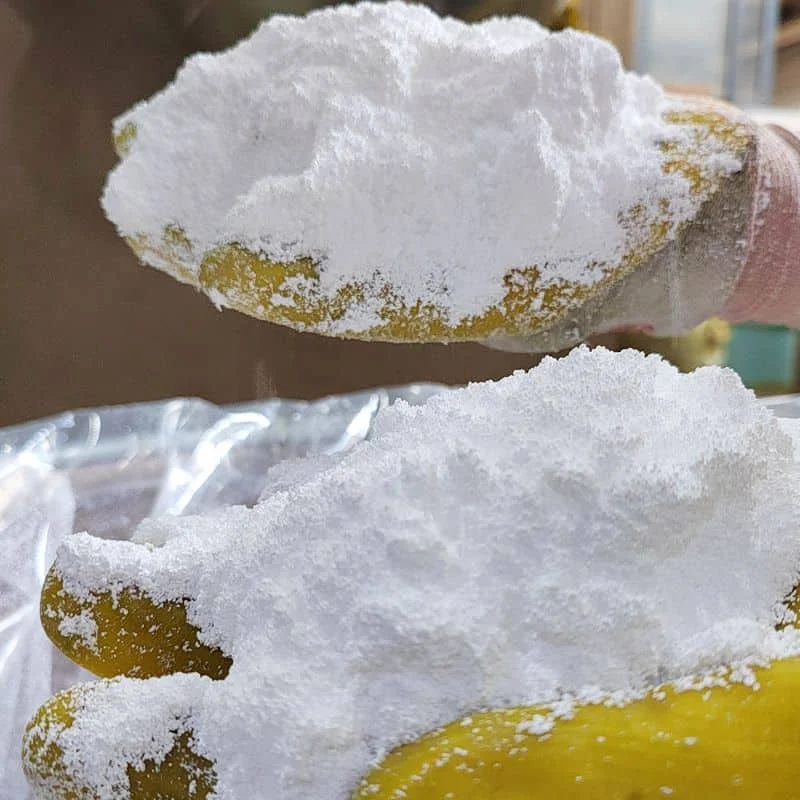
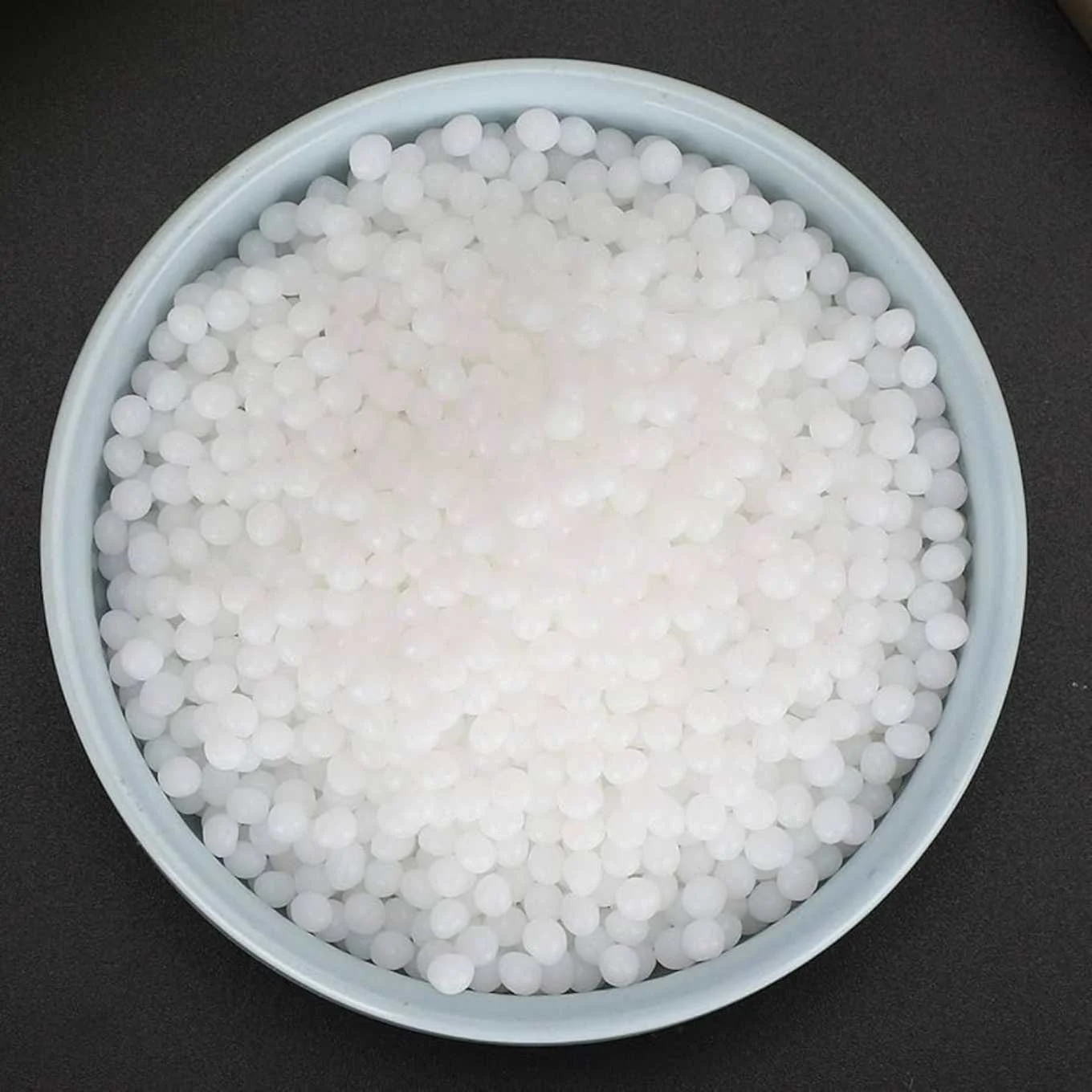
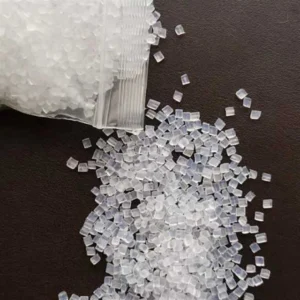
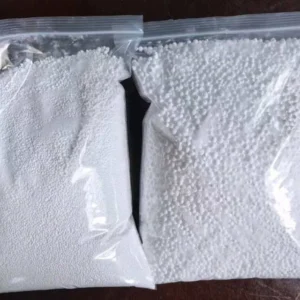
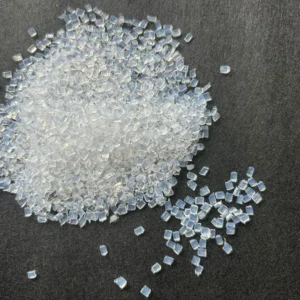
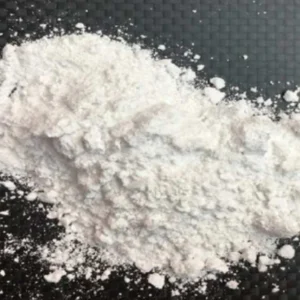
PTFE comes in various grades — Virgin PTFE and filled variants that boost specific performance traits for industrial applications, produced to recognized specifications such as ASTM D4894 for PTFE granular molding and ram extrusion materials.

Glass-Filled PTFE
Improved mechanical strength and wear resistance — widely used in bearings and seals.

Carbon-Filled PTFE
Enhanced compressive strength — suitable for higher-load work environments.

MoS₂-Filled PTFE
Molybdenum disulfide added as a solid lubricant for friction reduction.

Bronze-Filled PTFE
Combines PTFE’s properties with the mechanical strength of bronze — for engineering applications such as bearings and seals per Fluid Sealing Association guidance.


PEEK-Filled PTFE
PEEK additive delivers outstanding mechanical and thermal durability.

PPS-Filled PTFE
Polyphenylene sulfide improves chemical and high-temperature resistance.

POB-Filled PTFE
Polyoxybenzoate for enhanced wear resistance and dimensional stability.
PTFE Applications
From household cookware to critical industrial components — PTFE delivers durable performance across every scale.
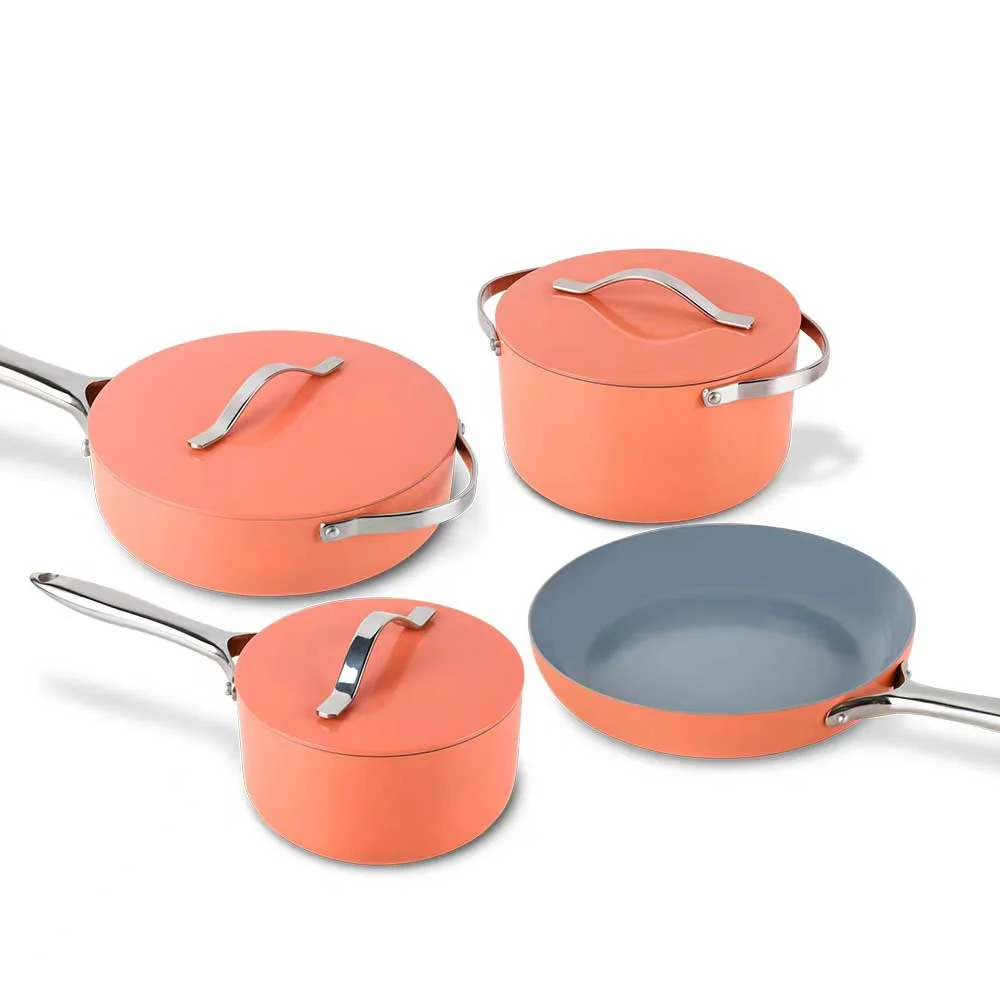
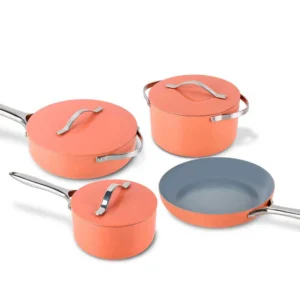
Nonstick Cookware
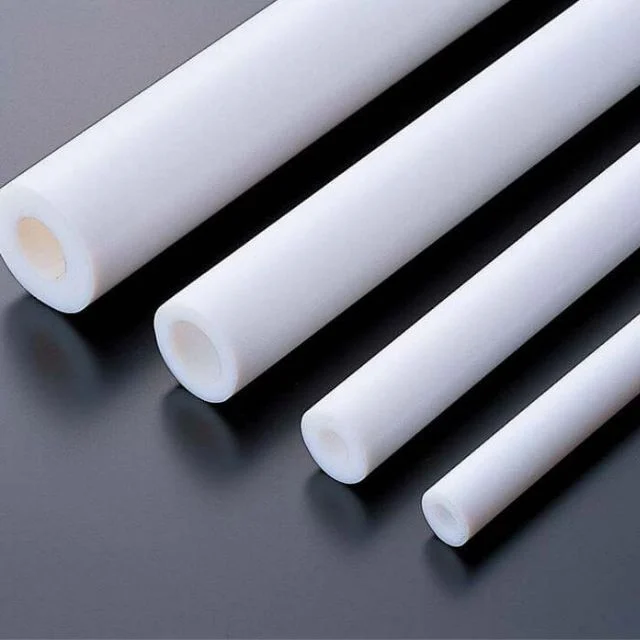
PTFE Tube

Architectural Membrane
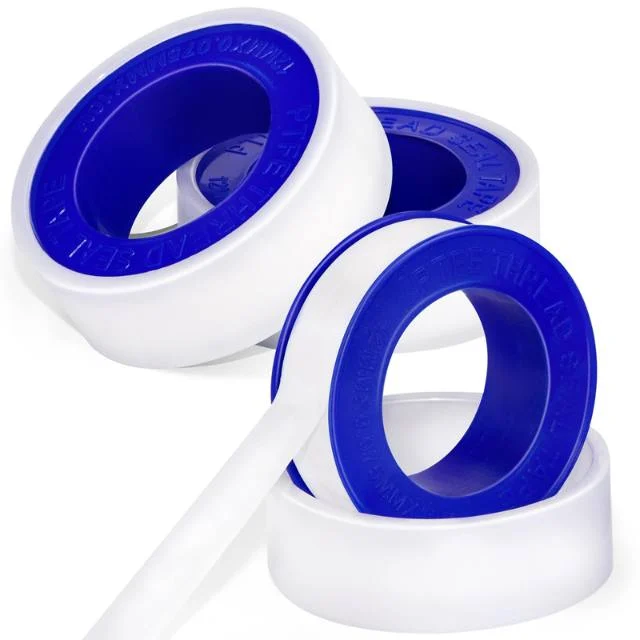
Teflon Sealing Tape
PTFE Packing
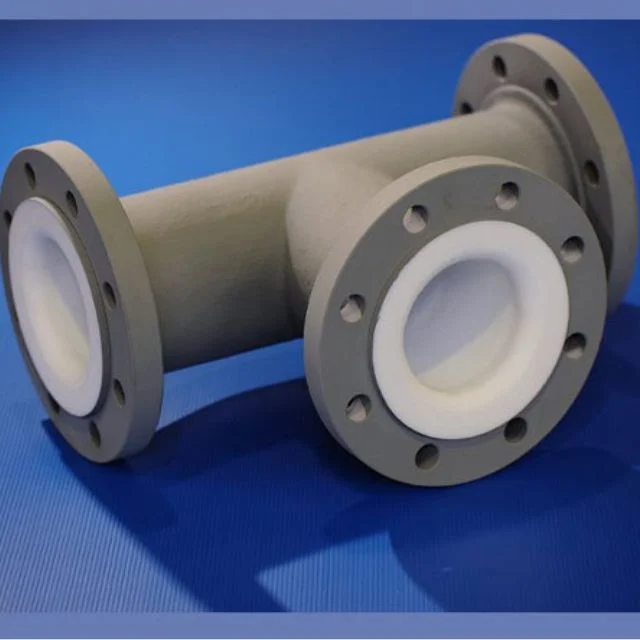
PTFE Lined Valve
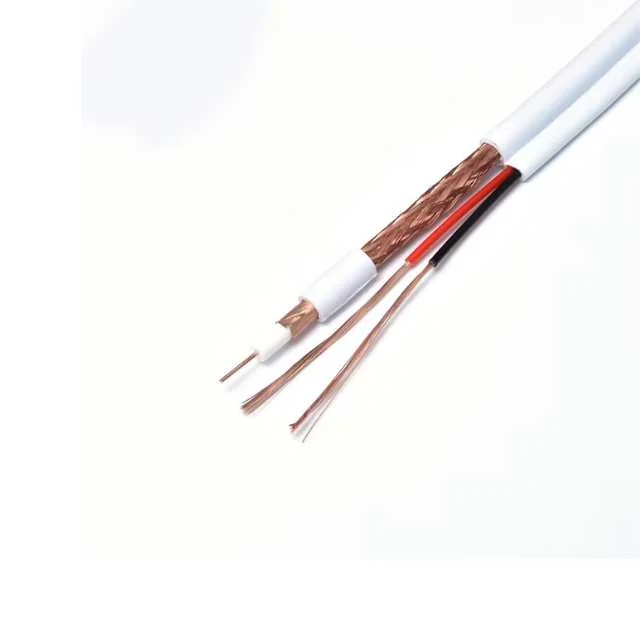
PTFE-Jacketed Cable
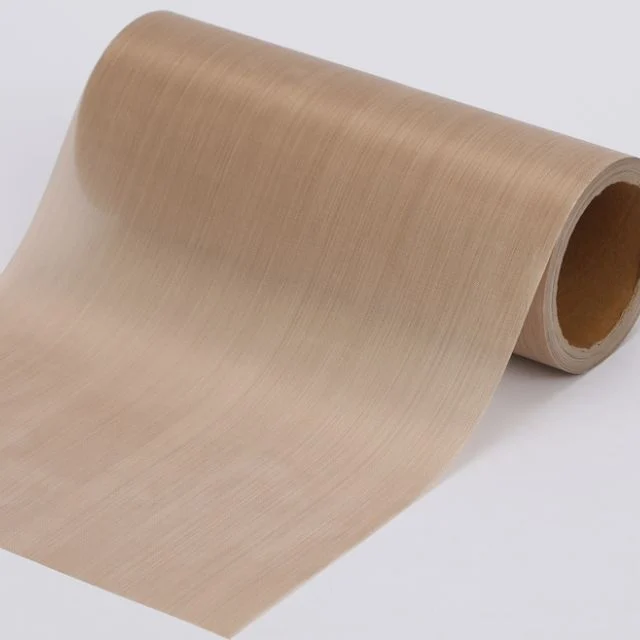
PTFE Glass Coated Tape
Types of PTFE Aqueous Dispersions
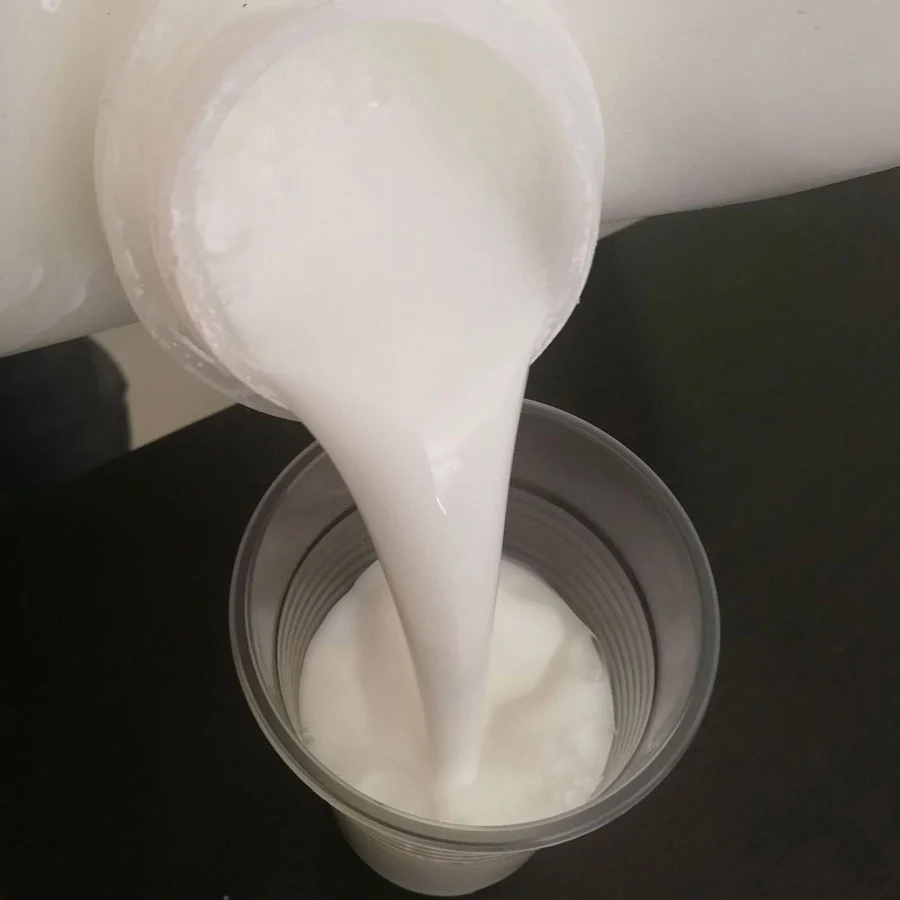
Peflon PTFE dispersion is widely used in cookware coating, industrial coatings, and functional surface treatments — where low friction, chemical resistance, and long-term durability are required. After high-temperature sintering, a continuous fluoropolymer film forms, providing stable performance under demanding conditions.
For Cookware Coating
Non-stick cookware dispersion formulated to meet FDA 21 CFR 177.1550 food-contact requirements, with heat-resistant performance.
For Coated Fiberglass
Architectural membrane and industrial fabric coating applications.
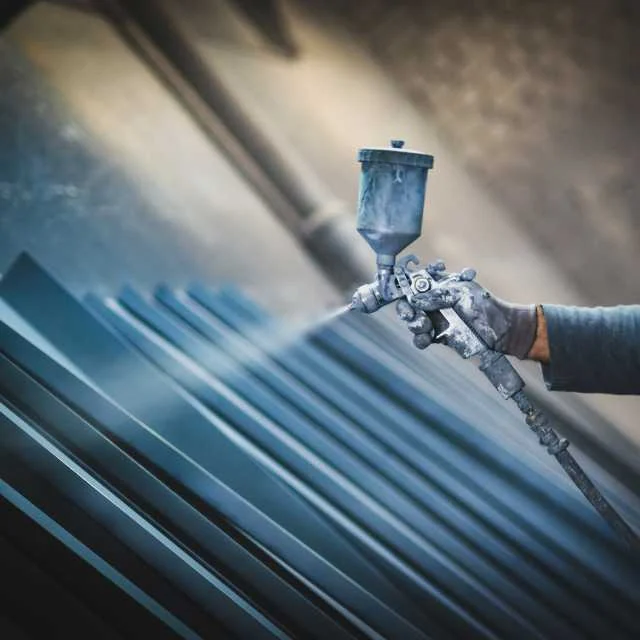
For Industry Coating
Anti-corrosion linings, wire insulation, and functional surface treatment.
The Manufacturing Process of PTFE
PTFE can be processed in several ways — compression molding, paste extrusion, ram extrusion, electrostatic spraying, impregnation, coating, and sintering. Different finished products require different processes; choose the right method with our technical support.
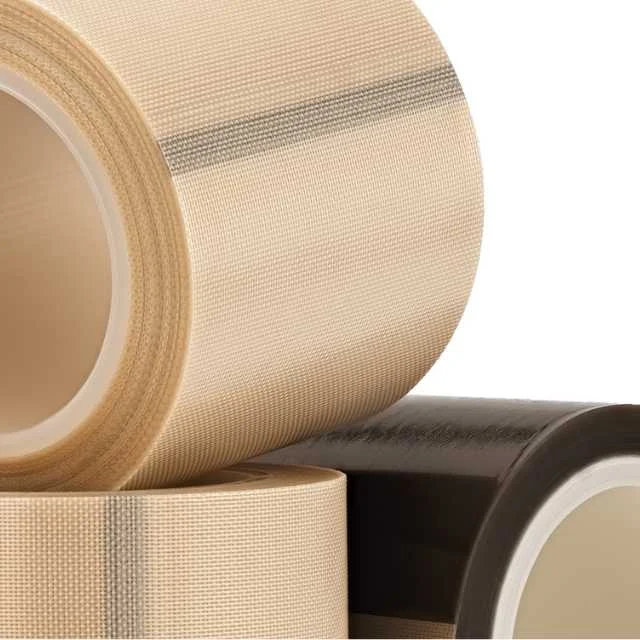
Impregnation
For PTFE dispersion to produce PTFE-coated fiberglass and architectural membranes.
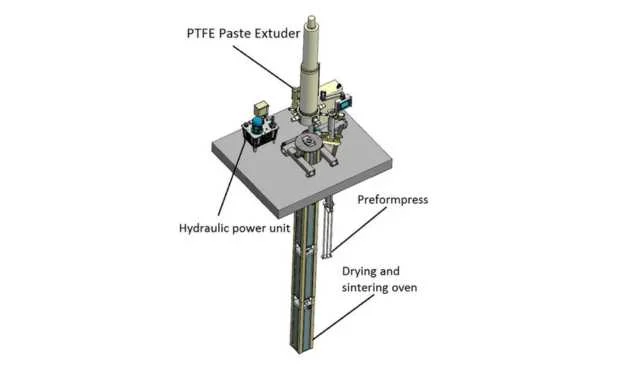
Paste Extrusion
PTFE fine powder blended with additives, then paste-extruded into sealing tape, wire insulation and more.
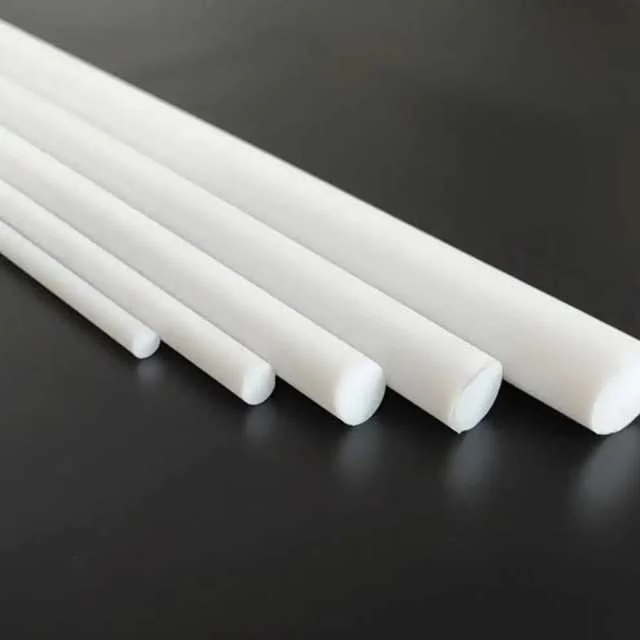
Ram Extrusion
For free-flow PTFE resin and pre-sintered resin — used to produce rods and tubes.
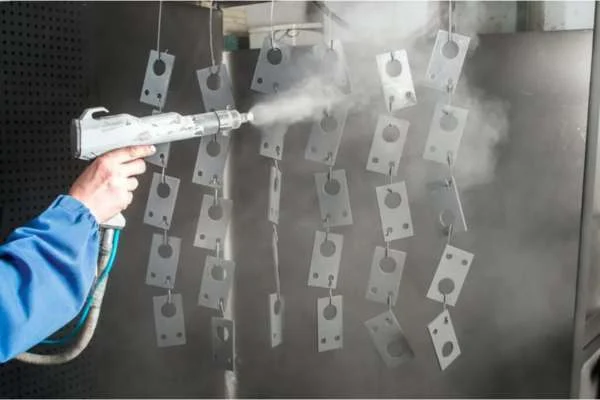
PTFE Spray Coating
For PTFE micro powder — electrostatic coating for surface treatment.
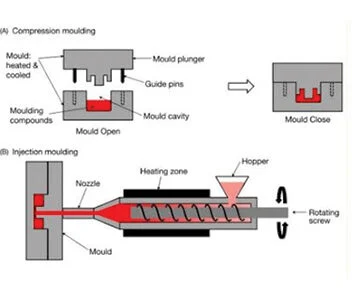
Compression Molding
For PTFE molding powder and filler powder — then sintering the semi-products into finished shapes.
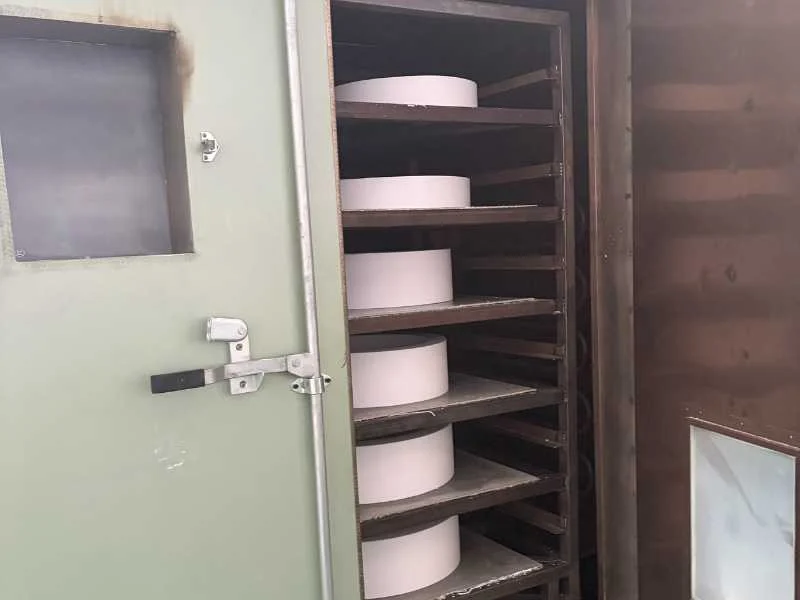
Sintering
PTFE products require sintering at 100–300°C before finishing.
PTFE Chemical Resistance
PTFE resists virtually all industrial acids, bases and solvents at room temperature — the exceptions below are the rare cases worth flagging before you finalize a spec.
| Chemical | Class | Resistance | Notes |
|---|---|---|---|
| Sulfuric acid (concentrated) | Mineral acid | Excellent | Resistant up to 100% concentration, 100°C |
| Hydrochloric acid | Mineral acid | Excellent | Resistant across full concentration range |
| Hydrofluoric acid | Mineral acid | Excellent | Unaffected — HF attacks glass and most metals but not PTFE |
| Sodium hydroxide | Strong base | Excellent | Compatible; only molten alkalis cause issues |
| Acetone | Ketone solvent | Excellent | No swelling or dissolving |
| Sodium hypochlorite (bleach) | Oxidizer | Excellent | Resistant up to 12.5% concentration |
| Hydrogen peroxide | Oxidizer | Excellent | Resistant up to 30% concentration |
| Chlorine gas | Oxidizer | Excellent | Resistant, dry and wet |
| Molten alkali metals | — | Not recommended | Known exception (sodium, potassium, lithium) |
| Elemental fluorine | — | Not recommended at elevated temperature | Known exception |
PTFE Brand Cross-Reference
Peflon supplies quality-matched, cost-effective alternatives to the world’s leading PTFE brands. Send us your current spec sheet and we’ll match the right Peflon grade.
| Brand | Series / Product | Typical Peflon Equivalent |
|---|---|---|
| Chemours Teflon™ PTFE | Teflon™ 7A / 8A / 30 / 35 dispersion & granular | Peflon Virgin PTFE Powder / PTFE Dispersion |
| Daikin Polyflon™ PTFE | Polyflon™ M-12 / M-14 / D-1 / F-104 | Peflon PTFE Molding / Fine Powder / Dispersion |
| Solvay / Syensqo Algoflon® PTFE | Algoflon® L / D / F series | Peflon PTFE Powder & Dispersion |
| 3M Dyneon™ PTFE | Dyneon™ TF / TFM compounds | Peflon Virgin PTFE / Modified PTFE |
| Saint-Gobain Rulon® | Rulon® filled-PTFE bearings & bushings | Peflon Glass / Carbon / Bronze-Filled PTFE |
| Gore® ePTFE | GR® sheet gasket, ePTFE membrane | Peflon Expanded PTFE Sheet & ePTFE |
Teflon™, Polyflon™, Algoflon®, Dyneon™, Rulon® and Gore® are trademarks of their respective owners. Peflon is an independent manufacturer of equivalent PTFE raw materials and supplies OEM / private-label customers worldwide.
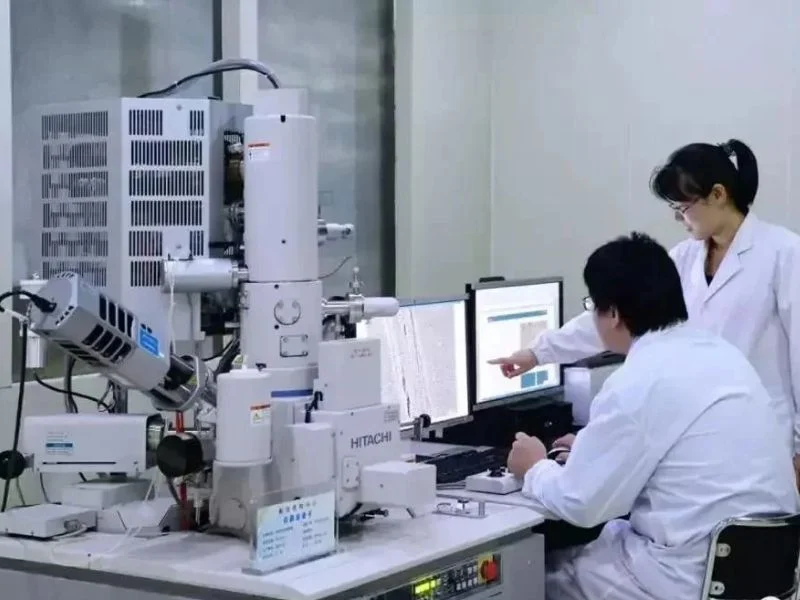
Documented Second Source
- Qualify Peflon as a documented alternative to Teflon™, Polyflon™, Algoflon®, Dyneon™, Rulon® or Gore® — send your current spec sheet and we match an equivalent grade.
- Full TDS/SDS traceability lets your team second-source without re-engineering the spec.
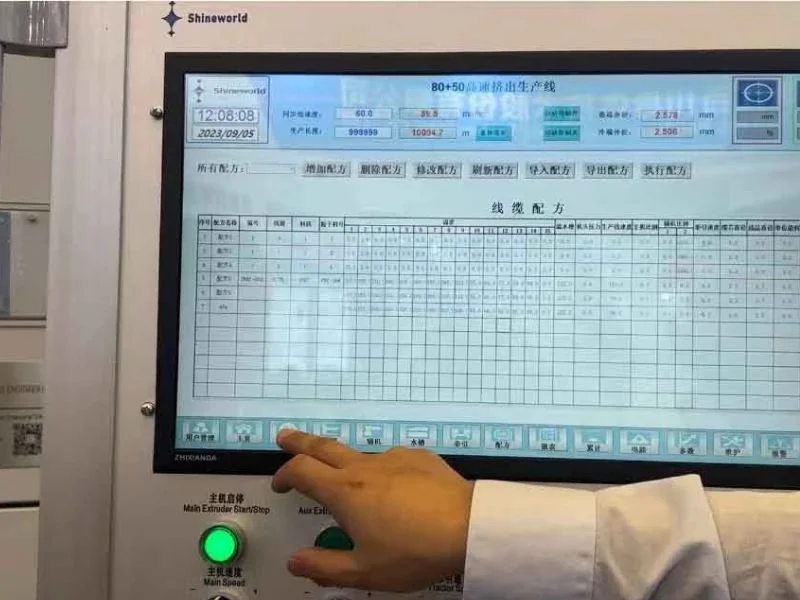
Grade-Matching Support
- In-house technical team matches virgin PTFE or one of 8 filled grades (glass, carbon, bronze, MoS₂ and more) to your application.
- Reduces uncertainty during qualification and sourcing.
Trial Samples Available
- Trial samples available before you commit to a production order.
- Full REACH / RoHS / FDA documentation provided alongside samples.
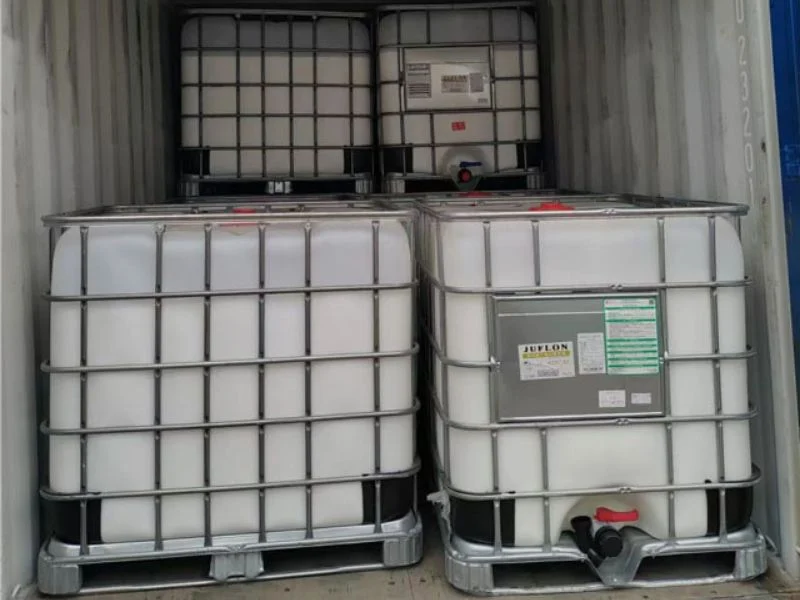
Certified & Global Supply
- REACH, RoHS and FDA-compliant documentation available on request.
- Supplies OEM / private-label customers worldwide.
PTFE — Frequently Asked Questions
These are the questions buyers ask most when researching PTFE — covering what it is, how it compares to Teflon, and what form to specify.
What does PTFE stand for?
PTFE stands for polytetrafluoroethylene, a synthetic fluoropolymer made from tetrafluoroethylene (CAS 9002-84-0).
Is PTFE the same as Teflon?
Yes. Teflon™ is Chemours’ registered trademark for its PTFE products; PTFE is the generic chemical name. Peflon supplies quality-matched PTFE raw material as an independent manufacturer, not a Teflon™ licensee.
What is PTFE coating?
PTFE coating is a fluoropolymer film applied from aqueous dispersion or powder and then sintered onto a surface to create a non-stick, low-friction, chemical-resistant finish — used on cookware, industrial parts and coated fabric.
What is the melting point of PTFE?
PTFE has a melting point of approximately 327°C (620°F), among the highest of any melt-processable-adjacent fluoropolymer, though PTFE itself is sintered rather than melt-processed like FEP or PFA.
Is PTFE safe for food contact?
Yes. Virgin PTFE is chemically inert and non-toxic, and Peflon supplies grades formulated to meet food-contact requirements for cookware and food-processing equipment coatings.
What is the difference between virgin and filled PTFE?
Virgin PTFE has no additives and offers the material’s baseline chemical resistance and low friction. Filled PTFE blends in glass, carbon, bronze or other fillers to improve mechanical strength, wear resistance or thermal conductivity for demanding industrial applications.
Related Products
Material Support for PTFE Buyers
Technical support for PTFE raw material focuses on material understanding, not process control. Peflon helps buyers by providing clear information on material properties, batch consistency, and suitability for specific application types — reducing uncertainty during qualification and sourcing.
What Are the Applications of PTFE?

PTFE: How to Select the Right Grade
What is the Difference Between PTFE and Teflon?
Need PTFE for Your Application?
Tell us your application, target form (dispersion, powder, free-flow resin) and any filler requirement — Peflon’s engineering team will recommend the matching grade with samples and full REACH / RoHS / FDA documentation within 24 hours.