
Pre-Sintered PTFE Resin — Molding, Ram-Extrusion & Billet Grades
Peflon is a China manufacturer supplying pre-sintered PTFE free-flow resin for industrial compression molding and ram extrusion — work directly with a production-focused supplier, not a trading layer.
- Five particle-size and process-matched grades, real TDS on file for each
- Distinct product line from Peflon’s suspension molding powder — see below for which one fits your process
- Documentation REACH/RoHS, échantillons disponibles avant tout engagement
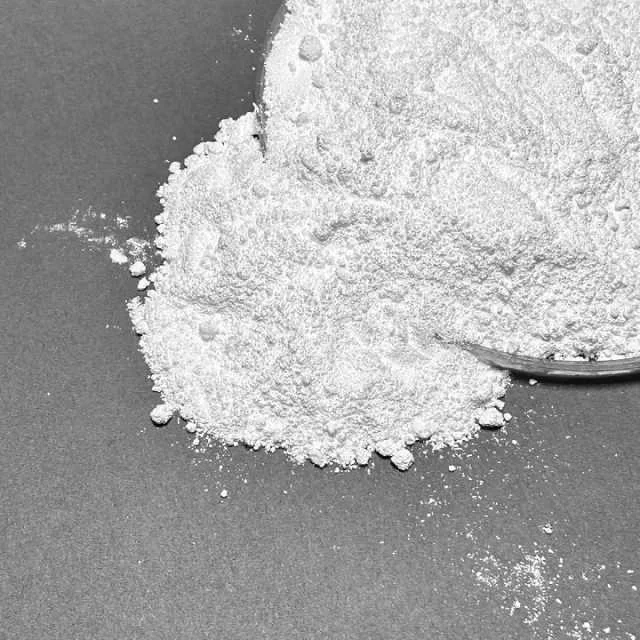
Qu'est-ce que la résine PTFE pré-frittée ?
PTFE préfritté — également appelé PTFE partiellement fritté or PTFE free-flow resin — is polytetrafluoroethylene (PTFE, CAS 9002-84-0) résine ayant subi un traitement thermique contrôlé avant le frittage final. Elle est généralement choisie lorsque votre production repose sur étapes de formage à froid such as compression molding or ram extrusion, where material handling and shape retention before full sintering are critical. Peflon’s grades are tested against ASTM D4894, the standard specification for PTFE granular molding and ram extrusion materials.
Because the resin is only partially sintered, it flows and compacts predictably during pressing, then completes densification in the final sinter. This is a distinct product line from Peflon’s suspension-polymerized molding powder — both are compression-molded, but pre-sintered free-flow resin is supplied further along the processing chain, with different bulk-density and flow characteristics matched to ram extrusion and automated molding lines.
PTFE Pre-Sintered Resin Properties
All five grades share a common base profile from Peflon’s TDS testing — particle size and flow/shrinkage behavior are the main variables between them (see Grade Selection below for grade-by-grade values).
| Propriété | Valeur typique | Méthode d'essai |
|---|---|---|
| Résistance à la traction | 25.5–30 MPa | GB/T 1040.0, HG/T 2902 |
| Allongement à la rupture | 290–350% | GB/T 1040.0, HG/T 2902 |
| densité apparente | 750–800 g/L | — |
| Point de fusion | 327 ± 5 °C | HG/T 2902 |
| Standard relative density | 2.130–2.180 | — |
| Thermal instability index | ≤ 30 | — |
| teneur en humidité | ≤ 0% | Infrared moisture analyzer |
Pre-Sintered PTFE Grades & Data Sheets
Five pre-sintered PTFE grades — particle size and flow behavior are the main variables. Click a grade to download its Technical Data Sheet (PDF).
| Qualité | Taille des particules | Traction (MPa) | Allongement (%) | Application typique |
|---|---|---|---|---|
| PF-M1 | 200–400 µm | ≥25,5 | ≥290 | Molding rods, tubes, plates — automatic extrusion |
| PF-M2 | 401–600 µm | ≥25,5 | ≥290 | Molding rods, tubes, plates — automatic extrusion |
| PF-M3 | 601–900 µm | ≥25,5 | ≥290 | Molding rods, tubes, plates; engineering plastic additive |
| PF-FF | 450 ± 50 µm | ≥30 | ≥350 | Free-flowing powder for automated molding (Shore D 54–56, max sintering 380°C) |
| PF-P22 | 200–400 µm | ≥25,5 | ≥290 | Rods, tubes, plates — ram extrusion |
Note: typical values from Peflon’s TDS testing, data not for specification purposes — confirm final selection by processing method and end use.
Filled Pre-Sintered Grades
Eight filler types are also available in pre-sintered (“-E”) form for ram extrusion, in addition to the unfilled grades above. Not every filler has a pre-sintered variant — glass fibre + MoS₂, carbon fibre, PEEK and POB (Ekonol) are only offered as non-free-flow or free-flow powder, not pre-sintered.
| produit de remplissage | Pre-Sintered Grade(s) | Contenu (wt%) | Caractéristiques |
|---|---|---|---|
| Fibre de verre | 15GF-E / 20GF-E / 25GF-E | 15 / 20 / 25 | Low creep, high wear resistance, good electrical properties |
| Bronze | 30BR-E / 40BR-E / 60BR-E | 30 / 40 / 60 | Low creep, high thermal conductivity, high hardness |
| Poudre de Coca-Cola | 15CAR-E / 25CAR-E | 15 / 20 | Low creep, high wear resistance, high PV value |
| Graphite | 15GR-E | 15 | Low friction, low creep, corrosion resistance |
| Fibre de verre + graphite | 15GF5GR-E | 15 + 5 | High wear resistance, low friction, low creep |
| Alumina (Al₂O₃) | 7AL-E / 15AL-E | 7 / 15 | High-voltage insulation |
| Poudre d'acier inoxydable | 25STST-E / 50STST-E | 25 / 50 | High dielectric strength, low cold flow, high thermal conductivity |
For full filler selection guidance across all three powder forms (non-free-flow, free-flow and pre-sintered), see Peflon’s Modified PTFE grade list.
Application de la résine PTFE préfrittée
Utilisé dans les joints d'étanchéité, les roulements, l'isolation électrique, les équipements de traitement chimique et les industries agroalimentaires et pharmaceutiques.
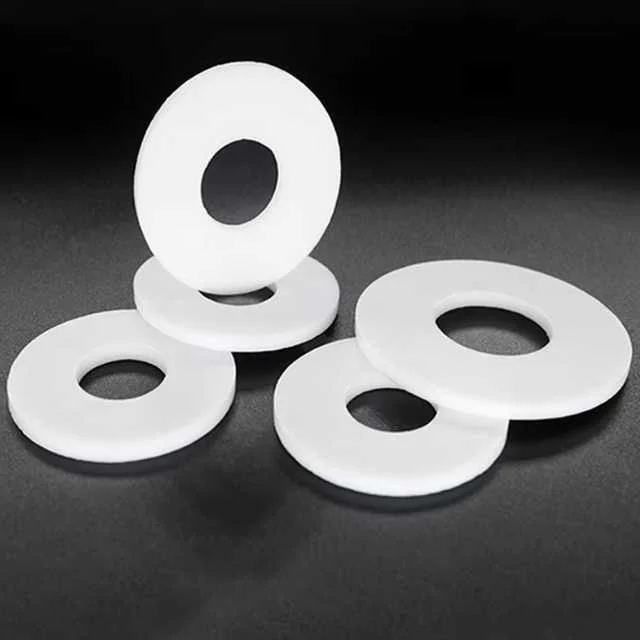
Joints
Sealing of reactors, pipes and valves — a common application area tracked by the Association d'étanchéité des fluides, the North American trade body for sealing-product manufacturers.
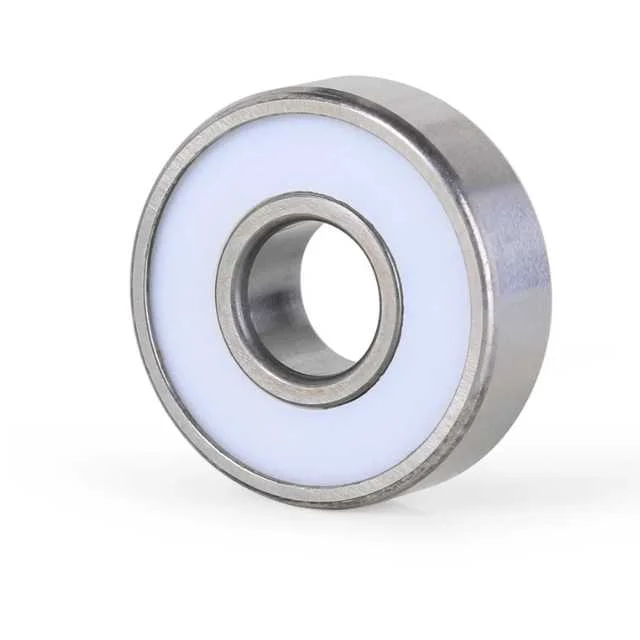
Paliers
Durabilité et performances améliorées en tant que matériau de roulement pour les composants automobiles.
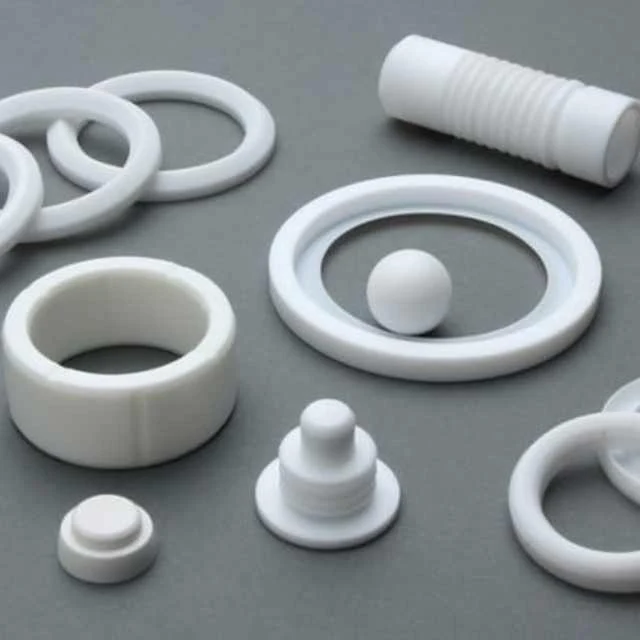
Garnitures
Élément d'étanchéité clé dans les pompes, les compresseurs et les garnitures mécaniques.
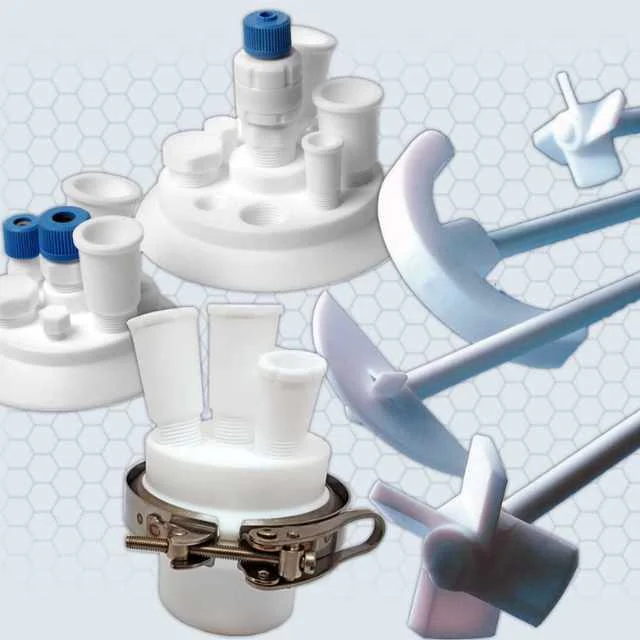
Équipements de traitement chimique
Revêtement et étanchéité des réacteurs chimiques pour prévenir les fuites.
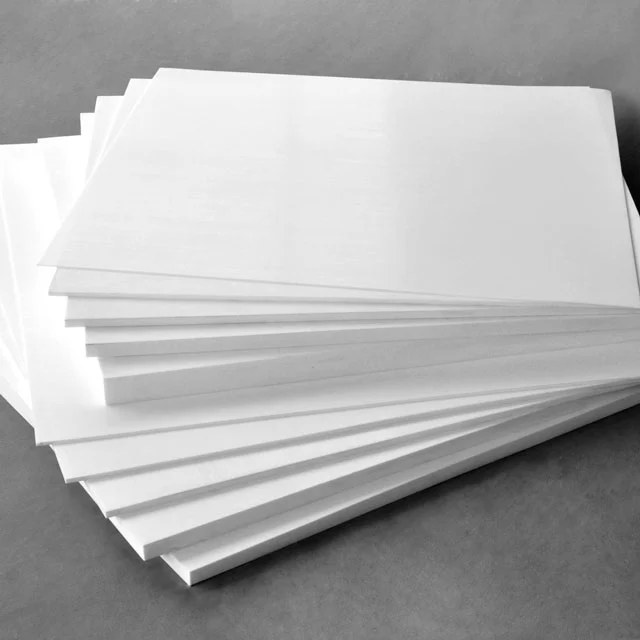
Feuille PTFE
Feuille de PTFE présentant une excellente résistance chimique et aux hautes températures.
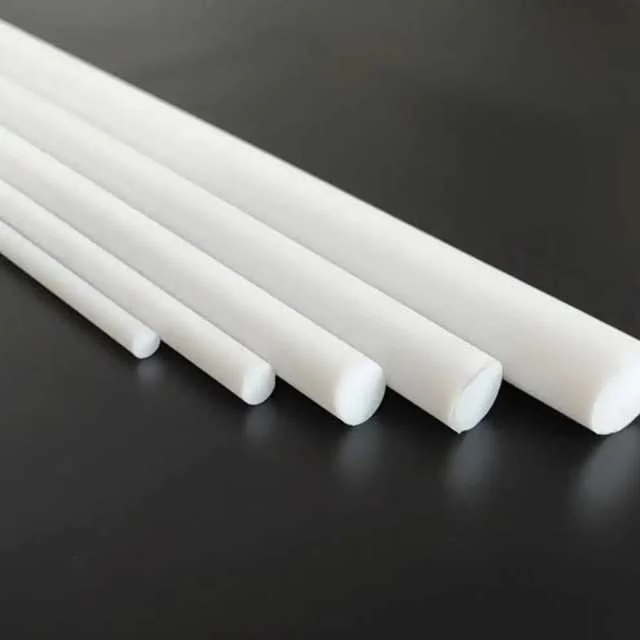
Traitement de la résine préfrittée PTFE
Processing of PTFE pre-sintered compounds includes dry pressing, hot-press molding, sintering and post-processing — matched to the grade’s particle size and flow behavior.
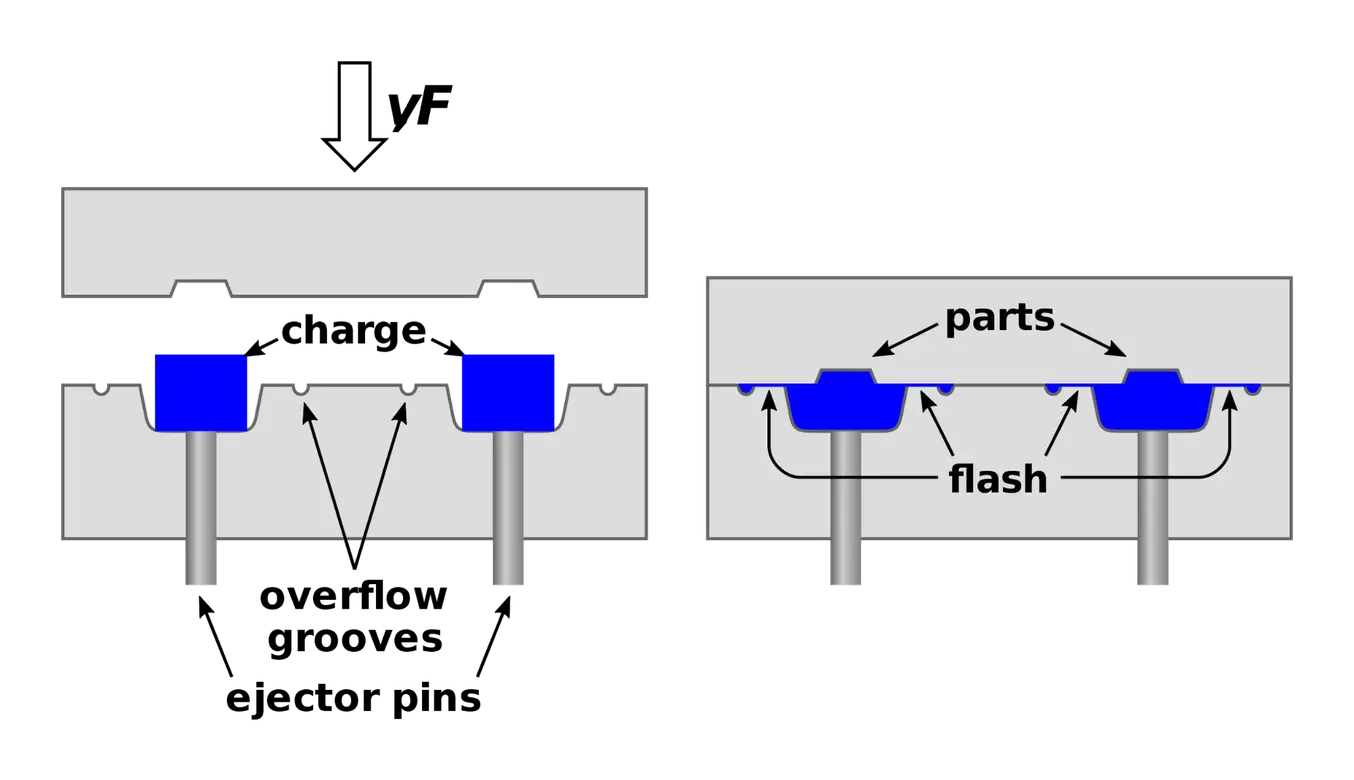
Moulage par compression
Processors dry-press pre-sintered PTFE powder in a mold under pressure, then sinter above 327°C to fuse the particles into a dense, void-free billet or sheet.

Procédé de moulage par compression du PTFE
High-pressure shaping of pre-sintered PTFE resin in molds — precise parts with exceptional chemical resistance and durability.
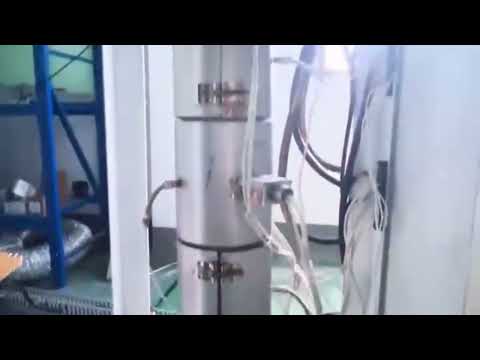
Processus d'extrusion des béliers PTFE
Powder is pressed, heated and extruded, then cooled, demolded, cut and QC’d — continuous rod and tube profiles with uniform density.
PTFE Pre-Sintered Resin Chemical Compatibility
Pre-sintered PTFE shares PTFE’s essentially universal chemical resistance — the exceptions below are the rare cases worth flagging before you finalize a spec.
| Chimique | Classe | Résistance |
|---|---|---|
| Acides sulfurique, chlorhydrique, nitrique et fluorhydrique | Acide minéral | Excellente gamme de concentration complète |
| Hydroxyde de sodium (40%) | Base solide | Excellente |
| Acétone, méthanol, toluène | Solvant | Excellente |
| Solvants chlorés | Solvant chloré | Excellente |
| Métaux alcalins fondus | — | Non recommandé, quelle que soit la température |
| Fluor élémentaire | — | Déconseillé au-dessus de 300 °C |
| Certains solvants fluorés sous pression | — | Limité au-dessus de 200 °C |
Why Choose Peflon Pre-Sintered PTFE Resin
Buyers evaluating a new pre-sintered PTFE source usually care less about a supplier having “lots of grades” and more about avoiding two costly failure modes: a batch that turns out to be reprocessed/recycled powder instead of virgin resin, and a grade mismatch that only shows up after an hours-long sinter cycle has already run.
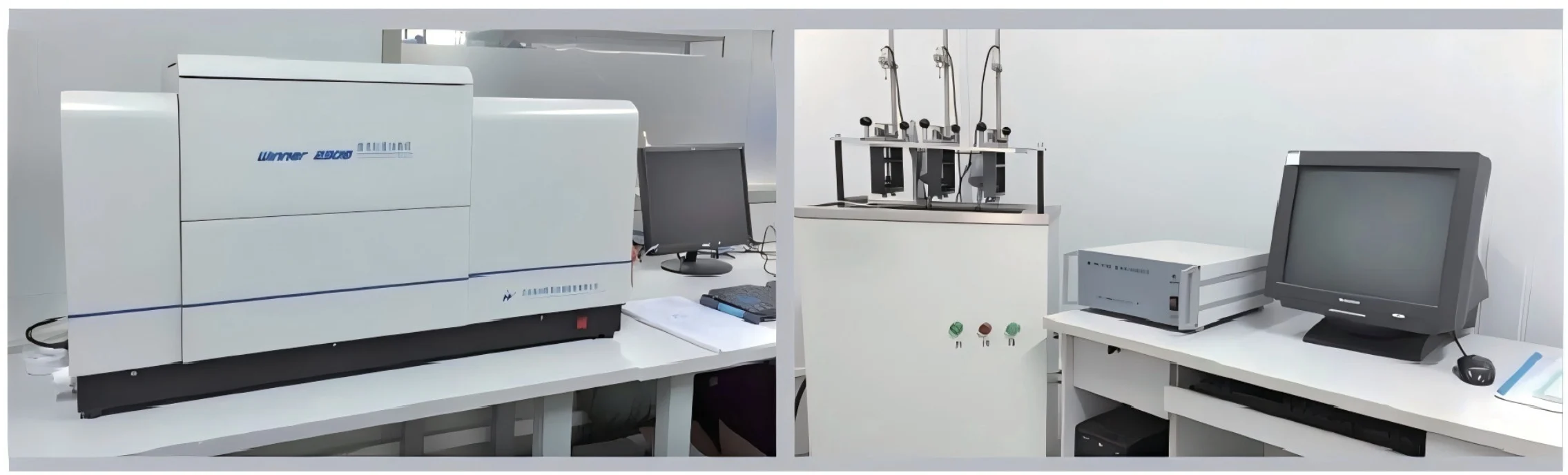
Traceable, Virgin-Only Pre-Sintered Resin
Pre-sintered powder’s biggest quality risk is virgin resin getting mixed with reprocessed/recycled powder — it changes flow and shrinkage behavior in ways that are hard to catch before you press a billet. Peflon supplies virgin-only pre-sintered grades with batch-level traceability from raw resin to finished bag.
- Per-batch tensile/elongation/particle-size testing on file, not generic datasheets
- No reprocessed or reground resin blended into pre-sintered grades
Grade Match to Cut Shrinkage & Scrap
Billets are typically pressed 3–5% oversized to allow for sintering shrinkage, and the offcut from machining to final size is scrap you’re paying for. Matching particle size and bulk density to your press or extruder up front — not after a failed run — is what keeps that shrinkage allowance predictable instead of a moving target.
- Particle size (200–900 µm across PF-M1/M2/M3) matched to your billet size and forming route
- Filled variants (glass/bronze/graphite/carbon/alumina/stainless, “-E” suffix) available for wear- or creep-critical parts
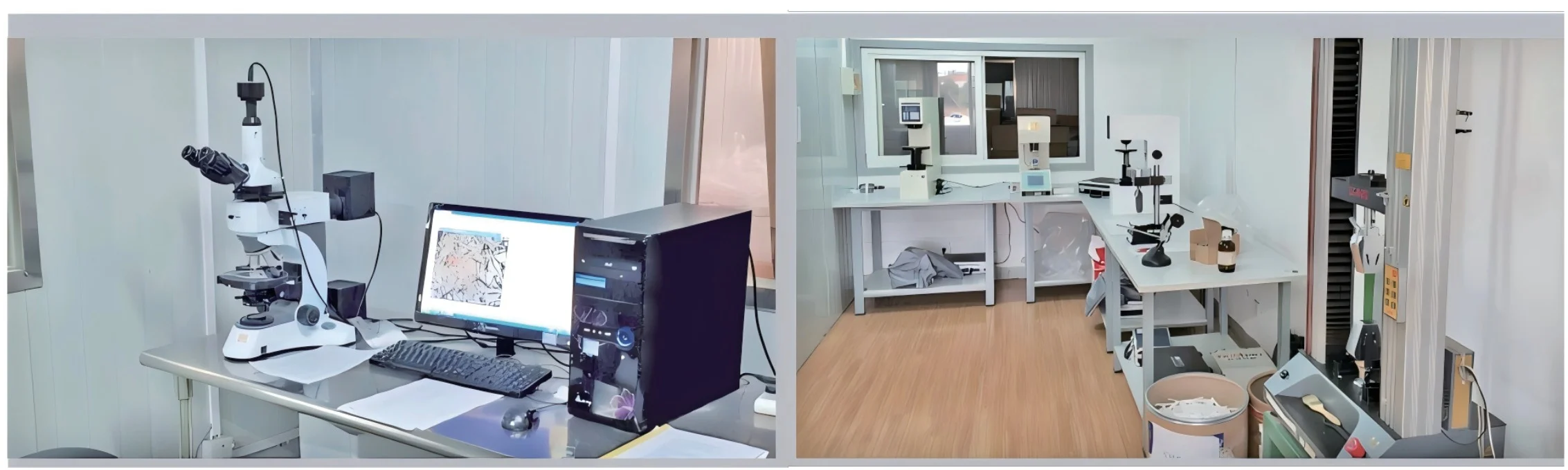
Validate Before a Full Sinter Cycle, Not After
A sinter cycle can run anywhere from a few hours to a full day depending on billet size — discovering a grade mismatch after that cycle is expensive. Trial samples let you confirm flow, compaction and sintering behavior on your own press before committing to a production order.
- Échantillons expédiés avec la fiche technique correspondante
- Technical review of your application against grade-specific data before you order
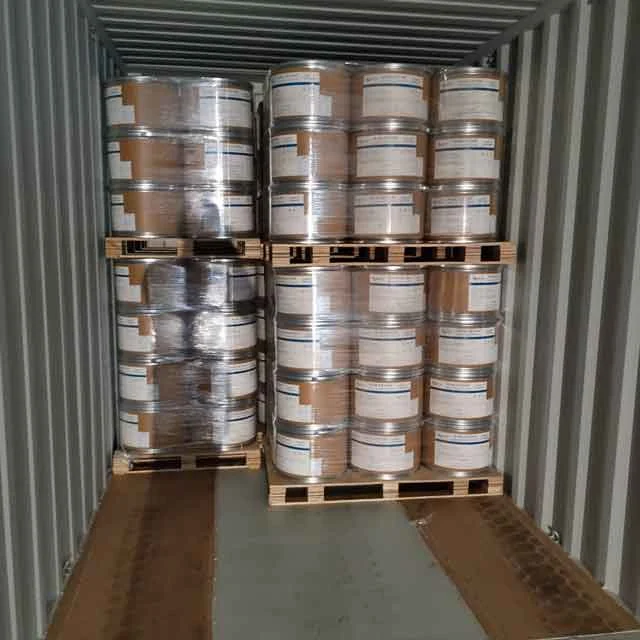
Fournitures certifiées et conformes
ISO-certified quality management with REACH and RoHS documentation on file, backed by predictable 25 kg-bag packaging for repeat and scale-up orders.
- Documentation REACH/RoHS disponible.
- Standard 25 kg bag, palletized for container loading
PTFE préfritté — Foire aux questions
Quelle est la différence entre le PTFE pré-fritté et le PTFE entièrement fritté ?
Le PTFE préfritté est fourni avant le frittage final, ce qui permet de le mettre en forme au préalable (moulage par compression, extrusion à piston ou pressage de billettes) avant de réaliser le cycle thermique. Le PTFE entièrement fritté est déjà densifié et s'utilise comme produit fini ou semi-fini.
Le PTFE préfritté est-il adapté à la transformation à l'état fondu ?
No. PTFE (including pre-sintered grades) is not melt-processable. It is cold-formed under pressure, then sintered above ~360°C to fuse the particles into a dense part.
Quelles méthodes de formage utilisent du PTFE préfritté ?
Compression molding (PF-M1/M2/M3 for sheet, billet, large shapes), ram extrusion (PF-P22 for rod and continuous profiles) and automated molding (PF-FF free-flow powder). Choose the grade that matches your press or extruder and target density.
Peut-on charger du PTFE préfritté avec du verre, du carbone ou du bronze ?
The five grades above are unfilled base resin. For glass, carbon, graphite or bronze-filled PTFE compounds, see Peflon’s modified PTFE overview or the dedicated glass-filled, graphite-filled et bronze-filled PTFE lines.
Comment le PTFE préfritté doit-il être stocké et manipulé ?
Conserver dans un endroit propre, sec et frais, à l'abri de toute contamination, avant le formage, car la propreté des particules et l'humidité influent directement sur la qualité des pièces. Manipuler en fonction de votre processus de formage et de frittage.
Related Products of Pre-Sintered PTFE Resin
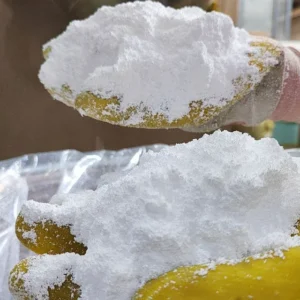
Poudre de moulage PTFE
Need suspension-polymerized granular resin straight for compression molding, not pre-sintered free-flow stock? Peflon also supplies PTFE molding powder.
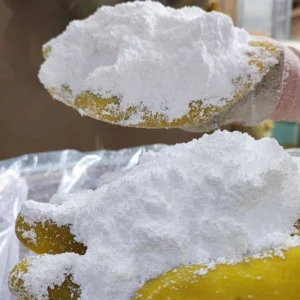
Qu'est-ce que le PTFE ?
New to PTFE or comparing raw-material forms? See Peflon’s full PTFE material overview.
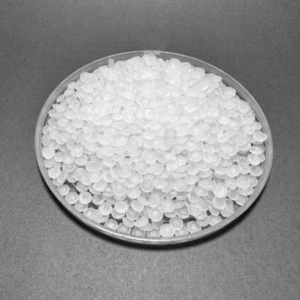
Fournisseur de matériau PFA | Peflon
Need melt-processability instead of cold-forming? Peflon also supplies PFA, extending to 260°C with full melt processing.
Assistance technique pour le PTFE préfritté
Le choix et la mise en forme du PTFE préfritté soulèvent de véritables questions d'ingénierie : qualité du matériau, pression de pressage, programme de frittage et sélection des charges. Notre bibliothèque technique propose des conseils pratiques et concrets de l'équipe matériaux Peflon.

PTFE : comment choisir la bonne qualité
How to match particle size and flow behavior to your press or extruder before you order.

Qu'est-ce que le moulage par compression ?
The fundamentals of compression molding for PTFE and other engineering plastics.
Les bases du moulage par compression : Ce qu'il faut savoir
Common press-cycle and billet-sizing mistakes buyers run into with compression molding.
Obtenez une qualité de PTFE préfritté personnalisée
Tell us your forming route — compression molding, ram extrusion or automated molding — plus part size and target density. Our engineers will match a grade, send the TDS and reply within 24 hours.