
PTFE coating material is a versatile and high-performance fluoropolymer that has revolutionized numerous industries with its unique properties. From non-stick cookware to industrial machinery, PTFE coatings provide exceptional benefits that make them indispensable in modern applications. This comprehensive guide explores everything you need to know about PTFE coating materials, their properties, applications, and benefits.

PTFE coating has transformed how we approach surface protection and enhancement across countless applications. Its unique combination of properties makes it one of the most versatile coating materials available today.
Whether you’re a manufacturer looking to improve your products, an engineer seeking the right coating solution, or simply curious about the science behind non-stick cookware, this guide provides the comprehensive information you need.
Learn about the history and basic concepts of PTFE Coating
Explore the many benefits PTFE coatings offer across industries
Weigh the advantages and limitations of PTFE coatings
Find guidance on selecting the appropriate PTFE coating
Understand the science and application process behind PTFE coatings
See how these properties are utilized across various industries
Learn how to properly maintain PTFE-coated surfaces
Discover emerging innovations in PTFE coating technology
Discover the remarkable properties that make PTFE coatings so valuable
Learn about the safety aspects of using PTFE-coated products
Understand the sustainability aspects of PTFE coatings
PTFE, or polytetrafluoroethylene, is a synthetic fluoropolymer that has become one of the most versatile coating materials in use today. This remarkable substance was discovered accidentally in 1938 by a DuPont engineer named Roy J. Plunkett while he was working on refrigeration. That happy accident led to the creation of an entire industry of high-performance coatings.
PTFE coating is essentially a protective layer applied to various surfaces to enhance their performance and longevity. The coating creates a slick, non-reactive surface that offers numerous advantages across different applications. Whether you’re looking to reduce friction, prevent corrosion, or create a non-stick surface, PTFE coating provides an effective solution.
Many people confuse PTFE with Teflon, but there’s a simple explanation: Teflon is simply the trade name for PTFE that was registered by DuPont in 1945. It’s similar to how we might call all facial tissues “Kleenex,” even though that’s just one brand name. So when we talk about Teflon coating, we’re referring to PTFE coating.
The relationship between PTFE and Teflon is straightforward: Teflon is simply DuPont’s brand name for PTFE. This is similar to how Kleenex is a brand name for facial tissues or Band-Aid is a brand name for adhesive bandages.
Over time, the Teflon name became so widely recognized that many people use it generically to refer to any PTFE coating, regardless of the manufacturer. However, technically speaking, only PTFE products made by DuPont (now Chemours) can be called Teflon.

PTFE coating works by creating a protective barrier between the base material and its environment. The coating process typically involves two main steps: applying a primer coat followed by a top coat of PTFE. This two-layer system ensures strong adhesion to the base material while providing all the beneficial properties of PTFE on the surface.
The application process begins with proper preparation of the surface, which may involve degreasing or blasting the material depending on what it is. Once prepared, the PTFE coating is applied and then heated in an oven to form a dry coating. The thickness typically ranges from 15 to 35 microns, depending on customer specifications and the number of coats applied.
PTFE works at the molecular level due to its unique structure. The polymer consists of carbon atoms single-bonded to each other, with each carbon atom also bonded to two fluorine atoms. This creates a strong, stable chain that gives PTFE its remarkable properties. The fluorine atoms form a protective sheath around the carbon backbone, making the material highly resistant to chemical attack and providing its non-stick characteristics.
Different grades of PTFE coating are available depending on the application. For example, food-grade coating requires a different formulation than industrial-grade coating. Some PTFE coatings may also include additives to enhance specific properties like wear resistance or color.

The PTFE coating process involves several critical steps to ensure proper adhesion and performance:
The exceptional properties of PTFE coatings are directly related to their molecular structure. PTFE is a fluoropolymer consisting of carbon atoms forming the backbone of the molecule, with each carbon atom bonded to two fluorine atoms.
This structure creates a molecule with extremely strong carbon-fluorine bonds, which are among the strongest single bonds in organic chemistry. The fluorine atoms form a protective sheath around the carbon chain, making PTFE highly resistant to chemical attack.
Additionally, the fluorine atoms repel most other substances, including water and oil, giving PTFE its non-stick properties. The smooth, regular arrangement of atoms also contributes to PTFE’s low coefficient of friction.
PTFE coating materials possess a remarkable set of properties that make them suitable for a wide range of applications. Understanding these key characteristics helps explain why PTFE has become such a popular coating choice across various industries.
One of the most notable properties of PTFE is its extremely low coefficient of friction. In fact, PTFE has one of the lowest friction coefficients against any solid known to man. This makes it ideal for applications where reducing friction is critical, such as in bearings, gears, and slide plates.
PTFE is also highly hydrophobic, meaning neither water nor water-containing substances wet PTFE surfaces. This property contributes to its famous non-stick characteristics and makes it perfect for applications where liquid repellency is important.
Chemical resistance is another standout feature of PTFE coatings. Pure PTFE is almost totally chemically inert and highly insoluble in most solvents or chemicals. This makes it excellent for lining containers that store reactive compounds or pipes that transport corrosive materials.
Temperature resistance is equally impressive, with PTFE remaining stable across a wide temperature range from -328°F to +500°F (-200°C to +260°C) without degrading. This exceptional thermal stability allows PTFE-coated products to perform reliably in both extremely cold and hot environments.
PTFE also provides excellent electrical insulation properties with high dielectric strength, especially at high radio frequencies. This makes it valuable for electrical applications like wire insulation and printed circuit boards.
Additionally, PTFE coatings are durable, self-cleaning, non-flammable, and corrosion-resistant, further expanding their utility across different industries and applications.
| Property | PTFE | Epoxy Resin | Polyurethane | Silicone |
| Coefficient of Friction | Very Low | Medium | Medium | Low |
| Temperature Resistance | Excellent (-200°C to +260°C) | Medium | Medium | Excellent (-60°C to +200°C, some up to +300°C) |
| Chemical Resistance | Excellent | Good | Good | Good |
| Abrasion Resistance | Good | Good | Good | Medium |
| Non-Stick Properties | Excellent | Poor | Poor | Good |
| Electrical Insulation | Excellent | Good | Good | Good |
| Applications | Non-stick cookware, seals, wire insulation, chemical equipment, etc. | Industrial coatings, flooring, adhesives, etc. | Automotive coatings, furniture coatings, elastomers, etc. | Seals, high-temperature coatings, medical devices, etc. |
| Cost | Higher | Medium | Medium | Higher |
PTFE has one of the lowest coefficients of friction of any solid material, with a value typically between 0.05 and 0.10. For comparison, most plastics have friction coefficients between 0.2 and 0.4, while metals can range from 0.5 to 1.0.
This exceptionally low friction is due to the molecular structure of PTFE. The fluorine atoms surrounding the carbon backbone create a smooth, uniform surface at the molecular level, allowing other materials to slide easily across it with minimal resistance.
PTFE is highly hydrophobic, meaning it repels water. Water droplets on a PTFE surface form beads with contact angles of approximately 110°, rather than spreading out. This property contributes significantly to PTFE’s non-stick characteristics.
PTFE’s hydrophobic nature makes it valuable in applications where water repellency is important, such as rainwear, architectural membranes, and industrial filtration systems.
PTFE is one of the most chemically resistant materials available. It is inert to virtually all chemicals and solvents, with only a few exceptions (such as molten alkali metals and certain fluorinating agents at high temperatures).
This exceptional chemical resistance makes PTFE ideal for applications involving aggressive chemicals, such as in chemical processing equipment, laboratory apparatus, and pharmaceutical manufacturing.
PTFE maintains its properties across an impressive temperature range, from -328°F to +500°F (-200°C to +260°C). It does not melt until reaching approximately 620°F (327°C), and it remains flexible even at cryogenic temperatures.
This wide temperature range makes PTFE suitable for applications in extreme environments, from aerospace components exposed to the cold of high altitudes to industrial equipment operating at high temperatures.
PTFE is an excellent electrical insulator with high dielectric strength. It has a dielectric constant of approximately 2.1, which remains stable across a wide frequency range. This makes it particularly valuable for high-frequency applications.
The electrical properties of PTFE make it ideal for wire insulation, printed circuit boards, and other electronic components where reliable insulation is critical.
The unique properties of PTFE translate into numerous advantages and benefits across various applications. These benefits make PTFE coatings a preferred choice for many industries seeking to improve performance and reduce maintenance costs.
In industrial settings, PTFE coatings can be a game-changer. They protect surfaces from damage caused by high temperatures and decrease the reactivity of the surface, which increases the lifespan of the product. The low-friction nature of PTFE reduces wear on moving parts, leading to less downtime and fewer expensive repairs. This can dramatically reduce maintenance and replacement costs for machinery and equipment.
For consumer products, particularly cookware, the non-stick properties of PTFE make cooking and cleaning much easier. Foods don’t stick to the surface, reducing the need for excessive oils or fats during cooking and promoting healthier meal preparation. The easy-clean nature of PTFE surfaces also means less time spent scrubbing and less need for harsh cleaning chemicals.
From an environmental perspective, PTFE coatings can contribute to sustainability efforts. Their durability means products last longer, reducing waste. The non-stick properties reduce the need for cleaning agents, solvents, or lubricants, resulting in less water and energy consumption during maintenance. While PTFE itself has historically raised some environmental concerns, modern production methods have significantly reduced these impacts.
Cost-effectiveness is another major benefit of PTFE coatings. Although the initial application may represent an investment, the extended lifespan of coated products, reduced maintenance requirements, and improved performance typically result in significant long-term savings and return on investment.

In industrial applications, PTFE coatings offer numerous advantages that directly impact operational efficiency and cost-effectiveness:
For consumer products, particularly in the kitchen, PTFE coatings offer benefits that improve user experience and product functionality:
Modern PTFE coatings offer several environmental advantages compared to alternatives:
While PTFE coatings may represent an initial investment, they typically offer excellent return on investment through:
PTFE coatings have found their way into a vast array of applications across numerous industries due to their versatile properties. Understanding these applications helps illustrate the material’s importance in our daily lives and industrial processes.
From kitchen cookware to aerospace components, PTFE’s unique combination of properties makes it an ideal coating solution for many different scenarios. Let’s explore the most common applications where PTFE coatings excel.
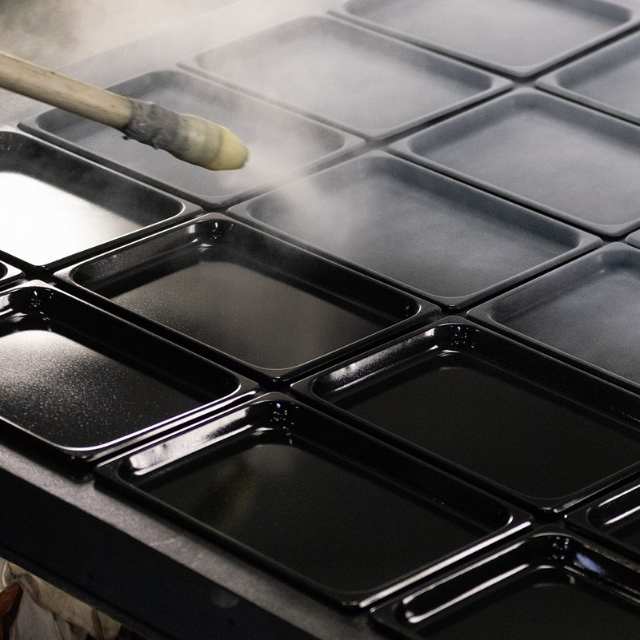
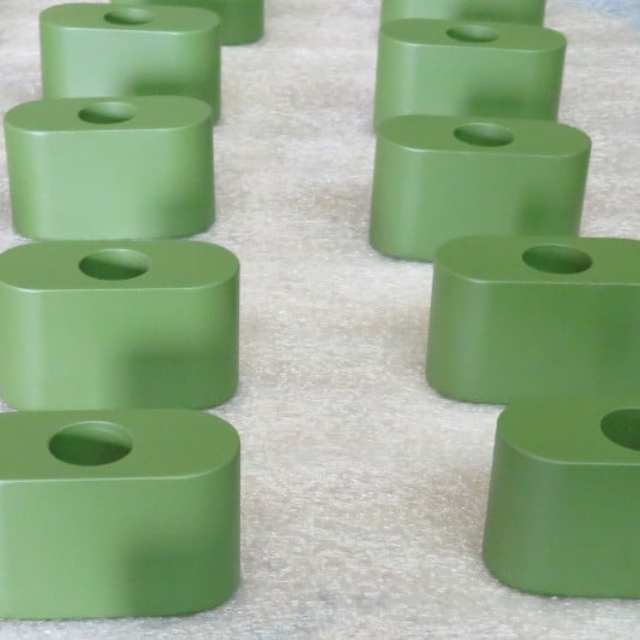
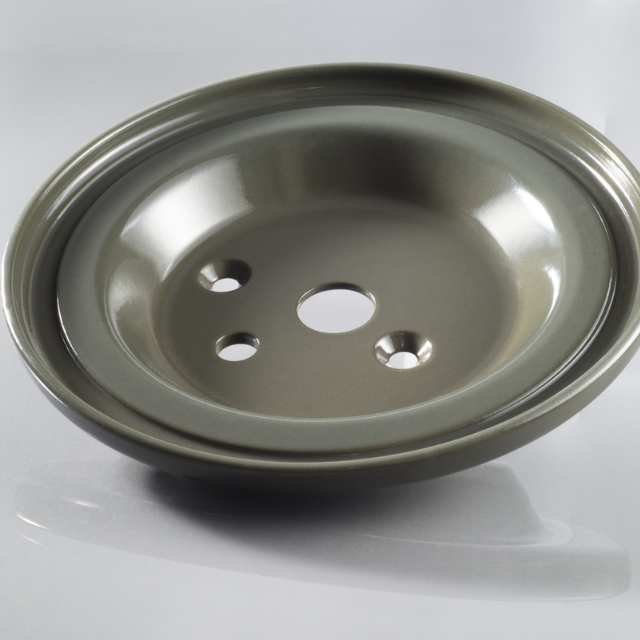
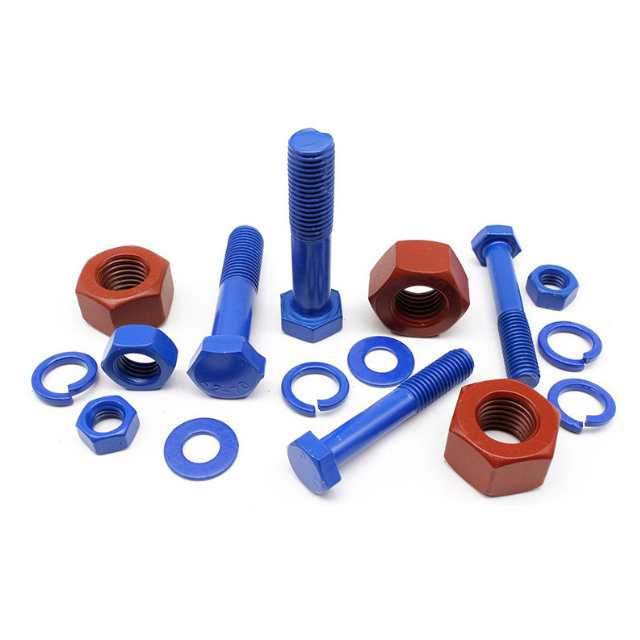
Perhaps the most well-known application is in cookware and kitchen appliances. PTFE-coated non-stick pans and bakeware have become kitchen staples, allowing for healthier cooking with less oil and easier cleaning. The coating’s heat resistance makes it perfect for these high-temperature cooking applications.
Beyond pans and bakeware, PTFE coatings are used in:
In industrial machinery and equipment, PTFE coatings are used extensively on components subject to friction, high temperatures, or corrosive environments. Applications include bearings, gears, slide plates, gaskets, valves, and various machine parts. The coating reduces friction, prevents wear, and extends the life of these components.
Specific industrial applications include:
The medical industry relies heavily on PTFE coatings for various devices and equipment. PTFE’s biocompatibility, chemical inertness, and superior resistance to sterilization processes make it ideal for catheters, surgical instruments, and implantable devices. The non-stick properties help prevent adhesion and facilitate smooth operation of medical devices.
Medical applications of PTFE coatings include:
In automotive and aerospace applications, PTFE coatings improve the performance of various components. From O-rings and seals to fuel system parts and bearings, these coatings help vehicles operate more efficiently and reliably under extreme conditions.
Key automotive and aerospace applications include:
The electronics industry uses PTFE coatings for wire insulation, printed circuit boards, and other components where electrical insulation and heat resistance are critical. Nearly 50% of all PTFE produced is used for wiring in aerospace and computer applications because of its excellent dielectric properties.
Electrical applications include:
Beyond the major categories above, PTFE coatings find use in numerous other applications:
The food processing industry particularly benefits from PTFE coatings due to their FDA approval for food contact. These coatings are used throughout food production facilities on:
The non-stick properties reduce food waste, while the easy-clean nature minimizes downtime for cleaning and reduces water and cleaning agent usage.
Like any material, PTFE coating has both advantages and limitations that should be considered when determining if it’s the right choice for a specific application.
PTFE coating is ideal for applications requiring non-stick properties, chemical resistance, and low friction. It’s particularly well-suited for food processing equipment, chemical storage, electrical applications, and mechanical parts with sliding action.
PTFE coating is an excellent choice in the following scenarios:
Alternative coatings to consider include ceramic coatings, which can withstand higher temperatures (up to 800°F/430°C) and are derived from natural minerals. Silicone coatings and sol-gel coatings are other options that may be more suitable for certain applications, depending on specific requirements.
Some common alternatives include:
When deciding whether PTFE coating is right for your application, consider these factors:
Cookware
PTFE excels for everyday cooking at low to medium temperatures. Consider ceramic for high-heat cooking or if you prefer metal utensils.
Industrial Machinery
PTFE is excellent for reducing friction and preventing corrosion. For high-wear applications, consider PTFE blended with reinforcing materials like glass fiber.
Electrical Components
PTFE’s excellent dielectric properties make it ideal for high-frequency applications. Few alternatives can match its performance in this area.
Chemical Processing
PTFE’s chemical inertness makes it one of the best choices for handling aggressive chemicals. Few alternatives can match its broad chemical resistance.
When it comes to safety, PTFE coatings have been the subject of both legitimate concerns and misconceptions. Understanding the facts helps users make informed decisions about using PTFE-coated products.
Modern PTFE coatings, particularly those manufactured after 2014, are generally considered safe for everyday use. The safety concerns that existed historically were primarily related to a chemical called PFOA (perfluorooctanoic acid) that was used in the manufacturing process of PTFE. PFOA was found to present several potential human health risks and has been linked to various health issues.
However, in response to these concerns, manufacturers in most major markets phased out PFOA around 2014 through the PFOA Stewardship Program. Today’s PTFE coatings are produced using alternative compounds that are considered safer. Regulatory agencies like the EPA in the United States and the EEA in Europe now consider properly manufactured PTFE coatings to be safe for their intended uses.
It’s important to note that PTFE itself is inert and non-toxic under normal use conditions. The potential health risks arise only when PTFE is heated to extremely high temperatures (above 500°F or 260°C), at which point it can begin to break down and release fumes that may cause temporary flu-like symptoms known as polymer fume fever.
Historically, the primary safety concern with PTFE coatings was not the PTFE itself, but a chemical called PFOA (perfluorooctanoic acid) that was used in the manufacturing process. PFOA has been linked to various health issues, including certain cancers, immune system effects, and developmental concerns.
In response to these concerns, the EPA launched the PFOA Stewardship Program in 2006, with major manufacturers committing to eliminate PFOA from their production processes by 2015. This goal was largely achieved, and today’s PTFE coatings are typically produced without PFOA.
Modern PTFE coatings manufactured without PFOA are generally considered safe for their intended uses. PTFE itself is inert and non-toxic under normal conditions. It does not react with the human body and is not absorbed if ingested in small amounts (such as if a small piece of coating flakes off into food).
The FDA has approved PTFE for food contact applications, confirming its safety for use in cookware and food processing equipment. Similarly, PTFE is approved for use in medical implants due to its biocompatibility.
The primary safety concern with PTFE in everyday use relates to temperature. When heated above approximately 500°F (260°C), PTFE begins to break down and can release particulates and gases that may cause temporary flu-like symptoms known as polymer fume fever.
It’s worth noting that normal cooking temperatures typically don’t exceed 400°F (204°C), so properly used PTFE-coated cookware doesn’t present this risk. However, an empty pan left on high heat could potentially reach these temperatures.
To use PTFE-coated products safely, particularly cookware, follow these simple guidelines:
PTFE coatings have received FDA approval for food contact applications due to their inert and non-toxic nature. They do not react with food or beverages, ensuring the safety and quality of the end product.
Similarly, the European Food Safety Authority (EFSA) has evaluated PTFE and found it safe for food contact applications when properly manufactured and used as intended.
Fiction: All Teflon and PTFE products contain PFOA
Fact: Modern PTFE coatings manufactured after 2015 typically do not contain PFOA, as manufacturers have phased out its use.
Fiction: PTFE cookware releases toxic chemicals during normal cooking
Fact: PTFE is stable and safe at normal cooking temperatures (below 500°F/260°C).
Fiction: Scratched PTFE cookware releases toxic particles into food
Fact: While scratches reduce non-stick performance, small particles of PTFE are inert and pass through the body without being absorbed.
Fiction: PTFE causes long-term health problems
Fact: PTFE itself is inert and not associated with long-term health issues when used as intended.
Proper maintenance and care of PTFE-coated surfaces can significantly extend their useful life and maintain their beneficial properties. Following these guidelines will help you get the most out of your PTFE-coated products.
Whether you’re using PTFE-coated cookware at home or maintaining industrial equipment with PTFE coatings, understanding the right care techniques is essential for preserving performance and longevity.
For PTFE-coated cookware, hand washing is recommended over dishwasher cleaning. Use soft sponges or cloths rather than abrasive scrubbers that might scratch the coating. Mild dish soap is sufficient for cleaning; avoid harsh detergents or cleaners. Always allow pans to cool before washing to prevent thermal shock that could damage the coating.
When using PTFE-coated cookware, use wooden, silicone, or plastic utensils instead of metal ones that could scratch the surface. Cook at low to medium heat settings, as extremely high temperatures can degrade the coating. Never leave empty pans on high heat, as this can cause the coating to overheat and potentially release harmful fumes.
For industrial applications, regular inspection of PTFE-coated components is essential to identify any signs of wear or damage before they lead to failure. Clean coated surfaces according to manufacturer recommendations, using compatible cleaning agents that won’t damage the coating.
Industrial maintenance considerations include:
Common mistakes to avoid when using and maintaining PTFE-coated products include:
To maximize the lifespan of PTFE-coated products, consider these additional tips:
With proper care, PTFE coatings can last for many years. However, it’s important to recognize when replacement is necessary:
Replacing worn PTFE-coated items is important not only for maintaining performance but also for safety, particularly in cookware applications.
The environmental aspects of PTFE coatings have evolved significantly over the years, with manufacturers making important strides toward more sustainable practices.
Understanding the environmental impact of PTFE coatings is essential for making informed decisions about their use, especially as sustainability becomes an increasingly important consideration in material selection.
Historically, the production of PTFE raised environmental concerns primarily due to the use of PFOA (perfluorooctanoic acid) in the manufacturing process. PFOA is persistent in the environment and has been linked to various health and environmental issues. However, since 2014, manufacturers in most major markets have phased out PFOA and replaced it with alternative compounds that are considered to have less environmental impact.
The environmental concerns associated with traditional PTFE manufacturing included:
Modern PTFE production processes have evolved to significantly reduce their environmental footprint. Manufacturers have implemented advanced technologies and improved production techniques that minimize waste, lower energy consumption, and reduce greenhouse gas emissions.
Key improvements in modern PTFE manufacturing include:
From a sustainability perspective, PTFE coatings offer several eco-friendly characteristics:
While recycling rates for fluoropolymers like PTFE have historically been low, research and development efforts are underway to improve their recyclability. Emerging recycling technologies have the potential to transform PTFE waste into valuable materials, further reducing their environmental impact.
Current approaches to PTFE recycling and waste management include:
The future of PTFE sustainability looks promising, with ongoing research and development focused on:
For consumers concerned about environmental impact, there are several ways to minimize the environmental footprint of PTFE-coated products:
Selecting the appropriate PTFE coating for your specific application requires careful consideration of various factors. With different formulations, application methods, and performance characteristics available, understanding how to choose the right PTFE coating is essential for achieving optimal results.
This guide will help you navigate the selection process and make an informed decision based on your unique requirements.
The first step in selecting the right PTFE coating is to clearly define your application requirements. Consider these key factors:
PTFE coatings are available in several different types, each with its own set of characteristics and optimal applications:
Pure PTFE coatings offer the highest level of non-stick performance and chemical resistance. They excel in applications where these properties are paramount, such as in food processing equipment and chemical storage containers. However, they typically have lower abrasion resistance compared to reinforced formulations.
PTFE can be blended with other fluoropolymers like FEP (Fluorinated Ethylene Propylene) or PFA (Perfluoroalkoxy) to create coatings with specific performance characteristics. These blends often offer improved adhesion to substrates, better film-forming properties, or enhanced durability.
Reinforced PTFE coatings incorporate additives like ceramic, glass fiber, carbon, or metal particles to enhance specific properties. These formulations typically offer improved wear resistance, hardness, and durability, making them suitable for applications involving mechanical stress or abrasion.
PTFE coatings can be applied as single-layer systems or multi-layer systems:
| Application | Recommended PTFE Type | Key Considerations |
|---|---|---|
| Cookware | Reinforced PTFE with ceramic or mineral additives | Abrasion resistance, food safety, heat distribution |
| Industrial Bearings | PTFE with carbon or graphite reinforcement | Low friction, wear resistance, load capacity |
| Chemical Processing | Pure PTFE or PFA blend | Chemical resistance, temperature stability |
| Electrical Components | Pure PTFE | Dielectric properties, temperature resistance |
| Medical Devices | Medical-grade PTFE (FDA compliant) | Biocompatibility, sterilization resistance |
| Food Processing | FDA-compliant PTFE | Food safety, ease of cleaning, durability |
| Automotive Parts | Reinforced PTFE with metal or ceramic | Wear resistance, temperature stability, fuel resistance |
When selecting a PTFE coating, it’s often beneficial to work directly with coating suppliers or applicators who can provide expert guidance based on your specific requirements. Consider these tips when working with suppliers:
Use this checklist to guide your PTFE coating selection process:
As we’ve explored throughout this guide, PTFE coating materials have revolutionized numerous industries with their unique combination of properties. From non-stick cookware to advanced aerospace components, PTFE coatings continue to play a vital role in enhancing product performance and durability.
Looking ahead, the field of PTFE coatings is poised for exciting developments as researchers and manufacturers continue to innovate and address emerging challenges. Let’s explore some of the key trends shaping the future of PTFE coating technology.
Several innovative developments are currently shaping the future of PTFE coatings:
Sustainability is becoming increasingly important in the development of PTFE coatings:
Different industries are driving specific advancements in PTFE coating technology:
In the medical field, PTFE coatings are evolving to meet the demands of advanced medical devices and procedures:
Transportation industries are leveraging advanced PTFE coatings to improve performance and efficiency:
In consumer applications, PTFE coatings are evolving to meet changing market demands:
The regulatory landscape for PTFE and other fluoropolymers continues to evolve:
As we look to the future of PTFE coating technology, several key points emerge:
PTFE coating materials have come a long way since their accidental discovery in 1938. From humble beginnings as a curious laboratory finding, they have evolved into sophisticated materials that play crucial roles in countless applications across virtually every industry.
As we’ve explored throughout this guide, PTFE coatings offer a remarkable combination of properties—non-stick performance, chemical resistance, temperature stability, and low friction—that make them uniquely valuable. While they do have limitations and face challenges, ongoing innovation continues to expand their capabilities and address concerns.
Whether you’re a manufacturer considering PTFE for your products, an engineer specifying coatings for a new design, or simply a curious consumer wondering about the science behind non-stick cookware, we hope this guide has provided valuable insights into the world of PTFE coating materials.
The future of PTFE coatings looks bright, with continued innovation promising even more impressive performance, greater sustainability, and new applications we have yet to imagine. As this technology continues to evolve, it will undoubtedly remain an important part of our material landscape for decades to come.
We will contact you within 1 working day, please pay attention to the email with the suffix “@peflon.com”.
We will contact you within 1 working day, please pay attention to the email with the suffix “@peflon.com”.

Automated page speed optimizations for fast site performance