
ETFE Resin — Powder, Pellet & Coating Supplier
Peflon supplies ETFE resin in pellet, powder and coating-powder form to buyers evaluating a documented second-source manufacturer — pellet grades from PF-601 to PF370 plus PF-620H and ETFE 406 powder grades in stock, with TDS, SDS and REACH/RoHS/SVHC documentation ready for review.
- Extrusion & injection pellets — wire & cable insulation, tubing, film and molded parts
- Coating & rotomolding powder — corrosion-resistant linings and custom-color coatings, raw material only
- PFOA-free, REACH/RoHS/SVHC documented — trial samples available before you commit
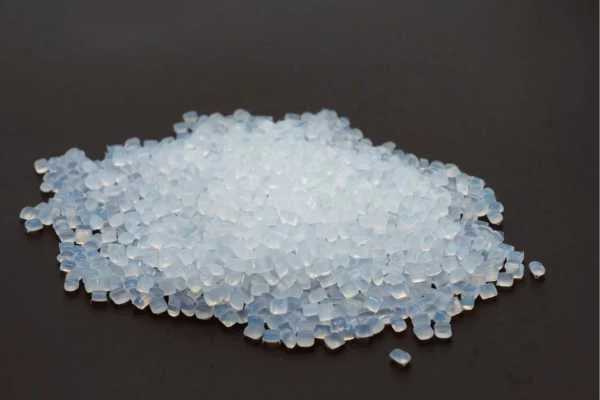
Melt-Processable Fluoropolymer Copolymer
Peflon ETFE is a 1:1 alternating copolymer of ethylene and tetrafluoroethylene (ETFE, CAS 25038-71-5), melt-processable on standard extrusion and injection equipment — unlike PTFE, which cannot be melt-processed. It combines high tensile strength, radiation resistance and light weight with the chemical and weather resistance typical of fluoropolymers, plus strong adhesion to metal surfaces.
If you’re evaluating a second source for an existing ETFE grade, share your current part or datasheet target — we’ll shortlist an equivalent Peflon grade with COA/SDS for faster internal approval.
With Peflon, you source ETFE material in pellet, powder and coating-powder forms, supported by COA/SDS for faster internal approval. See independent ETFE material properties for baseline data.
ETFE Properties
| ETFE Material Property | Typical Value / Range | Notes |
|---|---|---|
| Density | 1.73–1.85 g/cm³ | Grade-dependent, ASTM D792 / HG/T 2904 |
| Melting point | 220–265 °C | PF-616L/PF-620H/ETFE 406 lower (220–230 °C); PF-601/PF-660/PF370 higher (>240 °C) |
| Melt flow rate | 5–30 g/10 min | Grade-dependent — see Grade Selection below |
| Continuous use temperature | 150–180 °C | PF370 rated to 180 °C; other pellet grades 150 °C |
| Tensile strength | ≥25–45 MPa | ASTM D638 / HG/T 2904 |
| Elongation at break | ≥200–450 % | ASTM D638 / HG/T 2904 |
| Dynamic friction coefficient | 0.4 | GB/T 10006 |
| Volume resistivity | 10¹⁸ Ω·cm | ASTM D257 |
| Relative dielectric constant | 2.2–2.5 (10⁶ Hz) | ASTM D150 |
| Water absorption | ≤0.03 % | HG/T 2904-1997 |
ETFE Resin Forms
Choose the form that matches your process — clear pellets for extrusion/injection, or powder for electrostatic, dip and rotomolding coating.
ETFE Pellets
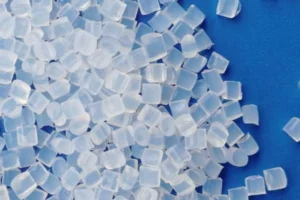
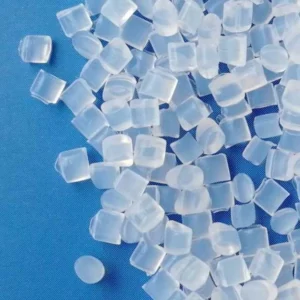
Clear granules for extrusion and injection molding — PF-601 (wire & cable), PF-616L (mechanical/impact), PF-660 (thin-wall extrusion) and PF370 (transparent, semiconductor-grade).
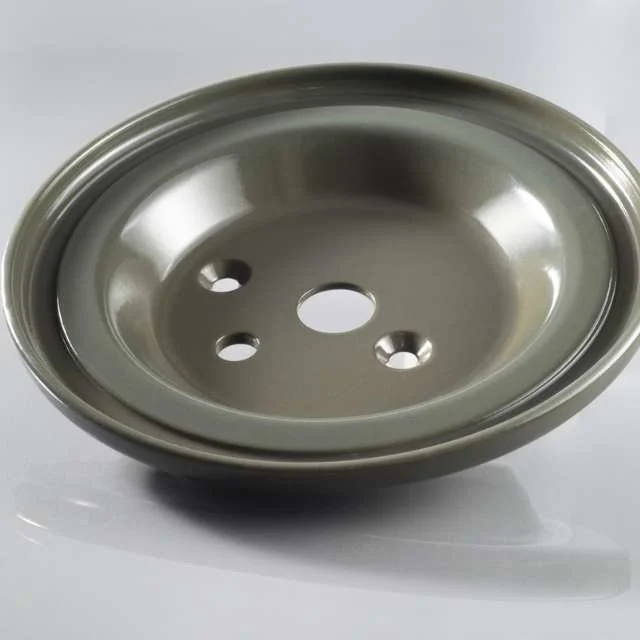
ETFE Coating Powder
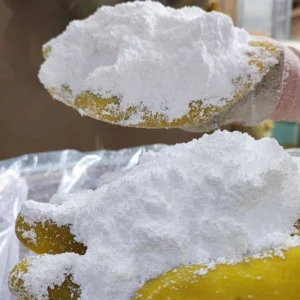
Surface-coating and rotomolding powder — PF-620H (100–1,000 μm electrostatic/antistatic coating) and ETFE 406 (2,000–8,000 μm rotomolding); color-matched 4051/405 series available on request.
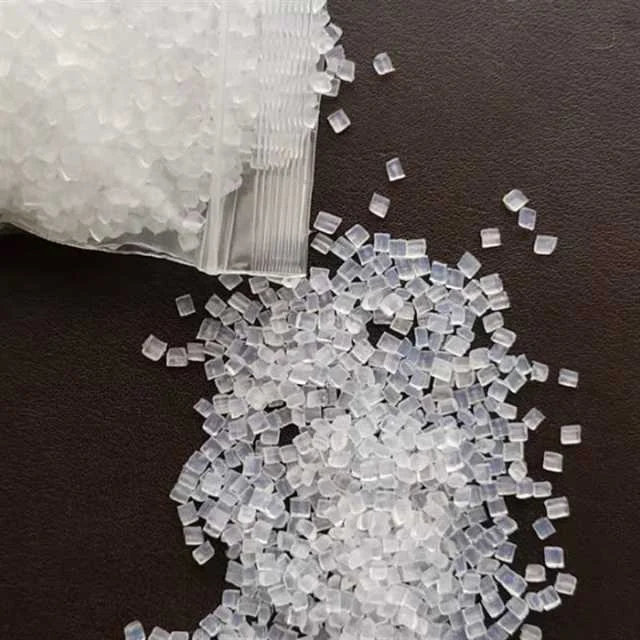
Custom Color & OEM Packaging
Any-color customization plus OEM bag/carton labeling for bulk contracts — 25 kg bags (pellet) and 10–20 kg bag/carton (powder).
All Grades of Peflon ETFE Resin
Six ETFE grades cover melt-flow rates from 5 to 30 g/10 min across pellet and powder forms, matched by feature and application below. Grade codes link to the datasheet (PDF).
| Grade | Form | MFR (g/10 min) | Melting Point | Feature | Application |
|---|---|---|---|---|---|
| PF-601 | Pellet | 12–20 | 265±10 °C | High melt index, excellent extrusion processability | Wire & cable insulation extrusion |
| PF-616L | Pellet | 5.1–15.0 | 220–230 °C | High tensile/impact strength — no-break Izod | General mechanical & injection-molded parts |
| PF-660 | Pellet | ≥25 | >240 °C | High flow, suited to thin-wall extrusion | Thin-layer wire insulation |
| PF370 | Pellet | ≤10 | >240 °C | Transparent; SGS/RoHS/REACH/SVHC certified | Semiconductor, automotive, chemical, cable, film |
| PF-620H | Powder | 15–20 | 220–230 °C | 40–90 μm average particle size, antistatic surface coating | Electrostatic / antistatic coating, 100–1,000 μm |
| ETFE 406 | Powder | 20–30 | 220–230 °C | 200–500 μm average particle size, rotomolding grade | Rotomolding linings & pure-color coating, 2,000–8,000 μm |
Color-matched thin-coating (ETFE 4051 series, 100–500 μm) and thick-coating (ETFE 405 series, 500–1,000 μm) powder variants are also available on request.
Applications of Peflon ETFE
Widely used in oil & gas, medical, food, new energy, construction and water treatment — electrical sleeving, coil forms, sockets, connectors, switches, fuel hoses and more.
Where the layer has to bond directly to a PE, PP or TPE structural layer, or laminate at a lower temperature than ETFE can be processed at, THV is the fluoropolymer to compare against — ETFE keeps the mechanical strength, abrasion resistance and higher service temperature, THV keeps the bonding and the low melt window.
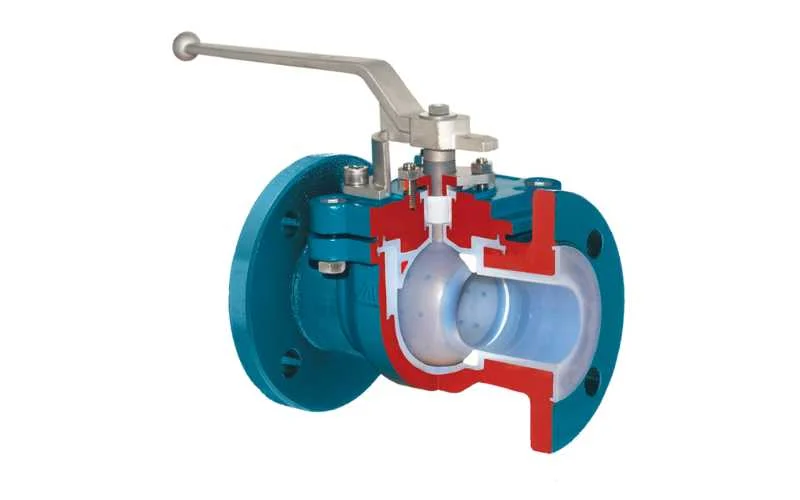
ETFE Valves
Valve bodies and linings for aggressive chemical and fluid service.
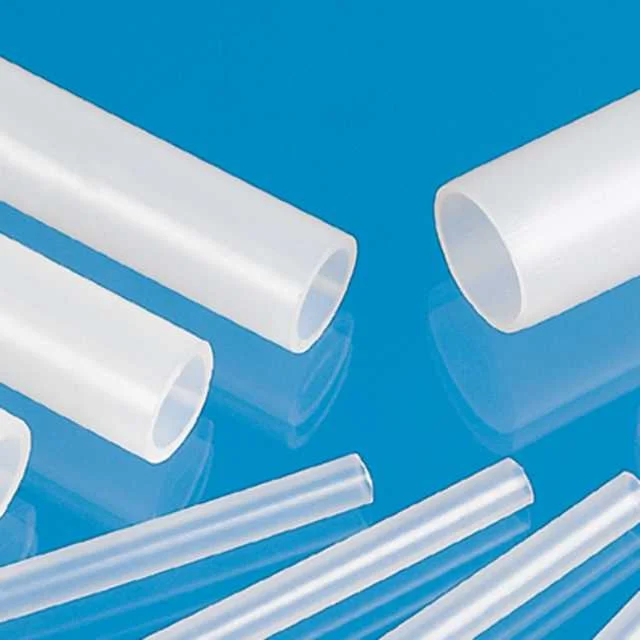
Tubing & Pipe
Chemically resistant tubing and pipe for fuel, hydraulic and process lines.
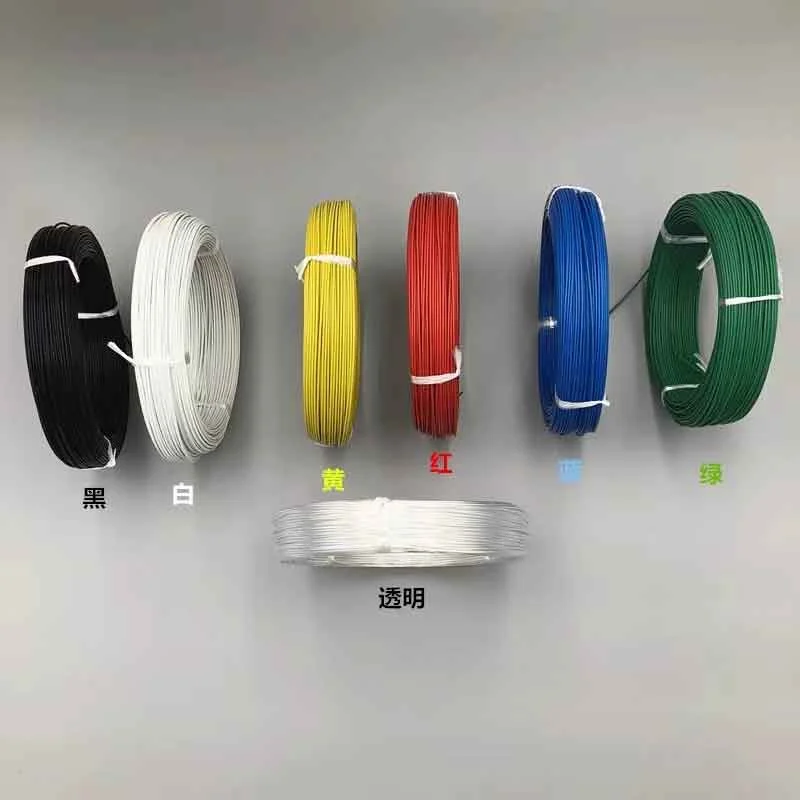
Wire & Cable
Thin-wall insulation and sleeving with strong dielectric and thermal performance.
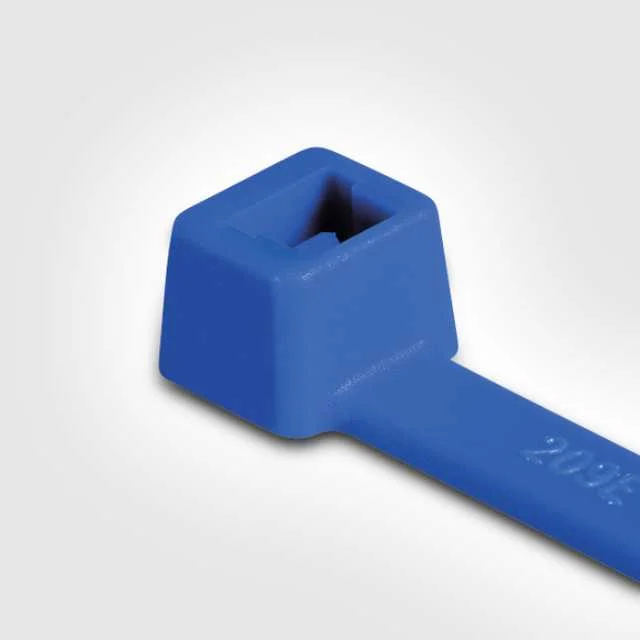
Cable Straps
Durable cable straps and ties for high-temperature, chemical environments.
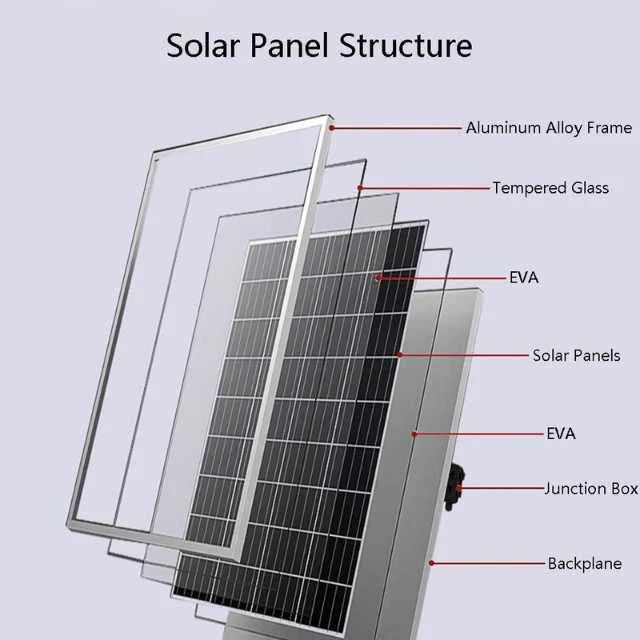
Films
High-transmission architectural foil, solar back-sheet and release film.
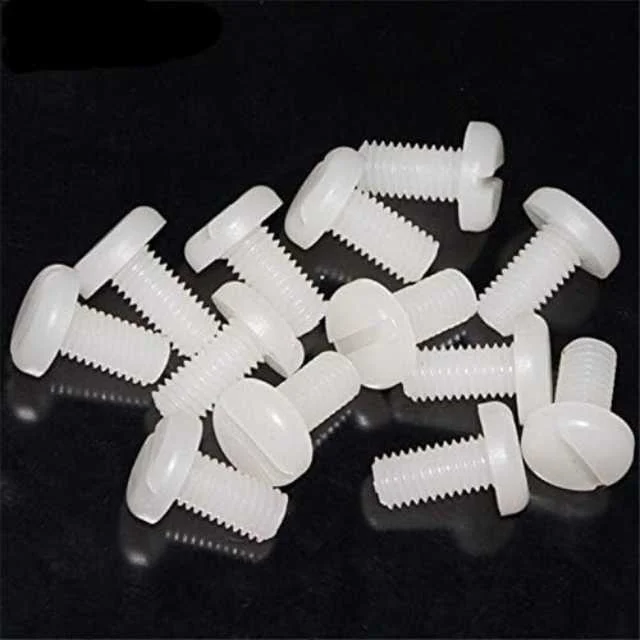
Injection-Molded Parts
Sockets, connectors, switches and precision molded components.
How Processors Convert Peflon ETFE Into Parts
Peflon ETFE pellet and powder grades support three primary conversion routes, each matched to a specific grade and property profile.
Extrusion
Processors extrude PF-601 and PF-660 pellets into wire & cable insulation, tubing and film at 320–370 °C nozzle temperatures on standard equipment — no PTFE-style ram extrusion required.
Injection Molding
Processors injection-mold PF-616L and PF370 pellets into connectors, valve components and precision parts; L/D ratio 22:1–25:1 recommended, resin dried at 120 °C for 2 hours before processing.
Powder Coating & Rotomolding
Processors apply PF-620H by electrostatic spray or fluidized-bed dipping for 100–1,000 μm coatings, and ETFE 406 by rotomolding for 2,000–8,000 μm linings — Peflon supplies the raw powder only and does not provide coating application services.
ETFE Chemical Compatibility
ETFE resists nearly all industrial acids, bases, oxidizers and organic solvents across its full service-temperature range — broadly matching PTFE and FEP while offering higher mechanical strength. The exceptions below are the cases worth flagging before you finalize a spec.
| Chemical / Class | Resistance | Notes |
|---|---|---|
| Strong mineral acids (sulfuric, hydrochloric, nitric, hydrofluoric) | Excellent | Resistant across full concentration range at service temperature |
| Strong bases (sodium hydroxide, potassium hydroxide) | Excellent | No significant attack under normal service conditions |
| Common organic solvents (acetone, toluene, alcohols) | Excellent | Low permeation, minimal swelling |
| Chlorinated solvents | Excellent | No measurable tensile-strength reduction in typical service |
| Hot concentrated amines | Limited | Known exception — can attack ETFE at elevated temperature |
| Molten alkali metals | Not recommended | Known exception at any temperature |
| Elemental fluorine / strong oxidizing gases at high temperature | Not recommended above ~300 °C | Known exception at elevated temperature |
For uncommon media not listed here, share the chemical, concentration and service temperature with Peflon’s technical team for a grade-specific recommendation.
Why Buyers Choose Peflon ETFE
Six documented grades, second-source qualification support and fast turnaround — the decision chain buyers actually work through.
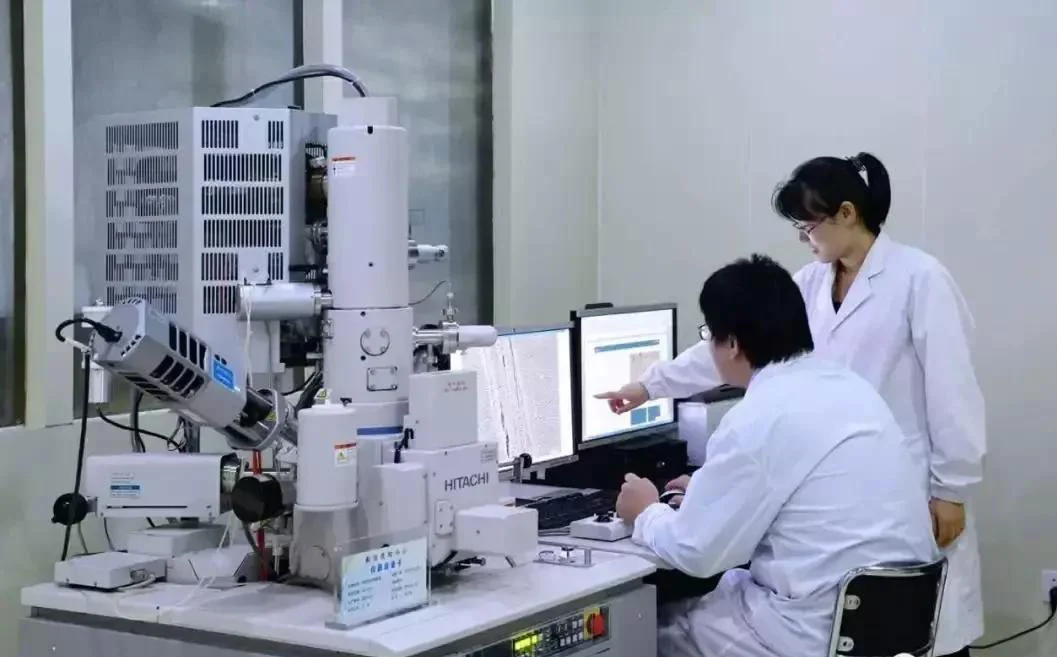
Documented Grade Range
- Six ETFE grades on file — PF-601 through PF370 pellets, plus PF-620H and ETFE 406 powder — each with TDS/COA for faster internal approval.
- Per-batch COA confirms consistent MFR and melting point, so every shipment matches the grade you qualified.
- Custom color matching and OEM bag/carton labeling available for bulk contracts.
Second-Source Ready
- Share your current ETFE grade or datasheet target — we’ll match melt flow rate and mechanical properties to shortlist an equivalent Peflon grade.
- No spec re-engineering required — pellet and powder forms cover extrusion, injection, coating and rotomolding processes.
- Trial samples ship with TDS before you commit to a bulk order.
PFOA-Free, REACH/RoHS/SVHC Documented
- Produced without PFOA; PF370 carries SGS, RoHS, REACH and SVHC certification, with equivalent documentation available across the range.
- Per-batch COA available on request for import compliance and customer audits.
- Supports global market entry across EU, US and Asia-Pacific regulatory frameworks.
Fast Sample & TDS Turnaround
- We respond within 24 hours with a grade recommendation, TDS and sample lead time.
- 25 kg bags (pellet) and 10–20 kg bag/carton (powder) ship from stock for standard grades.
- Direct access to Peflon’s materials engineering team for processing-temperature and grade-selection questions.
ETFE Resin — Frequently Asked Questions
How is ETFE different from PTFE and FEP?
ETFE is a melt-processable ethylene-tetrafluoroethylene copolymer that is tougher, lighter and more abrasion- and radiation-resistant than PTFE, with higher tensile strength. Unlike PTFE it runs on standard extrusion and injection equipment, and it offers higher mechanical strength than FEP while keeping excellent chemical and weather resistance.
What forms does Peflon ETFE come in?
Pellet, powder and coating-powder grades — six standard grades from PF-601 to ETFE 406, customizable to virtually any color. Pellets suit extrusion and injection molding; powder grades suit electrostatic spray, fluidized-bed dipping and rotomolding.
What is the service temperature range of ETFE?
Peflon ETFE performs continuously from about −200 °C up to 150–180 °C depending on grade (PF370 rated highest at 180 °C), keeping mechanical strength, flexibility and dielectric performance across that range.
How is ETFE processed?
ETFE is melt-processable by extrusion (wire, tube, film), injection molding (connectors, valves) and powder coating or rotomolding. Typical injection barrel temperatures run 280–370 °C — much easier to process than PTFE, which is not melt-processable.
Is ETFE suitable for outdoor and architectural use?
Yes. ETFE offers about 20-year weathering capability, high light transmission and a self-cleaning surface, which is why ETFE foil is used for stadium roofs, façades and greenhouses as well as solar back-sheets.
Is Peflon ETFE PFOA-free and compliant?
Yes — Peflon ETFE is produced without PFOA, and PF370 carries SGS, RoHS, REACH and SVHC certification; equivalent documentation and per-batch COA are available on request for the full grade range.
Does Peflon apply ETFE coatings for me?
No. Peflon supplies ETFE coating powder and pellets as raw material only — we do not offer spraying, dipping or rotomolding application services. Our team can recommend the right grade for your applicator to process.
Related Fluoropolymers to ETFE Resin
PTFE Dispersion
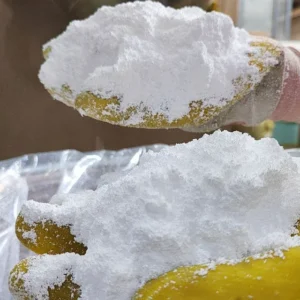
Need aqueous dispersion for impregnation, coating or battery-binder use instead of melt-processable resin? Peflon supplies PTFE dispersion.
PTFE Molding Powder
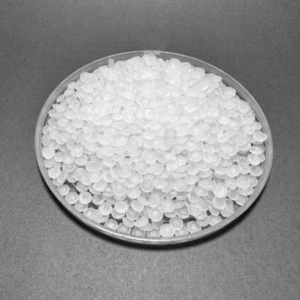
Need a non-melt-processable fluoropolymer for compression-molded tube, rod and sheet? Peflon supplies PTFE molding powder.
PFA Material Supplier | Peflon
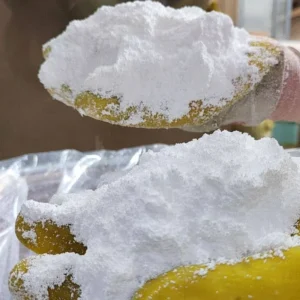
Need a higher 260 °C continuous-use ceiling with PTFE-level chemical resistance? Peflon supplies PFA resin.
PTFE Fine Powder
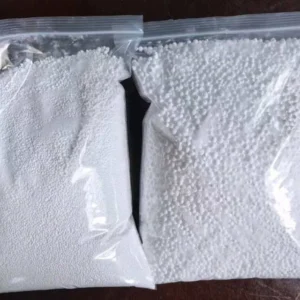
Need paste-extrudable PTFE for tape, tubing and wire wrap? Peflon supplies PTFE fine powder.
PCTFE
Need near-zero gas permeability for cryogenic seals and barrier film? Peflon supplies PCTFE.
FEP
Need full transparency and easier processing at a 200 °C service ceiling? Peflon supplies FEP resin, powder and dispersion.
Technical Support of ETFE Resin
Choosing and processing ETFE resin raises real engineering questions — form and color selection, service temperature, extrusion and molding. Our technical library shares practical, hands-on guidance from the Peflon materials team.
What Are Fluoropolymers? What Are Their Importance and Applications
New to fluoropolymers? See how ETFE compares to PTFE, FEP and PFA on properties, processing and typical applications.
Infographic: Types of Fluoropolymers Raw Material
A quick visual reference for the fluoropolymer family — where ETFE fits alongside PTFE, FEP and PFA by form and performance.
PTFE VS PFA
Comparing melt-processable fluoropolymers? This breaks down PTFE vs. PFA — useful context if you’re also weighing ETFE against either.
Get an ETFE Grade Match & Sample
Share your current grade, datasheet target or application — our engineers will shortlist an equivalent Peflon ETFE grade, send the TDS and reply within 24 hours.