
Modified PTFE Powder Supplier & Manufacturer — Glass, Carbon, Graphite, Bronze & More
Peflon has custom-formulated modified (filled) PTFE since 2008. Every formulation is rigorously tested, passes REACH and complies with EU regulations.
- 12 filler systems, custom loadings and combinations available
- REACH compliant and EU-ready, per-batch testing
- Free samples, free TDS and technical support with a 24-hour reply

What is Modified PTFE?
Peflon modified PTFE changes the structure or performance of conventional polytetrafluoroethylene (PTFE, CAS 9002-84-0) by physical or chemical means to enhance its characteristics for more demanding applications. By adding fillers to conventional PTFE, the resulting material keeps excellent high-temperature resistance, chemical resistance, a low coefficient of friction and self-lubrication. Fillers such as glass, carbon, graphite, bronze and MoS₂ raise wear resistance, reduce creep (cold flow) and can add electrical conductivity.
Three modification routes are used: physical modification (filled PTFE powder — adding filler materials, covered on this page), surface modification (surface treatment to improve adhesion in coatings and composites), and chemical modification (altering the molecular structure, including copolymerizing with PFA and FEP). Test methods for the filled grades below follow ASTM standards (D638, D792, D2240 and others).
Modified PTFE Properties
| Property | Typical Value | Test Method |
|---|---|---|
| Bulk density | 800–890 g/l | — |
| Specific gravity | 2.15–2.19 g/cm³ | — |
| Shrinkage | 2.5–3.5% | — |
| Tensile strength | ≥ 28 MPa (virgin free-flow base resin) | ASTM D4894 |
| Elongation at break | ≥ 350% | ASTM D4894 |
| Hardness | 54–60 Shore D | ASTM D2240 |
| Recommended moulding pressure | 350–420 kg/cm² | — |
| Maximum sintering temperature | 380°C | — |
Values above are for the virgin free-flow base resin (FF-V/YS-V grades) before filler loading; filled-grade properties vary by filler type and content — see Grade Selection below for filler-specific behaviour. Values are typical and not to be construed as specification limits.
Types of Modified PTFE Powder
Twelve filler systems, each tuned to a different property — match the loading and form (NFF/FF/E) to your wear, friction, conductivity or strength target, or send your duty conditions and we’ll recommend a grade.

Glass Filled PTFE
- Formula: 15%, 20% or 25% glass fibre
- Key benefit: cuts creep, raises wear resistance and dimensional stability
- Application: ball/butterfly valve seats, pump liners, static gasket seals

Carbon Filled PTFE
- Formula: 10% carbon fibre (base)
- Key benefit: adds strength, wear resistance and thermal conductivity
- Application: high-pressure dynamic seals, oil-free compressor piston rings
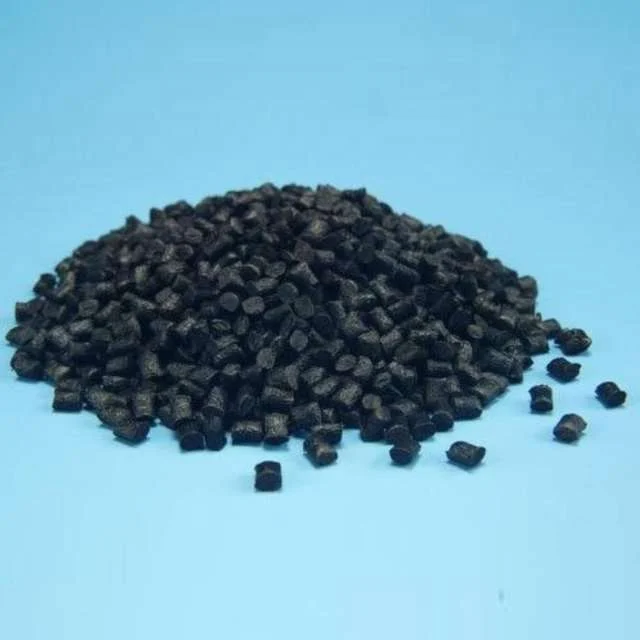
Graphite Filled PTFE
- Formula: 15% graphite
- Key benefit: lowest friction, most self-lubricating filler
- Application: hydraulic/pneumatic seals, rotary seals

Bronze Modified PTFE
- Formula: 30%, 40% or 60% bronze powder
- Key benefit: maximizes wear resistance and thermal/electrical conductivity
- Application: heavy-load bearings, guide parts

MoS₂ Modified PTFE
- Formula: 15% glass fibre + 5% MoS₂ combo (15GF5M)
- Key benefit: lowers friction, improves start-stop stick-slip
- Application: low-speed heavy-load bearings, dry-running duty

POB Modified PTFE
- Formula: 15% POB (Ekonol)
- Key benefit: self-lubricating with good fatigue resistance
- Application: demanding wear service without damaging the mating surface

PEEK Modified PTFE
- Formula: 15% PEEK
- Key benefit: raises mechanical strength and load capacity
- Application: high-load parts needing self-lubricity and temperature resistance

PI Modified PTFE
- Formula: custom polyimide loading
- Key benefit: improves mechanical strength and thermal stability
- Application: tailored formulations — contact us with your duty conditions

PPS Modified PTFE
- Formula: custom PPS loading
- Key benefit: adds heat stability and chemical resistance
- Application: tailored formulations — contact us with your duty conditions
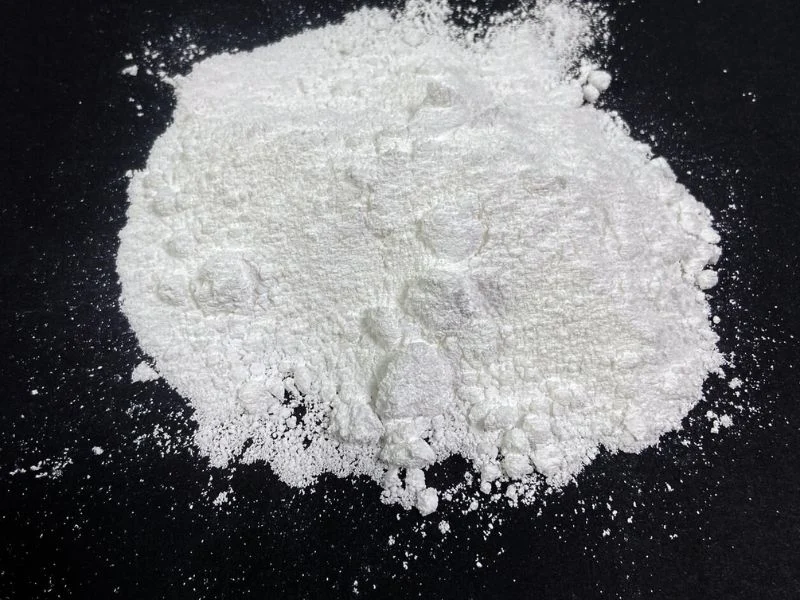
Alumina (Al₂O₃) Filled PTFE
- Formula: 7% or 15% alumina
- Key benefit: high-voltage insulation and wear resistance
- Application: water/seawater-lubricated bearings, high-frequency PCB substrate
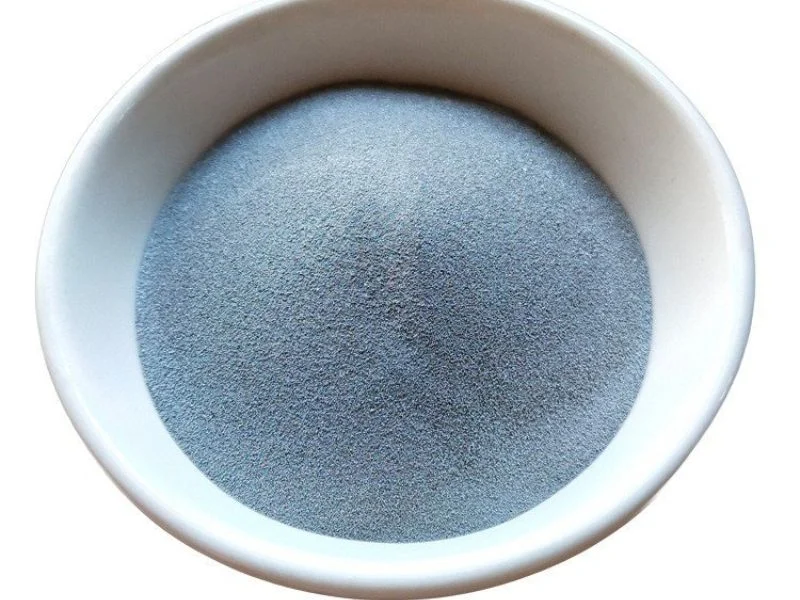
Stainless Steel Filled PTFE
- Formula: 25% or 50% stainless steel powder
- Key benefit: high dielectric strength and thermal conductivity
- Application: high-temperature steam service, heavy-duty bearing wear parts
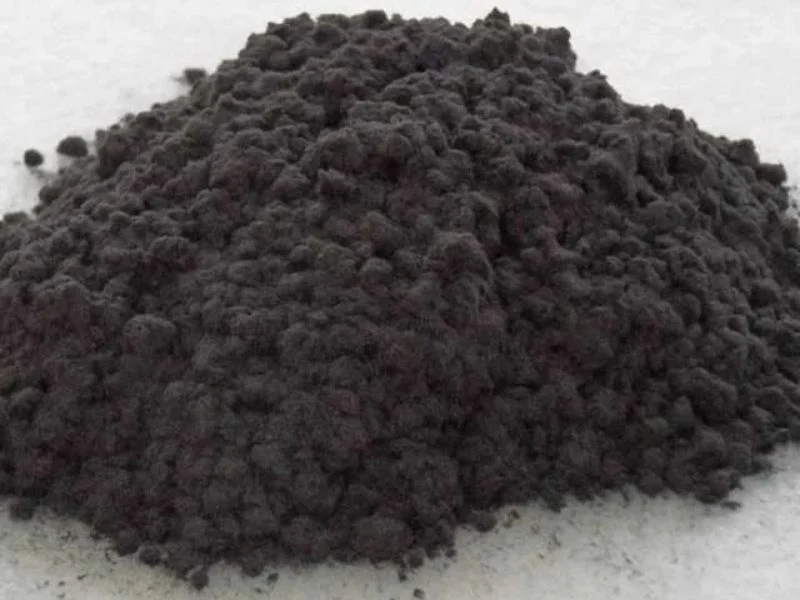
Coke Powder Filled PTFE
- Formula: 15% or 20% coke powder
- Key benefit: low creep, high wear resistance and high PV value
- Application: a cost-effective alternative to carbon fibre
Modified PTFE Grade List
Grade suffix: NFF = non-free-flow powder (pre-form-and-sinter moulding) · FF = free-flow powder (continuous feeding) · E = pre-sintered powder (ram extrusion). Filler contents are nominal; custom loadings and combinations are available on request.
| Filler | Non-Free-Flow | Free-Flow | Pre-Sintered | Content (wt%) |
|---|---|---|---|---|
| Glass Fibre | 15GF-NFF / 20GF-NFF / 25GF-NFF | 15GF-FF / 20GF-FF / 25GF-FF | 15GF-E / 20GF-E / 25GF-E | 15 / 20 / 25 |
| Glass Fibre + MoS₂ | 15GF5M-NFF | 15GF5M-FF | — | 15 + 5 |
| Bronze | 30BR-NFF / 40BR-NFF / 60BR-NFF | 30BR-FF / 40BR-FF / 60BR-FF | 30BR-E / 40BR-E / 60BR-E | 30 / 40 / 60 |
| Coke Powder | 15CAR-NFF / 25CAR-NFF | 15CAR-FF / 25CAR-FF | 15CAR-E / 25CAR-E | 15 / 20 |
| Graphite | 15GR-NFF | 15GR-FF | 15GR-E | 15 |
| Glass Fibre + Graphite | 15GF5GR-NFF | 15GF5GR-FF | 15GF5GR-E | 15 + 5 |
| Carbon Fibre | 10CF-NFF / 15CF-NFF | 10CF-FF / 15CF-FF | — | 10 / 15 |
| Alumina (Al₂O₃) | 7AL-NFF / 15AL-NFF | 7AL-FF / 15AL-FF | 7AL-E / 15AL-E | 7 / 15 |
| Stainless Steel Powder | 25STST-NFF / 50STST-NFF | 25STST-FF / 50STST-FF | 25STST-E / 50STST-E | 25 / 50 |
| PEEK | 15PK-NFF | 15PK-FF | — | 15 |
| POB (Ekonol) | 15EK-NFF | 15EK-FF | — | 15 |
PI and PPS modified PTFE grades are custom formulations without a standard catalogue grade code — contact Peflon with your duty conditions for a tailored recommendation.
Modified PTFE Applications
Real search and filler-compatibility data, not a generic form/shape list — each card below is grounded in either verified search demand (GSC/Google Ads) or Peflon’s own filler-selection guidance.
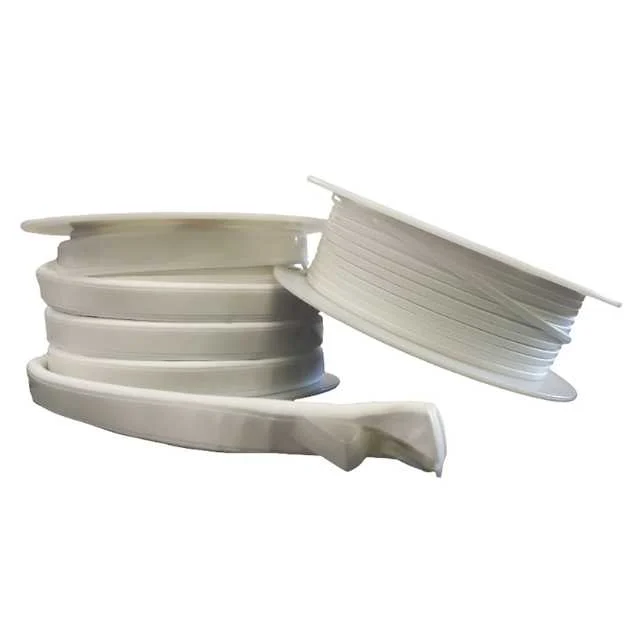
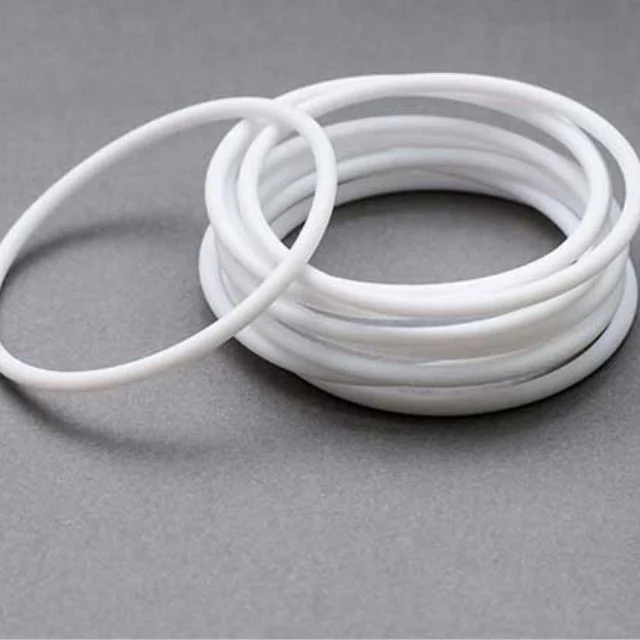
Seals & O-Rings
- Real demand: “ptfe seals” is a 1,000/mo search term (kp.py, HIGH competition) — the single biggest end-use for filled PTFE
- Fillers used: glass fibre, graphite and carbon powder — static gasket seals, pump & valve seals, hydraulic/pneumatic seals
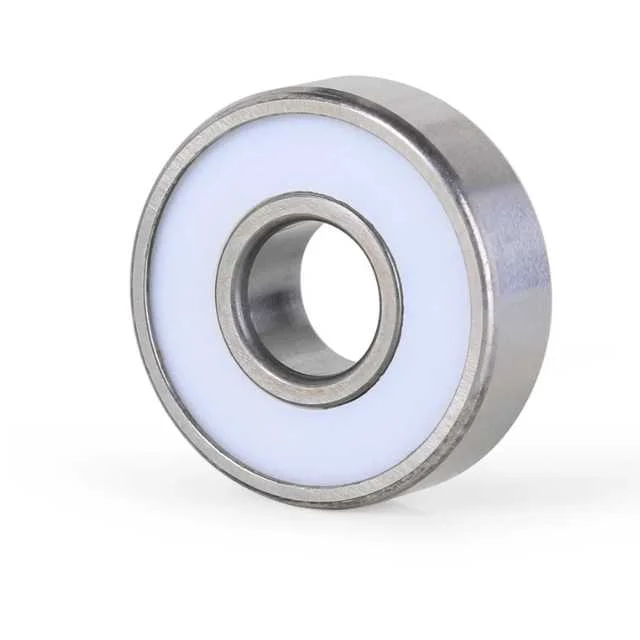
Bearings & Bushings
- Real demand: “ptfe bearings” is a 390/mo search term (kp.py, MEDIUM competition)
- Fillers used: bronze, carbon+graphite blend and MoS₂ — heavy-duty bearings, hydraulic guide parts, low-speed dry-running bushings
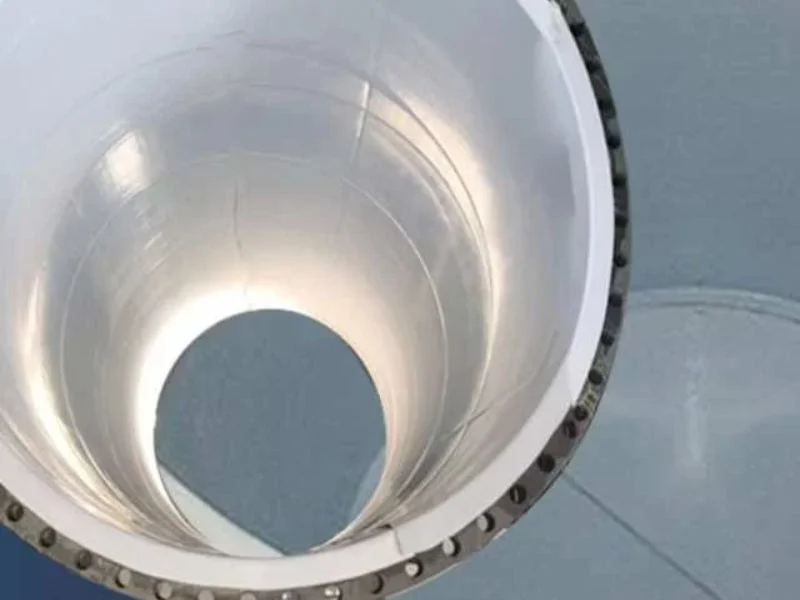
Valve Seats & Chemical Linings
- Real demand: “modified ptfe lining” (71 GSC impressions) and “ptfe lining” (50/mo, kp.py)
- Fillers used: glass fibre and stainless steel powder — ball/butterfly valve seats, high-temperature steam and heavy-load valve linings
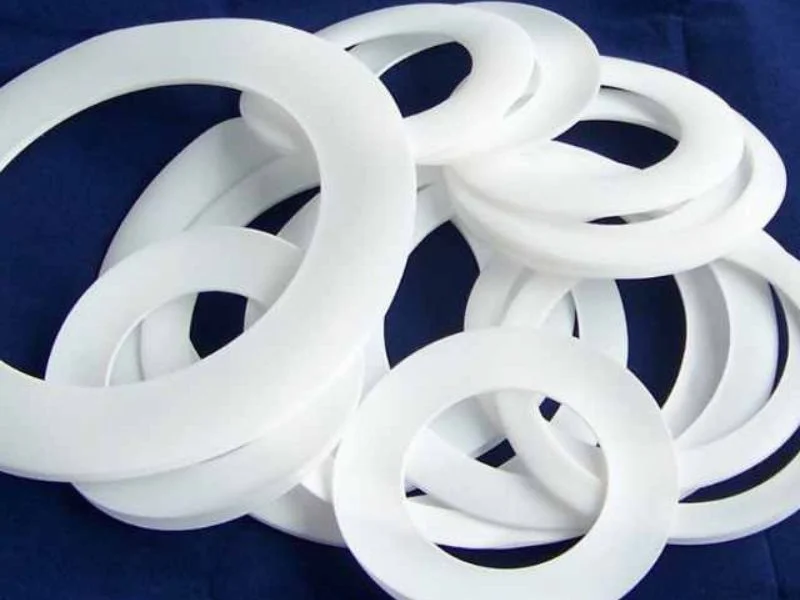
Chemical & Petrochemical Parts
- Real demand: “ptfe parts for chemical and petrochemical industry” (68 GSC impressions)
- Fillers used: carbon powder and graphite — antistatic/conductive parts, anti-extrusion seals for corrosive process equipment
Compressor Piston Rings
- Recurring real application across three filler systems in Peflon’s own filler-selection data
- Fillers used: carbon fibre, carbon+graphite blend and bronze — oil-free compressor piston rings and dynamic seals
Cables & Electrical Insulation
- Fillers used: stainless steel powder and alumina (Al₂O₃) — high dielectric strength, high-voltage insulation
- Typical parts: cable insulation, high-frequency PCB substrate, connector components
PTFE Filler Selection Guide
PTFE Filler Selection Master Table
| Filler Type | Core Ratio | Compatible Product Line | Core Performance Enhancement | Key Points to Note |
|---|---|---|---|---|
| Glass fibre | 15%, 25% glass fibre | Ball/butterfly valve seats, pump & valve liners, back-up rings, static gasket seals | Creep resistance, compressive strength, dimensional stability, wear resistance | Abrasive — may score the mating part; not resistant to hydrofluoric acid or strong alkali |
| Carbon fibre | 10% carbon fibre (base) | High-pressure dynamic seals, oil-free compressor piston rings, bearing slide parts | High strength, wear resistance, lubricity — pair with graphite/MoS₂ for low friction, thermal conductivity, low permeation | Reinforces structure rather than creep resistance |
| Carbon powder | 25% carbon powder | Pump & valve seals, antistatic/conductive parts, high-pressure anti-extrusion seals | Wear and creep resistance, thermal and electrical conductivity, antistatic | Self-lubricity of plain carbon is moderate — commonly compounded with graphite/MoS₂ |
| Graphite | 15% graphite (base) | Hydraulic/pneumatic seals, soft-faced valves, rotary seals | Low friction, excellent self-lubrication, gentle on the mating face | Low load-bearing capacity — needs a structural filler compounded in |
| Carbon + graphite blend | Carbon/graphite blend | Plain bearings, compressor piston rings, general dynamic & static seals | Balanced wear resistance and low friction, anti-extrusion | Highly versatile — suits dry, wet and poorly lubricated duties |
| Bronze powder | 40%, 60% bronze | Heavy-duty bearings, hydraulic guide parts, compressor piston rings | High load capacity, high wear resistance, high thermal and electrical conductivity | Poor chemical resistance — avoid strongly corrosive or oxidising media |
| MoS₂ | Up to 5% (synergistic) | Low-speed heavy-load bearings, seal rings, vacuum/dry-running duty | Solid lubrication, lower friction, improved start-stop stick-slip | Lubricating effect is sensitive to temperature, humidity and oxidation |
| Ceramic (Al₂O₃/SiC) | Hard ceramic particles | Water/seawater lubricated bearings, high-wear liners, high-frequency PCB substrate | Wear resistance, resistance to abrasive-particle wear, low dielectric loss, thermal conductivity | Abrasive to the mating part — demanding on tribo-pair design |
| Stainless steel powder | Metal powder filled | High-temperature steam/high-load valve seats, heavy-duty bearing wear parts | High strength, cold-flow resistance, wear resistance, thermal and electrical conductivity | High density and harder to machine — media compatibility testing required |
Recommended Filler by Application Scenario
| Application Scenario | Recommended Filling Solution |
|---|---|
| General valve seats (creep and deformation resistance) | Glass fibre filled |
| Low-friction hydraulic/pneumatic seals | Graphite; carbon + graphite |
| Oil-free compressors, dynamic seals | Carbon fibre; carbon + graphite |
| Heavy-load, high-PV bearings and guide parts | Bronze filled |
| Water/seawater lubricated bearings | Ceramic (Al₂O₃/SiC) |
| High-temperature steam, extreme-load seals | Stainless steel powder filled |
| Improved start-stop friction/anti stick-slip | Glass fibre + MoS₂ |
PTFE Resin System Quick Selection: Granules vs. Pre-Sintered Powder
| Selection Dimension | Granules (Die-Moulding Powder) | Pre-Sintered Powder (Extrusion Powder) |
|---|---|---|
| Preferred process | Cold pre-forming + sintering | Ram/plunger extrusion |
| Filler loading | 5–40 wt% (typical) | Medium to high loading |
| Typical products | Sheet, rod and tube blanks, valve seats, seals, gaskets, liners | Extruded rod and tube, continuous simple profiles |
| Core strength | Stable mould filling; suits heavy walls and machining | Good flow, resists caking, continuous feeding |
| Key risk | Filler may abrade the mating face | Virgin grade must be separated from recycled powder |
Filler Content, Benefits & Limitations Quick Reference
| Filler Type | Typical Content (wt%) | Core Benefits | Key Limitations |
|---|---|---|---|
| Glass fibre | ≤ 25–40 | Wear resistance, cold-flow resistance | Abrades the mating face; grey core in thick sections |
| Soft carbon | < 25–33 | Wear resistance, thermal conductivity, electrically conductive from 15% | Not resistant to strong oxidation; tends to embrittle |
| Graphite | ≤ 5–20 | Low friction, lubrication | Not resistant to strong oxidation; high loading shifts toward thermal conduction |
| Carbon fibre | ≤ 15 | Wear resistance, protects the mating face, suits water lubrication | Not resistant to strong oxidation |
| Molybdenum disulphide | ≤ 5–10 | Reduced friction | Not resistant to oxidising acids; decomposes at high temperature |
| Bronze/stainless steel | ≤ 60 | High wear resistance, high thermal conductivity, cold-flow resistance | Limited by abrasiveness and chemical compatibility |
Three practical rules from Peflon’s formulation guidance: (1) pick the resin form by process route — granular/die-moulding powder for pre-form-and-sinter parts, pre-sintered powder for continuous ram extrusion; (2) pick the filler by loading level — medium-to-high loadings favour granular or pre-sintered powder, while heavily metal-filled compounds generally run on ram-extrusion systems; (3) always verify pre-sintered powder is virgin extrusion-grade, not reprocessed recycled powder, for demanding applications.
How Processors Mold Filled PTFE
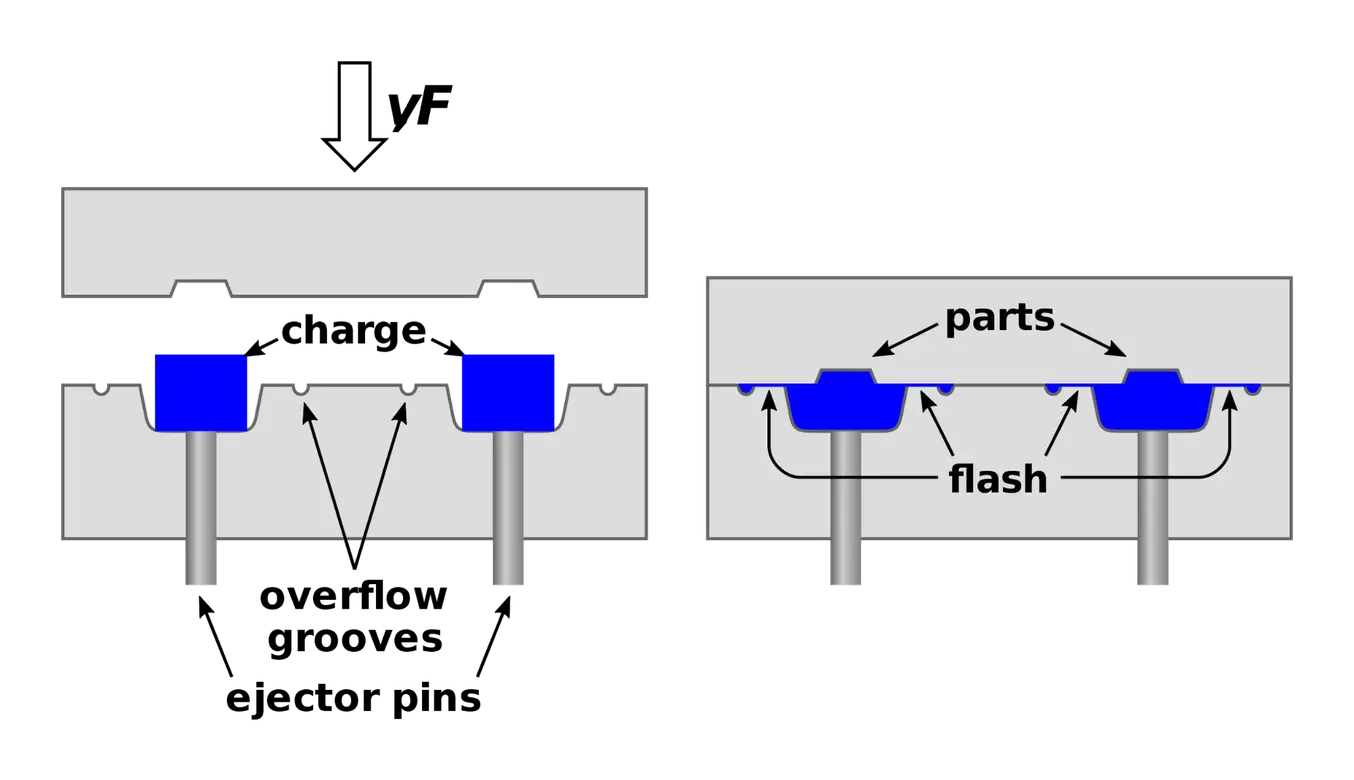
Match the resin form to the process: granular/non-free-flow powder for pre-form-and-sinter moulding into heavy-wall parts and machining stock; free-flow powder for continuous automated feeding; pre-sintered powder for ram or plunger extrusion into rod and tube.

Compression Molding
Processors cold pre-form non-free-flow (NFF) powder then sinter it into sheet, rod, valve seats, seals and gaskets — stable mould filling suits heavy walls and machining stock.
Free-Flow Automated Molding
Processors feed free-flow (FF) powder continuously into automated presses — good flow and resistance to caking suit high-volume production.

Ram/Plunger Extrusion
Processors ram- or plunger-extrude pre-sintered (E) powder into continuous rod, tube and simple profiles — virgin grade must be kept separate from recycled powder.
Modified PTFE Chemical Resistance
Inert fillers like glass, graphite and carbon keep most of virgin PTFE’s chemical resistance; metallic fillers such as bronze and stainless steel are attacked by strong acids and oxidising media, so grade selection must consider the service medium.
| Filler | Chemical Limitation |
|---|---|
| Glass fibre | Not resistant to hydrofluoric acid or strong alkali |
| Bronze / stainless steel | Poor chemical resistance — avoid strongly corrosive or oxidising media |
| Carbon / graphite / coke powder | Not resistant to strong oxidation; carbon tends to embrittle |
| MoS₂ | Not resistant to oxidising acids; decomposes at high temperature |
| Ceramic (Al₂O₃) | Chemically stable but abrasive to the mating part |
Formulations must comply with EU REACH Regulation (EC) No 1907/2006 — every Peflon modified PTFE grade is tested against this standard before release.
Why Choose Peflon Modified PTFE
Filled PTFE lives or dies on filler dispersion and loading accuracy — an uneven mix costs you wear performance you paid for. Peflon focuses on the formulation and matching risks specific to filled compounds.
12 Filler Systems, One Supplier
- Glass, carbon, graphite, bronze, MoS₂, PEEK, PI, PPS, POB, alumina, stainless steel and coke powder from a single source
- Custom loadings and combined filler systems (e.g. glass + MoS₂, glass + graphite) on request
- No need to qualify multiple suppliers for different wear/friction requirements
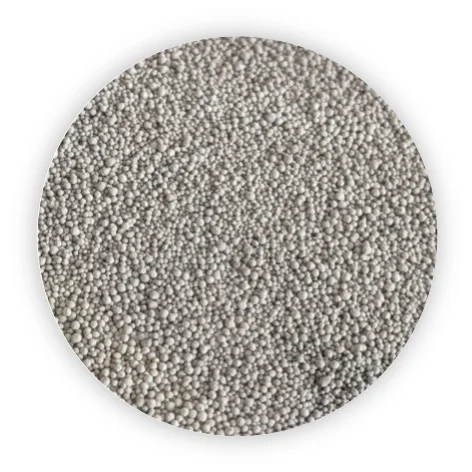
Formulation Since 2008
- Custom-formulated modified PTFE since 2008 — real production history, not a recent add-on line
- Every formulation rigorously tested before release
- REACH compliant and EU regulation ready
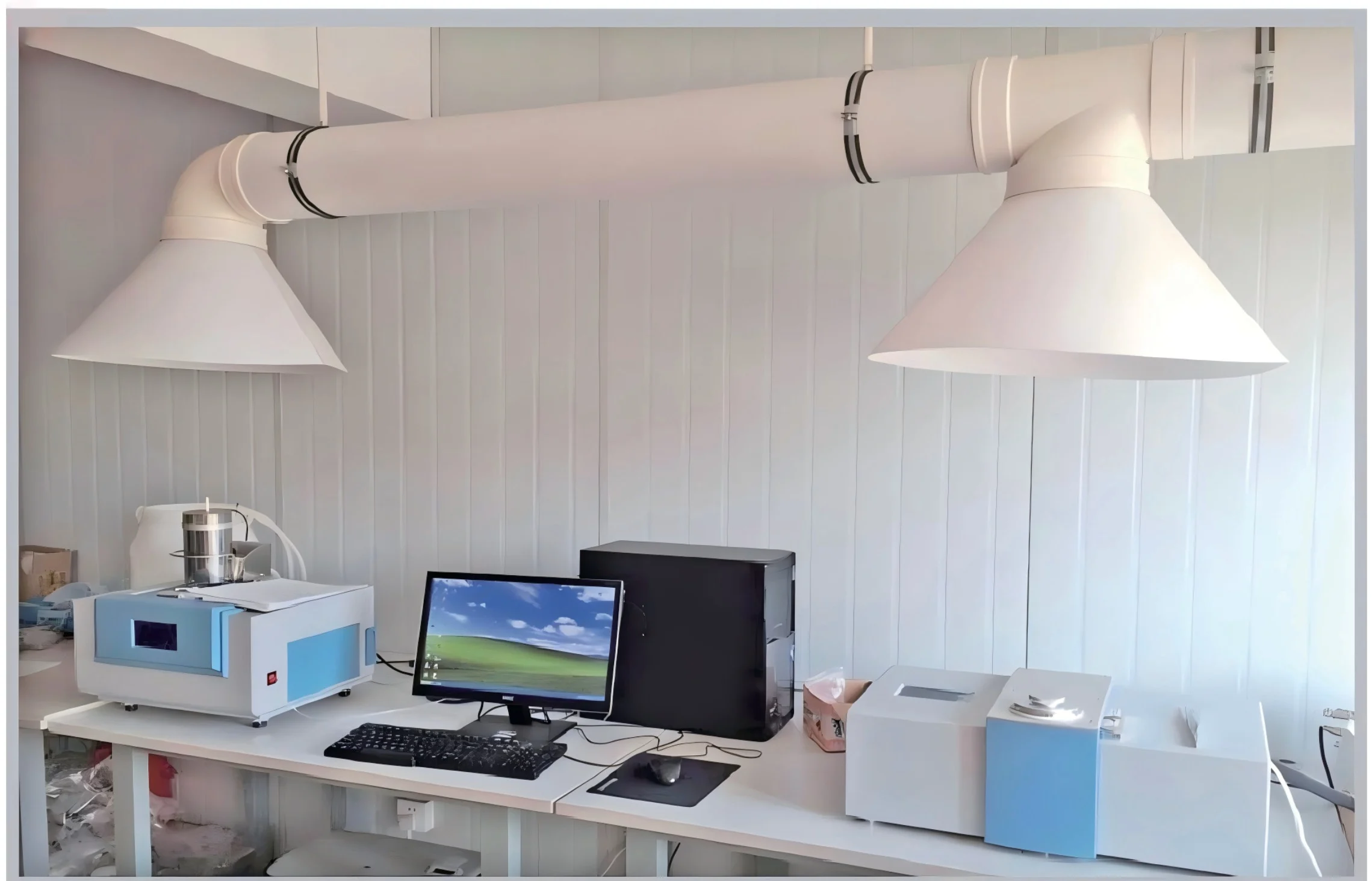
Fast Turnaround on Custom Formulations
- Typical delivery within 10 working days
- Free samples and TDS to confirm dispersion and performance before scale-up
- Engineers match filler and loading to your load, speed and medium
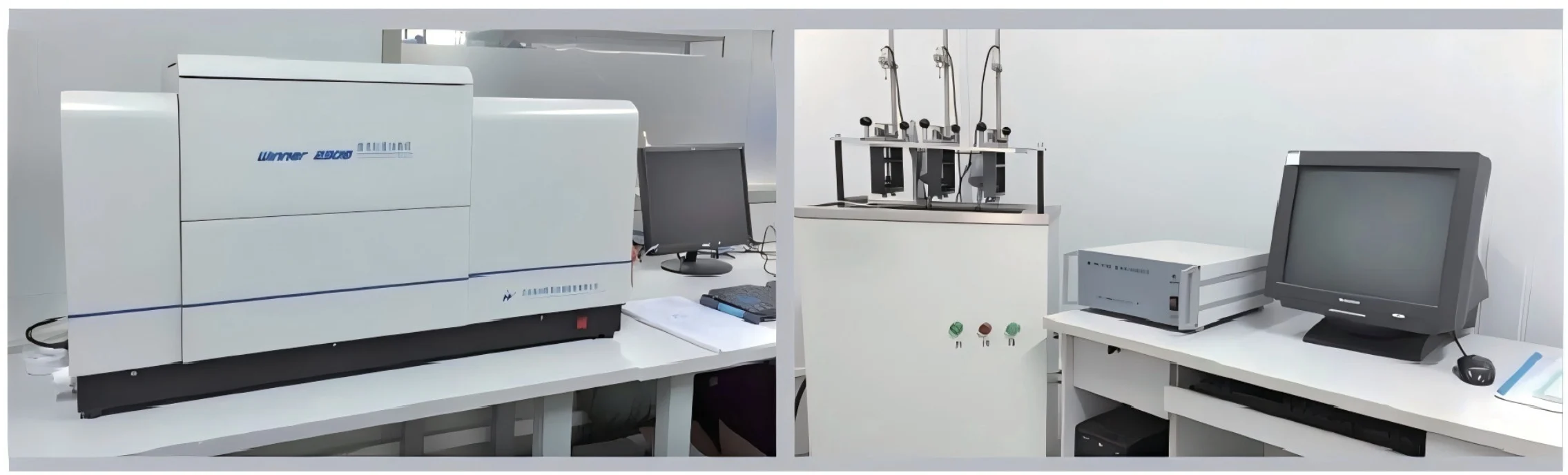
In-House Testing Laboratory
- Mechanical, thermal and electrical property testing on-site — tensile, flexural and compressive strength, MFR, hardness, TGA/DSC, dielectric and friction & wear tests
- Particle size verified by laser particle size analysis and polarized light microscopy — confirms filler dispersion, not just the resin’s own grade spec
- Every filled compound is checked against the same lab data before it ships, not just the base resin
Modified PTFE — Frequently Asked Questions
What is modified (filled) PTFE and why use it?
Modified PTFE is virgin PTFE blended with fillers such as glass, carbon, graphite, bronze or MoS₂. Fillers dramatically improve wear resistance, reduce creep (cold flow) and can add conductivity or compressive strength — while keeping PTFE’s chemical resistance and low friction.
Which filler should I choose?
Glass raises wear resistance and cuts creep for general service; carbon adds wear and some conductivity; graphite gives the lowest friction and self-lubrication; bronze maximizes wear resistance, compressive strength and heat transfer; MoS₂ lowers friction. Tell us your load, speed and medium and we will match a filler.
Does filling change PTFE's chemical resistance?
Yes and no — inert fillers like glass and graphite keep most of PTFE’s chemical resistance; metallic fillers such as bronze are attacked by strong acids and bases, so grade selection must consider the service medium.
How is modified PTFE supplied and processed?
As free-flowing or non-free-flow powder for compression molding and sintering into rod, tube, sheet, plate and seals, or as pre-sintered powder for ram extrusion into continuous rod and tube.
Is Peflon modified PTFE REACH compliant?
Yes — every formulation is tested and complies with REACH and EU regulations, with per-batch documentation available on request.
How do I know I'm getting virgin PTFE powder, not recycled material?
Recycled or reprocessed PTFE powder can look similar to virgin extrusion-grade powder but perform differently under load — Peflon verifies virgin-grade powder is kept separate from reprocessed material and holds it to the same property-consistency checks for demanding applications.
How do you decide which filler and loading to recommend?
We match the filler to your service media and mechanical duty first, then confirm the loading stays inside the typical content window for that filler — going too high on loading trades away mechanical strength for wear resistance. We also check mating-face wear and food or electrical compliance where relevant before confirming a grade.
Related Products
PTFE Dispersion
Water-based PTFE for impregnating, coating, dust control and battery binder.
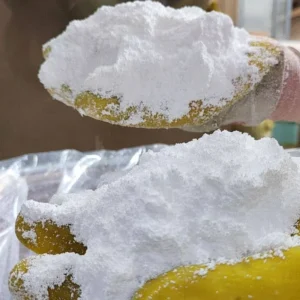
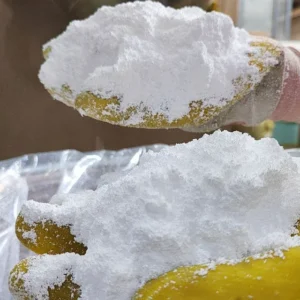
PTFE Fine Powder
Paste-extrusion PTFE for film, tube, wire & cable, seal tape and sleeving.
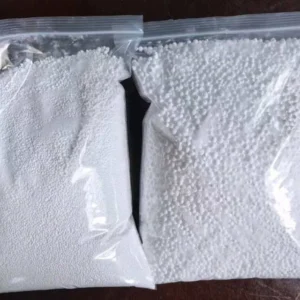
PCTFE
Low-permeation fluoropolymer for seals, gaskets, aerospace, medical and cryogenic use.
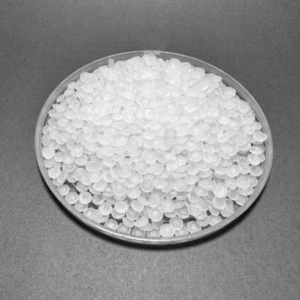
PFA Material Supplier | Peflon
Melt-processable perfluoroalkoxy for liners, wire, cable, film and semiconductor.
Technical Support of Modified PTFE
Selecting and molding modified PTFE raises real engineering questions — filler choice, loading, wear and creep behaviour and processing. Our technical library shares practical, hands-on guidance from the Peflon materials team.

PTFE: How to Select the Right Grade
Practical Limitations of PTFE — What Buyers Often Learn Too Late
What is the Difference Between PTFE and Teflon?
Get a Custom Modified PTFE Formulation
Tell us your filler, loading target, part form and service conditions — our engineers will formulate a modified PTFE grade, reply within 24 hours with the TDS, and ship a free sample.