
Fluoroplastic FEP Dispersion — Water-Based FEP Coating Material
Peflon supplies water-based FEP dispersion for coaters, laminators and film processors — a raw material, not a coating application service.
- 55% solids, fully melt-fusible for smooth, pinhole-free film
- PFOA-free, REACH and RoHS compliant
- Free samples, free TDS and technical support with a 24-hour reply

What is Fluoroplastic FEP Dispersion?
Peflon FEP (fluorinated ethylene propylene) dispersion is a water-based emulsion of FEP resin (CAS 25067-11-2) — a fluoropolymer known for exceptional chemical and thermal resistance. Coaters use it to build a protective layer on metals, glass, ceramics and fabrics that resists corrosion, heat and adhesion.
Unlike PTFE dispersion, FEP is fully melt-fusible, so coatings flow into a smooth, pinhole-free, heat-sealable film at moderate temperatures — see general FEP property data. Compare it against PTFE Dispersion when your process needs a fully sintered, more matte film instead.
FEP Dispersion Properties
| Property | Typical Value |
|---|---|
| Solid content | 50–55% |
| pH value | 6.5–9.5 |
| Viscosity | ~250 mPa·s |
| Melting point | ~260°C |
| Fusing temperature | 300–360°C |
| Continuous service temperature | Up to 200°C |
| Chemical resistance | Inert to almost all industrial chemicals and solvents |
| PFOA status | PFOA-free; REACH, RoHS and FDA 21 CFR 177.1550 compliant |
All Grades of FEP Dispersion
Two grades, similar chemistry with different QC tolerances — both suit coating and impregnation, differentiated mainly by particle-size documentation and surfactant control.
| Grade (TDS) | Solid Content | MFR | Particle Size (D50) | pH |
|---|---|---|---|---|
| PF-3D03 (PDF) | 50.0 ± 2.0% | 0.8–10.0 g/10min | — | 6.5–9.5 |
| PF-3D04 (PDF) | 50.0 ± 1.0% | 0.8–10.0 g/10min | 150–200 nm | 6.5–9.5 |
Both grades are FDA 21 CFR 177.1550, REACH and RoHS compliant. Confirm current lot-specific tolerances against the linked TDS before qualifying a line.
FEP Dispersion Applications
FEP dispersion serves industrial, food, aerospace, semiconductor and medical markets — coaters and laminators use it across the applications below; Peflon supplies the raw dispersion, not a coating application service.
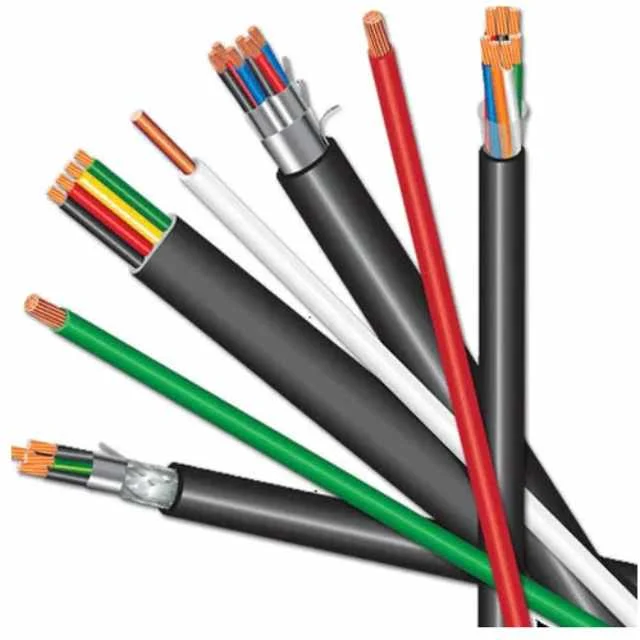
Heat-Sealable Top Coatings
Coaters use FEP dispersion as a top coat over PTFE-coated fabrics — belting, circuit boards, architectural fabrics and electrical insulation.
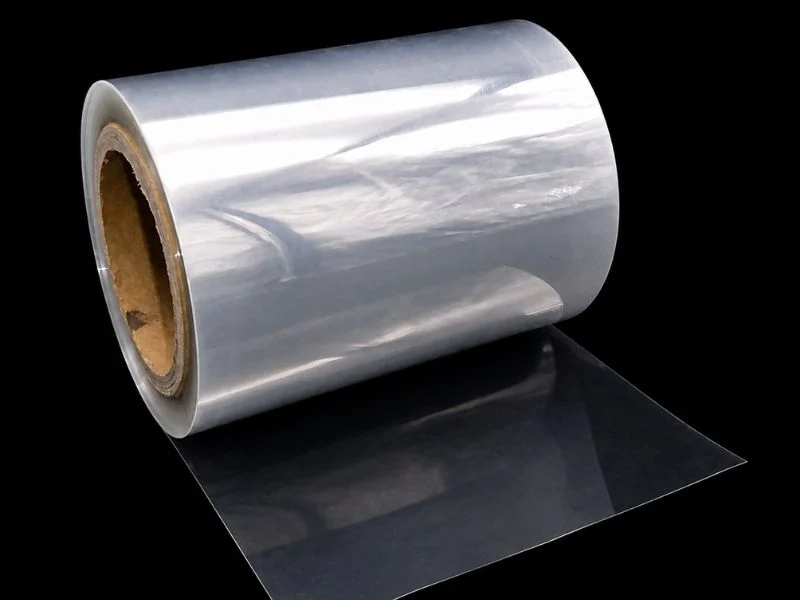
Cast Film
Processors cast FEP dispersion into thin, uniform-thickness film for capacitor dielectrics and chemical barriers.
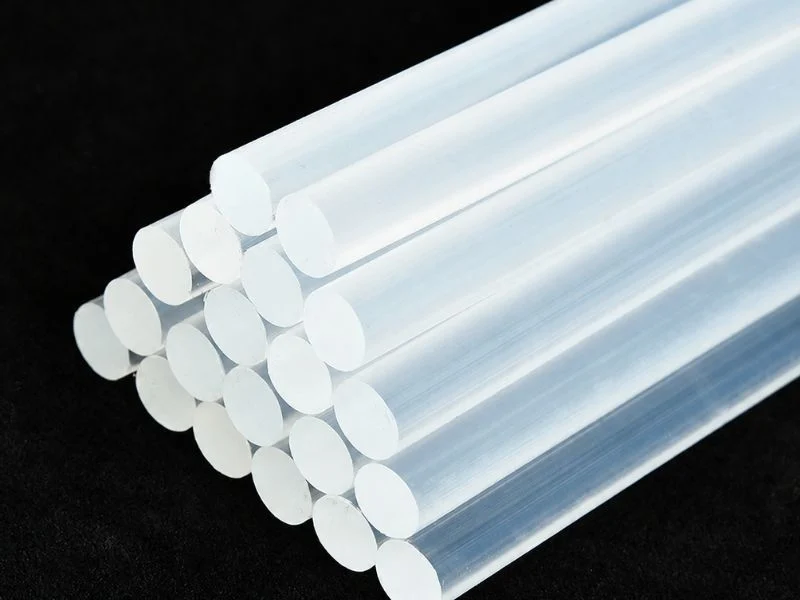
Hot-Melt Adhesive
Fabricators use FEP dispersion to bond PTFE, PFA and FEP parts — reliable fluoropolymer-to-fluoropolymer joining.
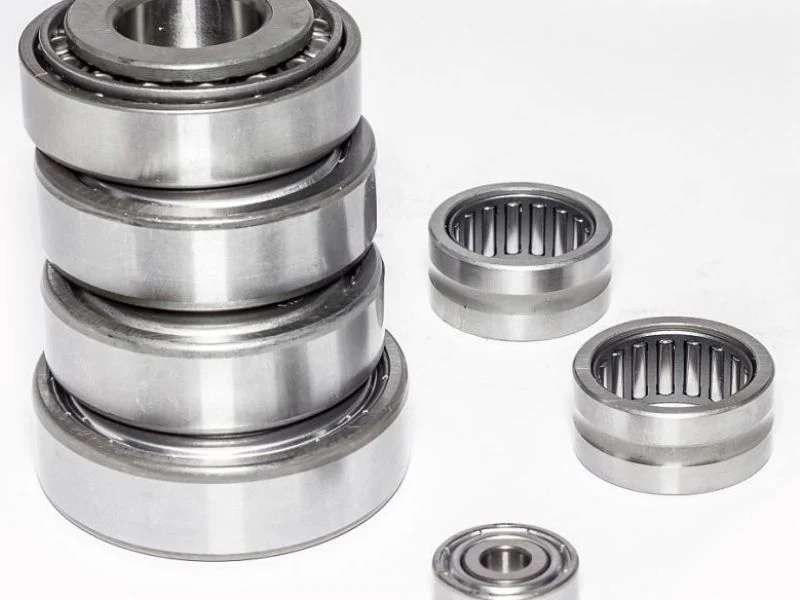
Metal Coatings
Coaters apply FEP dispersion to steel, aluminum and specialty alloys for corrosion and wear resistance.
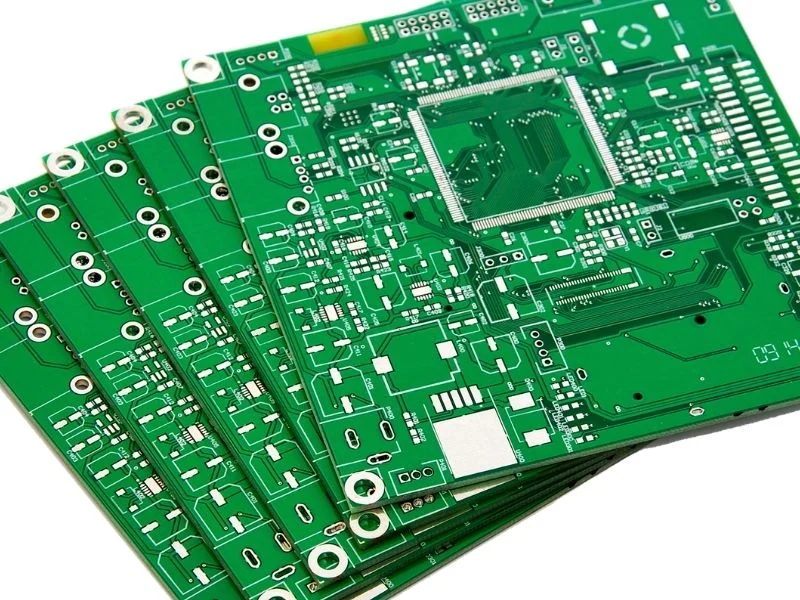
Electronic & Electrical Insulation
Coaters use FEP dispersion for excellent electrical insulation on PWB and electronic components in demanding service.
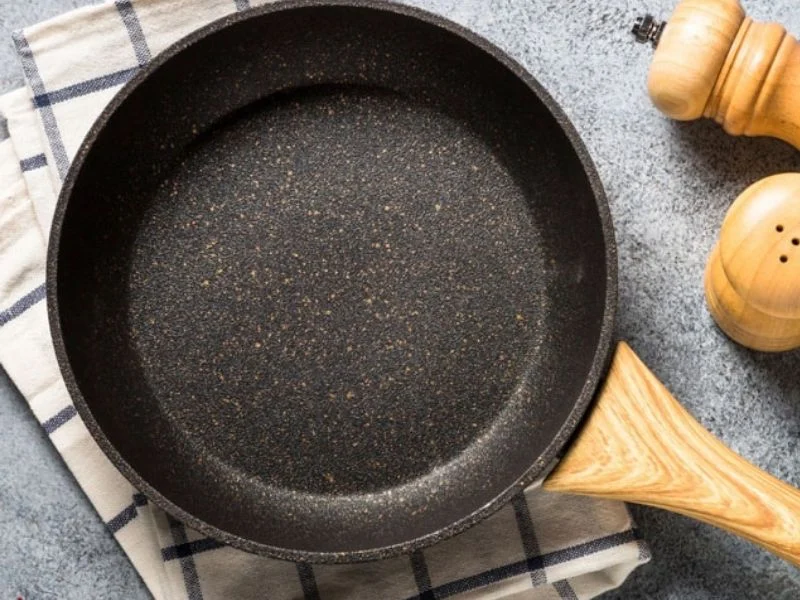
Non-Stick Coating
Coaters apply FEP dispersion film to cookware, bakeware and metal — release, chemical and heat resistance.
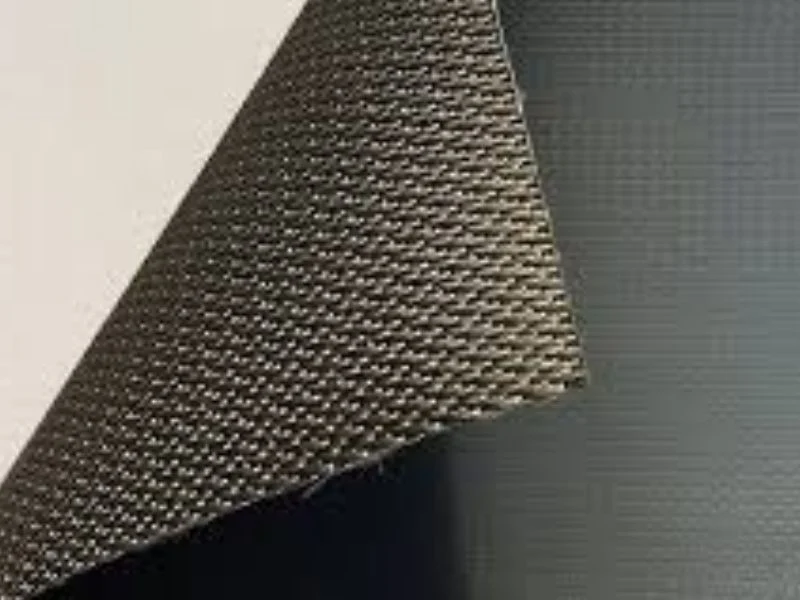
Fibers & Fabrics Treatment
Processors treat technical textiles with FEP dispersion — improves abrasion, water and corrosion resistance.

Medical Equipment
Coaters apply FEP dispersion to medical devices — reduces bacterial adhesion and improves durability.
How Coaters Apply Peflon FEP Dispersion
Applied by dip, spray, flow or cast coating, then dried to remove water and fused above the FEP melting point into a continuous film.
Spray Coating
Processors atomize FEP dispersion onto metal, glass and fabric substrates for uniform thin-film coverage.

Curing & Fusing
Processors dry the wet film to remove water, then fuse in the ~300–360°C range to coalesce FEP particles into a clear, non-stick, heat-sealable film.
FEP Dispersion Chemical Resistance
Once fused, FEP dispersion coating is inert to almost all industrial chemicals and solvents, with continuous service to 200°C — slightly lower than PTFE’s 260°C ceiling, but FEP’s melt-fusibility gives a smoother, pinhole-free film that PTFE dispersion cannot match.
| Chemical | Class | Resistance |
|---|---|---|
| Sulfuric acid, hydrochloric acid | Mineral acids | Excellent |
| Sodium hydroxide | Strong base | Excellent |
| Aromatic and chlorinated solvents | Organic solvents | Excellent |
| Molten alkali metals, elemental fluorine | — | Not recommended (known exceptions) |
Why Choose Peflon FEP Dispersion
FEP dispersion coating quality lives or dies on film consistency — pinholes, gloss variation and re-runs cost more than the material itself. Peflon focuses on the risks specific to a melt-fusible dispersion.
Fusing Behavior Consistency
- Melt flow rate held to grade spec (0.8–10.0 g/10min) so your fusing oven profile doesn’t need re-tuning batch to batch
- Consistent solids content for predictable wet-film build and dry-film thickness
- Full MFR, solids and pH data on every COA
Two-Grade Simplicity
- PF-3D03 and PF-3D04 cover the same coating/impregnation range with documented particle-size control on PF-3D04
- One supplier for both grades — no need to qualify a second source for a tighter-tolerance run
- Clear TDS comparison so you can match the grade to your specification, not guess
Compliance Documentation Ready
- FDA 21 CFR 177.1550, REACH and RoHS compliance documented per batch
- PFOA-free — supports food-contact and medical-adjacent coating qualification
- OEM/ODM formulation support for custom surfactant or solids requirements
FEP Dispersion — Frequently Asked Questions
How is FEP dispersion different from PTFE dispersion?
Both are water-based fluoropolymer dispersions, but FEP is fully melt-fusible at moderate temperatures, so it forms a smooth, transparent, heat-sealable, pinhole-free film. PTFE dispersion needs high-temperature sintering and gives a more matte, porous film. FEP is chosen as a topcoat, sealing layer or where clarity and heat-sealability matter.
What is the solid content and how is FEP dispersion applied?
Typical solid content is around 50-55% with pH 6.5-9.5 and viscosity ~250 mPa·s. It is applied by dip, spray, flow or cast coating, then dried to remove water and fused above the FEP melting point into a continuous film.
At what temperature does FEP dispersion fuse?
FEP melts near 260°C, so coatings are typically dried then fused in the ~300-360°C range to coalesce the particles into a clear, non-stick film — lower than the sintering temperature PTFE dispersion requires.
Which substrates can FEP dispersion coat?
Metals (steel, aluminum, specialty alloys), glass, ceramics and high-temperature fabrics — as protective, non-stick, corrosion- and heat-resistant coatings, and as a heat-sealable topcoat over PTFE-coated fabrics.
Is Peflon FEP dispersion PFOA-free and compliant?
Yes — it is PFOA-free and supports REACH and RoHS compliance, with OEM/ODM formulation and per-batch documentation available on request.
How is FEP dispersion packed and delivered?
Standard packing is 25 kg and 1250 kg containers, with typical delivery within 7 days. Store sealed, cool and above freezing, and gently re-homogenize before use.
Related to FEP Dispersion
PTFE Dispersion
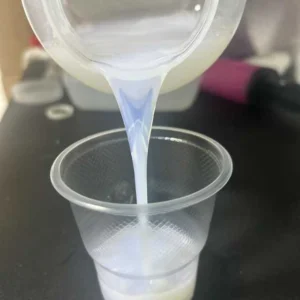
Water-based PTFE dispersion for coating, impregnation, dust control and battery binder.
PFA Dispersion
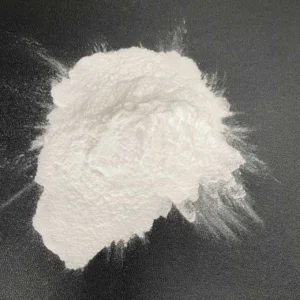
Aqueous PFA dispersion for high-purity, chemical-resistant thin-film coatings.
Technical Support of FEP Dispersion
Choosing and applying FEP dispersion raises real engineering questions — grade selection, fusing temperature, substrate prep and film build. Our technical library shares practical, hands-on guidance from the Peflon materials team.
Where to Find Reliable FEP Resin Suppliers: Your Ultimate Guide
FEP Extrusion Machine Requirements: A Comprehensive Guide
What Are Fluoropolymers? What Are Their Importance and Applications
Contact Us for FEP Dispersion
Whether you are a manufacturer or distributor, tell us your substrate, film target and volume — our engineers will recommend the right FEP dispersion grade, reply within 24 hours with the TDS, and ship a free sample within 7 days.