
PTFE Micropowder Manufacturer for Stable Industrial Formulations
Peflon supplies PTFE micropowder for coatings, plastics and industrial additives — helping manufacturers and distributors achieve consistent results across batches, projects and long-term supply programs. Custom grades and bulk supply available.
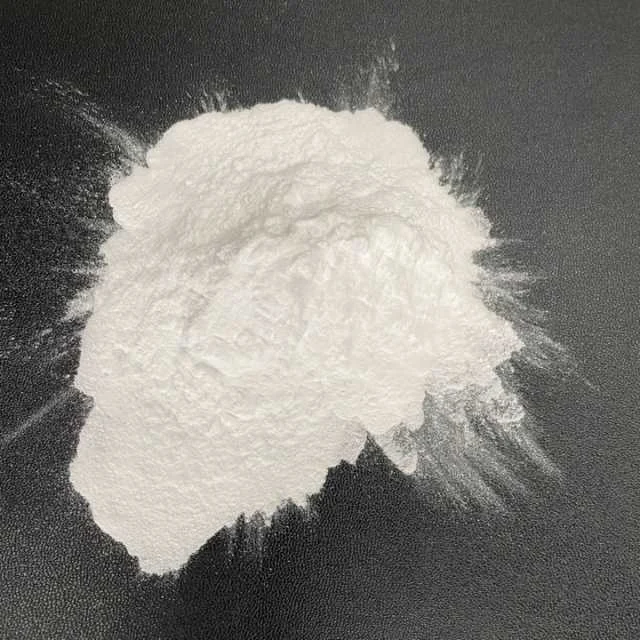
What is Peflon PTFE Micropowder?
PTFE micropowder — also called micronized PTFE powder — is made by controlled degradation and micronization of polytetrafluoroethylene (PTFE, CAS 9002-84-0) resin, then precisely classified into a fine, free-flowing powder. It disperses into inks, coatings, plastics, elastomers and lubricants to modify surface behavior at low dosage — the low-molecular-weight form of PTFE described in the PubChem compound record.
In coatings (powder, wood, coil) it lowers friction and boosts scratch and mar resistance. In printing inks it increases rub and slip without dulling color. In engineering plastics such as PA, PBT and PP, small doses cut wear and noise in gears and clips. In greases and dry-film lubricant blends, PTFE micropowder delivers long-lasting slip under heat and chemical exposure — see general PTFE property data.
Low Friction
Easy slip and release across coating, plastic and lubricant systems.
High Heat & Chemical Resistance
Full PTFE chemistry preserved after micronization.
Fine, Uniform Particles
Narrow D50 distribution for fast, homogeneous dispersion.
Scratch & Wear Improvement
Improves scratch, wear and abrasion resistance at low dosage.
Non-Melting, Non-Migrating
Stable in most binders — does not leach or blow out over time.
Regulatory Compliant
PFOA-free, (EU) 2019/1021 compliant, FDA-approved for relevant grades.
All Grades of PTFE Micropowder
Eleven grades cover every industrial additive use case — blend content typically < 1% to 20% depending on target performance. Click a grade code for the full TDS.
| Grade (TDS) | D50 (μm) | Bulk Density (g/L) | Key Feature | Typical Applications |
|---|---|---|---|---|
| PF-568 | 4.0 – 4.5 | 300 – 350 | Fine micropowder, good dispersion, gloss improvement. | Printing ink and ink-jet powder. |
| PF-575 | 20 – 25 | 400 – 500 | Coarse particle, strong wear resistance and sliding improvement. | Engineering plastics and elastomers. |
| PF-576 | 12 – 15 | 500 – 600 | Balanced particle size — wear resistance and friction reduction. | PA, POM, PBT, PC/ABS and modified plastics. |
| PF-578 | 5 – 6 | 400 – 500 | Uniform particle distribution — excellent lubrication and heat resistance. | Modified plastics and elastomers. |
| PF-583 | 2.5 – 3.5 | 200 – 300 | Very fine particle for suspension stability. | Lubricating oil systems. |
| PF-585 | 3 – 3.5 | 200 – 250 | Fine particle with low density — smooth dispersion. | Lubricating oil systems. |
| PF-588 | 0.1 – 0.4 | 250 – 300 | Ultra-fine grade for high-end lubrication. | Special lubricant systems. |
| PF-595 | 4 – 5 | 250 – 550 | Wide-use grade — wear resistance and gloss improvement. | Plastics, inks, lubricants and elastomers. |
| PF-597 | 10 – 12 | 250 – 550 | Medium particle — friction and wear control. | Engineering plastics and rubber. |
| PF-598 | 4 – 5 | 250 – 550 | Balanced lubrication and dispersion performance. | Plastics, coatings, inks and elastomers. |
| PF-599 | 3 – 4 | 250 – 550 | High whiteness, easy blending, strong lubrication. | Plastics, coatings, grease and elastomers. |
PTFE Micropowder Applications
One additive, five downstream routes — choose the card that matches your formulation and processing method.
Printing Inks
Rub, slip and scratch resistance in offset, gravure and ink-jet inks — without dulling color.

Powder & Coil Coatings
Lower friction and boosted scratch / mar resistance in powder, wood and coil coating systems.
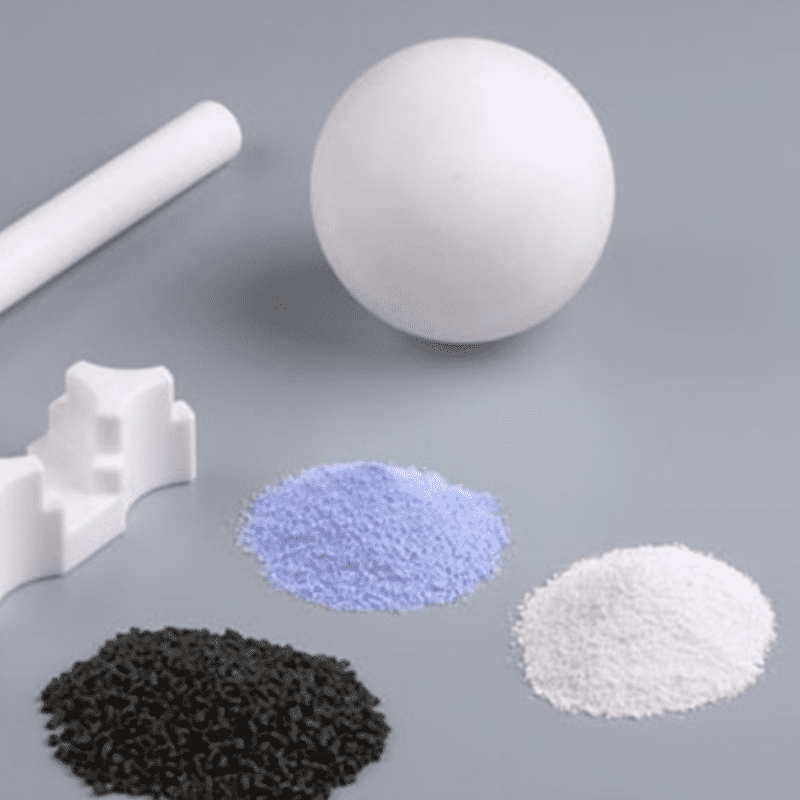
Engineering Plastics
Low-dose wear, friction and noise reduction in PA, POM, PBT, PC/ABS gears, clips and bearings.
Greases & Dry-Film Lubricants
Long-lasting slip under heat and chemical exposure in grease and dry-film lubricant blends.
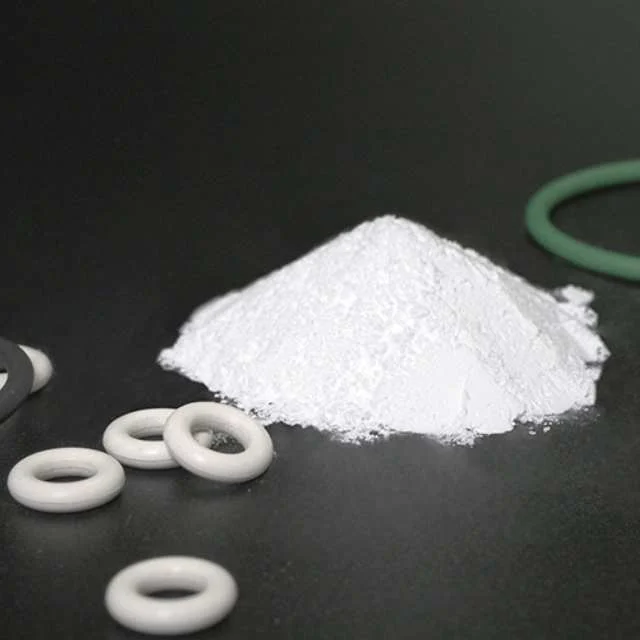
Elastomers & Rubber
Improved abrasion resistance and surface slip in seals, O-rings and rubber compounds.
Why Choose Peflon PTFE Micropowder
Choosing PTFE micropowder is not about chasing performance claims — it is about avoiding batch drift, re-testing and supply surprises once production starts. Peflon focuses on reducing those risks for distributors and manufacturers.
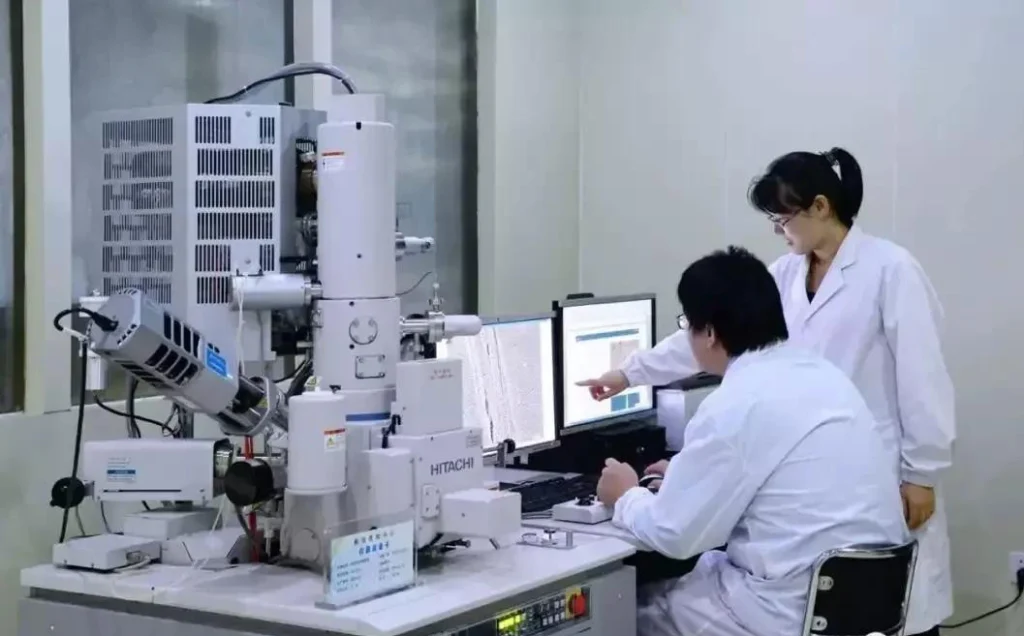
Built to Control Raw Material
If PTFE micropowder varies, formulations drift and rework begins. Peflon supplies defined particle-size ranges so material behavior stays predictable.
- Less formulation adjustment
- Fewer batch-related issues
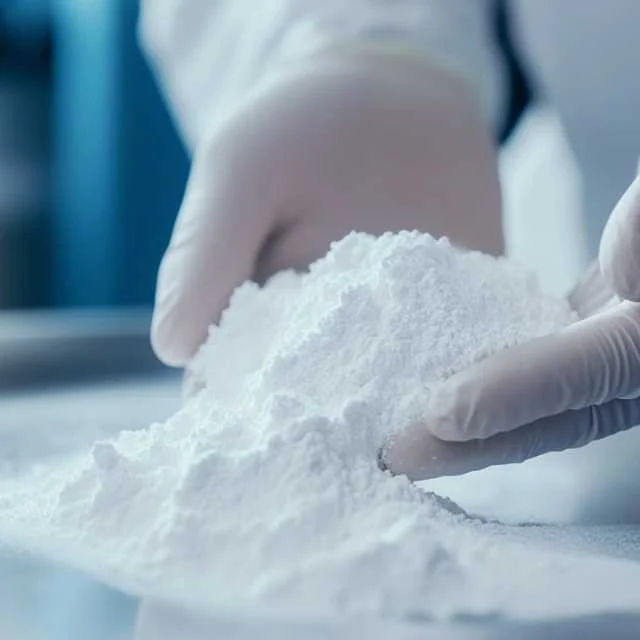
Checked Before Shipment
Problems are usually found after delivery — when it is already late. Peflon verifies key properties before release to support incoming inspection.
- Particle-size consistency checks
- Clear material identification
PTFE Micropowder — Frequently Asked Questions
Is PTFE micropowder the same as PTFE resin?
No. PTFE micropowder is a low-molecular-weight functional additive dispersed into other materials, while PTFE resin is a high-molecular-weight polymer for molding or extrusion. They serve different purposes and are not interchangeable.
Is PTFE micropowder the same as PTFE wax?
No. Although both are additives, they differ in molecular structure and behavior. PTFE micropowder is selected when solid fluoropolymer characteristics — non-melting particles, wear and slip — are required, whereas PTFE wax (often PE-PTFE blends) behaves differently in the binder.
What particle size (D50) should I choose?
Match D50 to your formulation and process: fine grades (~0.1–5 μm) suit inks, coatings and lubricating oils; coarser grades (10–25 μm) suit engineering plastics and elastomers where wear resistance dominates. Our 11 grades span 0.1–25 μm.
What dosage of PTFE micropowder is typical?
Loading is usually low — commonly under 1% up to about 20% depending on target performance. Inks and coatings often use 1–5%; wear-focused plastics and greases run higher. Confirm the optimum by trial before scale-up.
Why does PTFE micropowder sometimes fail to disperse?
Dispersion issues usually trace to particle-size choice, mixing method or shear conditions — not the micropowder itself. Match the grade to your processing route and use adequate shear to break agglomerates.
Can PTFE micropowder be added without changing my formulation?
In many cases it adjusts surface behavior — slip, wear, mar resistance — without redesigning the base formulation. A small-scale trial is recommended to confirm dispersion and performance before production.
Related Fluoropolymers to PTFE Micropowder
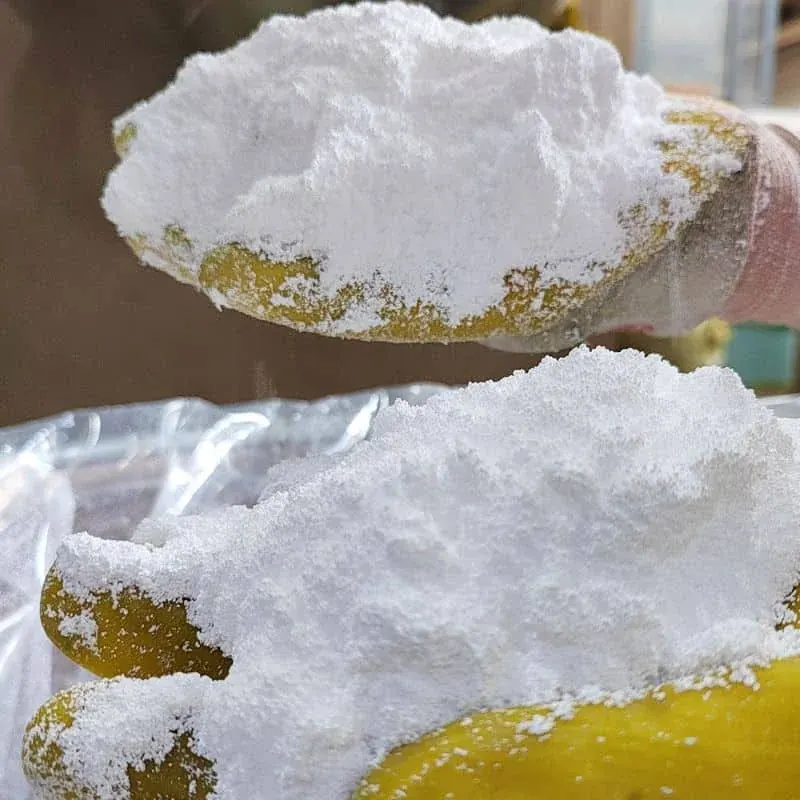
PTFE Fine Powder
Paste-extrusion grade PTFE for tube, wire insulation, thread-seal tape and coaxial cable.

PTFE Dispersion
Water-based aqueous PTFE dispersion for coating, impregnation and primer systems.
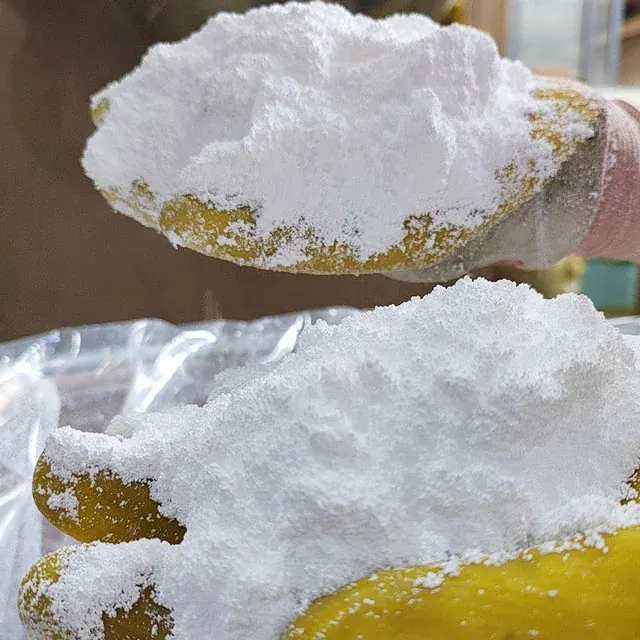
PTFE Molding Powder
Virgin granular PTFE for compression molding of rods, tubes, sheets and seals.
PFA Micro Powder
White PFA micropowder for coatings, inks and high-purity additives.
Technical Support of PTFE Micropowder
Selecting and dispersing PTFE micropowder raises real engineering questions — particle size, dosage, dispersion and compatibility. Our technical library shares practical, hands-on guidance from the Peflon materials team.
Is Teflon self-lubricating
Teflon: The Super Slippery Stuff! Have you ever wondered why some pans don't let food stick? It's often because of a special material called Teflon. Let's explore why…
How Is Teflon’s Slipperiness Measured?
Teflon is renowned for its unique slippery properties, making it a popular choice in various industries, from cookware to industrial machinery. Understanding how its slipperiness is measured helps…
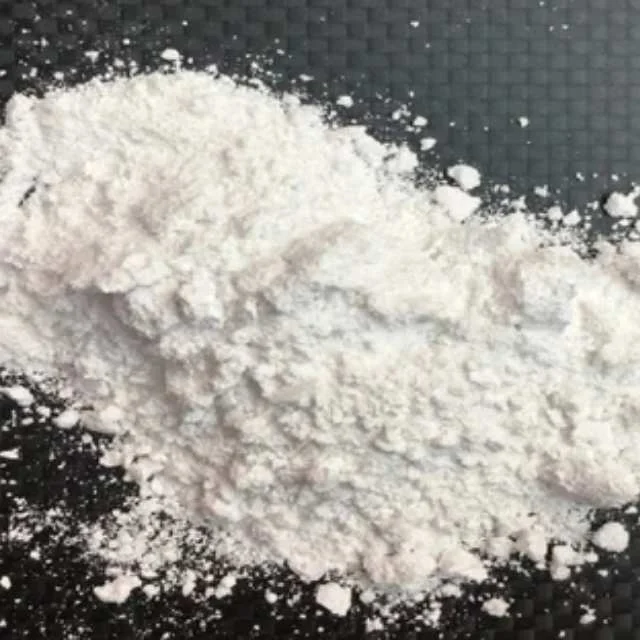
What are the applications of PTFE?
What are the applications of PTFE? Polytetrafluoroethylene (PTFE), also known as Teflon, is a brand belonging to DuPont. The raw material of PTFE is available in powder, granule,…
Get a PTFE Micropowder Grade Match & Sample
Tell us your system — ink, coating, plastic, grease or elastomer — plus target D50 and dosage. Our engineers will shortlist a PF grade, send the TDS and reply within 24 hours.