
Foamed FEP Resin for Wire & Cable
Gas-injection foamed FEP resin for low-smoke, flame-retardant and high-frequency cable insulation — a lightweight cellular structure with a low, stable dielectric constant.
- Lightweight cellular foam structure
- Low, stable dielectric constant
- Low smoke & flame-retardant
- High-temperature signal cables
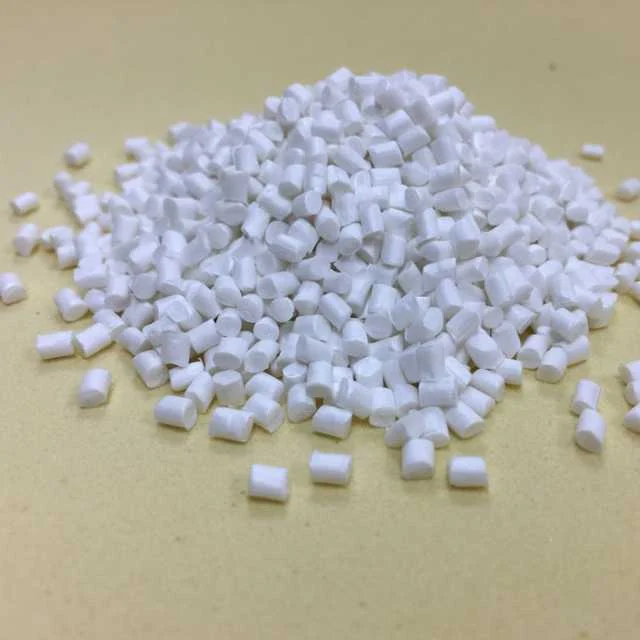
What is Foamed FEP Resin?
Foamed FEP resin (CAS 25067-11-2) is a cellular grade of FEP — a copolymer of tetrafluoroethylene and hexafluoropropylene (HFP) — engineered for cable insulation.
FEP foam resins are foamed by injecting gas while extruding. During the production process, as the gas expands, holes are formed. The nucleating agents added to the foamed FEP guarantee the formation of pores, ensuring a foam structure in the extruded insulation or profiles. Foamed FEP is used in flame-retardant cables with low-smoke requirements and signal-transmission cables in high-temperature environments.
Features & Benefits of Peflon™ FEP Foam Resin
Four defining benefits of foamed FEP for wire and cable insulation.
Lightweight & Flexible
Cellular FEP is lightweight with excellent flexibility and full fluoropolymer performance.
Improves Cable Insulation
Air-filled cells lower the dielectric constant for faster, lower-loss signal transmission.
Low Smoke, Flame & Corrosion Resistant
Meets low-smoke, flame-retardant cable requirements and resists chemical corrosion.
Lower Production Cost
Foaming reduces resin consumption per metre, lowering finished-cable cost.
Foamed FEP Resin Applications
Foamed FEP is used across coaxial, low-loss, plenum and low-capacitance cable where low dielectric constant and flame retardancy matter.
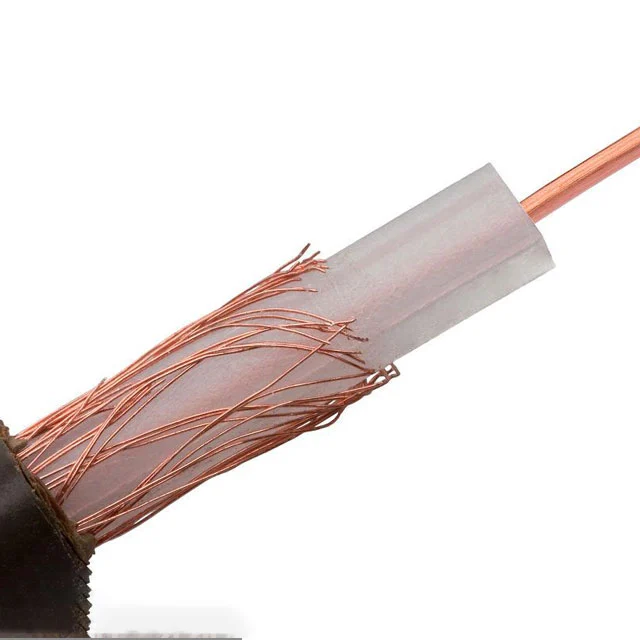
RG59/RG6/RG8 Coaxial Cable
Foam-FEP dielectric for RG-series coaxial cable with stable impedance and low loss.
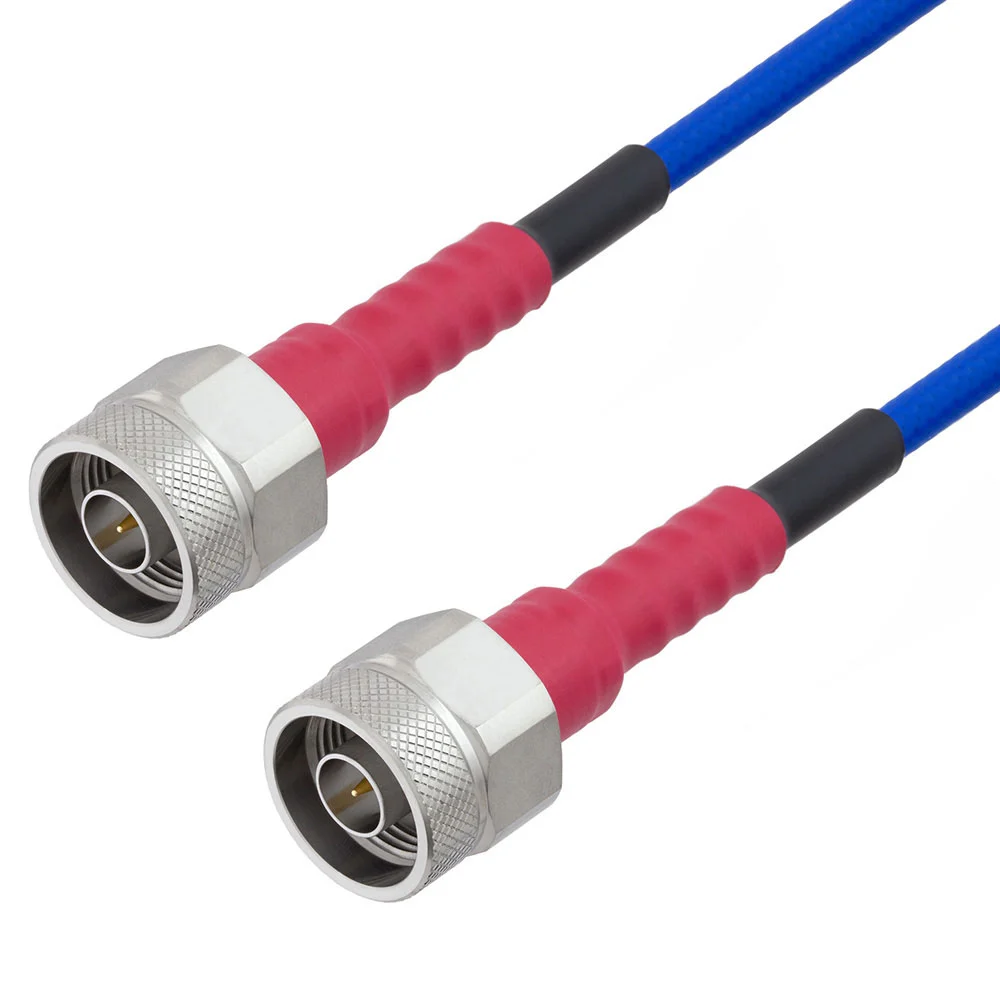
Low Loss Cable
Low-attenuation feeder and RF cable where signal integrity is critical.
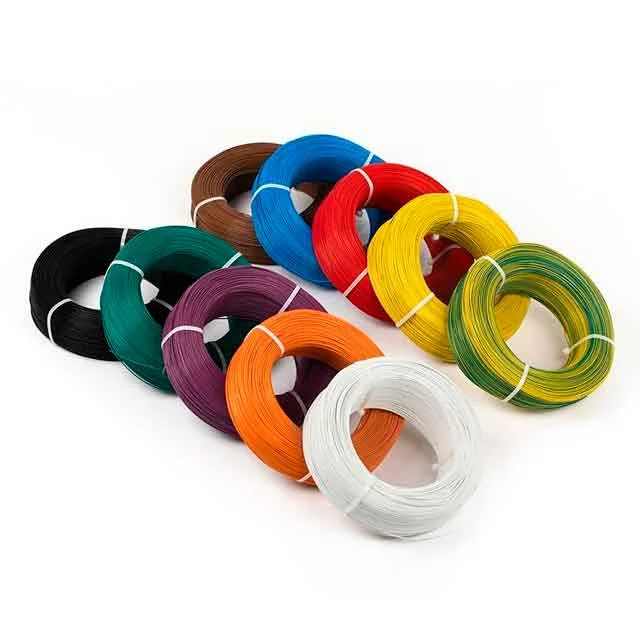
CMP Flame-Retardant Wire
Plenum-rated (CMP) flame-retardant wire; insulation thickness 0.15–1.50 mm.
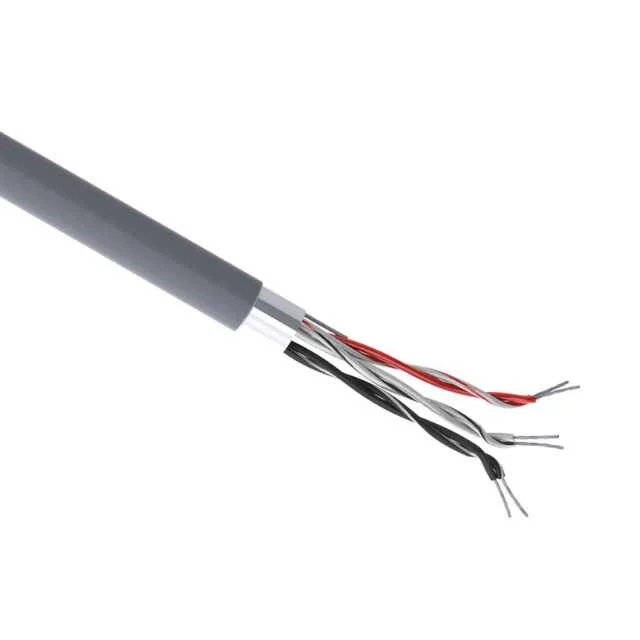
CL-2P Low-Capacitance Cable
Low-capacitance data / communication cable; insulation thickness 0.15–1.50 mm.
Foamed FEP Resin Processing
FEP resin can be processed through melt extrusion (the core route for foamed cable insulation) and injection molding. See independent FEP material properties for baseline data.
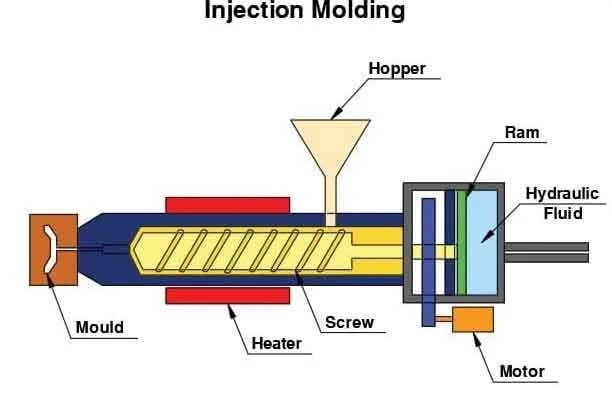
Injection Molding
Molten FEP is injected into molds, cooled and solidified to produce parts — ideal for valves, connectors and components.
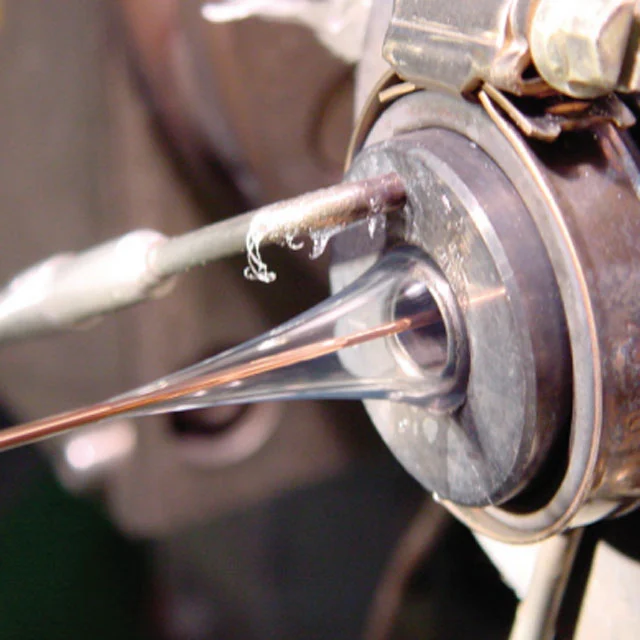
Melt Extrusion
FEP pellets are heated to a molten state and extruded into continuous shapes — wire and cable insulation, pipes, films and rods.
Related Fluoropolymers
PTFE Aqueous Dispersion
CAS 9002-84-0 · particle 0.2–0.4 µm · solid content 60±2% · coating, impregnation, battery binder.
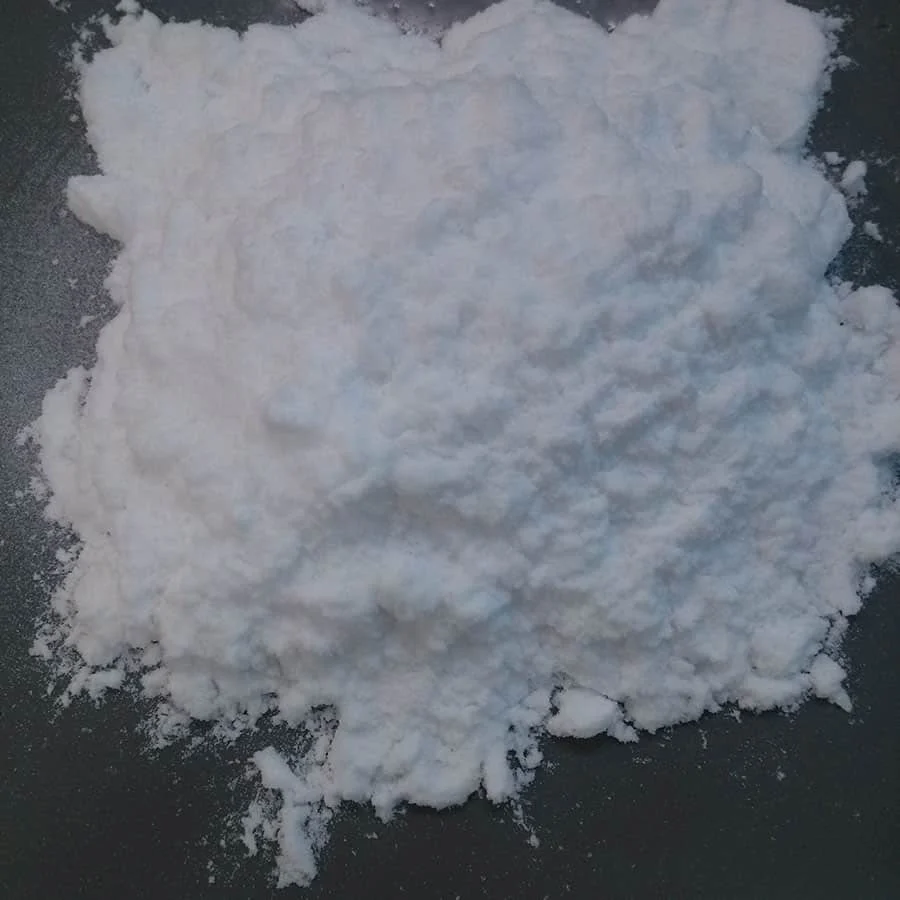
PTFE Granular Molding Powder
CAS 9002-84-0 · particle 60–260 µm · melt point 327±5 °C · tube, rod, sheet, seals.
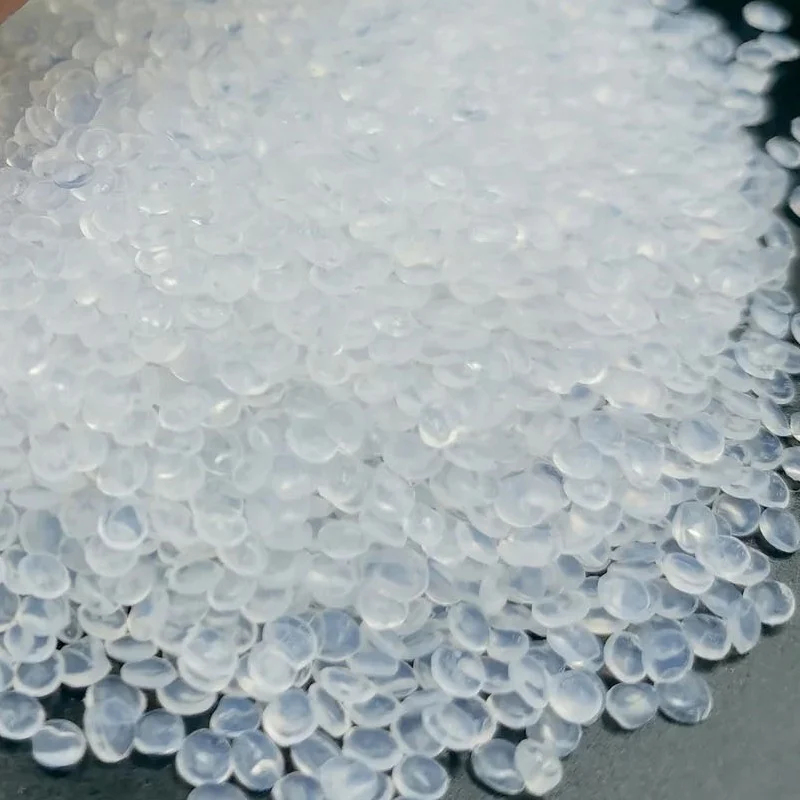
PFA Resin
CAS 26655-00-5 · MFR 0.8–30 · melt point 310 °C · pipe liner, wire, cable, film, semiconductor.
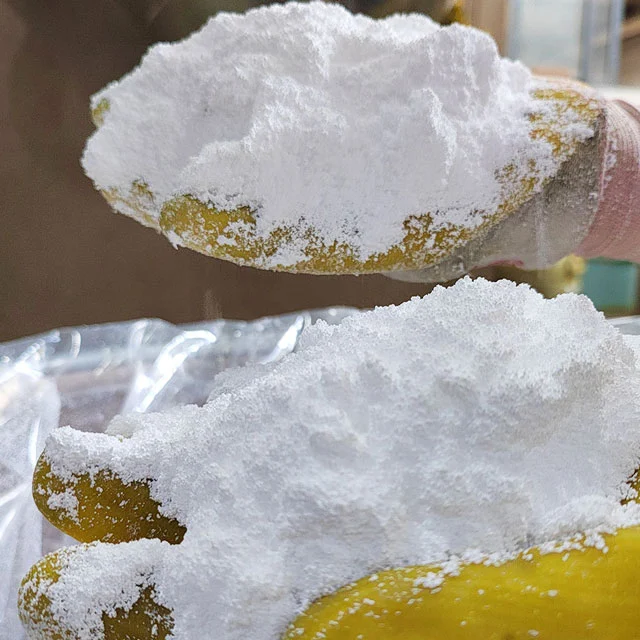
PTFE Fine Powder
CAS 9002-84-0 · particle 450–750 µm · melt point 327±5 °C · seal tape, tube, wire & cable, coaxial.
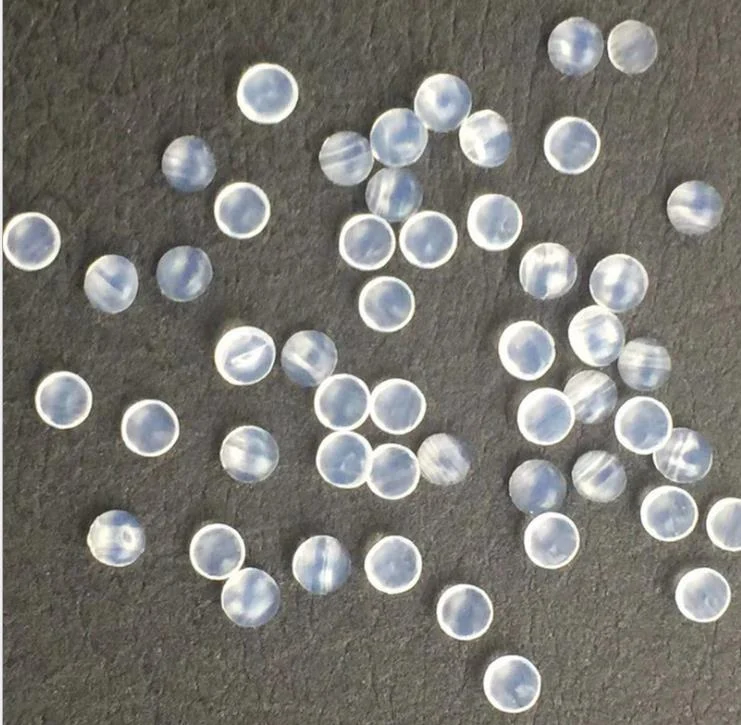
PCTFE Resin
CAS 9002-83-9 · service -196 °C to 125 °C · sheets, seals, aerospace, medical, valve linings.
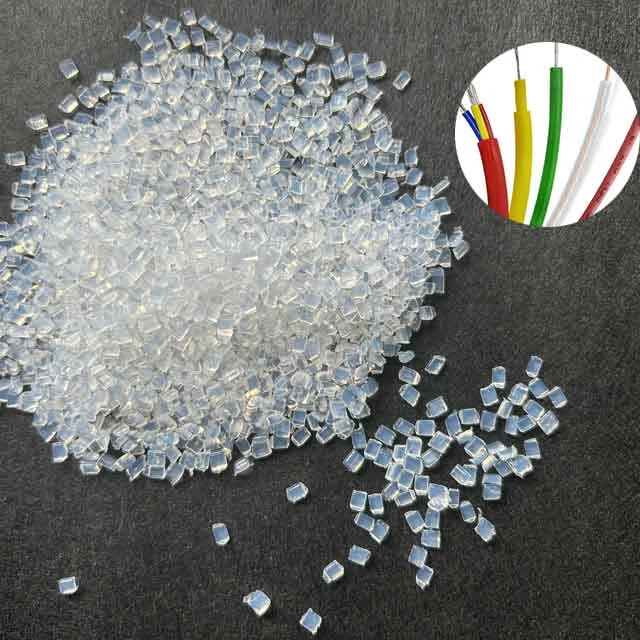
FEP Resin
CAS 25067-11-2 · melting point 213 °C · pipe liner, wire, spark wire, film, semiconductor.
FAQ of Foamed FEP Resin
What is foamed FEP resin?
Foamed FEP resin is a cellular grade of FEP produced by injecting gas during melt extrusion; nucleating agents form uniform closed pores, giving a lightweight structure with a lower dielectric constant than solid FEP.
Why use foamed FEP for cable insulation?
The air-filled cells lower the dielectric constant and dissipation factor, raising the velocity of propagation and cutting attenuation — ideal for coaxial, low-loss and data cable — while keeping FEP’s flame resistance and low-smoke behaviour.
What is the CAS number and service temperature of foamed FEP?
Foamed FEP is FEP, CAS 25067-11-2. FEP melts at about 213 °C with continuous service to roughly 200 °C, and retains its flame-retardant, low-smoke properties across that range.
Which cables use foamed FEP?
RG59/RG6/RG8 coaxial cable, low-loss RF and feeder cable, CL-2P low-capacitance data cable and CMP plenum-rated flame-retardant wire — typically at 0.15–1.50 mm insulation thickness.
How is foamed FEP processed?
Mainly by melt extrusion with controlled gas injection plus a nucleating agent; injection molding is used for parts. The degree of foaming (void fraction) is tuned to hit the target dielectric constant.
Technical Support of Foamed FEP Resin
Extruding foamed FEP for wire and cable raises real engineering questions — grade selection, foaming, dielectric target and line setup. Our technical library shares practical, hands-on guidance from the Peflon materials team.
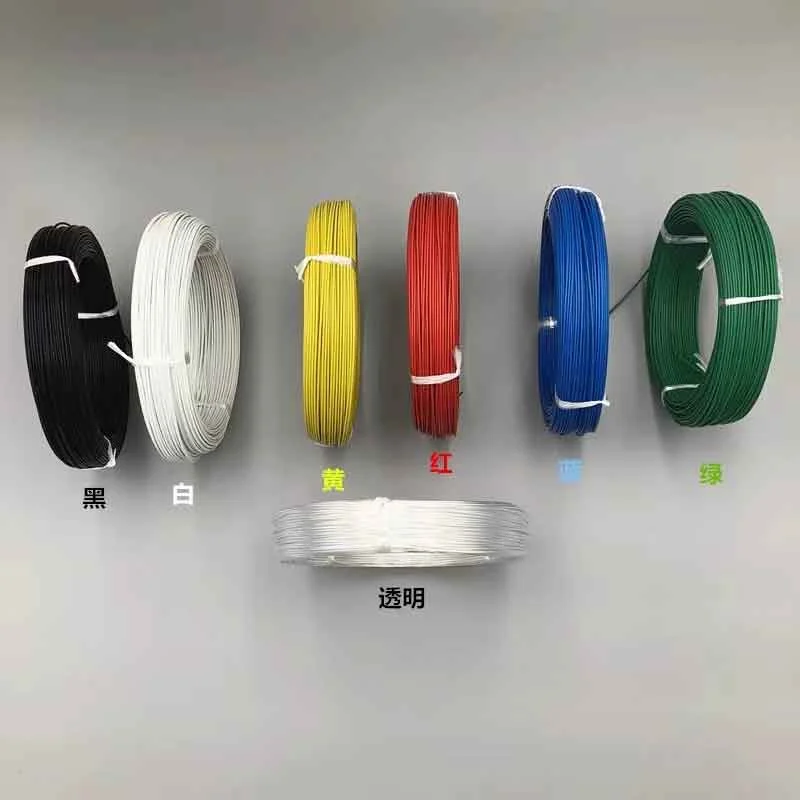
How to Choose the Suitable FEP Resin in the Wire Industry
The wire industry plays a crucial role in various applications, from telecommunications to electrical systems. When it comes to ensuring the performance and reliability of wires, the choice…
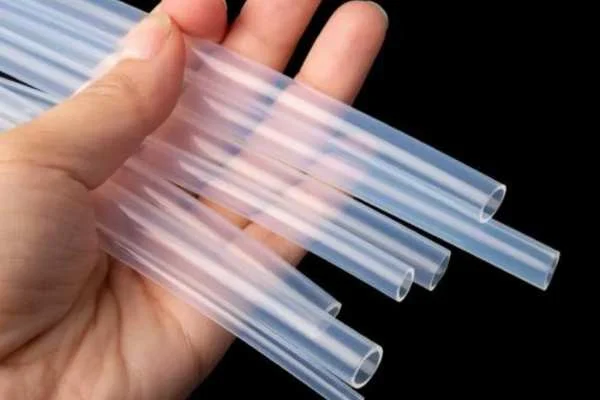
FEP Extrusion Machine Requirements: A Comprehensive Guide
Introduction: The Importance of FEP Material and Extrusion Processing FEP Material Characteristics and Extrusion Challenges Core Technical Requirements of FEP Extruders Application Areas of FEP Extruded Products How…
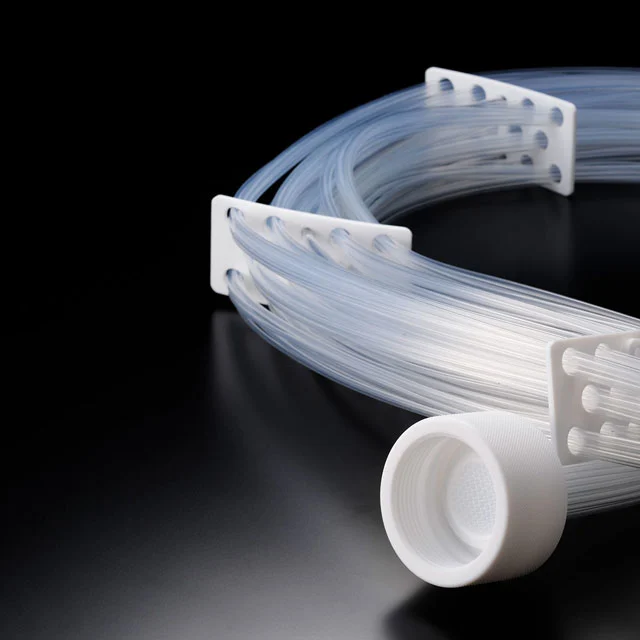
How to Choose the Right FEP Resin Grade for Tube Manufacturing
Selecting the right FEP (Fluorinated Ethylene Propylene) Resin is a crucial decision for those involved in the tube manufacturing industry. FEP Resin is renowned for its exceptional properties,…
Get a Foamed FEP Resin Sample
Tell us your cable type, insulation thickness and target dielectric constant — our engineers will match a foamed FEP grade, send data and reply within 24 hours.