
PFA Dispersion for Stable Industrial Coating Lines
Peflon supplies water-based PFA dispersion for coaters, laminators and fiber processors who need a stable, sprayable fluoropolymer emulsion for their own coating lines.
- 50% solids, 190–230 nm average particle size
- PFOA-free, REACH and RoHS compliant
- Free samples, free TDS and technical support with a 24-hour reply
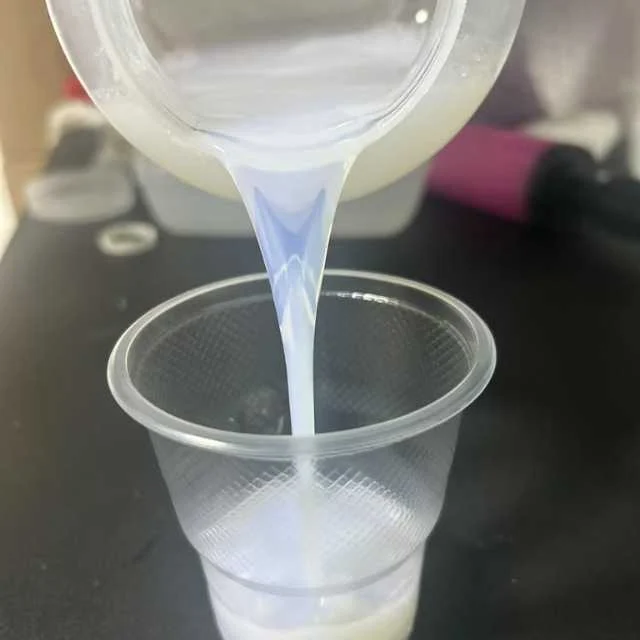
What Is PFA Dispersion?
PFA Dispersion is a water-based emulsion of perfluoroalkoxy resin (PFA, CAS 26655-00-5) — a melt-processable copolymer of tetrafluoroethylene and perfluorinated vinyl ether, dispersed as sub-micron particles in water rather than solvent. Coaters and processors use it to build high-performance, non-stick, chemically resistant films on metal, glass fabric and other substrates — see general PFA property data for baseline resin properties.
Peflon PFA Dispersion stays stable under harsh industrial handling and suits chemical, electronics and medical-equipment coating lines. Compare it against PTFE Dispersion when your process needs a more matte, sintered film instead of a melt-fused one.
PFA Dispersion Properties
| PFA Dispersion Property | Typical Value / Range | Notes |
|---|---|---|
| Solids content | 48–52 wt% | Grade-dependent |
| Average particle size | 100–230 nm | Finer particles suit impregnation; larger suit coating gloss |
| pH value | 7.0–10.5 | Grade-dependent |
| Viscosity (25°C) | 1–300 mPa·s | Grade-dependent |
| Fusing temperature | 350–380°C | To coalesce particles into a continuous film |
| Continuous service temperature | ~260°C | Fused film, same resin chemistry as PFA pellet grades |
| Chemical resistance | Excellent | See Chemical Compatibility section below |
| PFOA status | PFOA-free | REACH / RoHS compliant |
Ways to Use Peflon PFA Dispersion
Tell us your substrate, coating method and target market and we will match a grade.
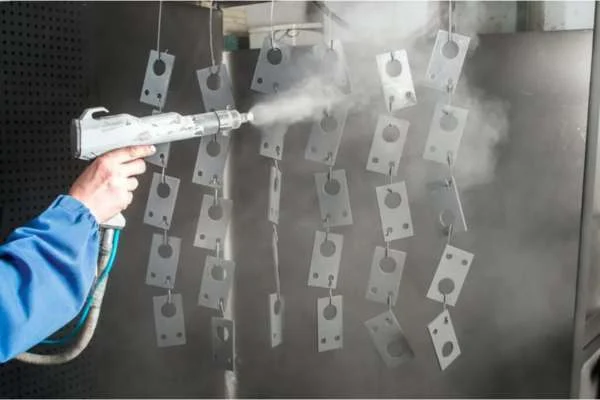
Metal & Cookware Coating Material
PF-4D05 or PF-4D06 dispersion, supplied as raw material for your own metal and cookware coating line — Peflon does not apply coatings.
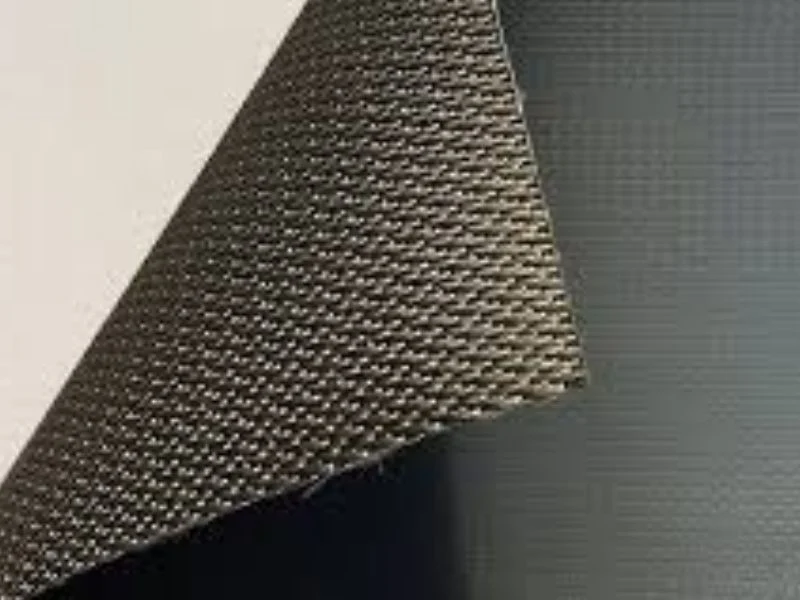
Glass Cloth & Fabric Coating
Builds a fluoropolymer layer on glass fabric for conveyor release belts and architectural membrane.
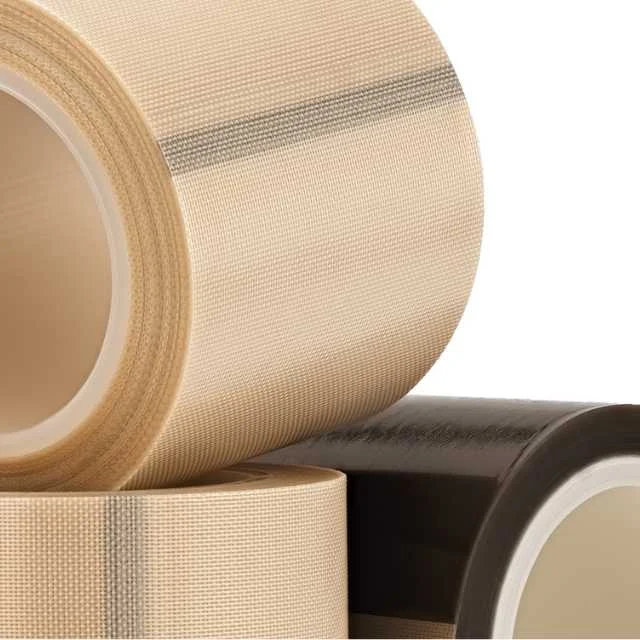
Fiber & Substrate Impregnation
Peflon PF-4D07’s fine ~100 nm particle size penetrates porous fiber-based materials for durable, inert protection.
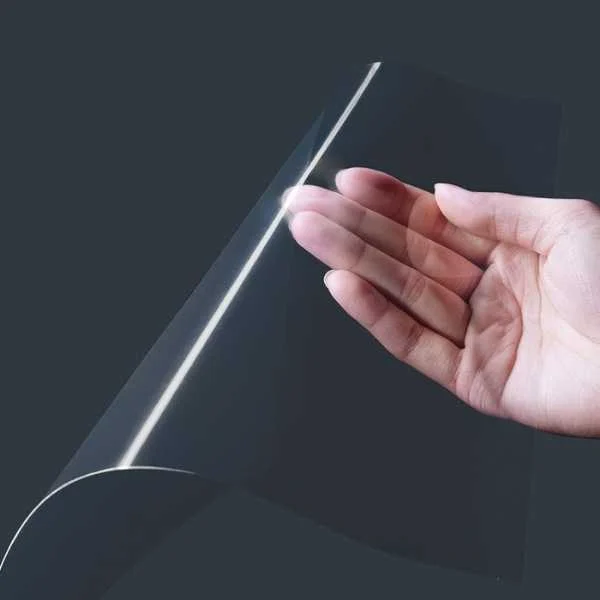
Thin Film Production
Aimed at thin-coating and film-forming uses where clarity and low build matter.
PFA Dispersion Grades & Data Sheets
PFA Dispersion Grade Comparison
| Property | Test Method | PF-4D05 (PDF) | PF-4D06 (PDF) | PF-4D07 (PDF) |
|---|---|---|---|---|
| Appearance | Visual | White or yellowish liquid | Milky or yellowish liquid | Milky or yellowish liquid |
| Solids content (%) | ASTM D4441 / Factory method | 48.0–52.0 | 50 ± 2 | 50 ± 2 |
| pH value | ASTM E70 / Factory method | 7.0–10.0 | 9.5–10.5 | 9.5–10.5 |
| Average particle size (nm) | — | 190–230 | ~200 | ~100 (finest) |
| Viscosity | Factory method (25°C) | 300 mPa·s | 1–15 mPa·s | 1–15 mPa·s |
| Surfactant (%) | ASTM D4441 / Factory method | 4–8 | 5–8 | 5–12 |
| Packaging | — | 25 kg / 1250 kg | 25 kg / 1200 kg | 25 kg / 1200 kg |
| Typical use | — | Coating | Coating | Impregnation |
PF-4D05 and PF-4D06 are the coating-focused grades — PF-4D06’s finer, more uniform particle size gives better gloss, transparency and metal adhesion on cookware and industrial coating lines. PF-4D07 has the smallest particle size (~100 nm) of the three, which lets it penetrate fiber and porous substrates more effectively, making it the grade for impregnation applications rather than surface coating. All three are compatible with ordinary PTFE dispersions for mixed-system formulations.
PFA Dispersion Applications
High-performance coatings, fiber treatment, glass-cloth coating, impregnation of porous structures and thin-film production — across chemical, electronics and medical-equipment coating lines.
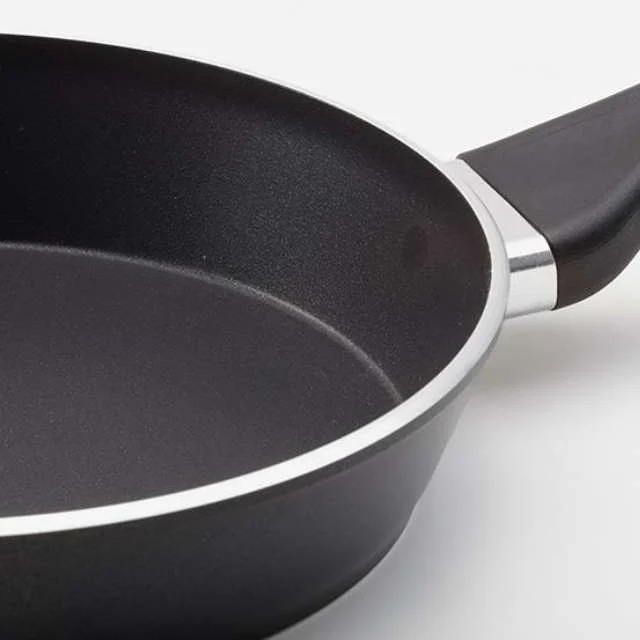
PFA Cookware & Industrial Coating Material
Peflon supplies PF-4D05 and PF-4D06 dispersion as the raw coating material for cookware and industrial-hardware coaters — not a coating application service. Coaters spray or dip our dispersion to build the non-stick, chemically resistant layer themselves.

Glass Cloth & Architectural Membrane Coating
Fabricators coat glass fiber cloth with PFA dispersion for conveyor release belts and PTFE/PFA architectural membrane.
Fiber & Substrate Impregnation
Processors impregnate porous fiber-based materials with Peflon PF-4D07 — its fine ~100 nm particle size gives deeper, more even penetration than the coating-grade dispersions.

Thin Film & Release Film Manufacturing
Film makers cast or coat PFA dispersion into thin, optically clear release films and laminate layers.
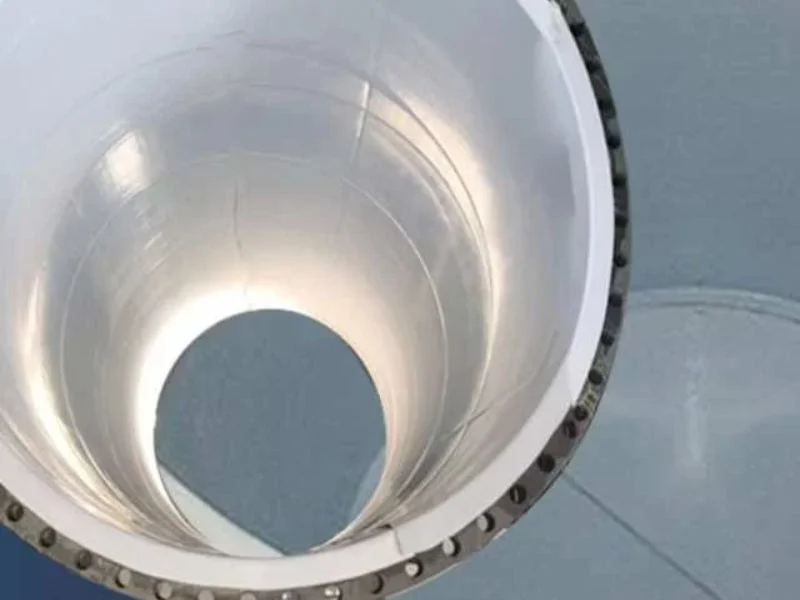
Semiconductor & Chemical-Equipment Coating
Equipment fabricators apply PFA dispersion linings to reactors, tanks and fittings for high-purity chemical handling.
How Coaters Apply Peflon PFA Dispersion
PFA dispersion is dried to remove water, then fused at roughly 350–380°C to coalesce the particles into a clear, non-stick, chemically resistant film — line parameters vary by substrate and film build.
Spray Coating
Processors atomize PFA dispersion onto metal or glass substrates for uniform thin-film coverage on cookware and industrial parts.
Curing & Fusing
Processors dry the wet film to remove water, then fuse at 350–380°C to coalesce PFA particles into a continuous, chemically resistant film.
PFA Dispersion Chemical Resistance
Once fused, a PFA dispersion coating is chemically inert to virtually all industrial chemicals across a wide temperature range — the same resin chemistry as PFA pellet and powder grades — which is why it’s specified for tank linings and equipment coatings where failure isn’t an option.
| Chemical | Class | Resistance |
|---|---|---|
| Sulfuric acid (98%) | Mineral acid | Excellent |
| Hydrofluoric acid (49%) | Mineral acid | Excellent |
| Aqua regia | Oxidizing acid mixture | Excellent |
| Sodium hydroxide (50%) | Strong base | Excellent |
| Tetrahydrofuran, DMF, chlorinated hydrocarbons | Organic solvents | Excellent |
| Elemental fluorine, molten alkali metals | — | Not recommended (known exceptions) |
Cured PFA dispersion coatings meet the same purity profile as UHP pellet grades, which is why they’re used for semiconductor wet-process equipment linings and high-purity fluid-handling coatings.
Why Choose Peflon PFA Dispersion
When you buy PFA Dispersion you need a grade that fits your line, documents that support your review, and a supplier that responds when production issues appear. We help distributors, OEM plants and R&D teams reduce sourcing risk.
Consistent Particle Size & Solids Control
- Particle size held to grade spec (100–230 nm depending on grade) for repeatable film build and gloss
- Solids content controlled batch-to-batch — no re-qualifying your line every shipment
- Full particle size, pH and viscosity data on every COA
Storage & Shelf-Life Guidance
- Freeze-sensitive dispersion — packaging and shipping guidance to protect stability in transit
- One-year shelf life unopened when stored per our handling sheet
- Gentle re-mixing guidance to prevent particle settling before use
Export Support for Procurement & R&D
- TDS and document support
- Sample support for evaluation work
- Clear follow-up for export orders
PFA Dispersion — Frequently Asked Questions
What is the difference between PFA Dispersion and PTFE dispersion?
| Property | PFA Dispersion | PTFE Dispersion |
|---|---|---|
| Base resin | Melt-processable perfluoroalkoxy (PFA) | Non-melt-processable PTFE |
| Fused film | Smooth, higher clarity, heat-sealable | More matte, sintered finish |
| Fusing temperature | ~350–380°C | Higher, full sintering required |
| Chemical resistance | Excellent | Excellent |
Choose PFA dispersion when you want better melt-flow, a smoother thin film, higher clarity or heat-sealability; choose PTFE dispersion for a more matte, fully sintered film.
What is PFA Dispersion used for?
High-performance coatings (cookware, industrial), fiber treatment, glass-cloth coating, impregnation of porous structures and thin-film production — across the chemical, electronics and medical industries.
Which specifications affect coating quality?
Solids content (≈50%), particle size (190–230 nm), non-ionic surfactant level, pH (≈9.0), viscosity (≈300 mPa·s) and storage stability all directly affect line behaviour and final film quality — check these on the TDS before qualifying a grade.
What temperature does PFA dispersion fuse at?
PFA melts near 305°C, so coatings are dried to remove water then fused in roughly the 350–380°C range to coalesce the particles into a clear, non-stick, chemically resistant film.
Can PFA Dispersion be used with PTFE in one coating system?
Yes — some PFA grades are compatible with PTFE dispersion in mixed or multi-layer systems, often as a smooth PFA topcoat over a PTFE base. The result depends on your formula, pigment, binder and baking process, so lab testing is required.
Is Peflon PFA Dispersion PFOA-free and compliant?
Yes — it is PFOA-free and supports REACH and RoHS compliance, with OEM/ODM formulation, free TDS and per-batch documentation available on request.
Related Products of PFA Dispersion
PTFE Dispersion
Water-based PTFE dispersion for impregnating, coating, dust control and battery binder.

FEP Dispersion
Water-based FEP dispersion for heat-sealable, chemical-resistant coatings on metal and fabric.
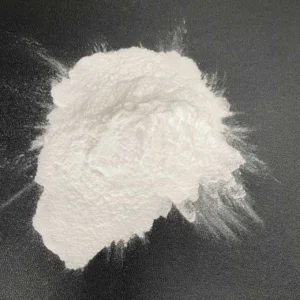
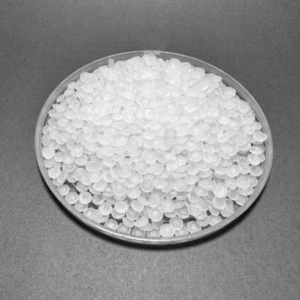
PFA Material Supplier | Peflon
Melt-processable PFA resin for liners, wire, cable, film and semiconductor parts.
Technical Support of PFA Dispersion
Choosing and applying PFA dispersion raises real engineering questions — grade selection, fusing temperature, substrate prep and film build. Our technical library shares practical, hands-on guidance from the Peflon materials team.
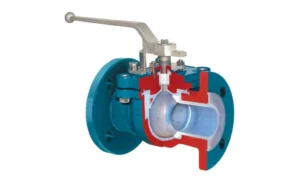
How to Produce PFA Lining for Valve and Pipe
How to Select the Right PFA Material
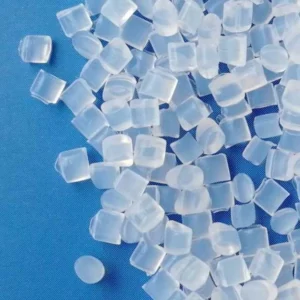
What Is PFA Plastic and Why Is It So Useful?
Get a PFA Dispersion Grade Match & Sample
Tell us your substrate, coating method and target market — our engineers will match a PFA dispersion grade, reply within 24 hours with the TDS, and ship a free sample within 7 days.