
PTFE Molding Powder Manufacturer & Supplier
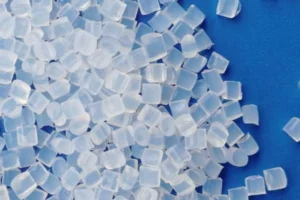
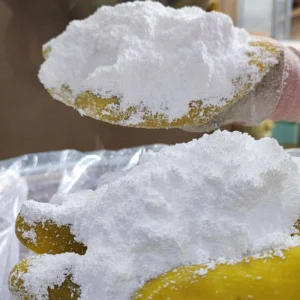
Peflon PTFE molding powder — suspension-polymerized granular resin for compression molding. Uniform flow, non-stick release and broad chemical resistance for pressed sheets, rods, billets and gaskets.
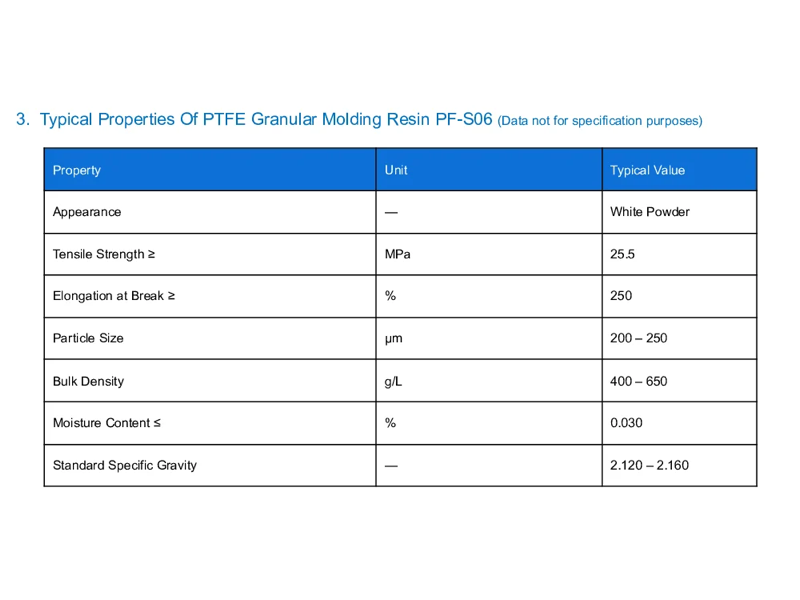
- 6 grades across medium-granular and fine-particle types, matched to your billet size and application
- Not melt-processable — engineered specifically for compression molding, not paste extrusion
- KKDIK / REACH / FDA documented — free samples and TDS available before you commit
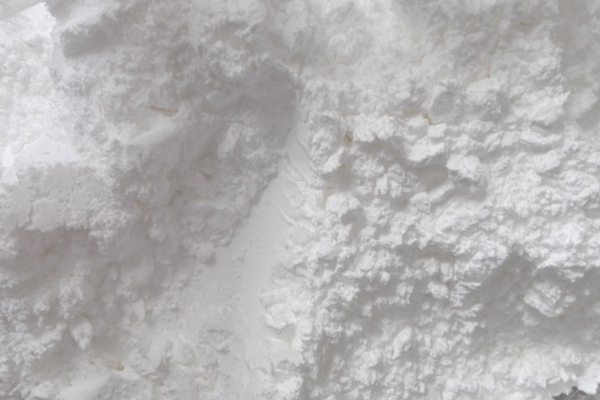
What Is PTFE Molding Powder?
PTFE molding powder (CAS 9002-84-0) is a suspension-polymerized granular grade of polytetrafluoroethylene, engineered specifically for compression molding — not paste extrusion. Processors cold-press the granular resin into a preform, then sinter it above 327°C to fuse the particles into a dense, void-free billet, which is later machined, skived or turned into finished stock shapes.
Peflon supplies 6 molding-powder grades: 2 medium-granule grades (150–300 µm) for large sheets, rods and gaskets, and 4 fine-particle grades (15–40 µm) for films, electrical insulation, high-purity semiconductor components and flex-critical parts like diaphragms and bellows. Molding powder is distinct from PTFE fine powder (paste-extrusion grade, cannot be compression molded) and PTFE dispersion (liquid emulsion for coating/impregnation) — all three are different raw-material forms of the same PTFE chemistry. Test methods follow ASTM D4894.
PTFE Molding Powder Properties
| Property | Typical Value |
|---|---|
| Average particle size | 15–300 µm (grade-dependent) |
| Bulk density | 300–650 g/L (grade-dependent) |
| Melting point | 327 ± 5°C |
| Tensile strength | ≥25.5–35 MPa (grade-dependent) |
| Elongation at break | ≥250–400% (grade-dependent) |
| Moisture content | ≤0.030% |
| Continuous service temperature | −200°C to +260°C |
| Processing route | Compression molding (cold press + sinter) — not melt-processable, not paste-extrudable |
Values are typical across the 6-grade range; see Grade Selection below for grade-specific data. Values are typical and not to be construed as specification limits.
PTFE Molding Powder Grades & Data Sheets
Six suspension-polymerized PTFE molding grades — 2 medium-granule (150–300 µm) and 4 fine-particle (15–40 µm) — for compression-molded sheets, rods, billets, films and precision parts. Click a grade to download its Technical Data Sheet (PDF); values are typical, not for specification purposes.
Suspension Granular Molding Resin (Medium Particle)
| Grade | Particle Size (µm) | Tensile (MPa) | Elongation (%) | Bulk Density (g/L) | Typical Application |
|---|---|---|---|---|---|
| PF-S06 | 200–250 | ≥25.5 | ≥250 | 400–650 | Large molded sheets and rods, skived/machined components, wet-process/cleaning tanks, pipe and vessel linings, semiconductor components |
| PF-S02 | 150–300 | ≥27 | ≥250 | 500 ± 100 | PTFE sheets and rods, molded gaskets, bearings, pre-sintered materials, industrial sealing components |
Suspension Fine Molding Powder
| Grade | Particle Size (µm) | Tensile (MPa) | Elongation (%) | Bulk Density (g/L) | Typical Application |
|---|---|---|---|---|---|
| PF-S06A | 15–30 | ≥30 | ≥300 | 300–450 | PTFE films, pigmented films, base material for free-flow resins, general molded and electrical insulation parts |
| PF-S08A | 30–40 | ≥30 | ≥300 | 300–480 | Large pressed billets, skived film, skived sheet, semiconductor/5G/medical components |
| PF-S61A | 20–30 | ≥35 | ≥400 | 300–500 | Sealing gaskets requiring high creep resistance, high-end pump and valve linings, semiconductor/5G components, electrical insulation |
| PF-S62A | 20–30 | ≥30 | ≥350 | 300–500 | Diaphragms, bellows, flexible molded components, semiconductor/5G components, electrical insulation |
PTFE Molding Powder Applications
Peflon PTFE molding-grade granular powder is compressed and shaped under controlled conditions — producing precise, customized rods, tubes, sheets, bellows, piston rings, valve plugs, diaphragms, gaskets and seals.
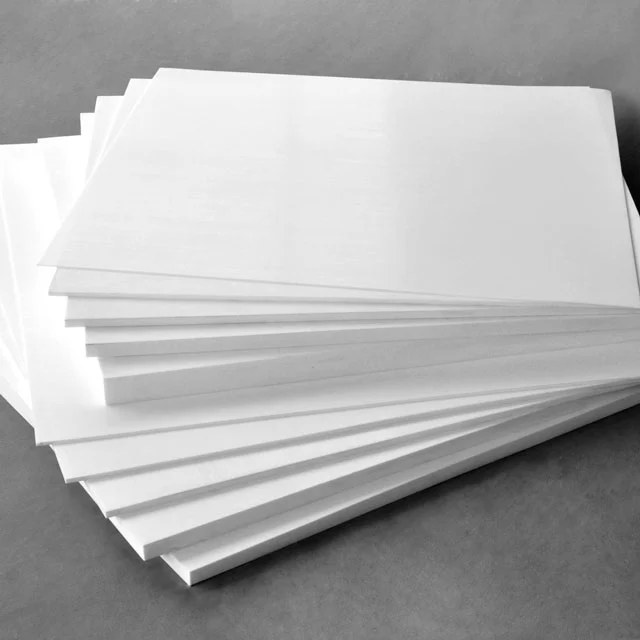
Teflon Sheets
Compressed and shaped via skiving or rolling into thin, flat sheets.
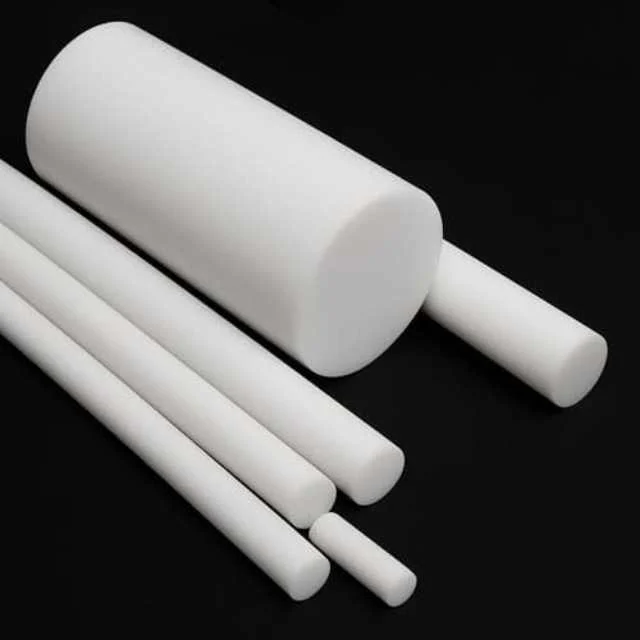
Rods
Cylindrical stock for bearings, insulators and mechanical/electrical/chemical components.
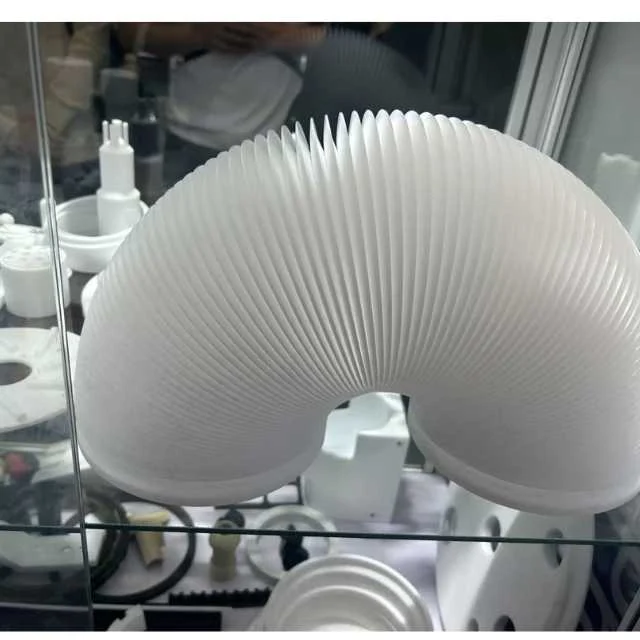
Bellows
Accordion-like structures for pumps, valves and piping — flexibility under expansion/contraction.
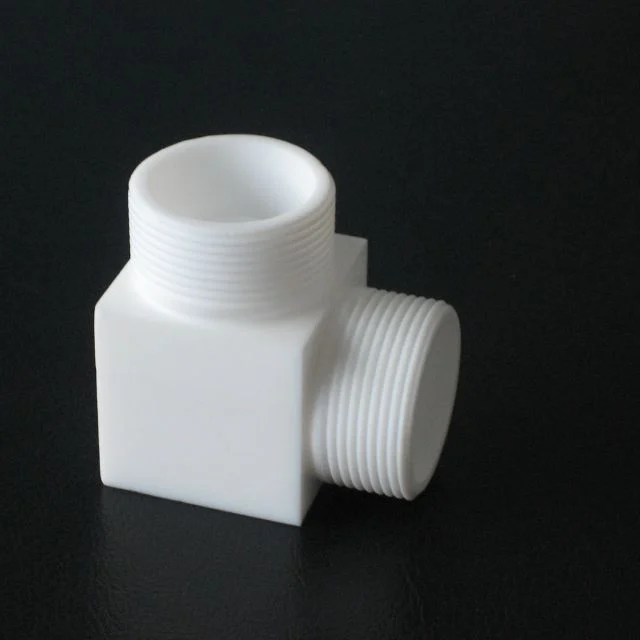
Valve Plugs, Diaphragms
For industrial valves and pumps in fluid handling systems.
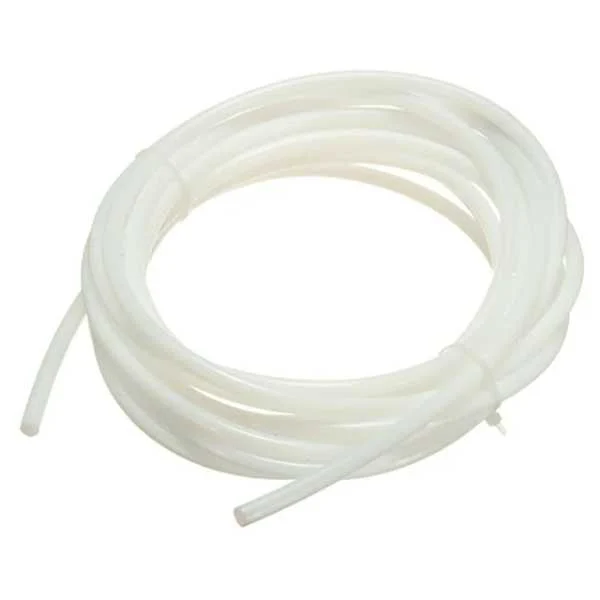
PTFE Tubes
Machined or molded tubes in various diameters and lengths.
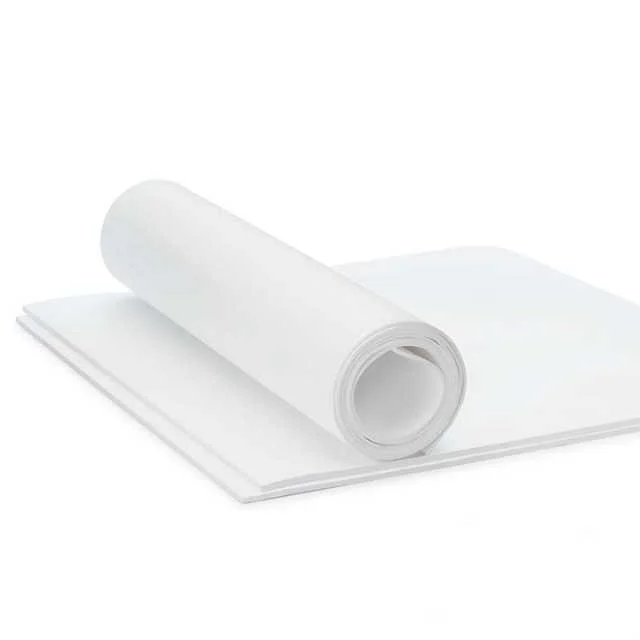
Skived Films & Sheets
Sliced from PTFE resin blocks into precise-thickness flat sheets — aerospace, food, pharma.
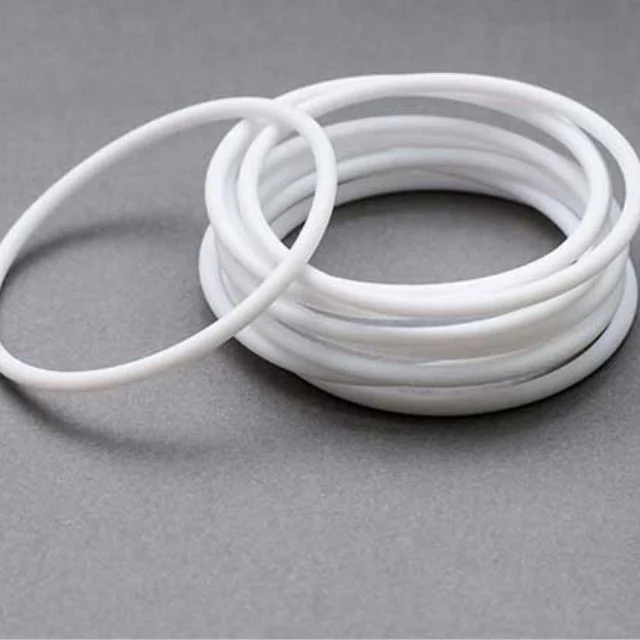
Piston Rings
Precision-molded or cut rings for sealing pistons in automotive, hydraulic and machinery.
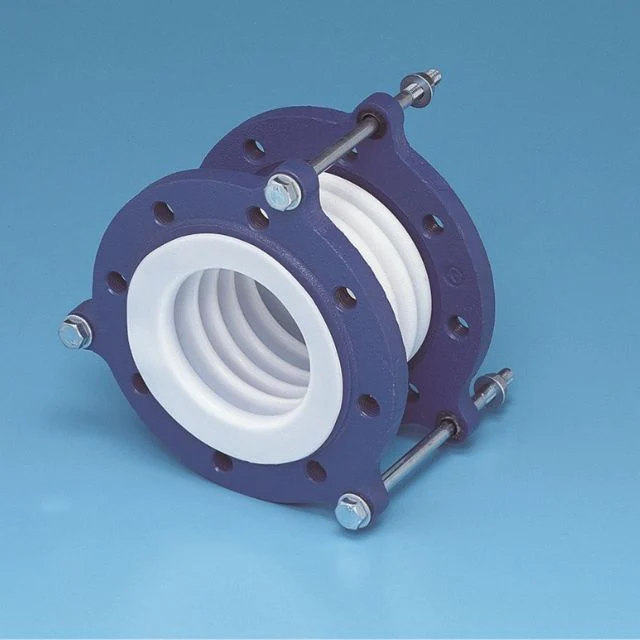
Expansion Joints
Layered PTFE assemblies for bridges and piping systems under thermal expansion.
PTFE Granular Molding Powder Processing
From raw resin to finished part — the compression-molding workflow for PTFE stock shapes like rods, tubes, sheets and billets.
At sintering temperatures, fluoropolymer decomposition can release fumes that cause polymer fume fever — processors should follow OSHA ventilation guidance when sintering PTFE molding powder.
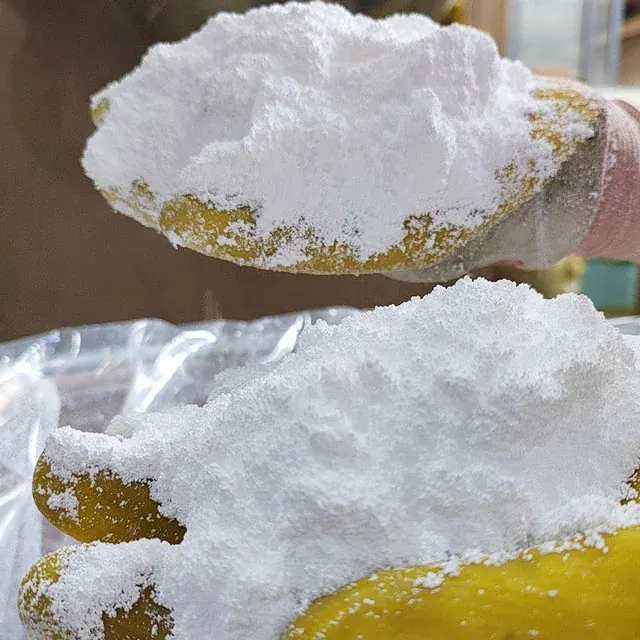
1 · Material Selection
Select the right virgin or filled PTFE molding grade by particle size, molecular weight and end-use requirement.

2 · Mould & Die Selection
Choose a mould sized to the target billet or part, matched to press tonnage and shrinkage allowance.

3 · Compression Molding
Cold-press the PTFE resin in the mould under high pressure to form a dense, uniform preform.
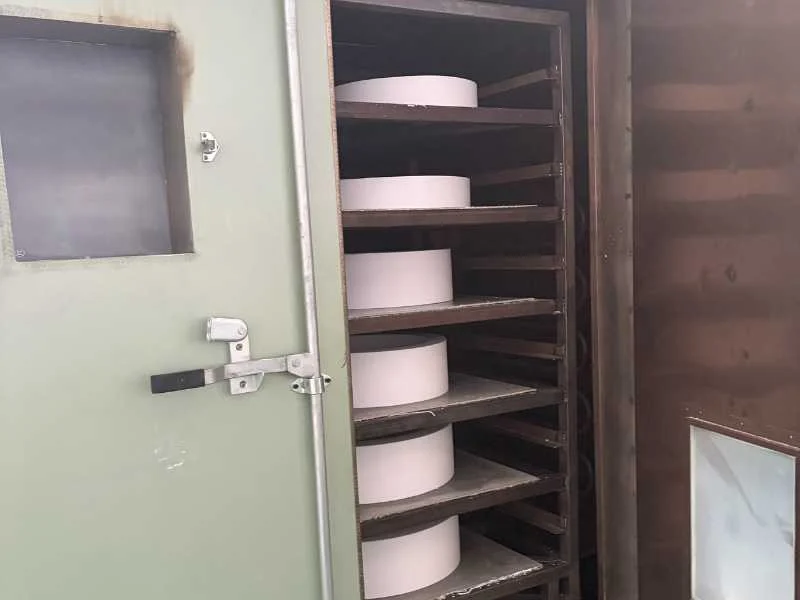
4 · Sintering
Sinter the preform above 327°C to fuse the particles into a solid, void-free billet, then cool under control.
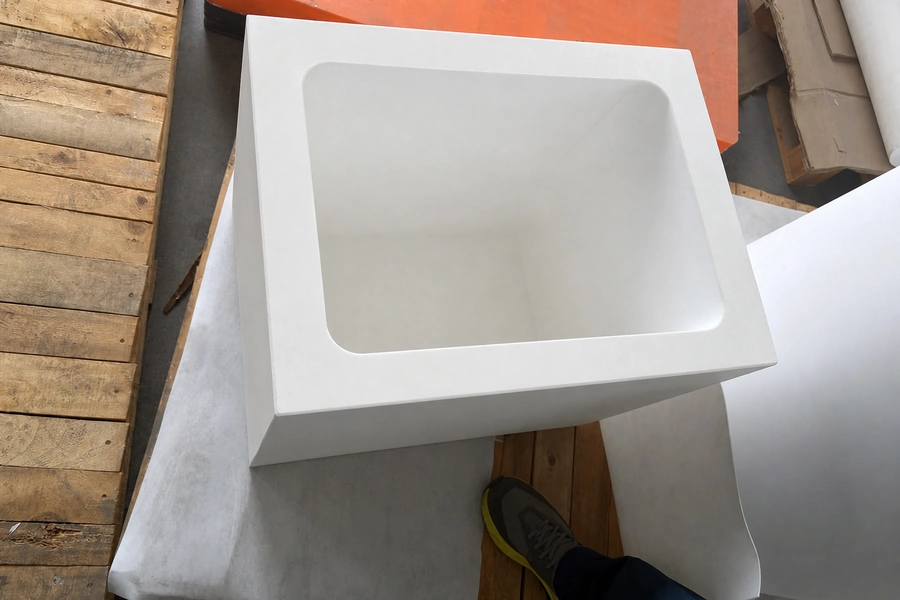
5 · Semi-Finished Billet
Cooled rods, tubes, sheets and billets — dimensionally stable stock shapes ready for finishing.

6 · CNC Machining & Turning
Finish to final part tolerances by CNC machining, turning, skiving or cutting.
PTFE Molding Powder Chemical Resistance
PTFE molding powder shares PTFE’s broad chemical resistance — the compression-molded, sintered form resists virtually all industrial chemicals with no plasticizers or additives to leach out.
| Chemical | Class | Resistance |
|---|---|---|
| Sulfuric acid, hydrofluoric acid | Mineral acids | Excellent |
| Sodium hydroxide, strong bases | Alkalis | Excellent |
| Chlorinated and fluorinated solvents | Halogenated solvents | Excellent |
| Aromatic and aliphatic hydrocarbons | Organic solvents | Excellent |
| Molten alkali metals, elemental fluorine | — | Not recommended (known exceptions) |
Why Choose Peflon PTFE Molding Powder
Compression molding punishes the wrong grade choice with cracked billets, voids or off-spec parts. Peflon focuses on getting you to the right grade and keeping it consistent, not on the size of the catalog.
One Grade for Your Part, Not Six to Compare
- Send us your part drawing or billet size and purity requirement (general industrial vs semiconductor/5G) — we point to the grade built for it
- Switching from another brand’s molding resin? Send the datasheet and we match it to the closest Peflon equivalent, including particle size and dielectric strength
- Free small-batch samples to confirm real pressing and sintering behaviour on your own press before a full-volume order
One Press Cycle, Every Batch
- Particle size, bulk density, tensile strength and elongation verified per batch to ASTM D4894 — no surprise shrinkage or voids from a batch that drifted off spec
- Stable sintering behaviour batch to batch, so your preform pressure and sintering profile stay fixed instead of being re-tuned for every new drum
- Certificate of analysis issued with every shipment, traceable to the batch
Documentation Ready for High-Purity and Regulated Buyers
- Low metal ion extractables on our high-purity grades (PF-S06/S08A/S61A), with documentation for semiconductor and wet-process qualification
- FDA, REACH and KKDIK (Turkey) compliance reports, plus PFAS and Stockholm Convention POPs conformance, on file for every grade
- Low-halogen (Cl/Br) content testing available per IEC 61249-2-21 for electronics-grade requirements
FAQ of PTFE Molding Powder
What is the difference between PTFE Molding Powder and PTFE Fine Powder?
Molding powder is suspension-polymerized and processed by compression molding into sheets, rods, billets and gaskets. Fine powder is coagulated from emulsion polymerization and processed by paste extrusion into tubes, tape and wire insulation. The two are not interchangeable — a resin built for one route generally performs poorly in the other.
Is PTFE injection moldable?
No. Virgin PTFE’s melt viscosity is too high to flow through conventional injection-molding equipment. Standard PTFE molding powder is processed by cold compression molding followed by sintering, not injection molding.
What is the typical particle size of PTFE Molding Powder?
Peflon’s medium-granule grades run 150–300 µm and fine-particle grades run 15–40 µm, depending on the target part size and surface finish.
Which molding grade should I choose for semiconductor or high-purity applications?
PF-S06, PF-S08A and PF-S61A are formulated with low metal ion extractables for semiconductor, 5G and high-purity wet-process applications. Tell us your part geometry and purity spec and we’ll confirm the best match.
How should PTFE Molding Powder be stored?
Store sealed, dry and away from contamination in a well-ventilated warehouse. Avoid heavy vibration or mechanical impact during transport. PTFE molding powder is not classified as dangerous goods under ADR, IMDG or IATA.
Is PTFE the same as Teflon?
Yes. Teflon is Chemours’ registered trademark for PTFE (polytetrafluoroethylene) — the resin and chemistry are the same material regardless of brand name.
Related PTFE & Fluoropolymer Products
PTFE Dispersion
Solid content 60 ± 2% — coatings, lubricants and anti-drip additive for plastics.
PCTFE
Resistance to cold flow, rigidity, toughness, excellent dimensional stability and low-temperature properties.
PTFE Fine Powder
For Teflon seal tape, elastic band, fiber, wire, tube, cable and wrapping film.
Technical Support of PTFE Molding Powder
Choosing and compression-molding PTFE molding powder raises real engineering questions — grade selection, press cycle, sintering and machining. Our technical library shares practical, hands-on guidance from the Peflon materials team.

PTFE: How to Select the Right Grade
Practical Limitations of PTFE — What Buyers Often Learn Too Late
Get a PTFE Molding Powder Grade & Sample
Tell us your part, grade and volume — our engineers will recommend a molding grade and reply within 24 hours with the TDS, and ship a free sample.