
PTFE Fine Powder Manufacturer & Supplier
Peflon PTFE fine powder — paste-extrusion grade PTFE resin. Exceptional thermal stability, low friction, chemical inertness and outstanding dielectric properties for continuous tubes, pipe liners, seal tape, breathable membranes and coaxial cable.
- 14 grades, D50 450–750 µm, for paste extrusion, calendering and expansion (ePTFE)
- Includes dedicated binder grades for lithium-battery dry-electrode manufacturing
- KKDIK / REACH / FDA documented — free samples and TDS available before you commit
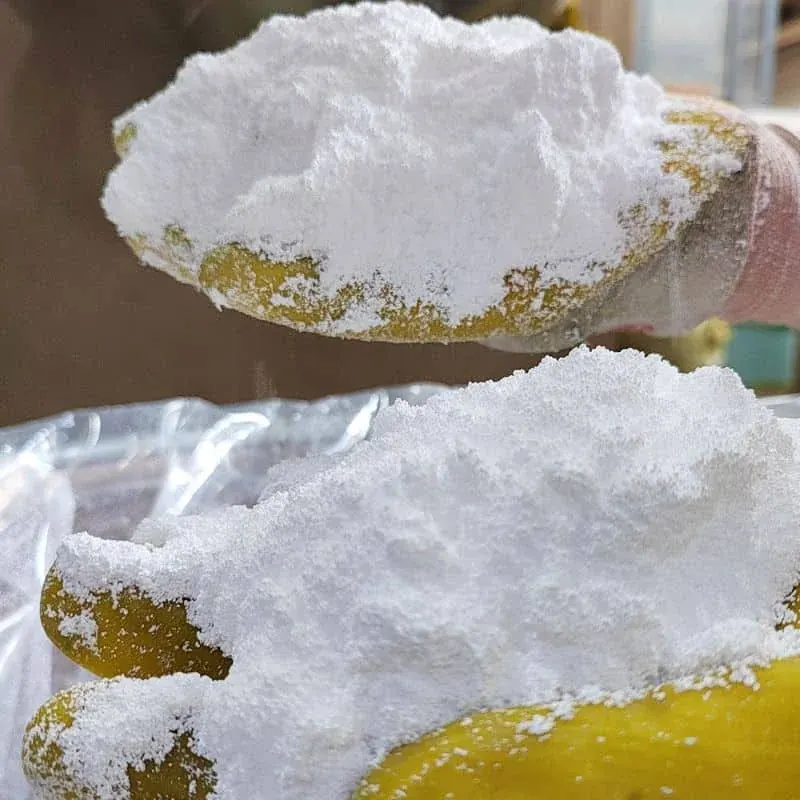
What Is PTFE Fine Powder?
PTFE fine powder (CAS 9002-84-0) is a coagulated, agglomerate-form grade of polytetrafluoroethylene engineered specifically for paste extrusion — not for compression molding or melt processing. PTFE itself is not melt-processable; fine powder is blended with a volatile hydrocarbon lubricant, cold pre-formed, then ram-extruded through a die into continuous profiles, and the lubricant is later dried and burned off during sintering. This route produces tubes, wire and cable insulation, thread-seal tape, spaghetti tubing and — after biaxial stretching — expanded PTFE (ePTFE) breathable membranes.
Peflon supplies 14 fine-powder grades across the D50 450–750 µm range, including two dedicated binder grades for lithium-battery dry-electrode manufacturing. Test methods follow ASTM standards (D638, D792 and others).
PTFE fine powder is distinct from two other PTFE forms it is often confused with: micropowder (a low-molecular-weight, irradiated or directly-polymerized PTFE wax used only as an additive, never formed into parts) and dispersion (a ~60% solids aqueous emulsion used for dip-coating and impregnation). Fine powder is unique in that shear causes it to fibrillate — its molecules draw into interlocking fibers, which is the mechanism behind every fine-powder process below.
PTFE Fine Powder Properties
| Property | Typical Value |
|---|---|
| Average particle size (D50) | 450–750 µm (agglomerate) |
| Bulk density | 400–475 ± 100 g/L (grade-dependent) |
| Melting point | 327 ± 5°C |
| Tensile strength (extruded tape) | ≥24–25 MPa (grade-dependent) |
| Elongation at break | ≥250–650% (grade-dependent) |
| Moisture content | ≤0.030% |
| Processing route | Paste (ram) extrusion with lubricant — not melt-processable |
| Chemical inertness | Resistant to virtually all industrial chemicals and solvents |
Values are typical across the 14-grade range; see Grade Selection below for grade-specific tensile, elongation and bulk density data. Values are typical and not to be construed as specification limits.
PTFE Fine Powder Grades & Data Sheets
Fourteen paste-extrusion polytetrafluoroethylene grades for tube, wire & cable, seal tape, fiber, membrane and battery dry-electrode binder applications. Click a grade to download its Technical Data Sheet (PDF); values are typical, not for specification purposes.
| Grade | Bulk Density (g/L) | Tensile (MPa) | Elongation (%) | Typical Application |
|---|---|---|---|---|
| PF-210 | 475±100 | ≥24 | Excellent: 480-550; First: 300-650 | Low- and medium-density seal tape, short fiber |
| PF-213 | 400±100 | — | — | Binder for cathode materials in dry-electrode battery technology |
| PF-214 | 400±100 | — | — | Binder for anode materials in dry-electrode battery technology |
| PF-230 | 475±100 | ≥24 | ≥300 | Medium-quality, high-density seal tape, elastic band and fiber |
| PF-231 | 475±100 | ≥24 | ≥300 | Thick-wall tube and thin rod at low reduction ratios |
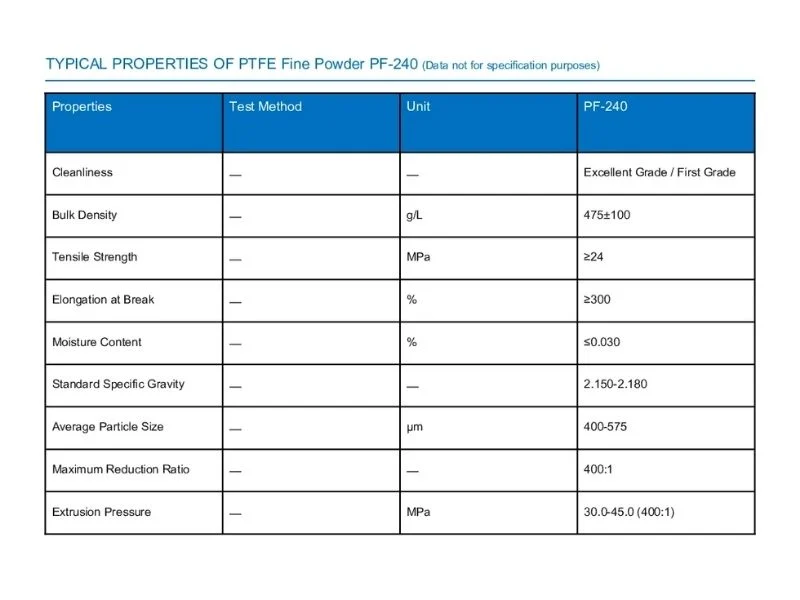
| PF-240 | 475±100 | ≥24 | ≥300 | Elastic band, membrane, cable-wrapping film and high-density seal tape |
| PF-241 | 475±100 | ≥25 | ≥300 | Thin-wall tube and electric wire at medium-to-high reduction ratios |
| PF-242 | 475±100 | ≥24 | ≥300 | Membrane products |
| PF-246 | 475±100 | ≥24 | ≥300 | Thick-wall tube and electric wire |
| PF-247 | 475±100 | ≥24 | ≥250 | Long-fiber products |
| PF-248 | 475±100 | ≥24 | ≥300 | Thin tube, thin-wall tube, wire and cable at medium-to-high reduction ratios |
| PF-249 | 400±100 | ≥25 | ≥300 | Transparent, pressure-resistant tubing |
| PF-260 | 475±100 | ≥24 | ≥300 | Membrane products |
| PF-261 | 475±100 | ≥24 | ≥250 | Membrane products |
PTFE Fine Powder Applications
PTFE fine powder is highly versatile — eleven primary application categories across tubing, sealing, electrical, membrane, medical, fiber and battery-manufacturing markets.
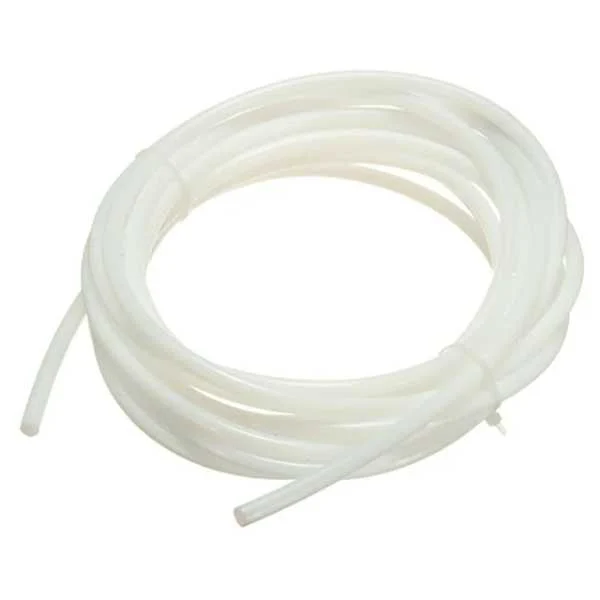
Continuous Tubes & Pipes
Excellent resistance to high temperatures and aggressive chemicals.
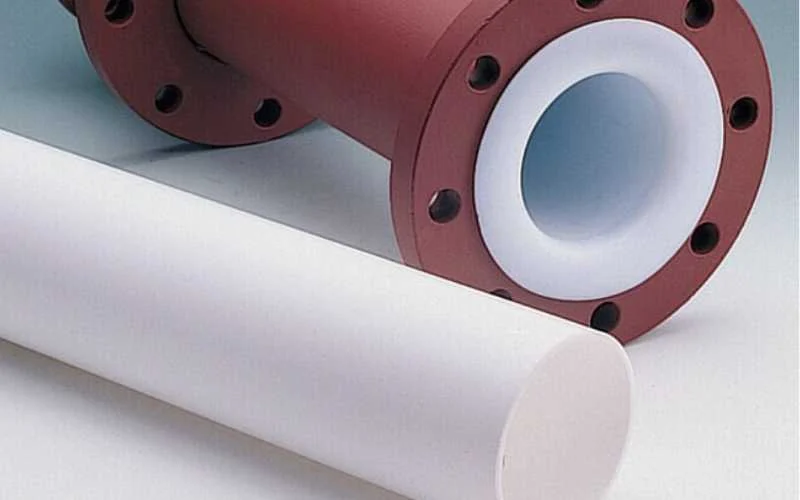
Pipe Liners
Extruded liner for chemical, industrial and oil-&-gas pipeline corrosion protection.
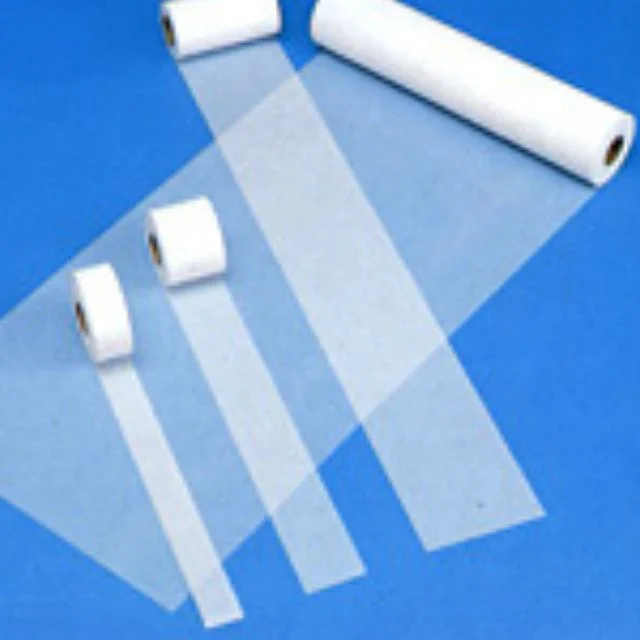
Electrical Tape & Sleeving
High-insulation tape and sleeving for wiring protection in harsh environments.
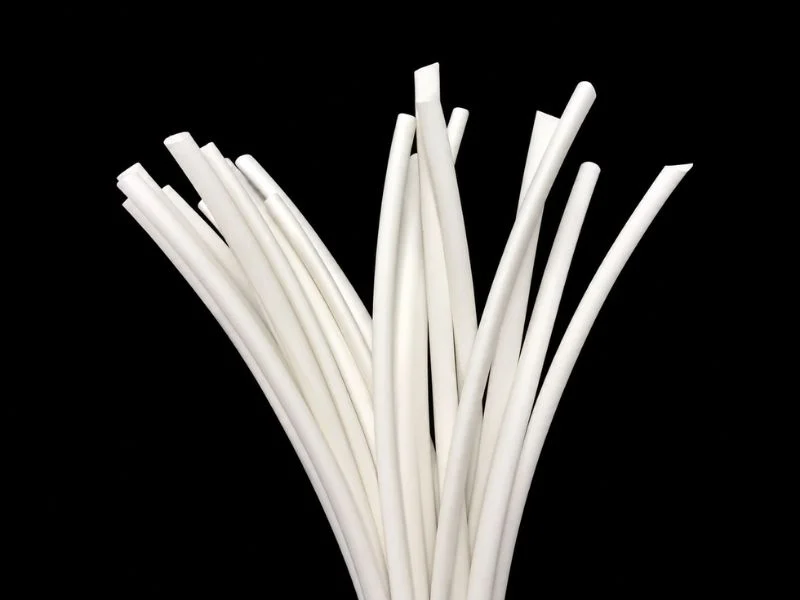
Spaghetti Tubing
Extruded then stretched — medical, chemical and electronics small-bore tubing.
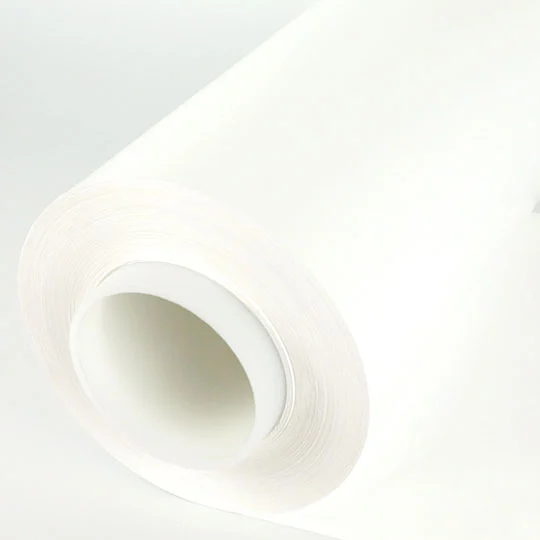
Breathable Membranes
Outdoor apparel, medical textiles, building materials and industrial filtration.
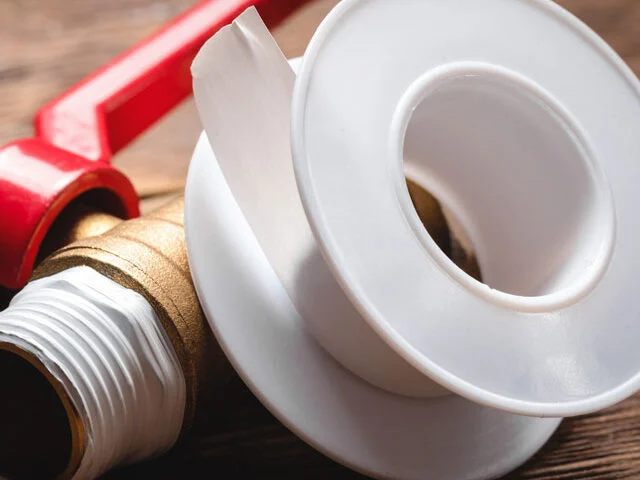
Teflon Seal Tapes
Calendered into thread-seal tape for plumbing and industrial pipe connections.
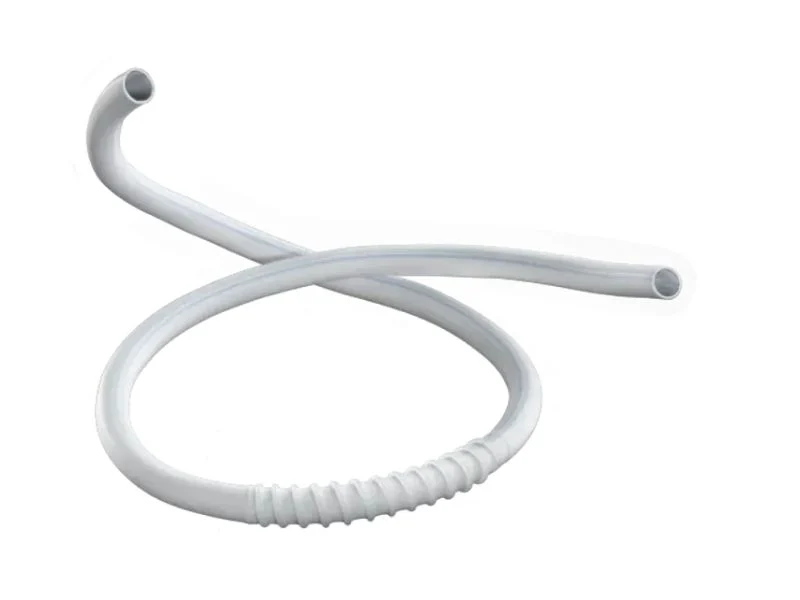
ePTFE Vascular Grafts & Medical Implants
Expanded PTFE’s node-fibril microstructure makes it biocompatible and suturable — used in vascular grafts, cardiovascular patches and hernia-repair mesh.
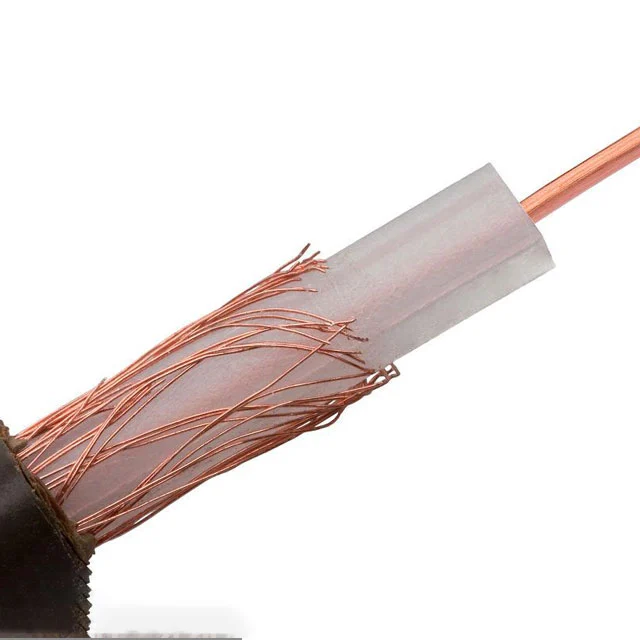
Coaxial Cable
Central conductor + PTFE dielectric + shielding + jacket for enhanced electrical performance.
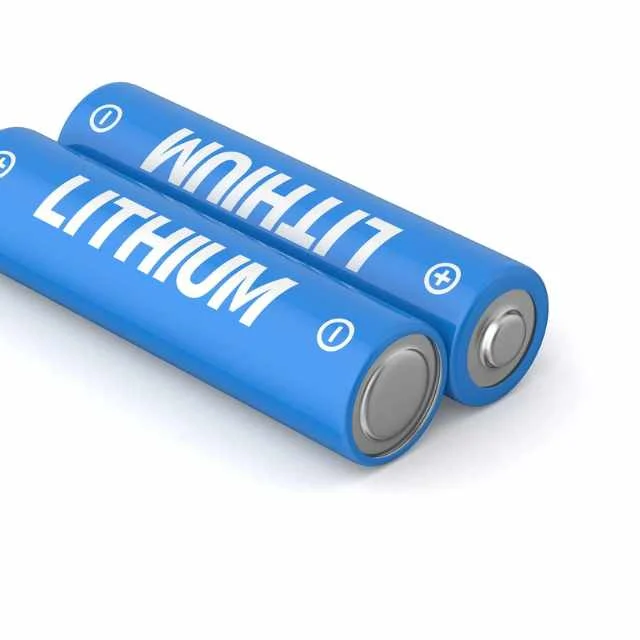
Battery Dry-Electrode Binder
PF-213 (cathode) and PF-214 (anode) fine-powder grades act as fibrillating binders in solvent-free dry-electrode manufacturing for lithium-ion batteries.
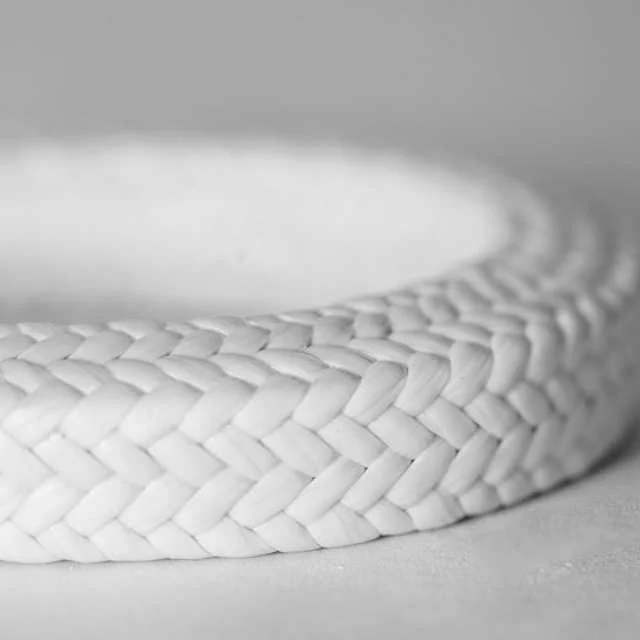
Braided Packing & Gland Yarn
Expanded PTFE fiber is braided into gland packing for pumps, valves, mixers and storage tanks — a self-lubricating, chemically inert alternative to graphite packing.
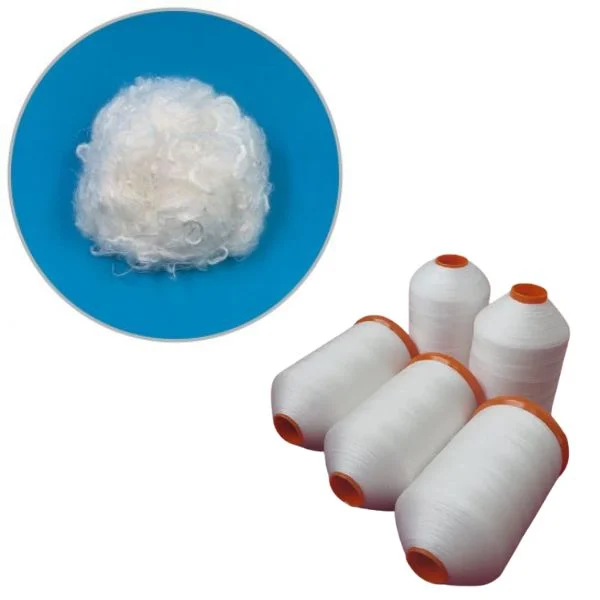
Split-Film Fibrillated Yarn
Expanded PTFE tape is slit and twisted into fibrillated yarn — used as high-temperature filter-bag sewing thread and corrosion-resistant industrial cord.
How Processors Convert PTFE Fine Powder Into Parts
All fine-powder processing derives from one property: unlike molding powder, fine powder cannot be compression-molded, sintered as a billet, or machined. It only forms via lubricant-assisted, low-shear fibrillation.

Paste (Ram) Extrusion
Lubricated PTFE fine powder is preformed then ram-extruded through a die at a set reduction ratio (RR) — the core route for every fine-powder product, followed by lubricant removal (150–250°C) and sintering (360–380°C).

High-Reduction-Ratio Extrusion
High-RR (500–5000) paste extrusion produces thin-wall, highly oriented profiles — the route for wire insulation and thin-wall medical tubing.
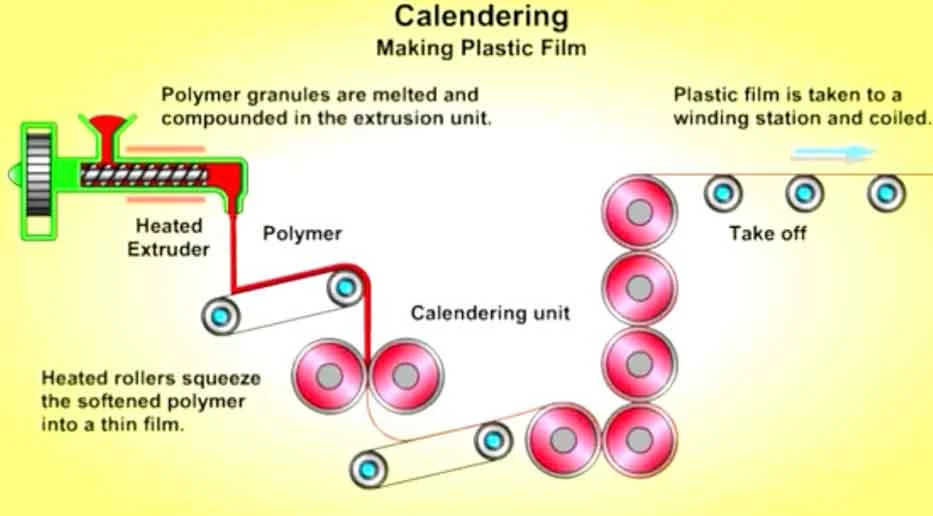
Calendering
Processors pass extruded PTFE tape through heated rollers into thin films or sheets — a precursor step for membrane and dry-electrode film production.
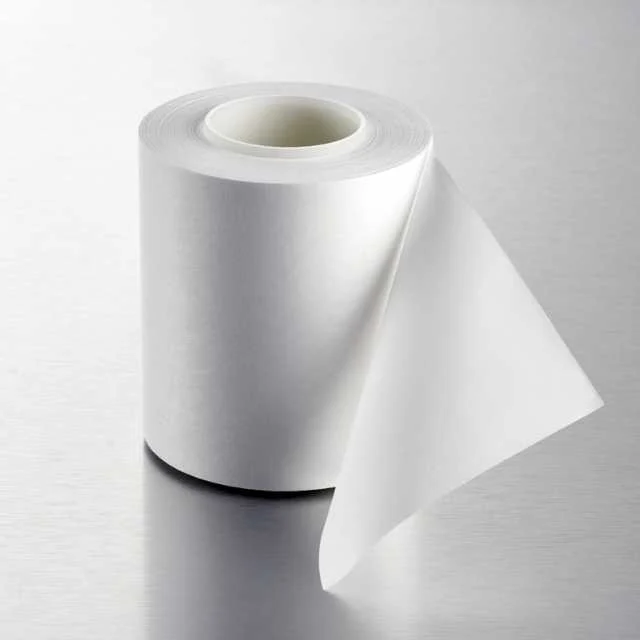
Stretching / Expansion (ePTFE)
Processors biaxially stretch semi-sintered PTFE tape or film at 250–330°C to create microporous expanded PTFE (ePTFE) with its characteristic node-fibril structure.
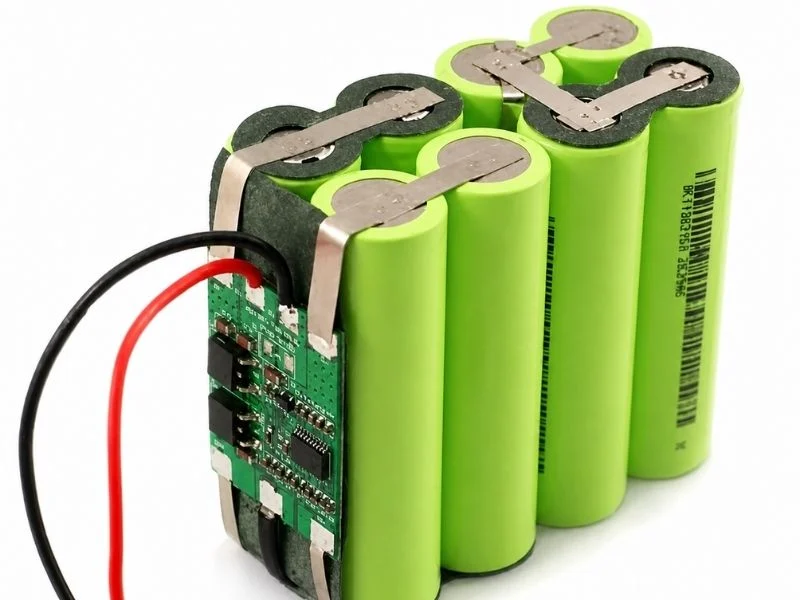
Dry Fibrillation Blending
PF-213/PF-214 fine powder is dry-blended with electrode active material under high shear — the PTFE fibrillates into a binding fiber network with no solvent, casting or drying step required.
PTFE Fine Powder Chemical Resistance
PTFE has the broadest chemical resistance of any common fluoropolymer — including the chlorinated and fluorinated solvents that attack PCTFE — which is why paste-extruded PTFE tube and tape are specified for the most aggressive chemical-transfer duties.
| Chemical | Class | Resistance |
|---|---|---|
| Sulfuric acid, hydrofluoric acid | Mineral acids | Excellent |
| Sodium hydroxide, strong bases | Alkalis | Excellent |
| Chlorinated and fluorinated solvents | Halogenated solvents | Excellent |
| Aromatic and aliphatic hydrocarbons | Organic solvents | Excellent |
| Molten alkali metals, elemental fluorine | — | Not recommended (known exceptions) |
Why Choose Peflon PTFE Fine Powder
Paste extrusion is unforgiving — the wrong grade or an inconsistent lubricant ratio shows up as cracking, uneven wall thickness or scrap. Peflon focuses on the consistency and support that matter for this specific process.
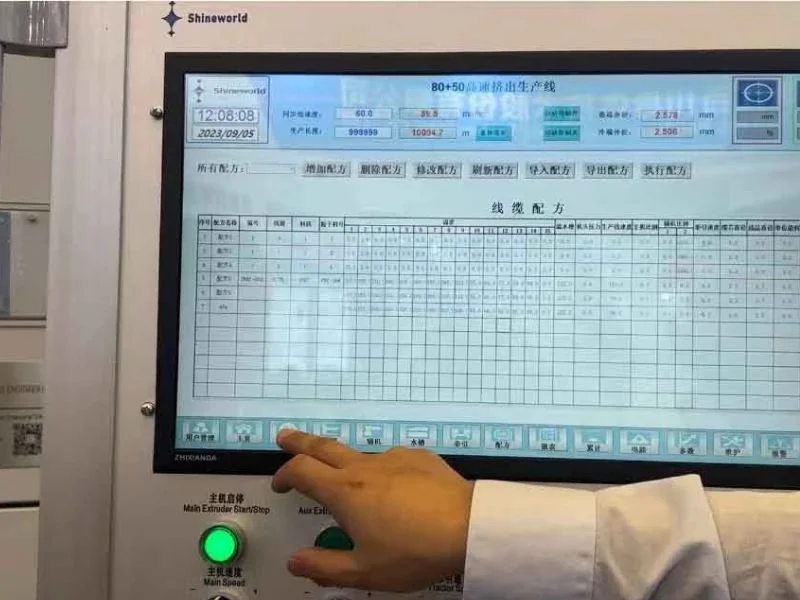
Grade Matching by Application, Process or Cross-Reference
- Tell us your end product and process — seal tape, tube, wire insulation, membrane, dry-electrode binder — and we recommend the grade built for it
- Already running a grade from another supplier? Give us the brand and grade name and we cross-reference it to the closest Peflon equivalent
- Free small-batch samples so you confirm real extrusion behaviour on your own line before committing to a full-volume order
Batch-to-Batch Consistency
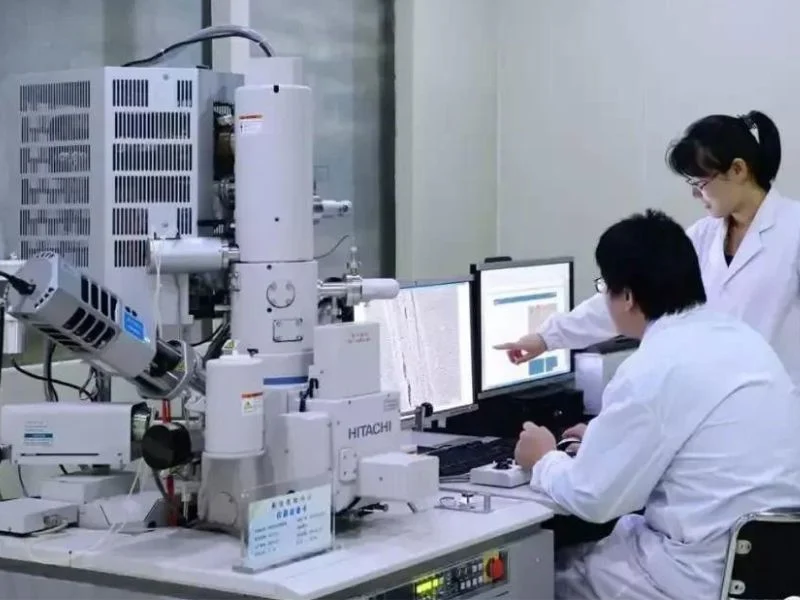
- Particle size, bulk density, tensile strength and elongation checked per batch to ASTM methods — every batch runs the same on your equipment
- Consistent process parameters batch to batch, so your extrusion pressure and reduction ratio don’t need re-tuning each time
- Full technical data sheet and COA available on request
Full Regulatory Compliance Documentation
- FDA, REACH and KKDIK (Turkey) compliance reports on file for every grade
- PFOA-free and compliant with current PFAS regulations and Stockholm Convention POPs limits
- Low-halogen (Cl/Br) content testing available per IEC 61249-2-21 for electronics-grade requirements
FAQ of PTFE Fine Powder
What is the difference between PTFE Fine Powder and PTFE Molding Powder?
PTFE fine powder (D50 450–750 µm) is processed by paste extrusion — tubes, tape, wire insulation, spaghetti tubing. Molding powder (D50 60–260 µm) is processed by compression molding — sheets, rods, billets and large shapes.
What is the typical particle size of PTFE Fine Powder?
Average particle size is 450–750 µm. This coarser agglomerate form paste-extrudes with a lubricant to yield dense, continuous PTFE profiles.
What applications require PTFE Fine Powder specifically?
Any continuous paste-extruded product — Teflon thread seal tape, spaghetti tubing, wire insulation, coaxial cable dielectric, pipe liners, breathable ePTFE membranes. For pressed/sintered billets and machined parts, use molding powder instead.
Does Peflon PTFE Fine Powder require a lubricant for extrusion?
Yes. Paste extrusion blends PTFE fine powder with a volatile hydrocarbon lubricant (typically an isoparaffin). After preforming, the mixture is ram-extruded through a die; the lubricant is later dried and burned off during sintering.
How should PTFE Fine Powder be stored?
Store sealed, dry, below 19°C to minimize agglomeration and moisture pick-up. Before use, precondition bags at target processing temperature and screen to break up any shipping agglomerates.
Is PTFE the same as Teflon?
Yes. Teflon is Chemours’ registered trademark for PTFE (polytetrafluoroethylene) — the resin and processing chemistry are the same material regardless of brand name.
Related Fluoropolymers to PTFE Fine Powder
PFA Material Supplier | Peflon
Melt-processable PFA resin for liners, wire, cable, film and semiconductor parts.
Peek Material
High-performance PEEK material for demanding mechanical and thermal environments.
PVDF
High-purity PVDF resin and powder for chemical, semiconductor and coating applications.
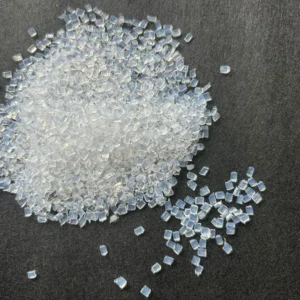
THV Material
THV terpolymer resin for multilayer barriers, clear film and low-temperature sealing.
Technical Support of PTFE Fine Powder
Choosing and paste-processing PTFE fine powder raises real engineering questions — grade selection, lubricant ratio, extrusion and sintering. Our technical library shares practical, hands-on guidance from the Peflon materials team.

PTFE: How to Select the Right Grade
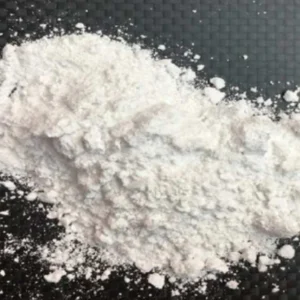
What Are the Applications of PTFE?
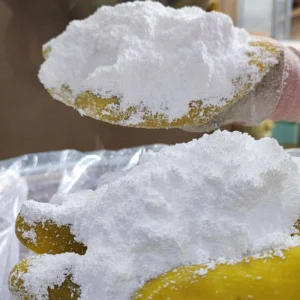
Practical Limitations of PTFE — What Buyers Often Learn Too Late
Get a PTFE Fine Powder Grade & Sample
Tell us your process — paste extrusion, calendering, fiber or membrane — and target dimensions. Our engineers will match a grade, reply within 24 hours with the TDS, and ship a free sample.