
PFA Micro Powder, PFA Powder Coating
Polyfluoroalkoxy PFA micro powder — white, D50 5–100 µm. Used as a functional additive for electrostatic spraying, non-stick coatings, industrial coatings, lubricating materials, inks, engineering plastics and rubber elastomer modification.
- Four D50 grades (5/10/15/30 µm), matched to your formulation and dispersion equipment
- Cross-reference support against 3M and Daikin PFA micropowder/coating-powder grades
- REACH documented — trial samples available before you commit
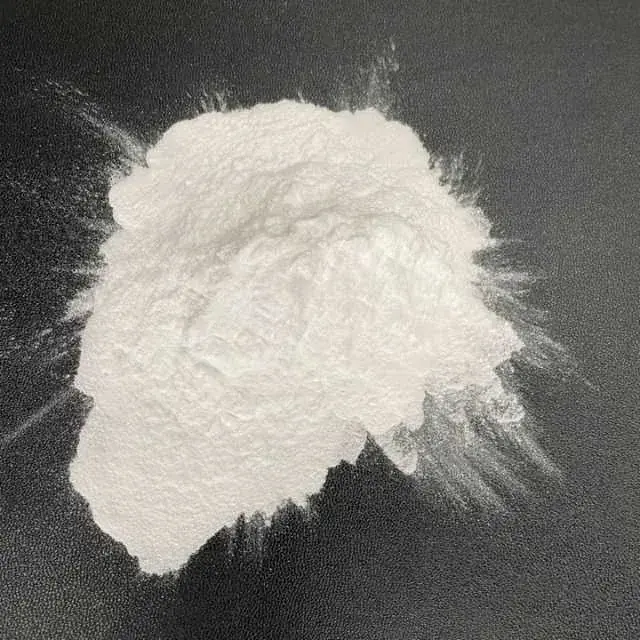
What is PFA Micropowder?
PFA Micropowder — also known as PFA fine powder — is a finely divided PFA (perfluoroalkoxy, CAS 26655-00-5, a melt-processable tetrafluoroethylene copolymer) additive used to modify surface behavior in industrial formulations. Peflon’s PFA resin grades are tested against ASTM D3307, the standard specification for PFA fluorocarbon resin.
Peflon PFA micropowder focuses on controlled particle size, formulation compatibility and supply consistency — typically blended into coatings, inks, plastics and compounds where slip, wear resistance or processing stability matters. Peflon supplies the powder; the electrostatic spraying, ink formulation or compounding itself is done by the processor who buys it — in-house production with documented QC supports distributors and OEM manufacturers needing reliable long-term supply.
PFA Micropowder Properties
All four D50 grades share a common base-resin property profile from Peflon’s TDS testing — particle size and MFR are the main variables (see Grade Comparison below).
| PFA Micropowder Property | Typical Value | Notes |
|---|---|---|
| Melting point | 305°C | — |
| Density | ~2.15 g/cm³ | Typical for unfilled PFA |
| Dielectric constant | ~2.1 (1 MHz) | Per ASTM D3307 test method |
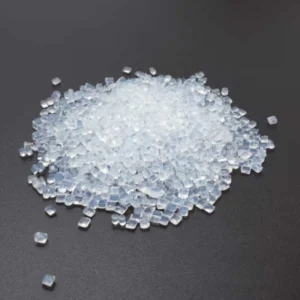
| Appearance | White, free-flowing powder | Grade-dependent particle size |
| Continuous service temperature | Up to ~260°C | As additive loading in host formulation, not standalone part |
PFA Micropowder Grade Comparison
Four PFA micropowder grades span D50 5–30 µm for different formulation and dispersion needs. Only PF-4P30 has a downloadable Technical Data Sheet on file; TDS for PF-4P05/10/15 were checked against Peflon’s media library and internal document archive and are not currently available — values below are Peflon’s standard spec sheet figures, not a PDF citation.
| Grade | D50 (µm) | MFR (g/10 min) | Key Feature | Brand Equivalence |
|---|---|---|---|---|
| PF-4P05 | 5.0 | 20 | Fine-grade — coatings, inks and surface modification | Similar to fine-particle 3M™ PFA micropowder grades |
| PF-4P10 | 10.0 | 25 | Balanced — plastics, compounds and general formulations | Comparable to mid-range 3M™ PFA micropowder grades |
| PF-4P15 | 15 | 25 | Medium particle — wear control and processing stability | Similar application range to coarse 3M™ PFA micropowder |
| PF-4P30 | 30 | 3.2 | Coarser — heavy-duty compounding and specialty uses | Comparable to large-particle 3M™ PFA micropowder grades |
PFA Micropowder Applications
PFA micropowder is a functional additive, not a finished coating — processors buy the powder and do their own electrostatic spraying, ink formulation or compounding. Real search demand for “pfa powder coating” is dominated by coating-service applicators, not powder suppliers — Peflon supplies the raw material they use.

Industrial Coating
Processors electrostatically spray Peflon PFA micropowder onto tanks, stirrers, reactors and process equipment for chemical-resistant coatings — Peflon supplies the powder, not the coating service.
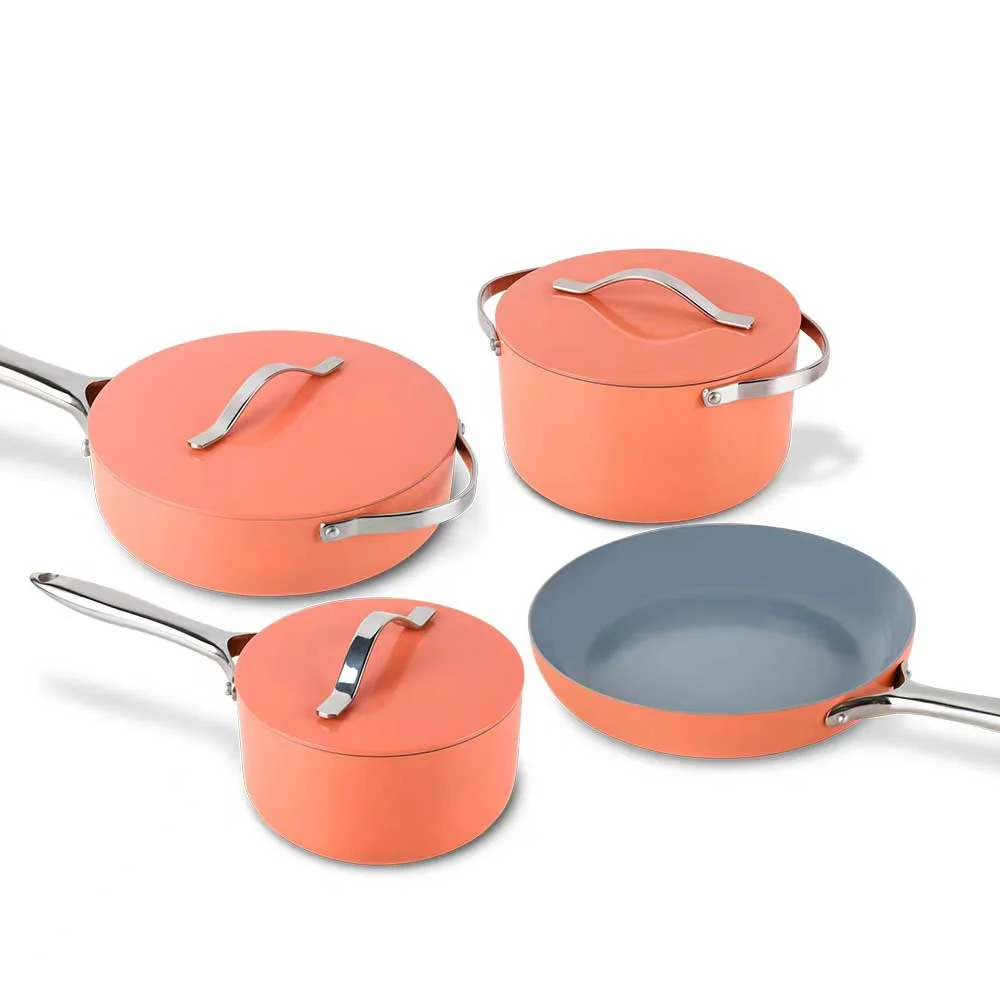
Non-Stick Coating for Cookware
Coating manufacturers use fine-grade PFA micropowder as a release-layer additive for cookware, bakeware and food-contact metal surfaces.
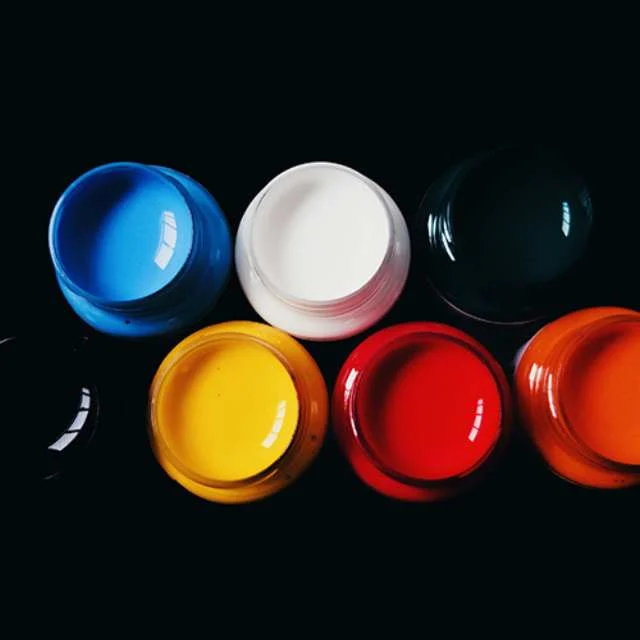
Ink
Ink formulators blend Peflon PFA micropowder into offset, gravure and UV printing inks as a slip and rub-resistance additive.
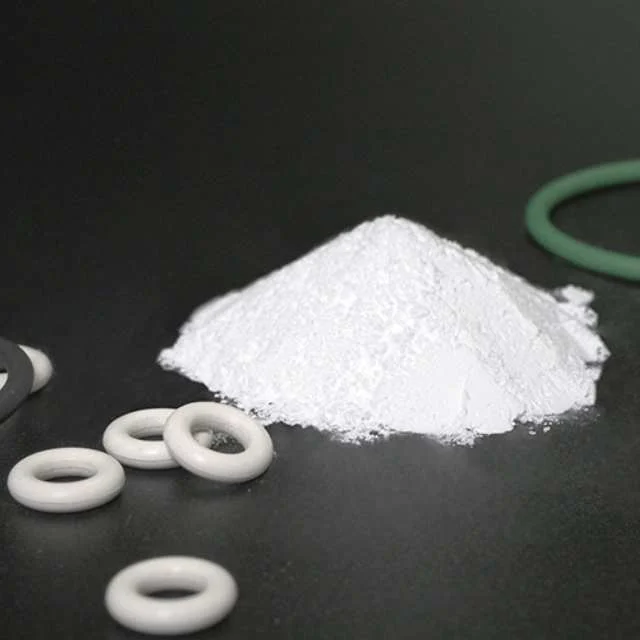
Rubber Elastomers
Compounders blend PFA micropowder into sealing, bushing and dynamic elastomer compounds to reduce wear and friction — a common application tracked by the Fluid Sealing Association, the North American trade body for sealing-product manufacturers.
PFA Micropowder Chemical Compatibility
PFA shares the near-universal chemical resistance of the wider fluoropolymer family — the exceptions below are the rare cases worth flagging before you finalize a formulation.
| Chemical | Class | Resistance |
|---|---|---|
| Sulfuric, hydrochloric, nitric, hydrofluoric acids | Mineral acid | Excellent, full concentration range |
| Sodium hydroxide (40%) | Strong base | Excellent |
| Acetone, methanol, toluene | Solvent | Excellent |
| Chlorinated solvents | Chlorinated solvent | Excellent |
| Molten alkali metals | — | Not recommended, any temperature |
| Elemental fluorine | — | Not recommended above 300°C |
Why Choose Peflon PFA Micropowder
Most PFA micropowder buyers already have a formulation qualified around a 3M (Dyneon) or Daikin grade — the real question isn’t “why switch,” it’s “will this specific grade drop into my process without re-qualifying everything.”
A Verified Match, Not a Generic Substitute
Buyers switching off a major brand aren’t looking for “a fluoropolymer powder that’s similar” — they need the same D50 and MFR window their formulation was qualified against. Peflon’s PF-4P30 (D50 30µm) is sized to match 3M™ Dyneon™ Fluoroplastic PFA 6503PAZ, the large-particle grade commonly specified for electrostatic powder coating — not just “in the same ballpark.”
- Per-batch D50/MFR testing on file, not a generic datasheet range
- Grade-by-grade cross-reference against the specific 3M or Daikin grade you currently run
Documented Second Source
Qualify Peflon as a documented second source alongside 3M (Dyneon) and Daikin’s NEOFLON PFA coating-powder line — full TDS traceability so your QA file shows a real equivalent grade, not just a price quote.
- REACH documentation on file
- Consistent batch-to-batch particle size, not a wide “typical range”
Validate Before You Requalify Your Line
Swapping a qualified brand grade for an unverified one risks a full re-qualification cycle if dispersion or finish comes out different. Trial samples let you confirm particle size and dispersion behavior on your own equipment before you commit to a production order.
- Samples shipped for bench evaluation against your current grade
- Technical review of your formulation before you order
Certified & Consistent Supply
ISO-certified quality management with REACH documentation on file, backed by consistent batch-to-batch particle size for repeat and scale-up orders — so the grade you qualify is the grade you keep receiving.
- REACH documentation on file
- Consistent batch quality for long-term sourcing
FAQ of PFA Micropowder
What is the typical D50 range for PFA Micropowder?
D50 particle size varies by grade and application focus. Buyers use D50 as the main reference point to compare different PFA micropowder options and narrow down suitable grades for testing — Peflon stocks 5 / 10 / 15 / 30 μm D50 across PF-4P05 to PF-4P30.
How do I choose the right PFA Micropowder grade?
First identify the application type — coating, plastic compound or ink. Then use D50 particle size and MFR as the primary indicators to shortlist suitable grades before bench evaluation.
Is PFA Micropowder used as a main raw material?
No. PFA micropowder is a functional additive, not a base polymer. It’s added in controlled amounts to existing formulations to adjust surface-related behavior — slip, wear, release — without replacing the main material.
Can the same PFA Micropowder grade be used across different applications?
Some grades may be evaluated in more than one application — e.g. both coatings and plastic compounds. Performance depends on formulation systems, so bench testing is recommended before scale-up.
How should PFA Micropowder be compared with other brands?
Compare on particle size (D50), processing behavior and application fit. Brand name alone is insufficient — technical parameters and test results are more relevant for selection.
Related to PFA Micropowder
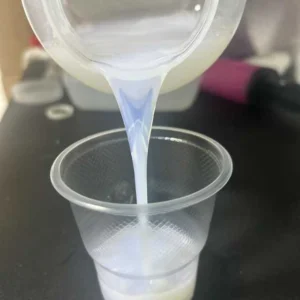
PFA Dispersion
Need a liquid coating system instead of powder? Peflon also supplies PFA dispersion for spray and dip coating.
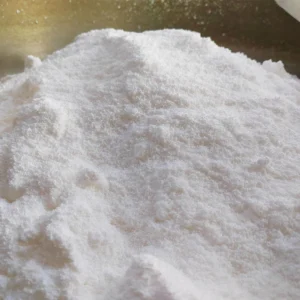
FEP Micro Powder
Need a lower-melting-point fluoropolymer additive? Peflon also supplies FEP micro powder for similar coating and compounding uses.
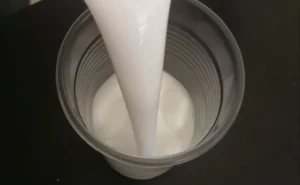
PTFE Dispersion
Need a water-based dispersion for impregnation or coating instead of dry powder? Peflon also supplies PTFE dispersion.
Technical Support of PFA Micropowder
Formulating with PFA micropowder raises real engineering questions — particle size, dispersion, coatings and additive loading. Our technical library shares practical, hands-on guidance from the Peflon materials team.
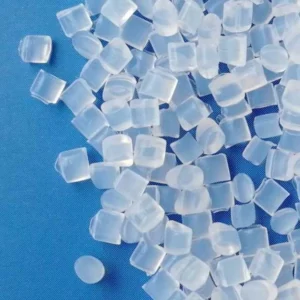
What Is PFA Plastic and Why Is It So Useful?
What makes PFA useful across coating, compounding and molding applications.
PFA Material: Properties, Applications, and PFA vs PTFE
PFA vs PTFE — properties and application differences that affect grade selection.
What Is PFA? What Is PFA Used For?
A broader look at what PFA is used for across industries.
Get a Free PFA Micropowder Sample
Tell us your application and target D50 — our engineers will recommend a grade, send the TDS and reply within 24 hours.