
FEP Material — Resin, Powder & Dispersion
Peflon supplies FEP material in pellet, powder and dispersion form to buyers evaluating a documented second-source manufacturer — ten grades in stock with TDS, SDS and REACH/FDA documentation ready for review.
- Extrusion & coating grades — tubing, film and sheet, plus coating-grade dispersion for spray and powder application
- Grade cross-reference support — match your current FEP grade without re-engineering your spec
- KKDIK / REACH / FDA documented — trial samples available before you commit
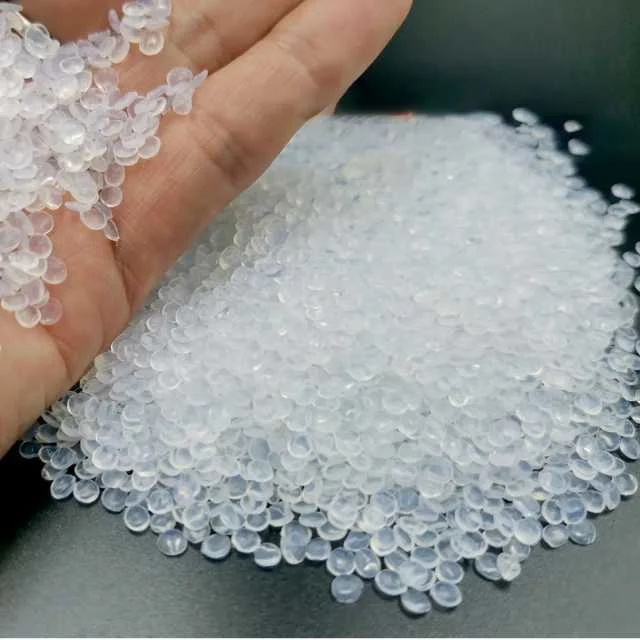
What is Teflon FEP?
Peflon FEP is a copolymer of hexafluoropropylene and tetrafluoroethylene, known for its chemical resistance, non-stick properties, and high transparency. It differs from polytetrafluoroethylene (PTFE), which is typically used for chemical inertness, flexibility, and resistance to temperature.
If you’re evaluating a second source for an existing FEP grade, share your current part or datasheet target — we’ll shortlist an equivalent Peflon grade with COA/SDS for faster internal approval.
With Peflon, you source FEP material in practical forms such as resin pellets and application grades (CAS 25067-11-2), supported by COA/SDS for faster internal approval. See independent FEP material properties for baseline data.
FEP Properties
| FEP Material Property | Typical Value / Range | Notes |
|---|---|---|
| Density | ~2.1–2.3 g/cm³ | Common fluoropolymer range |
| Melting point | ~260 °C | Typical FEP polymer melt |
| Continuous service temp | ~200–205 °C | Often cited as ~204 °C |
| Dielectric constant | ~2.1 | Measured typically at 1 MHz |
| Dissipation factor | Very low | Grade-dependent |
| Water absorption | Very low | Grade-dependent |
| Flame rating | UL 94 V-0 | Depends on specific grade |
Forms of Peflon FEP
FEP ships as resin, powder or dispersion — the right form depends on how you’ll process it, not just the material grade.
FEP Resin
Pellet form for extrusion and molding — cable & wire insulation, tubing, film and injection-molded parts.

FEP Dispersion
Aqueous dispersion for spray coating, impregnation and glass-fabric lamination — cures to a nonporous film.
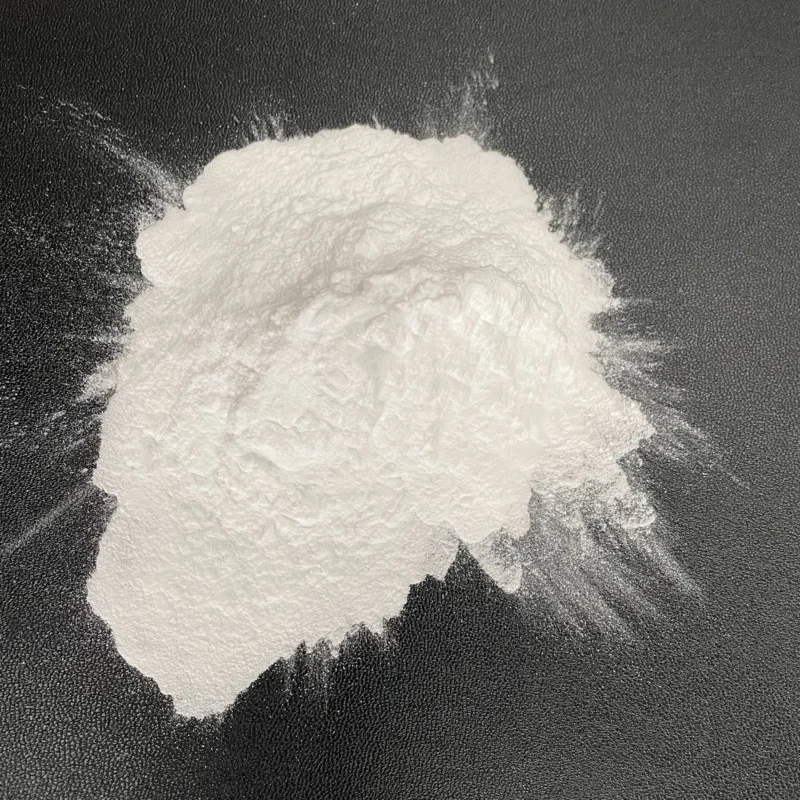
FEP Powder
Electrostatic powder coating grade for anti-corrosion linings on pipes, valves and industrial equipment.
All Grades of Peflon FEP Material
Seventeen FEP grades cover melt-flow rates from 0.8 to 42 g/10 min across pellet, powder and dispersion forms, matched by MFR and application below. Grade codes link to the datasheet (PDF).
| Grade | MFR (g/10 min) | Form | Feature | Application |
|---|---|---|---|---|
| PF-3D03 | 0.8–10.0 | Dispersion | Excellent chemical resistance | Coating, impregnation, electrical insulation, injection film, chemical isolation |
| PF-3P51 | ≥(5 KG, 372°C) | Powder | D50 30–50 µm | Valve & piping linings, anti-corrosion and insulation coatings |
| PF-301 | 0.8–2.0 | Pellet | Tensile ≥30.0 MPa, elongation ≥320%, MIT ≥80,000 cycles | Linings for pumps, valves and piping; large-size compression-molded parts |
| PF-302 | 2.1–5.0 | Pellet | Tensile ≥26.0 MPa, MIT ≥30,000 cycles | Extruded pipes with resistance to thermal stress cracking |
| PF-303 | 5.1–8.0 | Pellet | Tensile ≥22.0 MPa, MIT ≥15,000 cycles | Cable sheath |
| PF-304 | 8.1–12.0 | Pellet | Tensile ≥22.0 MPa, MIT ≥15,000 cycles | Cable sheath |
| PF-305 | 12.1–16.0 | Pellet | Tensile ≥20.0 MPa | Cable insulation, medium- or low-speed processing |
| PF-306 | 16.1–20.0 | Pellet | Tensile ≥20.0 MPa | Cable insulation, medium- or low-speed processing |
| PF-307 | 20.1–24.0 | Pellet | Tensile ≥18.0 MPa | Cable insulation, medium- or low-speed processing |
| PF-308 | 24.1–28.0 | Pellet | Tensile ≥18.0 MPa | Cable insulation, medium- or low-speed processing |
| PF-309 | ≥28.1 | Pellet | Tensile ≥17.6 MPa | Cable insulation, medium- or low-speed processing |
| PF-310H | 12.1–42.0 | Pellet | High crack resistance, high-speed extrusion, low dielectric loss at high frequency | High-speed electronic wires, high-frequency transmission cables |
| PF-311 | 5.1–8.0 | Pellet | Tensile ≥22.0 MPa, MIT ≥15,000 cycles | Film extrusion processing |
| PF-312 | 8.1–12.0 | Pellet | Tensile ≥22.0 MPa, MIT ≥15,000 cycles | Film extrusion processing |
| PF-313H | 5.1–12.0 | Pellet | Superior crack resistance | Film or heat-shrink tubing processing |
| PF-314 | 5.1–12.0 | Pellet | Meets biocompatibility requirements; tensile ≥25.0 MPa, elongation ≥330%, MIT ≥40,000 cycles | Medical field — pharmaceutical packaging, medical device seals, catheters, medical pipelines, interventional device parts |
| PF-3MP05 | >0.1 | Powder | Good thermal stability, low friction | Valve & piping linings, electrostatic spraying |
Fluorinated Ethylene Propylene Applications
From cable jacketing to chemical-process linings, the right FEP grade depends on the application’s temperature, purity and molding requirements — not just the base resin.
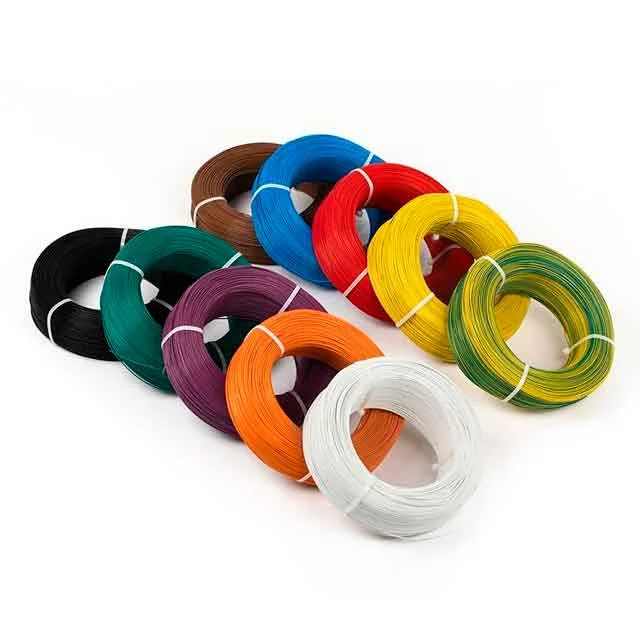
FEP Tubing
- Extrusion-grade resin with tight MFR control for consistent thin-wall thickness and chemical resistance.
- Recommended: PF-302 or PF-303 — extrusion grades for tubes and piping.
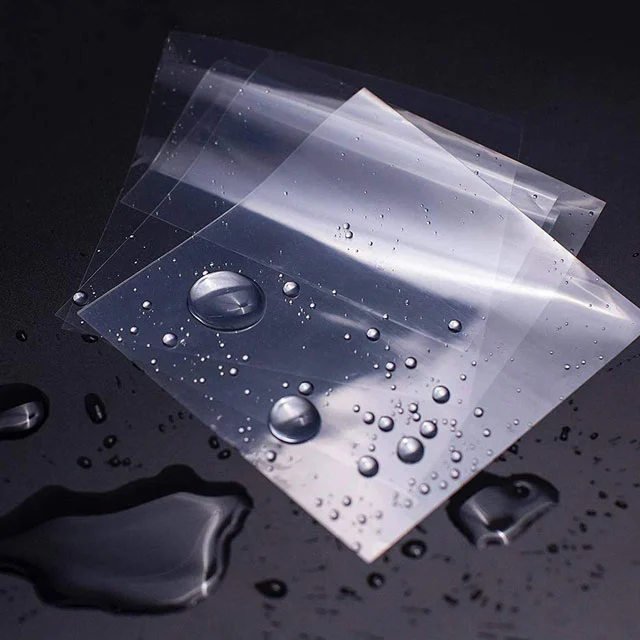
FEP Film
- Extrusion-grade resin for optical clarity and PTFE-level chemical inertness in film form.
- Recommended: PF-305 — extrusion grade formulated for industrial film.

Heat-Shrink FEP Tubing
- Thin-wall extrusion resin meeting ASTM D2116 for molding and extrusion materials.
- Recommended: PF-311 — extrusion grade for thin-walled tube.

FEP Coating
- Dispersion or powder form, fusing at 385–400°C into a nonporous coating rated to 200°C continuous use.
- Recommended: PF-3D03 (dispersion) or PF-3P51 / PF-3MP05 (powder).
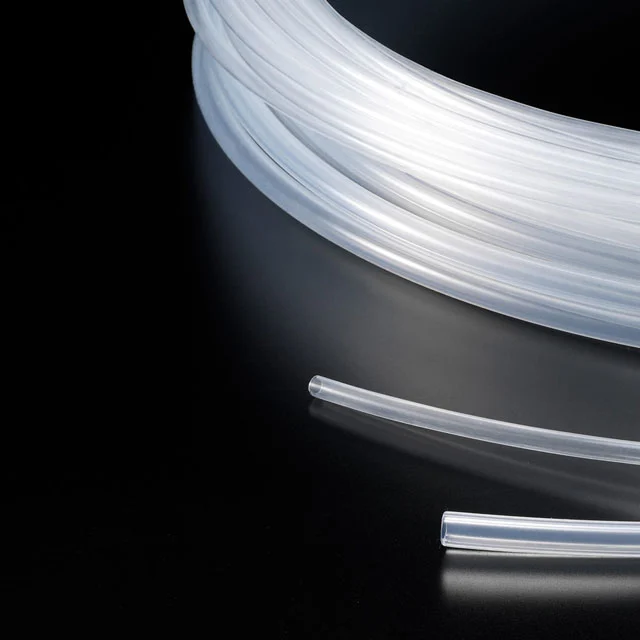
FEP Cable
- Extrusion-grade resin with a stable ~2.1 dielectric constant for plenum-rated, high-speed insulation.
- Recommended: PF-302 for cable jackets; PF-303–PF-305 for wire & cable insulation.
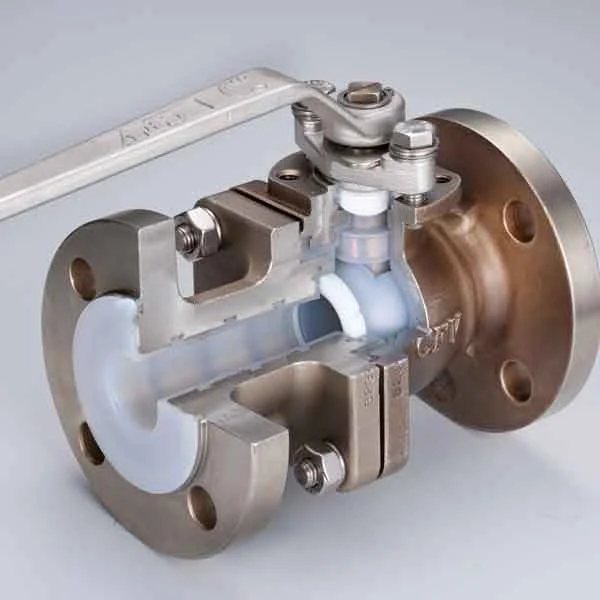
FEP Valve, Pipe Liner
- Compression- or powder-grade resin resistant to acids and solvents across the full service-temperature range.
- Recommended: PF-301 (compression-molded linings) or PF-3P51 / PF-3MP05 (powder linings).
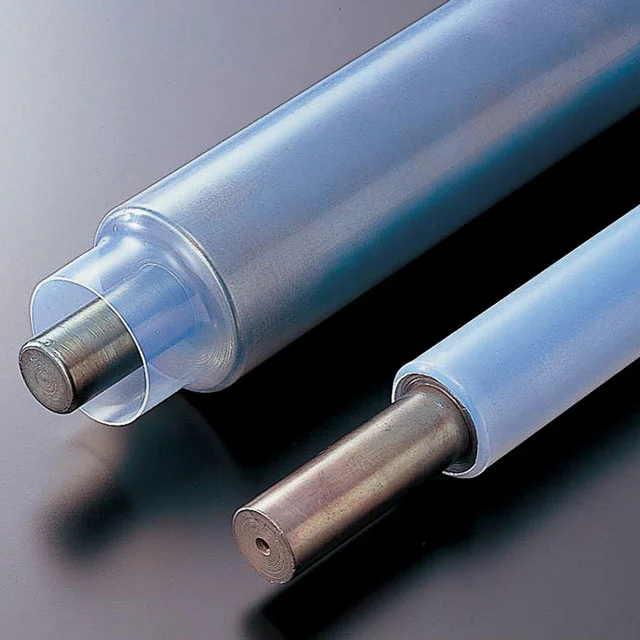
Medical Tubing & Hoses
- FDA 21 CFR 177.1550-compliant extrusion grade for catheter, IV-line and fluid-transfer clarity.
- Recommended: PF-303 or PF-304 — extrusion grades for small tubing.
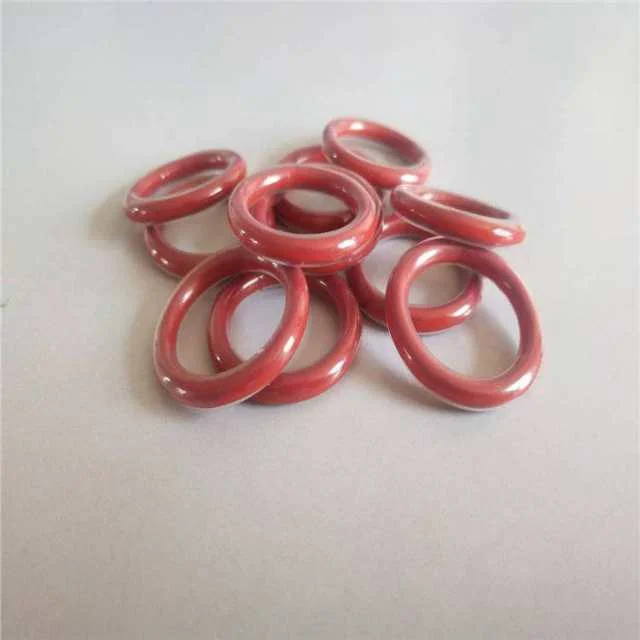
FEP Encapsulated O-Rings
- Compression-molding-specific resin to encapsulate an elastomer core with FEP chemical resistance.
- Recommended: PF-301 — the compression-molding-specific grade.

Industrial & Electronics
- Injection-grade resin holding tight dimensional tolerance without off-gassing contaminants.
- Recommended: PF-303 or PF-304 — injection-molded-parts grades.
How Processors Convert Peflon FEP
Peflon supplies FEP resin, powder and dispersion in grades matched to how you’ll process them — melt extrusion, injection or compression molding, spray/powder coating, and dispersion impregnation each call for a different form and MFR range. Extrusion and injection grades (PF-302–PF-311) cover tubing, film, cable insulation and precision molded parts; PF-301 is formulated specifically for compression molding; PF-3D03 dispersion supports coating and glass-fabric impregnation, while PF-3P51 and PF-3MP05 powder grades suit electrostatic and anti-corrosion coating. Confirming your process before ordering — not just your application — narrows grade selection to a shortlist your team can validate against TDS data.
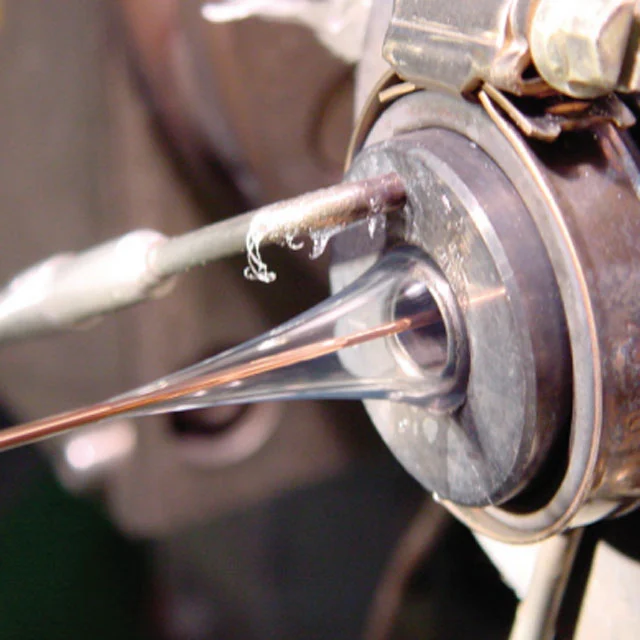
Extrusion
Processors melt-extrude Peflon FEP pellets at approximately 330–420°C into film, tube, rod and wire & cable insulation.
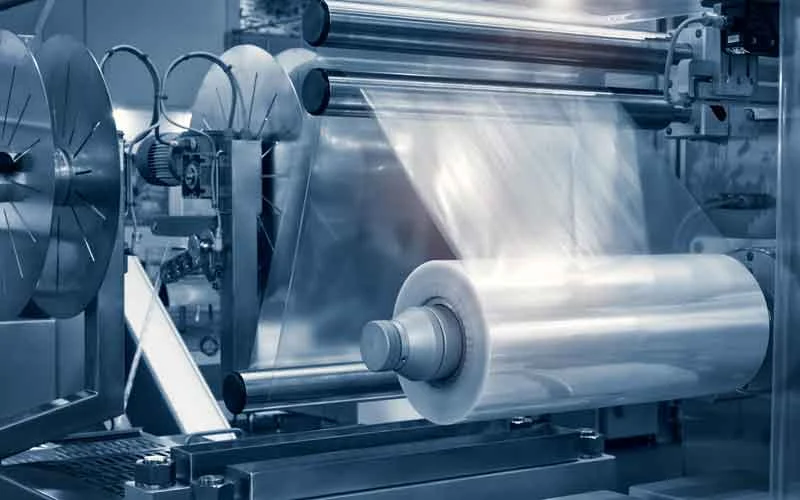
Spray & Powder Coating
Processors apply Peflon FEP dispersion or electrostatic powder, fusing at approximately 385–400°C into a nonporous coating rated to 200°C continuous use.
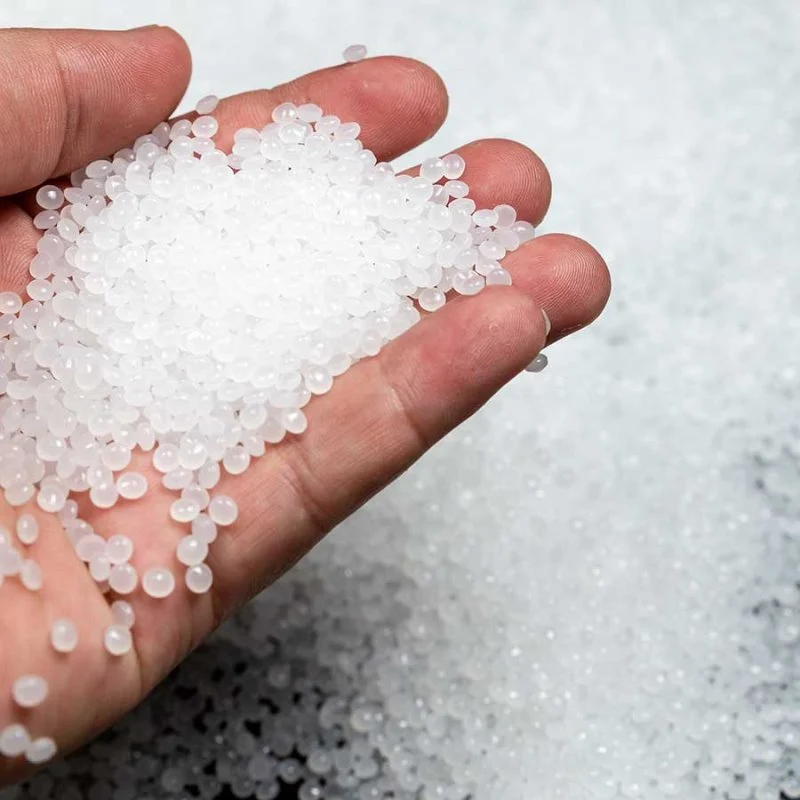
Injection Molding
Processors injection-mold Peflon FEP pellets at 120–150°C mold temperature with 80–120 MPa injection pressure for precision, detailed parts.
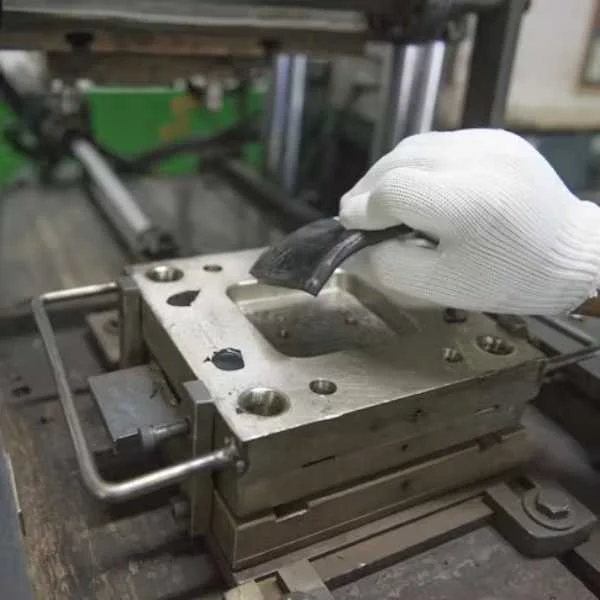
Compression Molding
Processors compression-mold PF-301 pellets for large or custom shapes where extrusion or injection tooling isn’t practical.
Impregnation
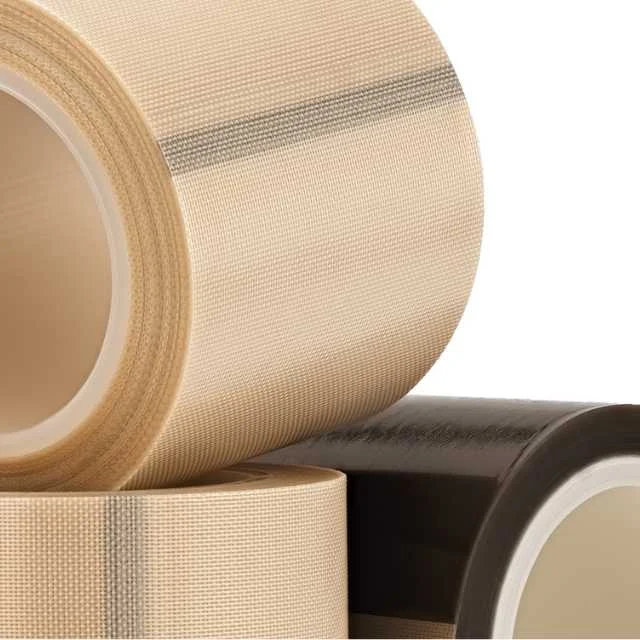
Processors impregnate glass-fiber fabric and other porous substrates with Peflon FEP dispersion for coated-fabric and composite applications.
FEP Chemical Compatibility
FEP resists virtually all industrial acids, bases and solvents across the full pH range — the exceptions below are the rare cases worth flagging before you finalize a spec.
| Chemical | Class | Resistance | Test Basis |
|---|---|---|---|
| Sulfuric acid (98%) | Mineral acid | Excellent | Zero weight change after 1,000 hrs at 100°C |
| Hydrochloric acid | Mineral acid | Excellent | Resistant across full concentration range |
| Nitric acid | Mineral acid | Excellent | Resistant across full concentration range |
| Hydrofluoric acid | Mineral acid | Excellent | Resistant across full concentration range |
| Sodium hydroxide (40%) | Strong base | Excellent | 98% tensile strength retained after 500 hrs at 80°C |
| Acetone | Ketone solvent | Excellent | <0.1% dimensional change after 168 hrs at 150°C |
| Methanol | Alcohol | Excellent | Resistant; low permeation vs. PE/PP films |
| Toluene | Aromatic solvent | Excellent | <0.1% dimensional change after 168 hrs at 150°C |
| Chlorinated solvents (e.g. methylene chloride) | Chlorinated solvent | Excellent | No measurable tensile-strength reduction |
| Molten alkali metals | — | Not recommended | Known exception at any temperature |
| Elemental fluorine | — | Not recommended above 300°C | Known exception at elevated temperature |
| Certain fluorinated solvents under pressure | — | Limited above 200°C | Known exception at extreme conditions |
Why Buyers Choose Peflon FEP
Buyers researching FEP resin manufacturers weigh documentation, grade consistency and support as heavily as price. Here’s what qualifying Peflon as a supplier looks like in practice.
Documented Second Source
- Qualify Peflon as a documented second source alongside Daikin, Chemours or DuPont — full TDS/SDS traceability, no spec re-engineering required.
- Per-batch COA confirms consistent MFR and properties, so every shipment matches the grade you qualified.
- Multi-batch production capacity keeps your supply continuous, reducing single-source risk.
Grade Cross-Reference Support
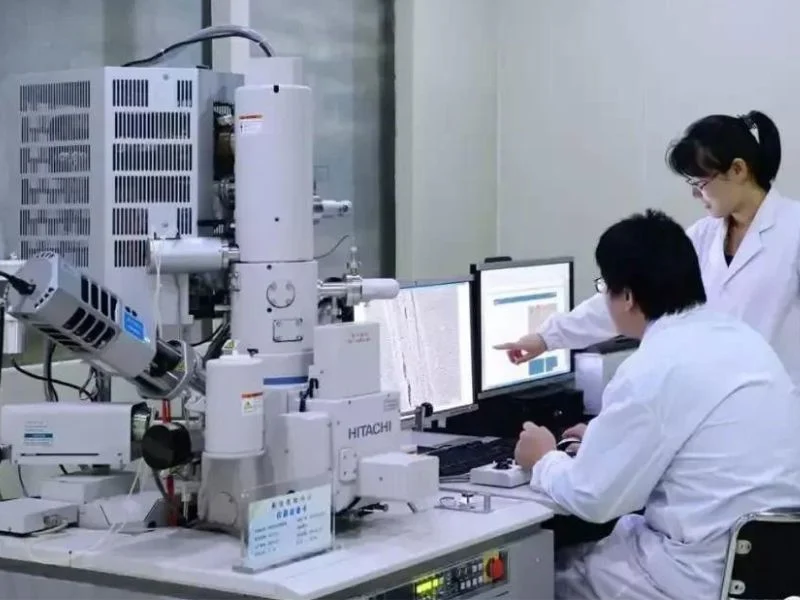
- Already specifying a competitor grade like Teflon™ FEP 9302X? We cross-reference it to the closest Peflon equivalent — PF-302 covers that case.
- Our in-house technical team reviews your exact application before you order, not just a generic datasheet.
Validate Before You Switch
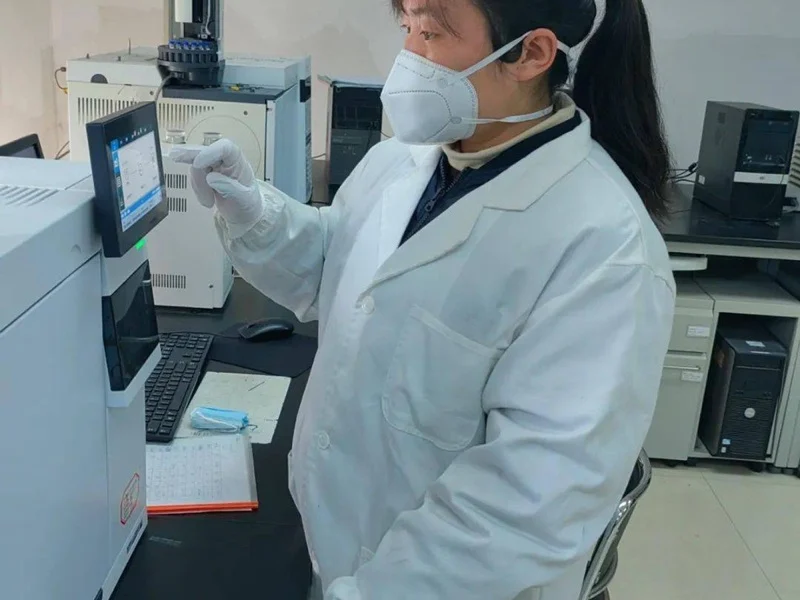
- Trial samples are available before you commit to a production order.
- Technical team reviews your application against grade-specific data to confirm compatibility before you switch.
Certified & Climate-Controlled Supply
- ISO-certified quality management with REACH, FDA and KKDIK documentation on file.
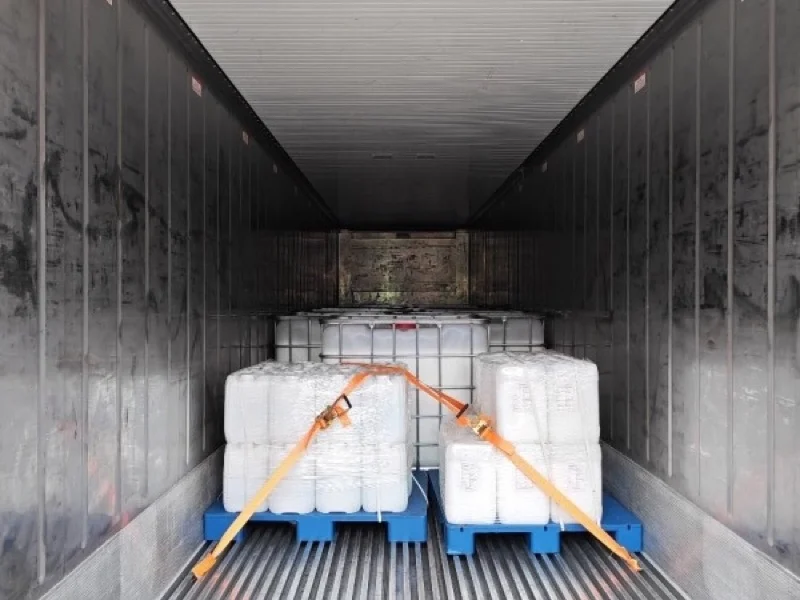
- Climate-controlled warehousing and cold-chain transport for temperature-sensitive FEP dispersion grades.
- Exporting to buyers across 8 countries including the United States, Germany and Japan.
FEP Material — Frequently Asked Questions
These are the questions FEP buyers ask most before specifying a grade — covering chemical compatibility, service temperature, processing method, wire & cable use and PFAS/FDA compliance documentation.
How is FEP different from PTFE?
FEP (fluorinated ethylene propylene) shares PTFE’s chemical inertness and non-stick surface but is fully melt-processable. Unlike PTFE, FEP can be extruded, injection-molded and heat-sealed on conventional thermoplastic equipment, trading a slightly lower continuous-service temperature (200 °C vs 260 °C) for far easier processing and optical clarity.
Which processing methods does Peflon FEP support?
Our FEP resins cover the full melt-processing range — melt extrusion for tube, wire & cable and film, injection and blow molding for parts, and rotolining for equipment. Grades are supplied by melt-flow rate (MFR) so you can match the resin to your line speed and wall thickness; dispersion and micropowder grades are available for coating and additive use.
What is the continuous service temperature of FEP?
Peflon FEP has a maximum continuous service temperature of about 200 °C (392 °F) and retains flexibility and dielectric performance from cryogenic temperatures upward, with a melting point near 260 °C. It stays chemically resistant to virtually all acids, bases and solvents across that range.
Is FEP suitable for wire & cable insulation?
Yes. FEP is a primary insulation material for plenum-rated (CMP) cable, coaxial and hook-up wire thanks to its low, stable dielectric constant (~2.1), low dissipation factor, flame resistance and low smoke generation. Peflon offers dedicated high-speed extrusion grades for wire & cable — see our FEP for cable & wire grades.
Is Peflon FEP FDA-compliant for food and pharmaceutical contact?
Yes. Our virgin FEP resins are PFOA-free and formulated to meet FDA 21 CFR 177.1550 for repeated food-contact use; REACH, RoHS and SVHC statements plus per-batch COA are available on request. This makes FEP suitable for food-processing tubing, pharmaceutical fluid transfer and medical devices.
Is FEP considered a PFAS?
Yes — FEP is a fluoropolymer, which falls within the broad regulatory definition of PFAS (per- and polyfluoroalkyl substances) used by the EPA and OECD. See our PFAS facts page for how fluoropolymers differ from other PFAS subclasses and what that means for compliance documentation.
Does Peflon supply FEP for coating applications?
Yes. Peflon supplies FEP as an aqueous dispersion or electrostatic powder for spray and powder coating, fused at approximately 385–400°C to form a nonporous film with a maximum continuous-use temperature of 200°C.
Is Peflon a reliable second-source alternative to Daikin, Chemours or DuPont FEP?
Yes. Peflon supplies documented FEP grades with full TDS/SDS traceability so buyers can qualify us as a second source alongside an existing supplier, without re-engineering their specification.
Which FEP grade should I choose for injection or compression molding?
Grade selection depends on melt-flow rate and wall thickness. See our molding-grade FEP options or contact our technical team for a grade match.
Does Peflon supply colored FEP or FEP masterbatch?
Yes. Peflon supplies FEP masterbatch — color concentrate pre-dispersed in an FEP carrier resin matched to your grade — for cable jacketing, tubing and molded-part color coding.
Related Fluoropolymers to FEP Material
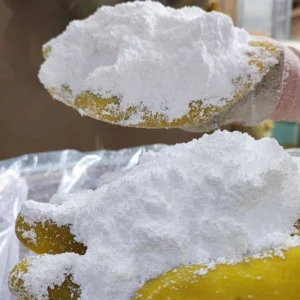
What is PTFE
Need PTFE’s ~260°C ceiling instead? Peflon supplies both — compare grades before you switch base materials.
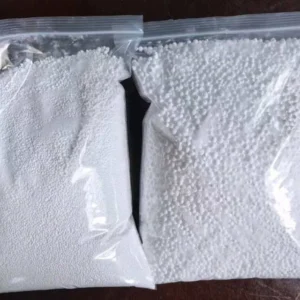
PCTFE
Need near-zero permeation or cryogenic sealing? Peflon also supplies PCTFE, the higher-barrier fluoropolymer alternative to FEP.
Technical Support of FEP Material
Specifying FEP wrong is expensive to fix after tooling is cut. Before you lock in a grade or a new supplier, these three guides cover the decisions buyers ask about most: wire insulation grades, tube manufacturing tolerances, and supplier qualification.
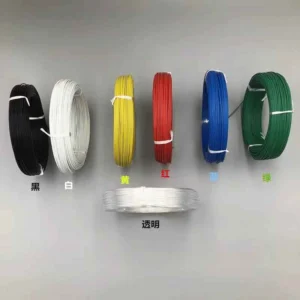
How to Choose the Suitable FEP Resin in the Wire Industry
Picking the wrong MFR grade for your line speed is the most common wire-insulation mistake — match grade to wall thickness and speed before you order.
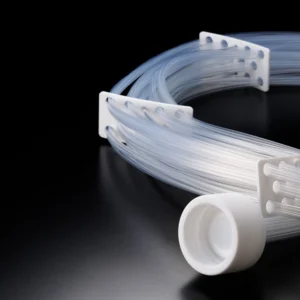
How to Choose the Right FEP Resin Grade for Tube Manufacturing
Tube wall tolerance and burst pressure depend on grade selection as much as machine settings — see how to match FEP grade to your tube spec.

Where to Find Reliable FEP Resin Suppliers: Your Ultimate Guide
Before you qualify a new FEP source, check these verification steps — documentation, batch consistency and export experience included.
Get an FEP Grade Match & Sample
Share your current grade, datasheet target or application — our engineers will shortlist an equivalent FEP grade, send the TDS and reply within 24 hours.