
Peflon PTFE Dispersion — PFOA Free, PFAS Free, ECHA Compliant
Water-based aqueous dispersion of fine PTFE particles — for coating, impregnation, primer systems, fiberglass fabric, gland packing, battery binder and anti-drip additive. Four stock grades covering nonstick topcoat through specialty primer applications.
What is PTFE Dispersion?
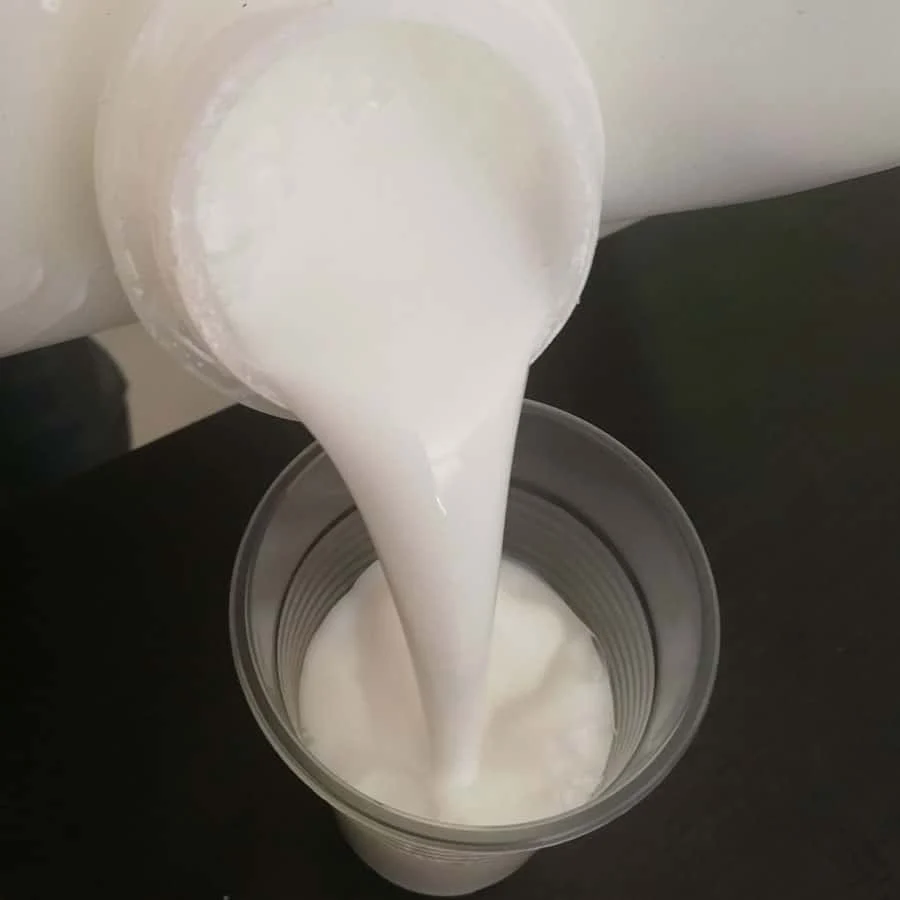
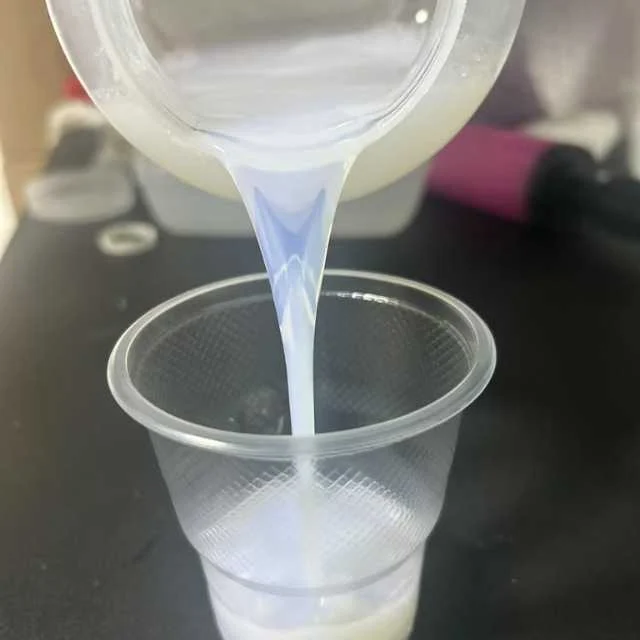
PTFE Dispersion — also known as PTFE aqueous dispersion or PTFE emulsion — is a water-based system where fine polytetrafluoroethylene (PTFE, CAS 9002-84-0) particles are uniformly dispersed for coating and impregnation processes. It is selected when your application requires liquid processing rather than solid PTFE forms — nonstick topcoats, fiberglass impregnation, industrial coatings, primer systems, mesh production and gland packing.
The dispersed polymer is chemically identical to bulk PTFE — see the PubChem compound record and polymer property data — so once dried and sintered, the film retains PTFE's non-stick surface, chemical inertness and thermal stability while allowing convenient water-based application.
Different Grades of PTFE Dispersion
Four standard grades cover the main use cases — nonstick topcoat, fiberglass impregnation, primer and specialty applications. Download each TDS via the grade name.
| Grade (TDS) | Main Characteristics | Typical Applications | Compliance |
|---|---|---|---|
| PF-DF | Modified aqueous PTFE dispersion, balanced solid content and stable surfactant system. Heat resistance and chemical permeability resistance. | High-grade nonstick top coatings. | PFOA-free · REACH / RoHS / SVHC / Food Contact |
| PF-DW | Modified PTFE dispersion with optimized particle stability and uniform film formation. Smooth nonstick topcoat systems. | Nonstick cookware topcoats and water-based fluoropolymer coating systems. | PFOA-free · REACH / RoHS / FDA |
| PF-DD | Fine-particle dispersion with controlled particle diameter and low viscosity. Supports stable impregnation. | Glass-fiber impregnation and technical insulation materials. | REACH / RoHS / SVHC certified |
| PF-DP | High-stability PTFE dispersion with small particle size and broad temperature resistance — chemical inertness and electrical insulation. | Nonstick primer coatings, PTFE spinning, specialty processing. | PFOA-free · REACH / RoHS |
PTFE Dispersion by Application Focus
Each grade is matched to the downstream process route — choose the card that matches your coating or impregnation target.
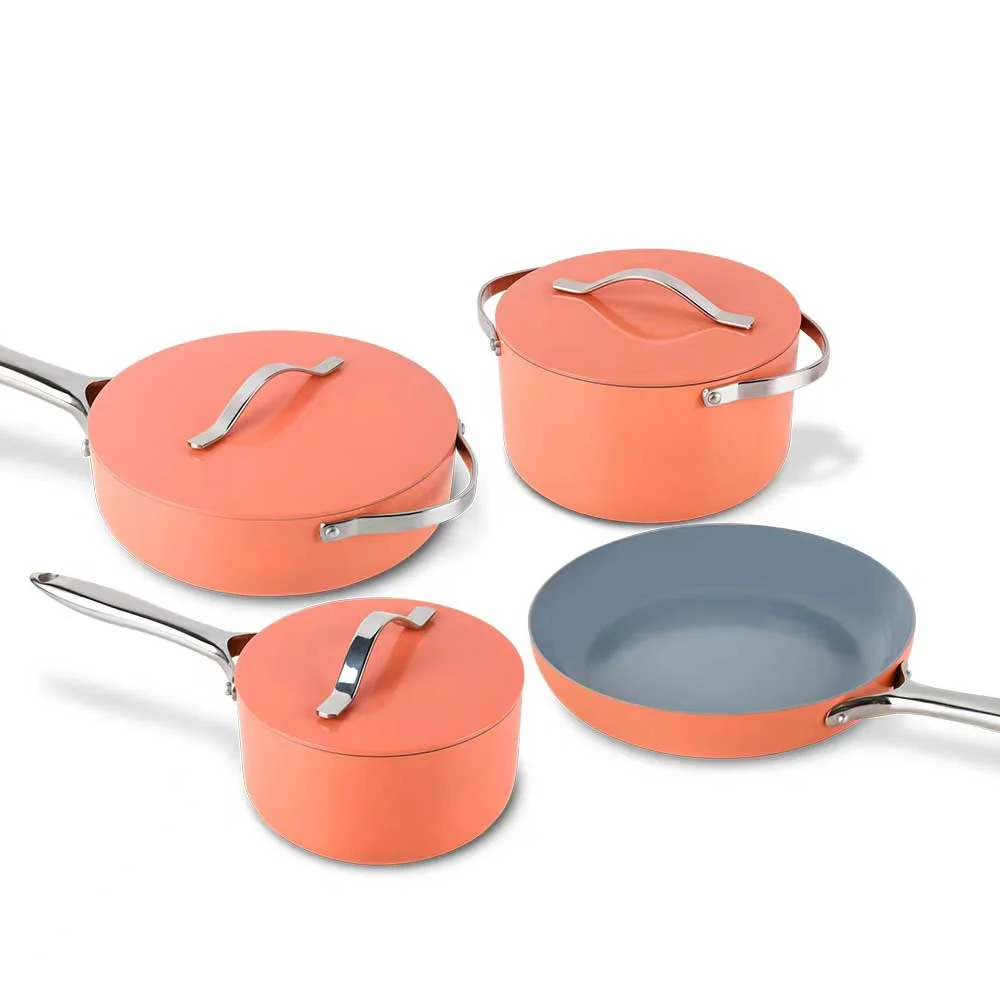
PTFE Dispersion for Nonstick Coating
Cookware and bakeware topcoats — PFOA-free, food-contact compliant.
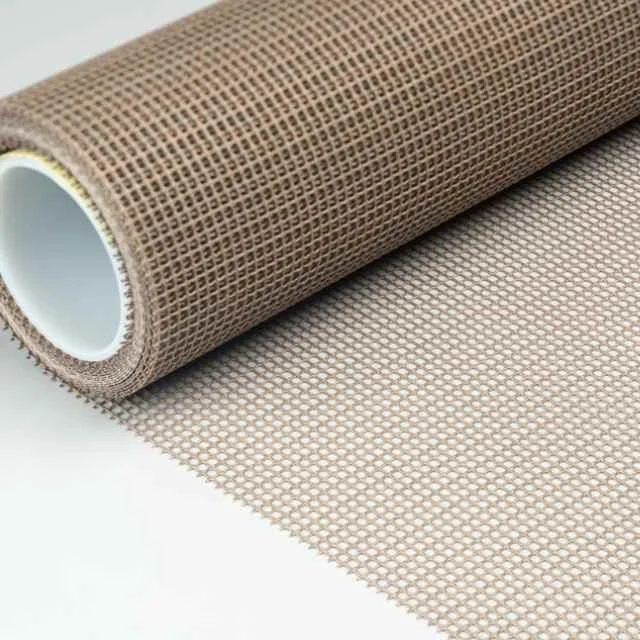
PTFE Dispersion for Fiberglass Impregnation
PTFE-coated woven glass fabric — technical insulation and architectural membrane.
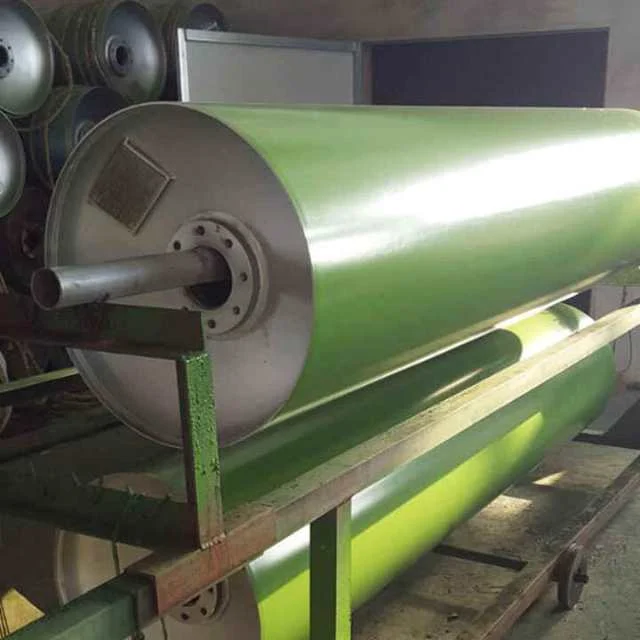
PTFE Dispersion for Industrial Coatings
Chemical-resistant, low-friction protective coatings on metal and composite substrates.
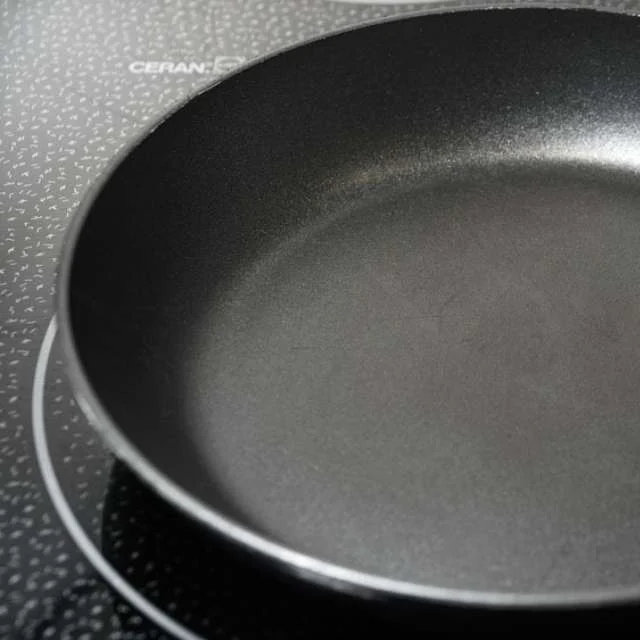
PTFE Dispersion for Primer Coatings
Base-layer adhesion promoter in multi-layer fluoropolymer coating systems.
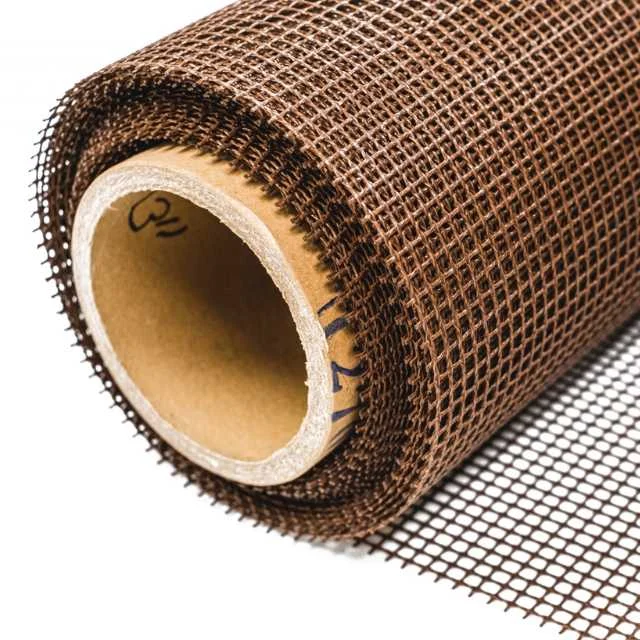
PTFE Dispersion for PTFE Mesh
Impregnation of open-weave fiberglass mesh for baking, drying and filtration service.
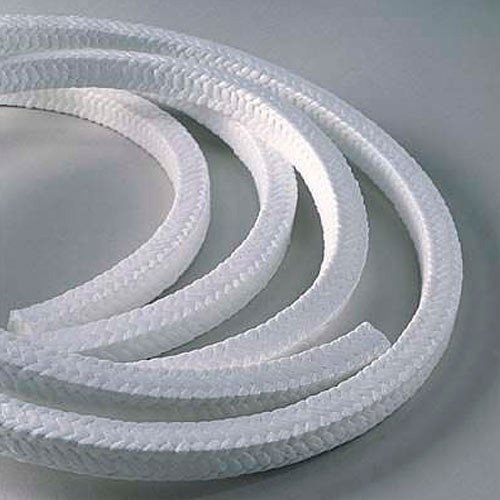
PTFE Dispersion for Teflon Gland Packing
Impregnated packing for valves, pumps and shaft seals in chemical process service.
Different Packaging of PTFE Dispersion
Three packaging tiers — from sample bottles through bulk IBC drums for production lines.
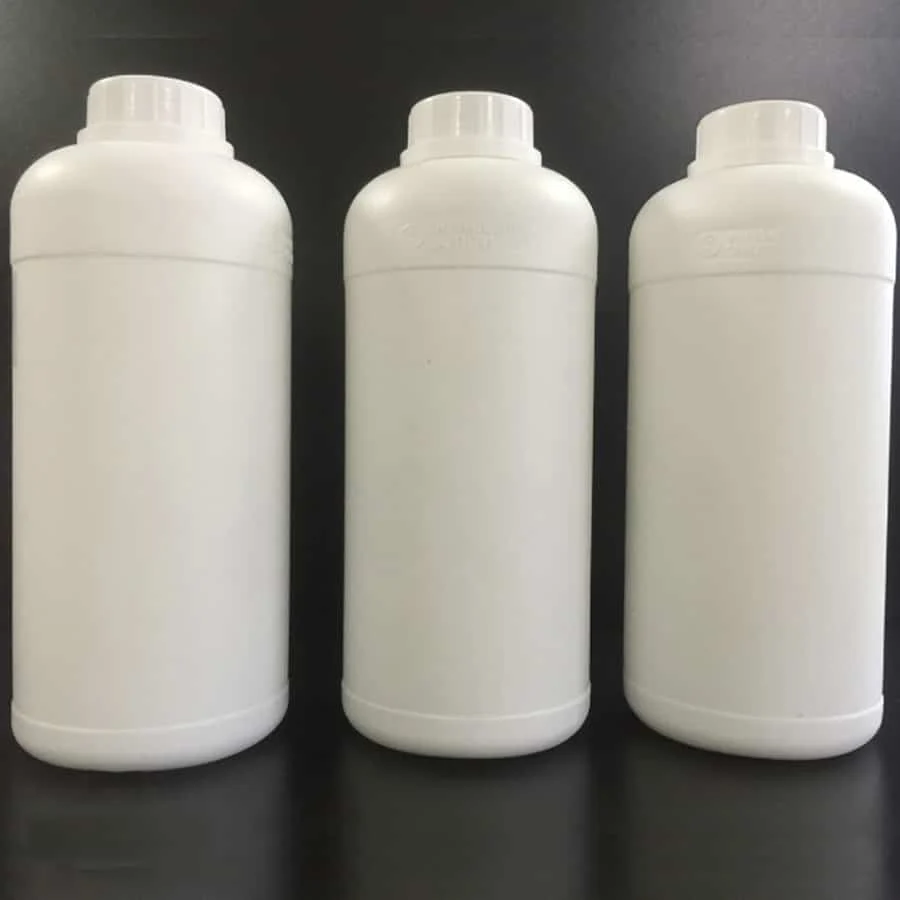
1 kg – 2 kg Sample
Bottle pack for bench evaluation and pilot trial.
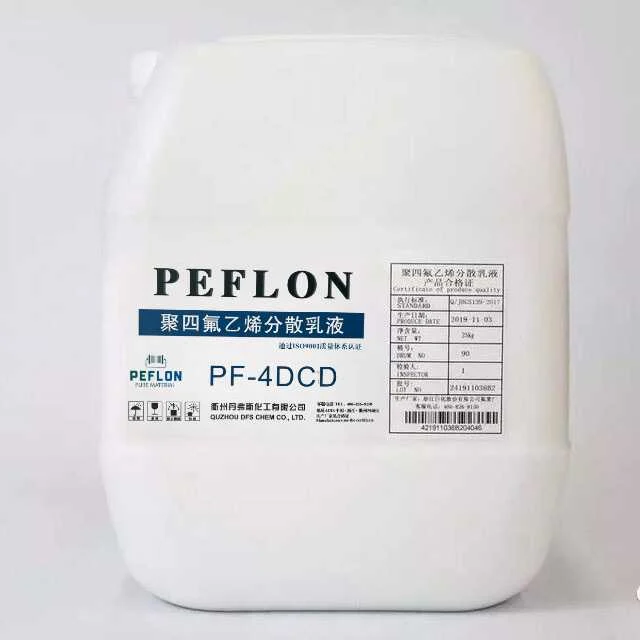
25 kg Plastic Drum
Sealed plastic drum for line-side consumption — easy handling.
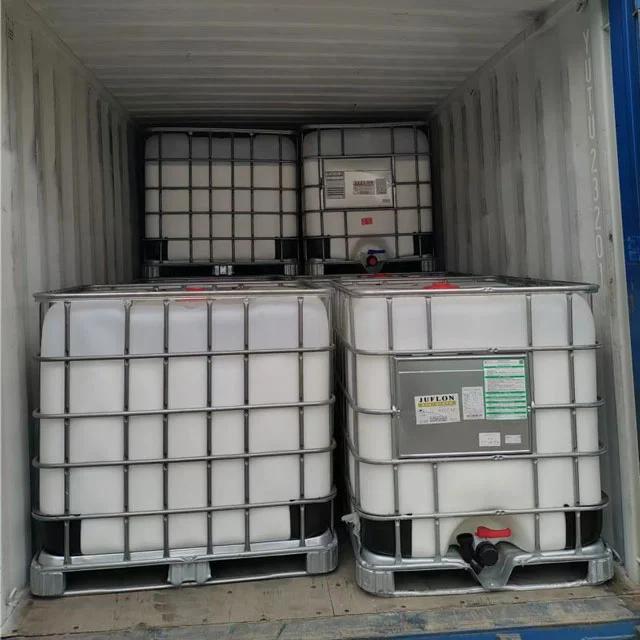
IBC Drum 1200 / 1400 kg
Bulk IBC for high-volume production — efficient ocean-freight loading.
Features & Benefits of Peflon™ PTFE Dispersion
Four defining performance attributes of Peflon aqueous PTFE dispersion — backed by regulatory compliance and consistent batch QC.
Waterproof
Hydrophobic cured film deposits a water-barrier layer on virtually any substrate.
PFOA Free
No perfluorooctanoic acid — regulatory-compliant for global markets.
High & Low Temperature
Retains properties from cryogenic through high-service temperatures.
Weatherability
Long-term UV and outdoor exposure stability for architectural use.
Applications of PTFE Dispersion
From chemical industry to surface treatment — coatings, packing, coated glass cloth, non-stick systems, dust-control bags, outdoor fabrics, architectural membranes and battery binders.
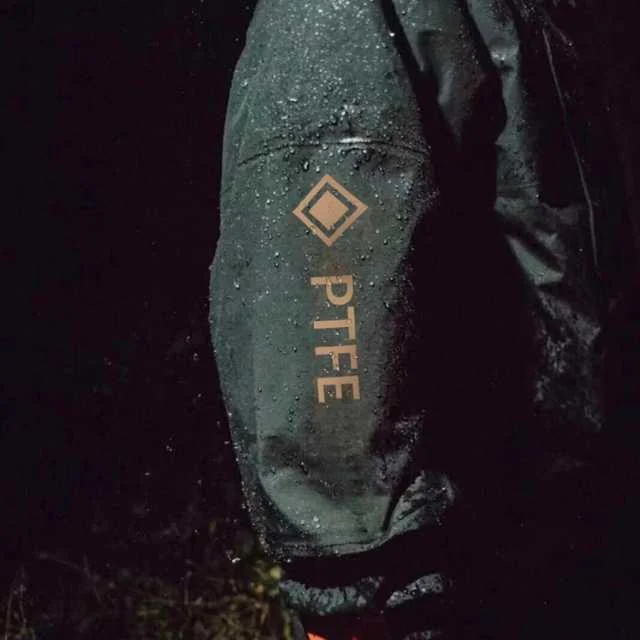
Waterproof Outdoor Fabric
Windproof, waterproof, breathable, insulating and stain-resistant technical textile.
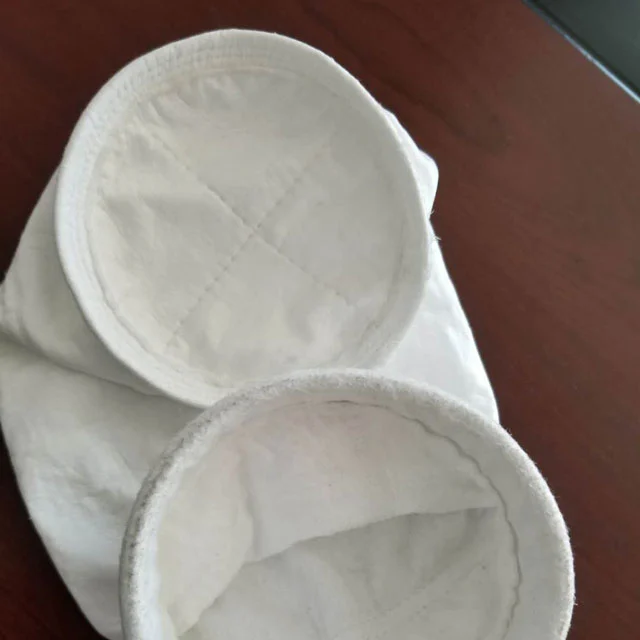
Dust Control
Filter bags with higher filtration efficiency, chemical and thermal resistance.

Teflon Membrane
Architectural tensile membrane and high-performance textile treatment.
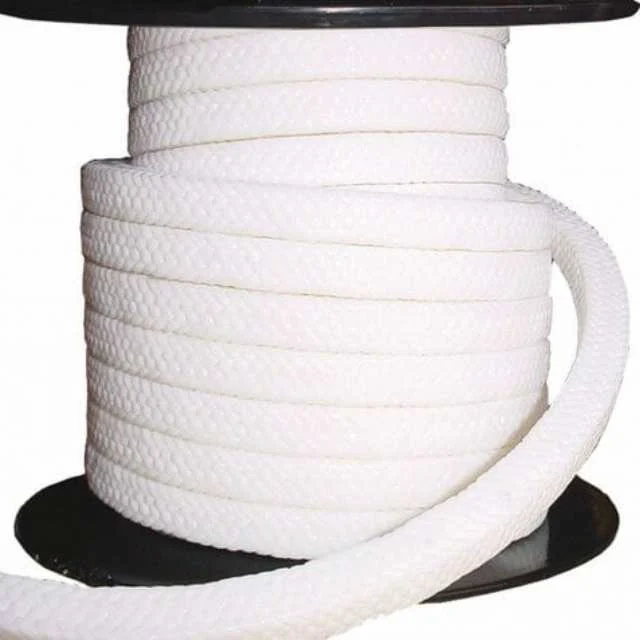
Sealing Packing
Valves, pumps and glands — impregnated expanded PTFE gland packing.
Non-Stick Coating
Cookware and bakeware — PTFE liquid coating, PFOA-free.
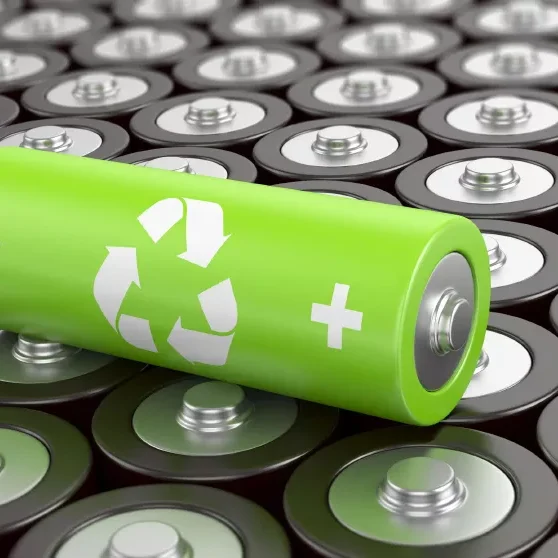
Binder for Battery
Anode/cathode matrix binder for lithium-ion cell production.
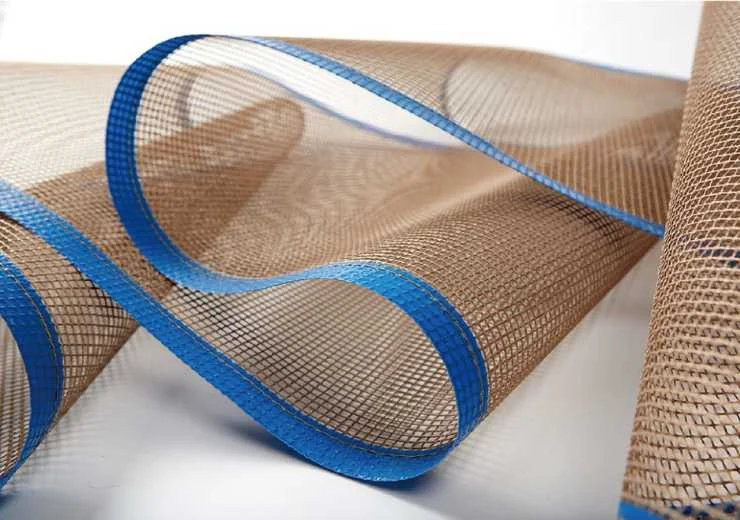
Coated Woven Glass Fabric
Enhances glass-cloth performance across industrial applications.
Anti-Drip Additive
Fire-retardant polymer network that inhibits flame spread and melt drip.
Manufacturing Process of Teflon Dispersion
Peflon PTFE dispersion is produced by emulsion polymerization into a stable aqueous system, then applied through three main downstream routes.
Electrostatic Spraying
Charged-particle deposition onto metal and glass substrates for seamless, non-stick, corrosion-resistant coatings.
Impregnating High-Temp Fabrics
Dip / coat high-temperature glass and aramid fabrics — apply evenly, cure to spec, then validate for durability.
Anti-Drip Additive for Plastics
Blend PTFE into engineering plastics — process uniformly, then test for effective anti-drip flame-retardant performance.
Why Choose Peflon PTFE Dispersion
Three pillars — SDS compliance, evaluation-aligned QC and reformulation-risk reduction — that define the Peflon dispersion sourcing experience.
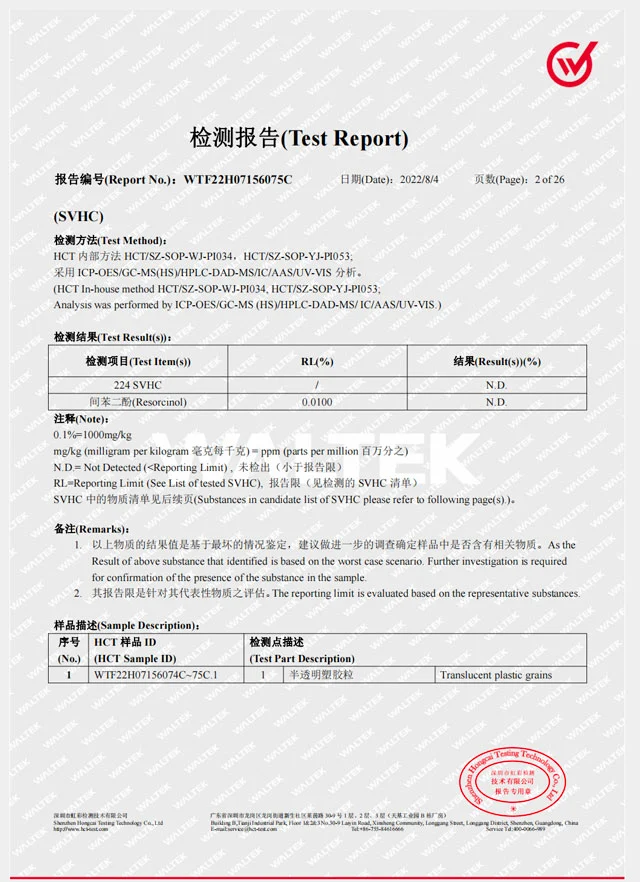
SDS Compliance · Regulation (EU) 2024/2865
Full SDS documentation aligned with the current EU regulatory framework — supports your customs, audit and qualification workflows.
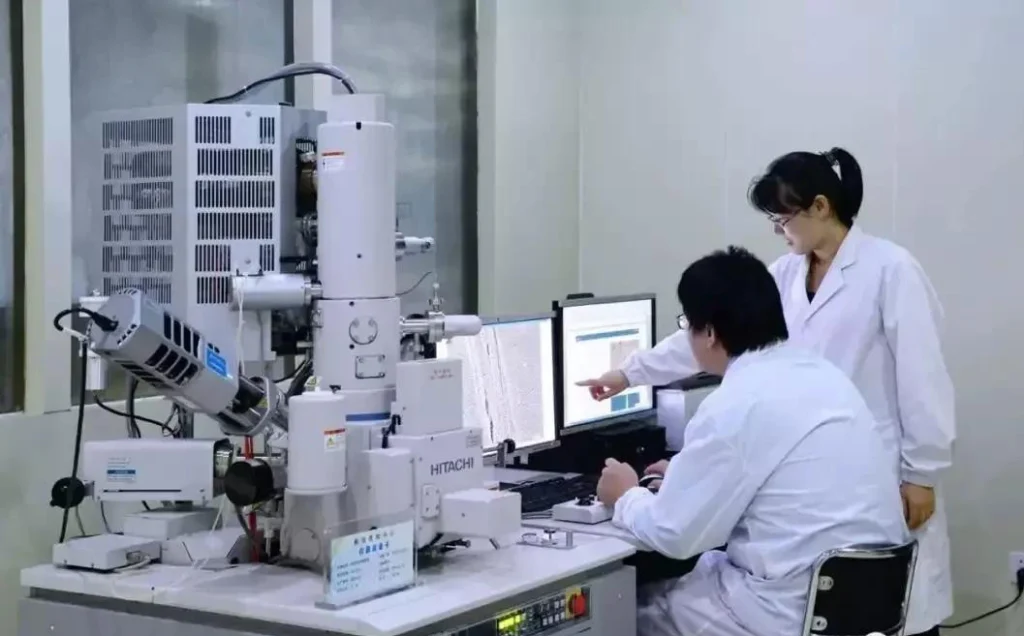
Quality Testing Aligned with Evaluation
Batch-level testing and documentation built around what buyers actually check during evaluation — not vanity data sheets.

Reduced Reformulation Risk
Batch consistency and long-term program planning — fewer formulation reworks when suppliers or grades change.
PTFE Dispersion — Frequently Asked Questions
What is the solid content of Peflon PTFE dispersion?
Coating grades typically run around 60% PTFE solids by weight; exact solid content, viscosity and pH are listed on each grade’s TDS. Higher solids suit thicker single-pass films, while impregnation grades may run lower to penetrate woven substrates.
How do I choose between the PF-DF, PF-DW, PF-DD and PF-DP grades?
Match the grade to your process — PF-DF / PF-DW for nonstick topcoats, PF-DD for glass-fiber impregnation and technical insulation, PF-DP for primer coatings, PTFE spinning and specialty use. Send us your substrate and target film and we will shortlist a grade and its TDS.
Can one PTFE dispersion be used for both coating and impregnation?
Not always. Coating and impregnation demand different particle size, viscosity and surfactant balance. A topcoat grade will not penetrate woven glass the way an impregnation grade does — select by process route rather than treating all dispersions as interchangeable.
Is Peflon PTFE dispersion PFOA- and PFAS-free and food-contact compliant?
Yes — our dispersions are PFOA-free with REACH, RoHS and SVHC support, and food-contact (FDA) grades such as PF-DW are available. Per-batch COA and SDS aligned with Regulation (EU) 2024/2865 are supplied on request.
What curing temperature does a PTFE dispersion coating need?
After application the film is dried to drive off water, then sintered above the PTFE melting point (~327 °C) — typically 360–400 °C — to coalesce the particles into a continuous non-stick film. Substrate and film thickness set the exact schedule.
How should PTFE dispersion be stored, and does it need re-mixing?
Store sealed, cool and above freezing — PTFE dispersions are shear- and freeze-sensitive and can settle over long storage or transport. Roll or gently stir (never high-shear) to re-homogenize before use, and confirm re-dispersibility after shipping.
Related Fluoropolymers of PTFE Dispersion
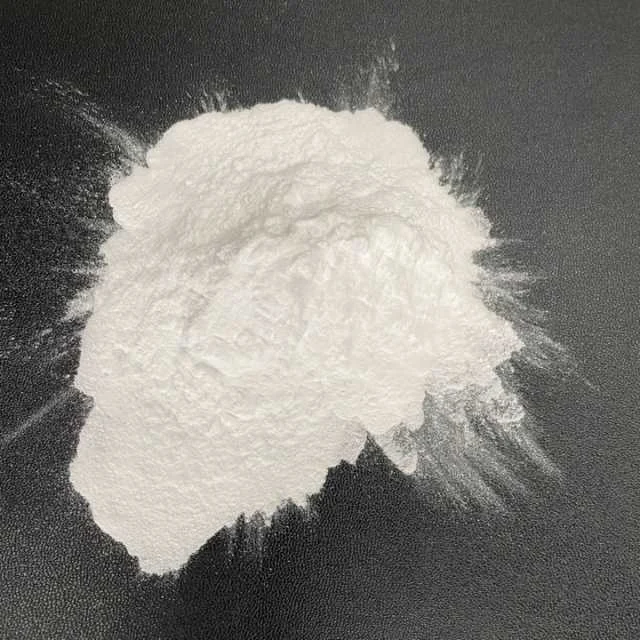
PTFE Micropowder
Low-molecular-weight PTFE additive for inks, coatings, lubricants and plastics.
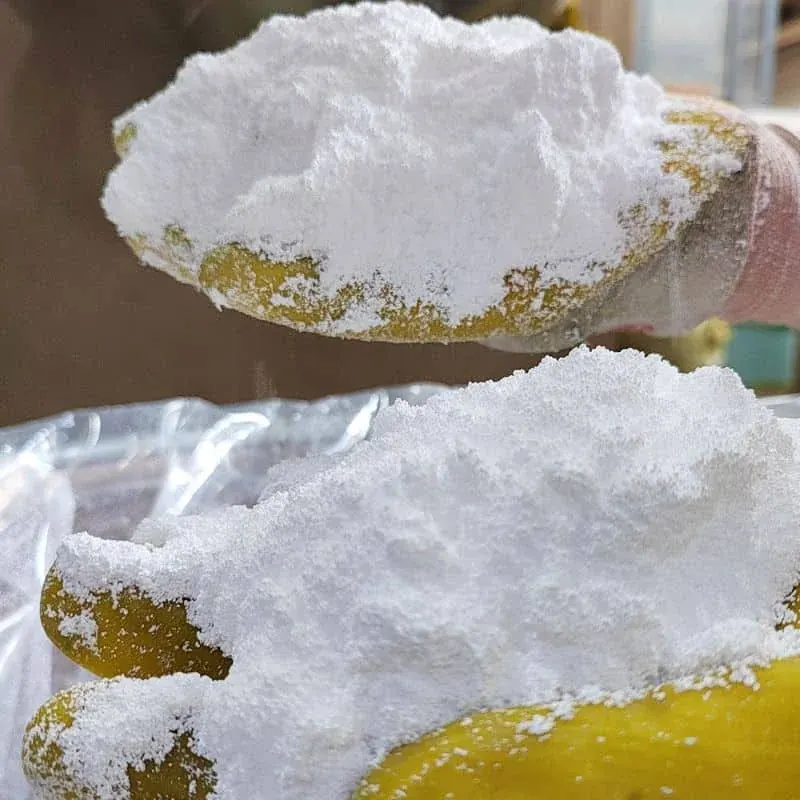
PTFE Fine Powder
Paste-extrusion PTFE resin for tube, wire & cable, thread-seal tape and fiber.

FEP Dispersion
Aqueous FEP dispersion for coatings, impregnation and melt-extrusion primers.
PFA Dispersion
Aqueous PFA dispersion for thin-film, high-purity chemical-resistant coatings.
Technical Support of PTFE Dispersion
Choosing and applying PTFE dispersion raises real engineering questions — grade selection, coating vs impregnation, curing and storage. Our technical library shares practical, hands-on guidance from the Peflon materials team.
What is PTFE Coating
PTFE coating is a fluoropolymer finish with non-stick, low-friction and chemical-resistant properties. Learn how it works, its uses, safety and grades.
What are the applications of PTFE?
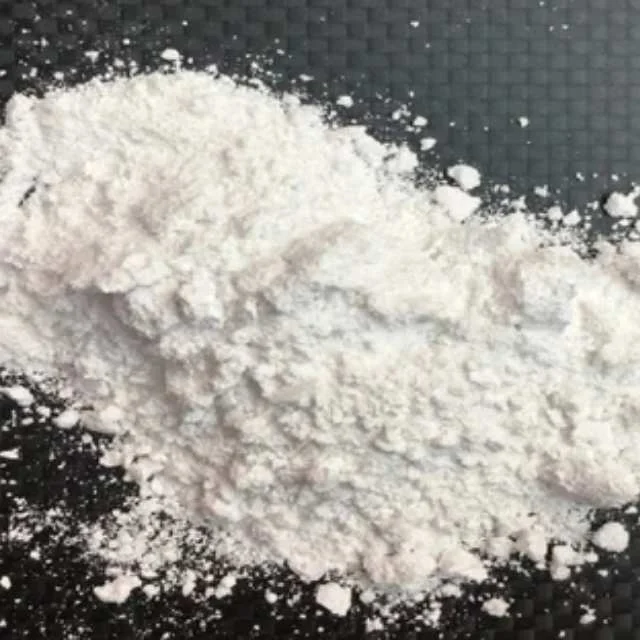
What are the applications of PTFE? Polytetrafluoroethylene (PTFE), also known as Teflon, is a brand belonging to DuPont. The raw material of PTFE is available in powder, granule,…

PTFE or Ceramic Coating: Which is Better
Nonstick cookware options Are you tired of struggling with sticky pans that ruin your cooking experience? Choosing the right nonstick cookware can make all the difference in your…
Get a PTFE Dispersion Grade Match & Sample
Tell us your coating or impregnation process, substrate and target film — our engineers will shortlist a PF-DF / DW / DD / DP grade, send the TDS + SDS and reply within 24 hours.