Polyperfluoroalkoxy, commonly known as PFA, is a high-performance fluoropolymer used when standard plastics cannot cope with heat, chemicals, or purity demands. For buyers, R&D teams, and supply chain managers, understanding what PFA is — and where it truly adds value — helps avoid costly over- or under-specification. This page explains PFA in clear terms, with practical examples from real industrial use.
What Is PFA?
PFA stands for perfluoroalkoxy alkane, a member of the fluoropolymer family. Chemically, it shares the same fully fluorinated backbone as PTFE, which explains its strong resistance to heat and aggressive chemicals.
The key difference lies in processing.
PFA is melt-processable, meaning it can be extruded or injection-moulded using conventional thermoplastic equipment. PTFE cannot. This single point has a major impact on production efficiency and part consistency.
Key points to know:
- Fully fluorinated polymer with excellent chemical stability
- Melt-processable, unlike PTFE
- Often selected when tight dimensional control is required
Key Properties of PFA Material
Thermal Stability
PFA maintains its properties over a wide temperature range, typically from –200 °C to +260 °C in continuous service. In practical terms, this means components remain stable during long production cycles and repeated thermal stress.
For example, in high-temperature wire insulation, PFA resists cracking where many standard polymers fail within months.
Chemical Resistance
PFA resists almost all industrial chemicals, including strong acids, bases, and solvents. This makes it a common choice in environments where material failure would contaminate products or shut down lines.
Typical advantages include:
- No reaction with most corrosive media
- Low risk of extractables in high-purity systems
- Long service life in harsh conditions
Electrical and Surface Properties
With a low dielectric constant and high dielectric strength, PFA performs well as an electrical insulator. Its very smooth surface also reduces build-up, which helps in clean-in-place systems.
What Is PFA Used For?
Semiconductor and Electronics Manufacturing
PFA is widely used for:
- High-purity chemical tubing
- Fluid handling systems in wafer fabrication
- Linings where metal contamination must be avoided
In these applications, even trace impurities can cause yield loss, so material consistency matters more than initial cost.
Chemical Processing Equipment
In chemical plants, PFA appears in:
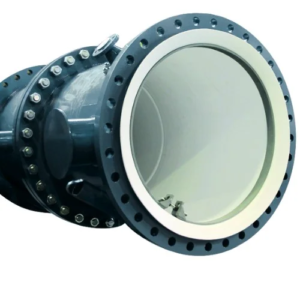
- Pump linings and valve components
- Tubing for aggressive fluids
- Coated parts exposed to continuous chemical attack
Its resistance reduces unplanned downtime and maintenance frequency.
Wire and Cable Manufacturing
For high-temperature or high-voltage cables, PFA is used as:
- Primary insulation
- Jacketing material in demanding environments
Compared with FEP, PFA handles higher continuous temperatures, which extends cable service life in industrial or aerospace systems.
Industrial Tubing and Linings
PFA tubing is often selected when:
- Cleanability is critical
- Long-term chemical exposure is unavoidable
- Dimensional stability affects system performance
PFA vs PTFE vs FEP: A Practical Comparison
| Property | PFA | PTFE | FEP |
|---|---|---|---|
| Melt-processable | Yes | No | Yes |
| Continuous use temp. | up to 260 °C | up to 260 °C | up to 200 °C |
| Chemical resistance | Excellent | Excellent | Very good |
| Typical cost level | High | Medium | Medium |
Key takeaway:
PFA often costs more per kilogram, but in complex extrusion or moulding operations, it can lower total system cost through higher yield and better dimensional control.
Is PFA Right for Your Application?
PFA is usually a good fit if:
- Your process requires high purity and tight tolerances
- Components face both heat and aggressive chemicals
- Replacing failed parts is expensive or disruptive
Other fluoropolymers may be more suitable if temperature or purity demands are lower and cost sensitivity is high.
If you are unsure, our technical team can help compare PFA with alternatives based on real processing data. You may also want to review our related PTFE material overview for comparison.
Key Takeaway
PFA is not a general-purpose plastic. It is chosen because it performs reliably where failure is costly. When heat resistance, chemical stability, and processing control all matter, PFA becomes a practical engineering choice rather than an upgrade for its own sake.
Meta Information
Meta Title:
What Is PFA? Uses, Properties, and Industrial Applications
Meta Description:
Learn what PFA is, its key properties, and where PFA is used in chemical processing, electronics, and wire insulation. A clear guide for industrial buyers.
CTA
Need help selecting the right fluoropolymer?
Talk with us about your processing conditions, regulatory needs, and supply expectations. We help you choose materials that fit your production reality, not just the datasheet.