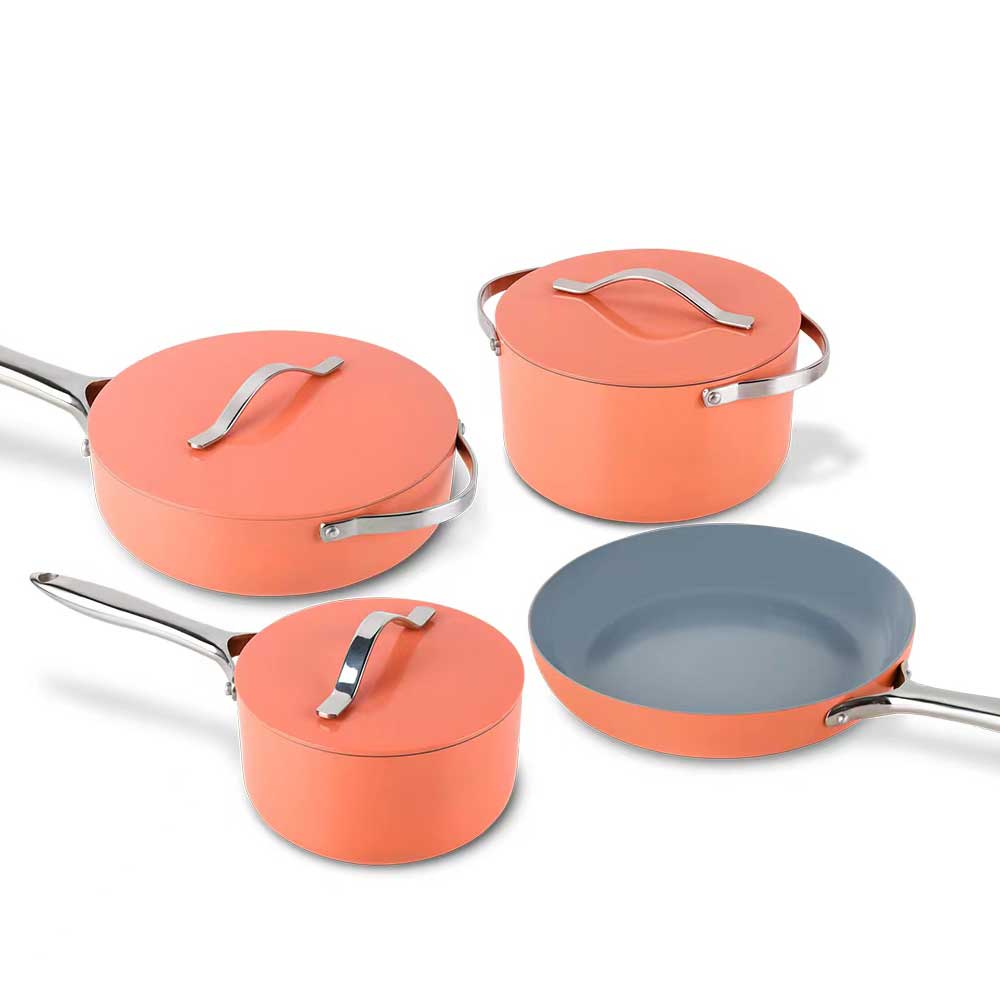
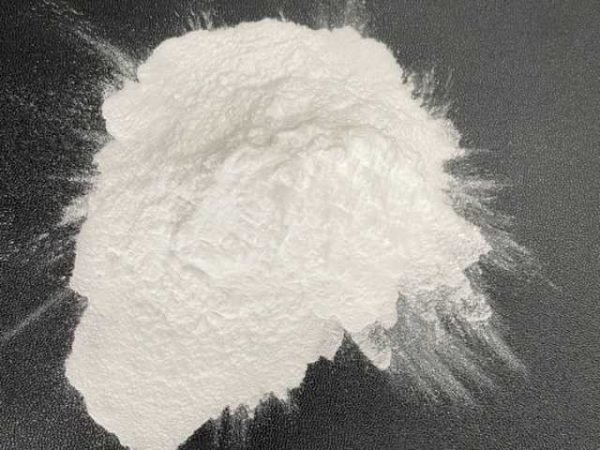
Polyfluoroalkoxy PFA Micro Powder is white with an average particle size of 5 – 100μm. The Application for electrostatic spraying, non-stick coating, industrial coating, lubricating materials, ink engineering plastics, rubber elastomer modification, etc.
Stable PFA Micropowder supply for long-term sourcing plans
Consistent batch quality from China
This table compares typical properties of PFA Micropowder grades to help you quickly select the right product for your application. All data is based on internal testing and Certificates of Analysis. If you need assistance matching PFA Micropowder grades to your formulation, please contact our technical team.
| Grade | D50 (μm) | MFR (g/10min) | Typical Application Positioning | Comparable 3M Grade* |
|---|---|---|---|---|
| PF-4P05 | 5.0 | 20 | Fine-grade PFA Micropowder for coatings, inks, and surface modification | Similar to fine-particle 3M™ PFA micropowder grades |
| PF-4P10 | 10.0 | 25 | Balanced PFA Micropowder for plastics, compounds, and general formulations | Comparable to mid-range 3M™ PFA micropowder grades |
| PF-4P15 | 15 | 25 | Medium particle PFA Micropowder for wear control and processing stability | Similar application range to coarse 3M™ PFA micropowder grades |
| PF-4P30 | 30 | 3.2 | Coarser PFA Micropowder for heavy-duty compounding and specialty uses | Comparable to large-particle 3M™ PFA micropowder grades |
Recommended for electrostatic spraying, non-stick coating, industrial coating, lubricating materials, inkengineering plastics, rubber elastomer modification, etc.

The D50 particle size of PFA Micropowder varies by grade and application focus.
In practice, buyers use D50 as the main reference point to compare different PFA Micropowder options and narrow down suitable grades for testing or purchase.
To select the right PFA Micropowder, you should first identify the application type, such as coatings, plastic compounds, or inks.
After that, D50 particle size and MFR are commonly used as the primary indicators to shortlist suitable grades before evaluation.
No. PFA Micropowder is typically used as a functional additive rather than a base polymer.
It is added in controlled amounts to existing formulations to adjust surface-related behavior without replacing the main material.
Some PFA Micropowder grades may be evaluated in more than one application area, such as both coatings and plastic compounds.
However, performance depends on formulation systems, so testing is recommended before scaling up.
When comparing PFA Micropowder with other brands, buyers usually focus on particle size (D50), processing behavior, and application fit.
Brand name alone is not sufficient for evaluation; technical parameters and test results are more relevant for selection.
If you are sourcing PFA Micropowder for surface modification or processing control, you may also consider related fluoropolymer additives for different formulation needs.
Depending on your application, alternative materials such as PTFE Micropowder or FEP Micropowder can be evaluated for similar functions under different processing conditions.
When sourcing PFA Micropowder, technical clarity helps you decide faster.
Our support focuses on grade comparison, basic application guidance, and documentation review.
If you need help selecting or evaluating PFA Micropowder, contact our team for practical assistance.
If you are evaluating or sourcing PFA Micropowder, our team is ready to support your next step.
Use the form on the right to request grade recommendations, technical data, or a quotation.
Please share your application and expected quantity so we can respond with clear and practical information.
We will contact you within 1 working day, please pay attention to the email with the suffix “@peflon.com”.
We will contact you within 1 working day, please pay attention to the email with the suffix “@peflon.com”.