
What is PTFE Coating Material: A Comprehensive Guide
PTFE coating material is a versatile, high-performance fluoropolymer that has revolutionized industries from cookware to aerospace. This guide explains how it works, its key properties, applications, safety, and how to choose the right coating for your project.
Introduction to PTFE Coating
PTFE, or polytetrafluoroethylene, is a synthetic fluoropolymer that has become one of the most versatile coating materials in use today. It was discovered accidentally in 1938 by DuPont engineer Roy J. Plunkett while he was working on refrigeration. That happy accident led to an entire industry of high-performance coatings. The base resin, PTFE (CAS 9002-84-0), belongs to the fluoropolymer family commercialized by upstream producers such as Daikin.
PTFE coating is a protective layer applied to surfaces to enhance their performance and longevity. The coating creates a slick, non-reactive surface that offers many advantages — reducing friction, preventing corrosion, or creating a non-stick surface. This page explains what PTFE coating is and how it behaves; for the applied product and coating service itself, see our Teflon (PTFE) coating page.
PTFE vs. Teflon: Understanding the Difference
The relationship is straightforward: Teflon is simply DuPont’s registered brand name for PTFE (since 1945). It’s like calling all facial tissues “Kleenex.” Technically, only PTFE products made by DuPont (now Chemours) can be called Teflon.
Key Points About PTFE Coating
- PTFE was discovered accidentally in 1938 by Roy J. Plunkett at DuPont.
- Teflon is simply the brand name for PTFE registered by DuPont.
- PTFE coating creates a protective, non-reactive surface on various materials.
- The coating offers non-stick properties, chemical resistance, and low friction.
- PTFE has revolutionized numerous industries with its unique combination of properties.
How PTFE Coating Works
PTFE coating creates a protective barrier between the base material and its environment through a primer + topcoat system. After surface preparation, PTFE is applied and heated in an oven (typically 700–800 °F / 371–427 °C) to form a continuous dry film. Coating thickness usually ranges from 15–35 microns.
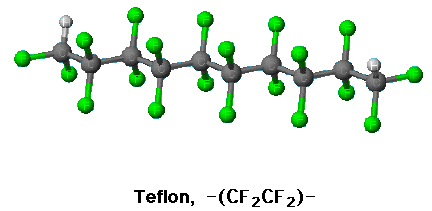
At the molecular level, PTFE consists of a carbon backbone with two fluorine atoms bonded to each carbon. The fluorine atoms form a protective sheath around the chain — this is what gives PTFE its chemical inertness, non-stick behavior, and ultra-low friction.
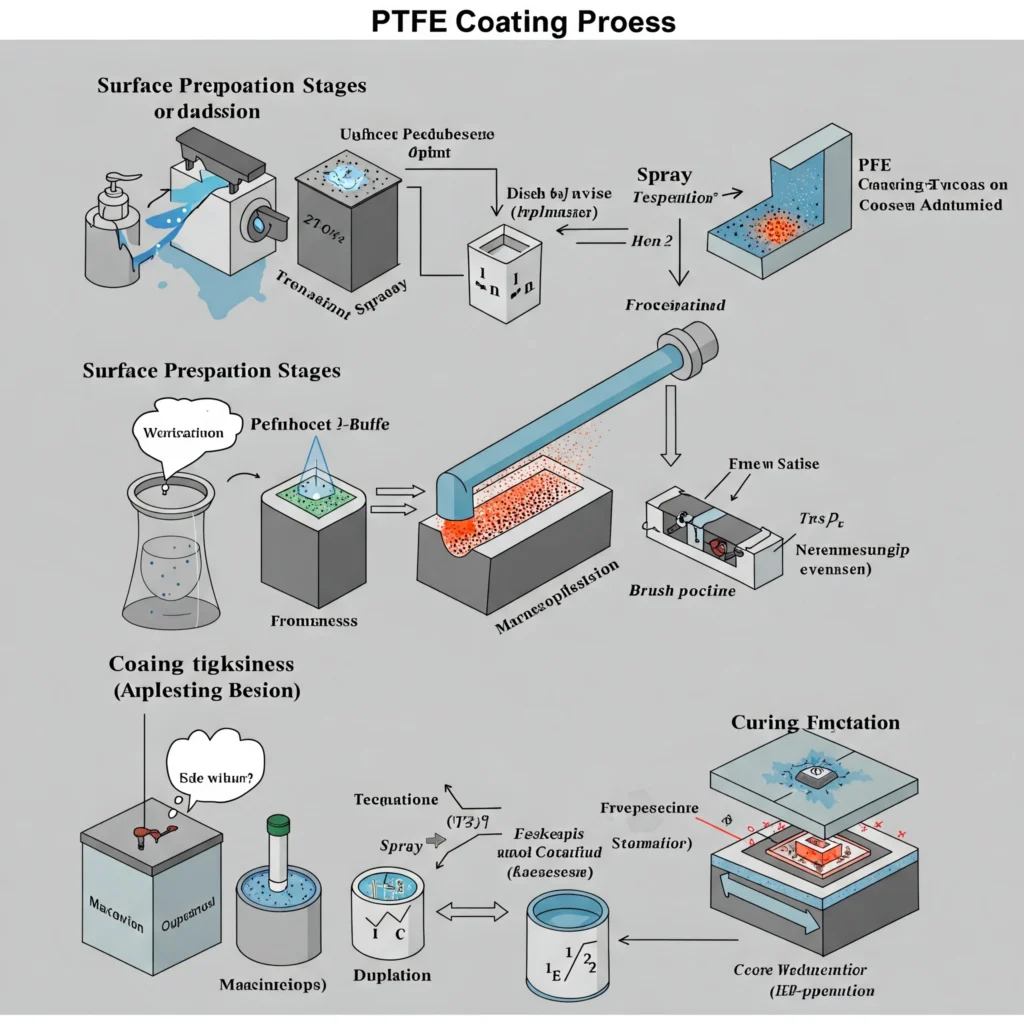
The PTFE Coating Process
Surface Prep
Degrease, sandblast, or chemically clean to remove all contaminants.
Primer
Apply a primer to bond PTFE strongly to the substrate.
PTFE Application
Spray, dip, or powder coat the PTFE topcoat over the primer.
Curing
Bake at 700–800 °F so PTFE particles fuse into a continuous film.
Cool & Inspect
Cool, inspect thickness and finish, and ship.
Types of PTFE Coatings
One-Coat
Single layer, simpler use cases.
Two-Coat
Primer + PTFE topcoat for better adhesion.
Multi-Coat
Multiple layers for high durability.
PTFE Blends
Combined with PFA or FEP for specialty use.
Reinforced
Glass fiber or carbon for wear resistance.
Key Properties of PTFE Coating Materials
Low Friction Coefficient
Coefficient typically 0.05–0.10 — one of the lowest of any solid. Compare: most plastics 0.2–0.4, metals 0.5–1.0.
Hydrophobic Nature
Water contact angle ≈ 110°. Highly water-repellent — key to non-stick behavior and outdoor durability.
Chemical Resistance
Inert to virtually all chemicals and solvents (with rare exceptions like molten alkali metals).
Temperature Resistance
−328 °F to +500 °F (−200 °C to +260 °C). Melts ≈ 620 °F (327 °C); flexible at cryogenic temps.
Electrical Properties
Dielectric constant ≈ 2.1, stable across wide frequency — ideal for wire insulation and PCBs.
Other Highlights
Non-flammable (oxygen index > 95%), excellent UV/weatherability, self-cleaning, corrosion-resistant.
PTFE vs Other Coatings
| Property | PTFE | Epoxy | Polyurethane | Silicone |
|---|---|---|---|---|
| Friction | Very Low | Medium | Medium | Low |
| Temperature | −200 to +260 °C | Medium | Medium | −60 to +200 °C |
| Chemical Resistance | Excellent | Good | Good | Good |
| Non-Stick | Excellent | Poor | Poor | Good |
| Electrical Insulation | Excellent | Good | Good | Good |
| Cost | Higher | Medium | Medium | Higher |
Advantages and Benefits of PTFE Coatings
Industrial Benefits
- Extended equipment life
- Less maintenance downtime
- Improved energy efficiency
- Corrosion protection
- Wide temperature stability
Consumer Product Benefits
- Healthier non-stick cooking
- Faster cleaning
- Less harsh detergent needed
- Even heat distribution
- Versatile cooking range
Environmental Benefits
- Long product life reduces waste
- Less cleaning water and energy
- Modern PFOA-free production
- Replaces toxic alternatives
Cost-Effectiveness
- Higher upfront, lower lifetime cost
- Reduced replacement frequency
- Lower lubricant consumption
- Predictable performance
Common Applications of PTFE Coatings
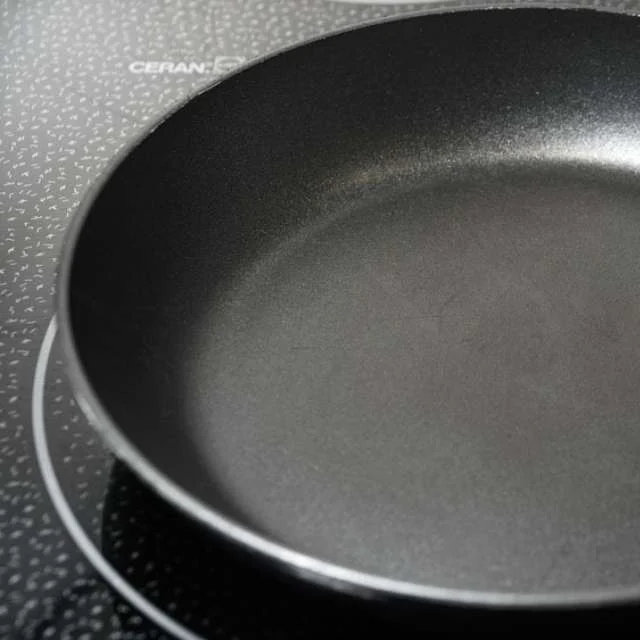
Cookware & Kitchen
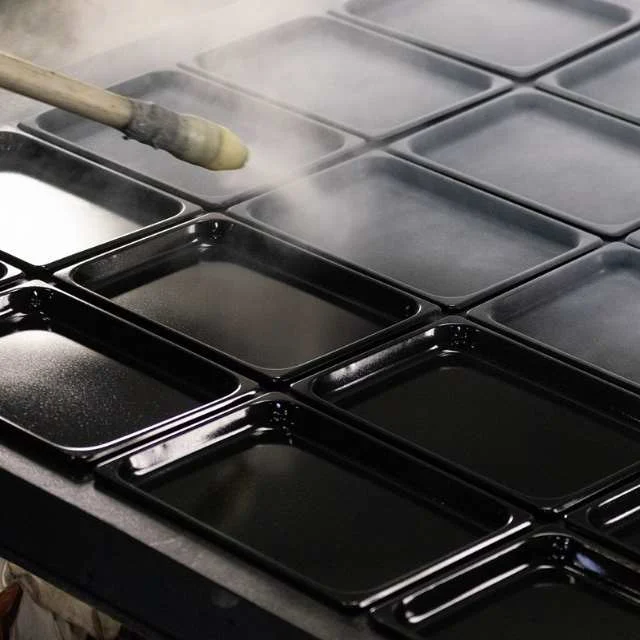
Non-stick frying pans, baking sheets, kitchen appliances, and bakeware.
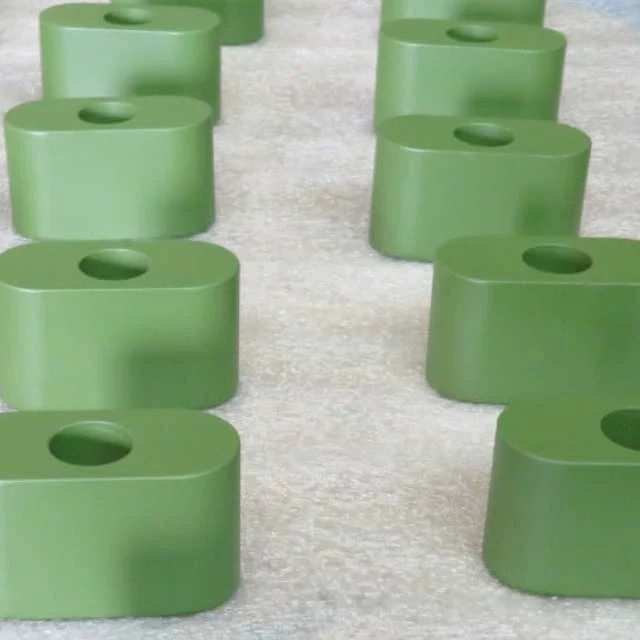
Industrial Machinery
Bearings, gears, slide plates, mixer blades, conveyor parts — reduced friction, longer life.
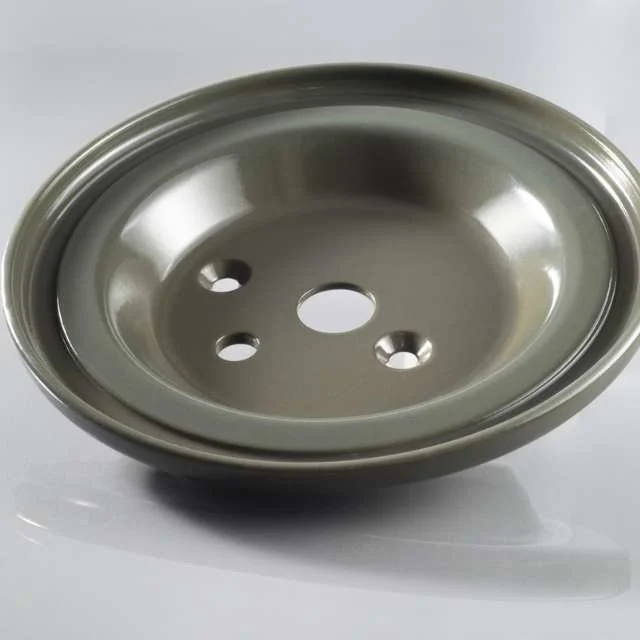
Medical Devices
Catheter coatings, surgical instruments, implant components, and lab equipment.
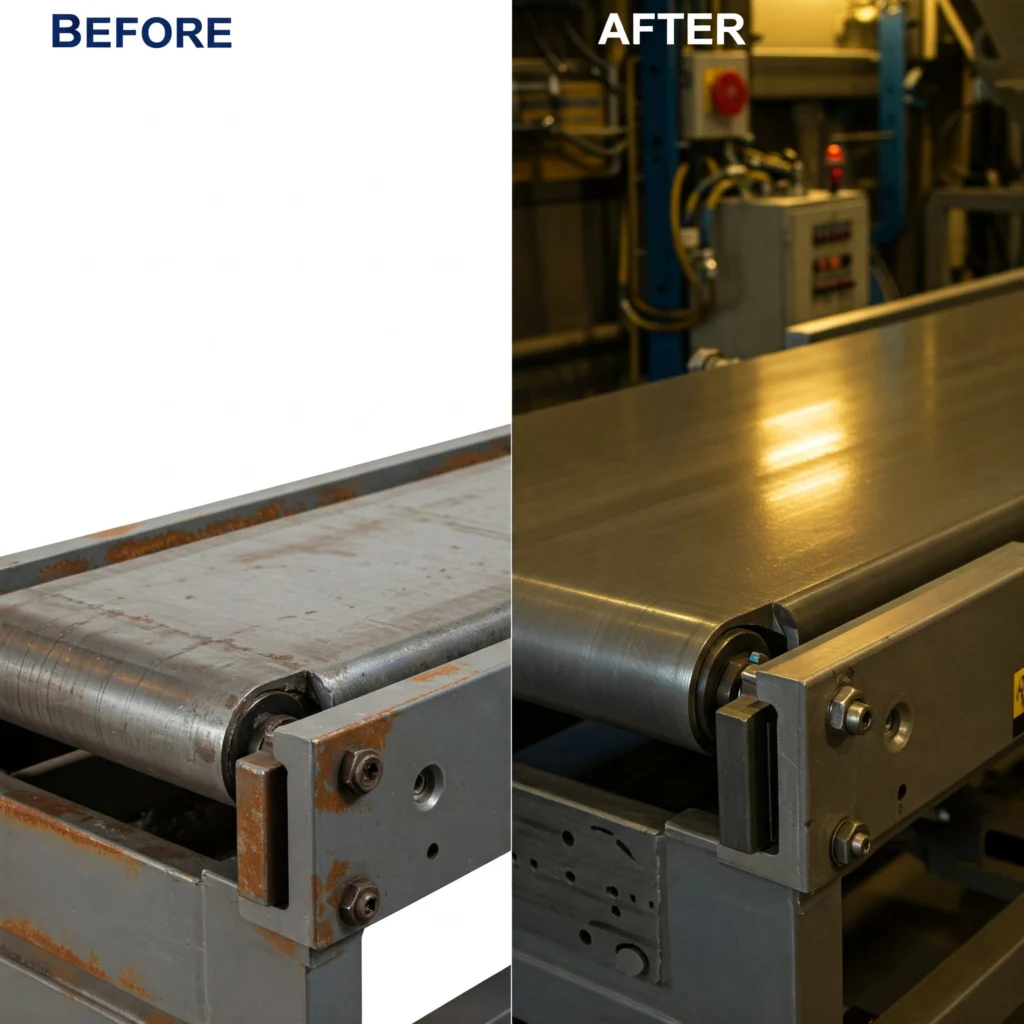
Automotive & Aerospace
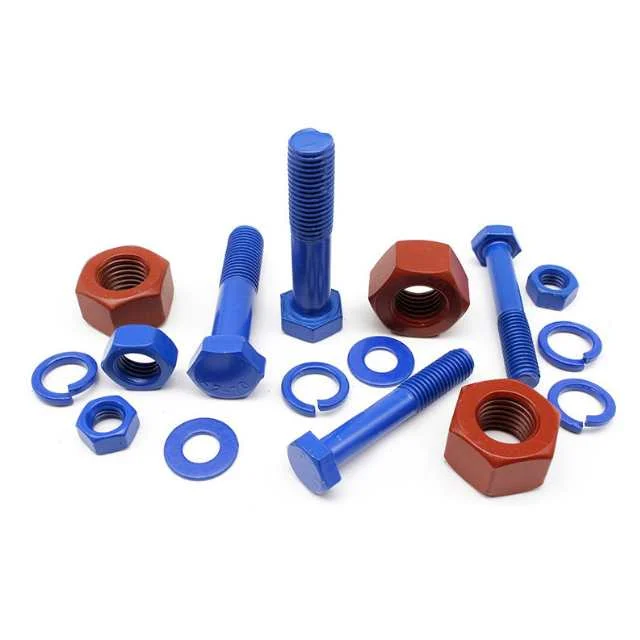
Fuel-line coatings, fasteners, brake parts, aerospace seals, and hydraulic systems.
Electronics & Electrical
Wire insulation, PCB substrates, semiconductor parts, and high-frequency cables.
Food Processing & More
Conveyor belts, mold release, pharmaceutical mixing tanks, reactors, packaging machinery, and oven liners.
Pros and Cons of PTFE Coating
Advantages
- Excellent non-stick & release performance
- Outstanding chemical resistance
- Wide thermal range (−200 to +260 °C)
- Very low friction, minimal lubrication needed
- Strong electrical insulation properties
- Long service life and easy cleaning
Limitations
- Higher initial cost than common coatings
- Should not exceed ≈ 260 °C in service
- Susceptible to scratches from metal utensils
- Requires specialized application equipment
- Limited recycling routes for cured coating
- Adhesion depends on careful surface prep
Safety Considerations of PTFE Coatings
Historical concerns: Older PTFE manufacturing used PFOA as a processing aid, raising environmental and health questions. Modern PTFE production has phased out PFOA — today’s PTFE coatings, including Peflon’s, are PFOA-free.
Modern safety profile: Cured PTFE is biologically inert at normal use temperatures. The U.S. FDA (see 21 CFR 177.1550), EU EFSA, and many global regulators approve PTFE for food-contact applications. Major studies have not linked properly used PTFE cookware to health risks.
Temperature considerations: Avoid exceeding 260 °C (500 °F) in service. At very high temperatures (above ~350 °C), PTFE can decompose and release fumes — relevant only to extreme misuse, not normal cooking.
Safe Usage Guidelines
Use medium heat for cookware, ventilate during high-temp operations, and avoid metal utensils on coated surfaces.
Regulatory Approval
FDA, EU food-contact, REACH, RoHS — modern PTFE coatings meet strict global standards.
Fact vs. Fiction
Properly used PTFE is widely accepted as safe. Most online myths reference legacy PFOA processes that are no longer in use.
PTFE Coating Maintenance and Care
Caring for PTFE-Coated Cookware
- Cool the pan before cleaning — never plunge hot pans in cold water.
- Hand-wash with mild soap and a soft sponge.
- Use wood, silicone, or nylon utensils — avoid metal.
- Use medium heat; avoid empty preheating on high.
- Store with cloth dividers to protect surfaces.
Industrial Maintenance & Common Mistakes
- Avoid abrasive cleaning pads or harsh solvents.
- Inspect coatings periodically for chips or wear.
- Re-coat worn parts before substrate damage occurs.
- Replace items when the primer becomes visible.
Lifespan tip: gentle handling can extend coating life by 2–3×.
Environmental Impact and Sustainability
Historical Concerns
Legacy PFOA processing aids raised concerns. Industry has moved to PFOA-free production globally.
Modern Manufacturing
Closed-loop water systems, lower emissions, and stricter QC reduce footprint significantly.
Eco-Friendly Traits
Long product life, less cleaning chemicals, and replacement of more toxic alternatives.
Recyclability & Waste
Some grades support reground / re-pelletized reuse. Industrial scrap PTFE is increasingly recycled.
Sustainability R&D
Bio-based primers, water-borne dispersions, and lower-temp curing all in active development.
Consumer Tips
Choose PFOA-free certified products, take care of cookware, and recycle metal substrates at end of life.
Choosing the Right PTFE Coating
The right PTFE coating depends on substrate, service temperature, mechanical loading, and required release performance. Match grade and system to your real conditions, not just to the product name.
Pure PTFE
Best non-stick & chemical resistance — ideal for cookware and gentle service.
PTFE Blends
PTFE + PFA / FEP for higher durability and color flexibility — great for industrial cookware lines.
Reinforced PTFE
With glass fiber, carbon, or ceramic for high wear resistance — molds, conveyors, hardware.
One-Coat vs Multi-Coat
One-coat is fast and economical; multi-coat offers superior durability and release for demanding parts.
Working with Suppliers
Confirm TDS, sample lot, application method, certifications, and lead-time before placing orders.
Decision Checklist
- Substrate & geometry
- Service temperature & chemistry
- Wear & release requirements
- Regulatory needs (FDA, REACH)
Conclusion and Future Trends
PTFE coating combines unmatched non-stick performance, chemical resistance, low friction, and a wide service temperature window. Choose the right grade, follow safe-use guidelines, and partner with a reliable supplier — and PTFE coating will serve your application for years to come.
Innovations
Nanostructured PTFE, hybrid coatings, and lower-temperature curing technologies.
Sustainability
Water-borne PTFE dispersions, recyclable scrap streams, and PFOA-free certifications.
Industry Trends
Strong growth in medical, EV automotive, semiconductor, and renewable-energy sectors.
Frequently Asked Questions About PTFE Coating
What is the difference between PTFE coating and Teflon coating?
They describe the same material. Teflon is a registered brand name for PTFE (polytetrafluoroethylene), so a Teflon coating is a PTFE coating. For the applied product and coating service, see our Teflon (PTFE) coating page.
What coating thickness and cure temperature does PTFE coating require?
Sprayed PTFE coatings are typically 15–35 microns thick and are cured in an oven at roughly 700–800 °F (371–427 °C) so the PTFE particles fuse into a continuous, non-porous film over the primer.
Is PTFE coating safe and compliant for food-contact and industrial use?
Yes. Modern PTFE coatings are PFOA-free and biologically inert once cured. Food-contact grades are formulated to meet FDA 21 CFR 177.1550 and equivalent global food-contact regulations, and cured PTFE is stable well within normal service temperatures.
What substrates can PTFE coating be applied to?
PTFE coatings bond to a wide range of metals such as aluminum, carbon steel, stainless steel, and nickel alloys, as well as some non-metals, provided the surface is properly cleaned, roughened, and primed before application.
How do I choose the right PTFE coating for my application?
Match the grade to your real conditions: substrate and geometry, service temperature and chemistry, wear and release requirements, and any regulatory needs (FDA, REACH). Pure PTFE maximizes non-stick and chemical resistance, while reinforced or blended systems add wear resistance and durability.
Related PTFE Coating Products
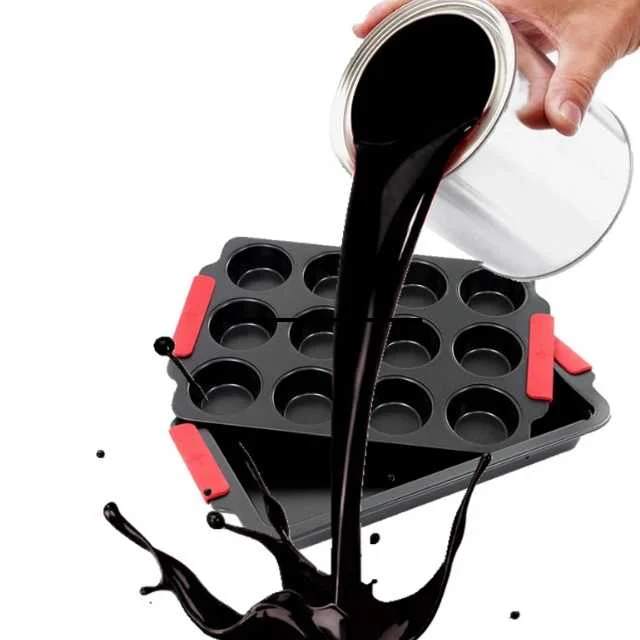
Teflon coating
Applied Teflon (PTFE) coating and finishing service for your parts.
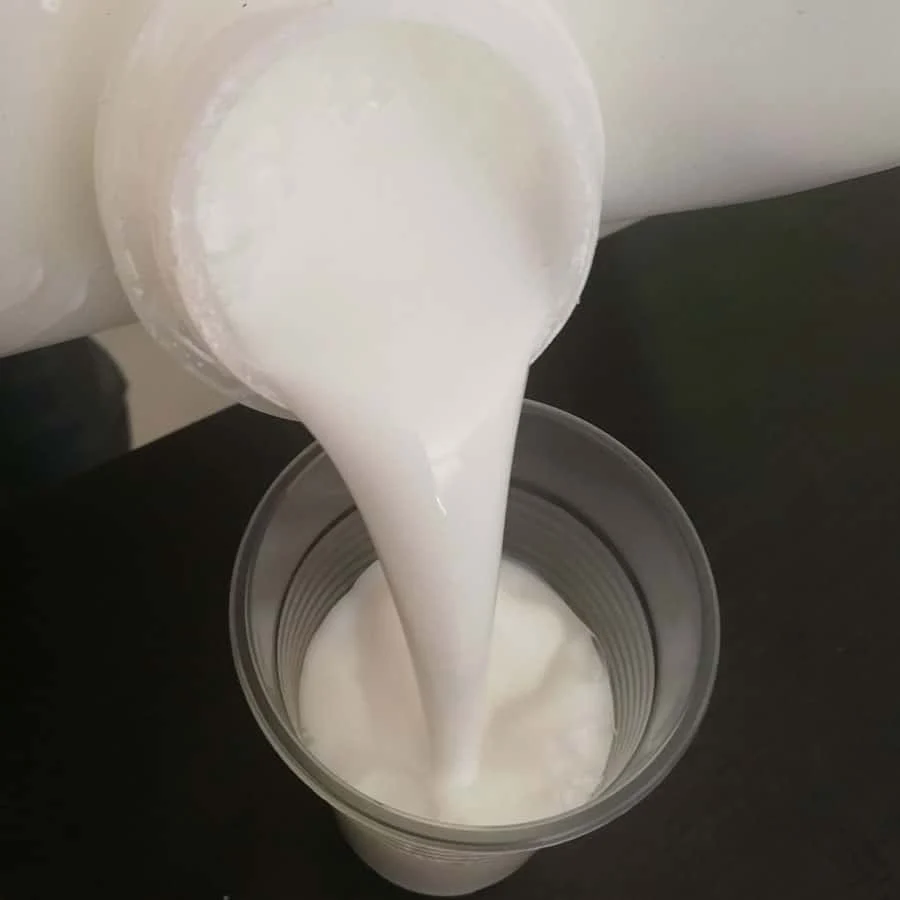
PTFE Dispersions for Coating
Water-based PTFE dispersion for coating, impregnation and film casting.

PTFE Dispersion
PTFE dispersion resin as the raw material for coating formulations.
Need PTFE Coating for Your Parts?
Tell us your substrate, service conditions and performance targets, and Peflon will recommend the right PTFE coating grade and system for your project.