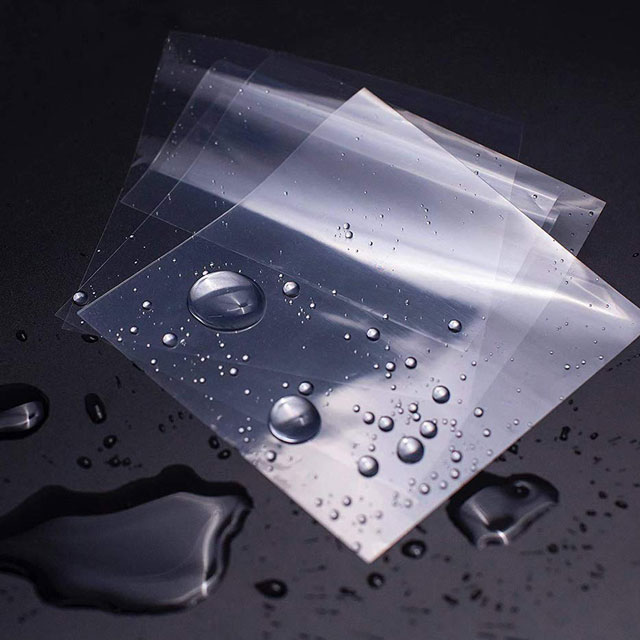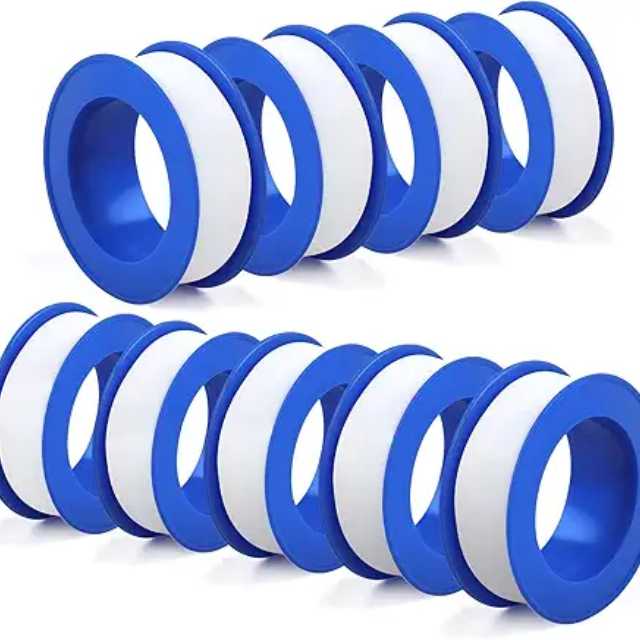
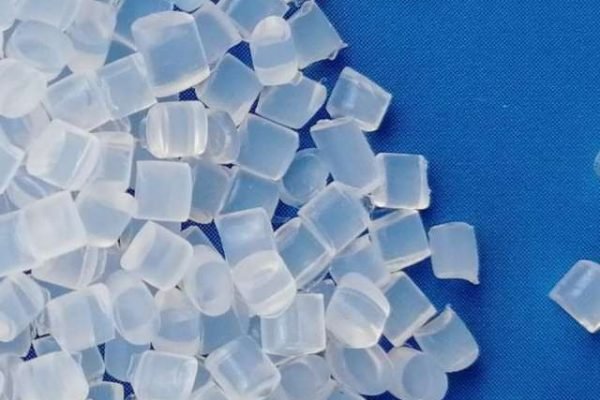
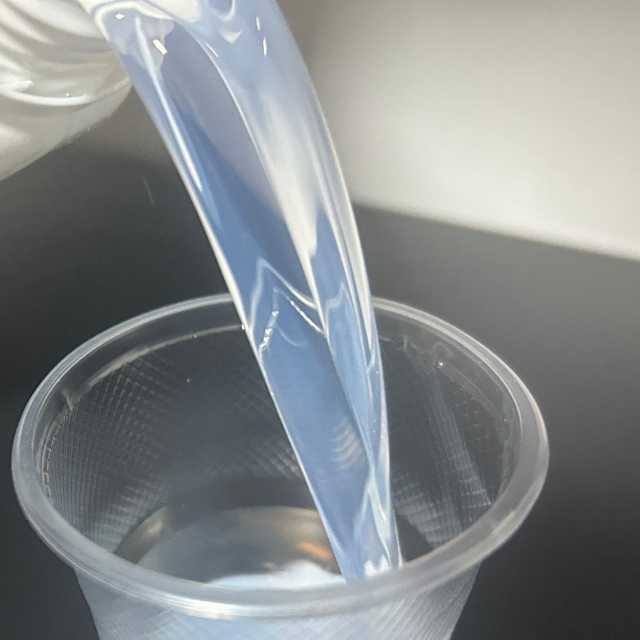

Peflon makes FEP MATERIAL sourcing simple for distributors and factories. Share your current grade, and we map an equivalent FEP polymer option you can run.
| FEP MATERIAL Property | Typical Value / Range | Notes / Test refs |
|---|---|---|
| Density | ~2.1–2.3 g/cm³ | Common fluoropolymer range |
| Melting point | ~260 °C | Typical FEP polymer melt |
| Continuous service temp | ~200–205 °C | Often cited as ~204 °C |
| Dielectric constant | ~2.1 | Measured typically at 1 MHz |
| Dissipation factor | Very low (<0.0001–0.0007) | Grade-dependent |
| Water absorption | Very low (<0.1% / <0.01%) | Grade-dependent |
| Flame rating | UL 94 V-0 | Depends on specific grade |
Peflon provides three main FEP material types for your needs:
Our production is filled with advanced technology to create strong FEP materials:
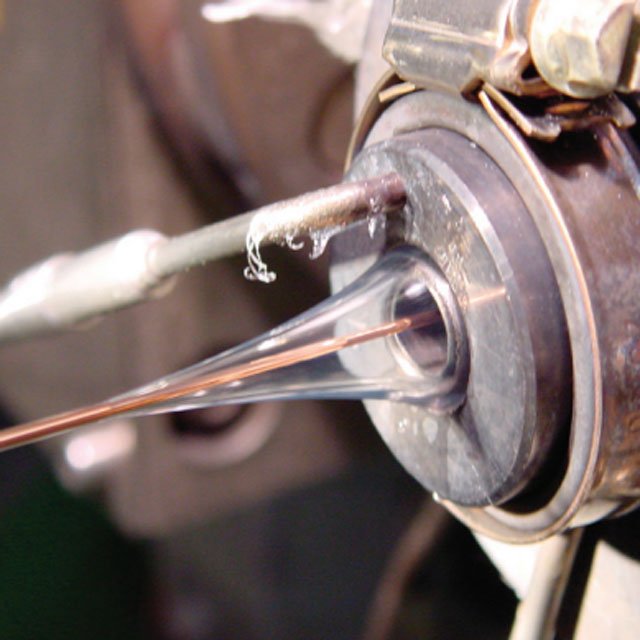
Extrusion: Designing films, tubes, rods, and cables.
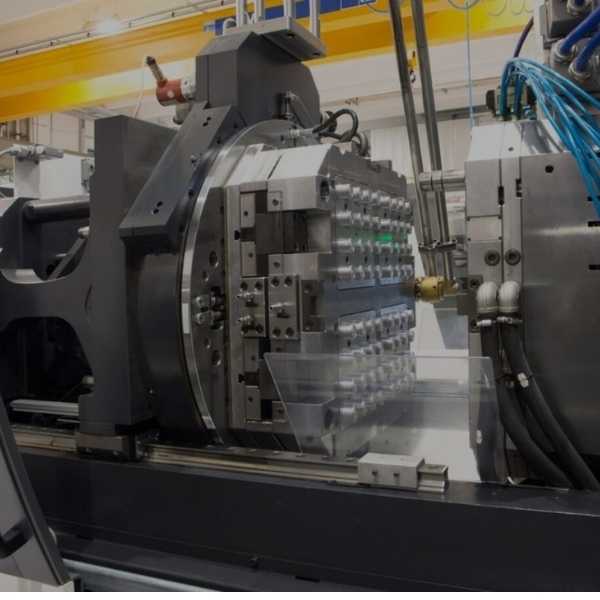
Injection Molding: Forming detailed FEP parts.
Spray Coating: Adding thin protective layers.
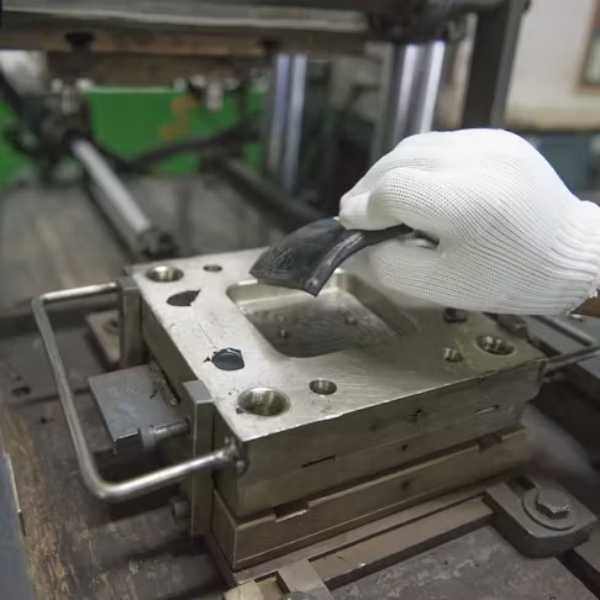
Compression Molding: Shaping FEP for special applications.
We have a range of FEP material as your requirements.
| Grade | MFR (g/10min) | Form | Feature | Application |
|---|---|---|---|---|
| PF-3D03 | 0.8–10.0 | Dispersion | Excellent Chemical Resistance | Used for coating, impregnation, electrical insulation materials, injection film, and chemical isolation materials |
| PF-3P51 | ≥(5KG,372°C) | Powder | D50, μm 30–50 | Lining of valve and piping, anti-corrosion and insulation product coating areas |
| PF-301 | 0.8–2.0 | Pellet | FEP spray coatings, FEP sheet material | Tubes, piping, linings, bellows, valves and other components in chemical industries |
| PF-302 | 2.1–4.0 | Pellet | Fluorinated ethylene propylene coating | Used for tubes, piping, linings, bellows, jackets for wire and cable applications |
| PF-303 | 4.1–8.0 | Pellet | FEP hydrophobic | Used for wire and cable insulation, small tubing and injection molded parts |
| PF-304 | 8.1–12.0 | Pellet | FEP material temperature range, FEP chemical compatibility, FEP hydrophobic | Wire insulation, small tubing and injection molded parts |
| PF-305 | 12.1–20 | Pellet | FEP injection, FEP extruder | Thin wall wire and cable insulation, industrial film |
| PF-306 | 20.1–27 | Pellet | FEP chemical compatibility, FEP hydrophobic | Small diameter, intricate or thin wall parts |
| PF-311 | 2.1–5.0 | Pellet | 3D printer FEP | Heat stress cracking resistant plastics, wire insulation layer, thin-walled tube |
| PF-3MP05 | >0.1 | Powder | Good thermal stability and low coefficient of friction | Lining of valve and piping, electrostatic spraying |
Peflon Fluorinated Ethylene Propylene resins are highly versatile materials with a wide range of applications across various industries. FEP plastic is applied everywhere, making things safer and stronger, for example, in factories: Lines pipes and valves to handle harsh chemicals; in hospitals: flexible, clean tubes for medicine and machines; at Home: Protecting wires and cables for devices; and in food: Safe, non-stick films for packages.

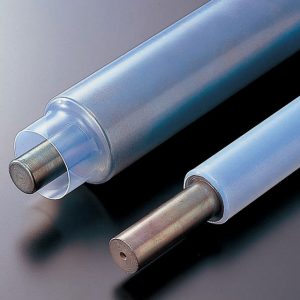
Their excellent electrical insulating properties make extrusion grade FEP resins a preferred choice for wire and cable insulation, ensuring reliable electrical connections.
Lorem ipsum dolor sit amet, consectetur adipiscing elit. Ut elit tellus, luctus nec ullamcorper mattis, pulvinar dapibus leo.

Compression-molded FEP is used to produce seals and gaskets in automotive, aerospace, and industrial equipment, providing excellent sealing performance
If you source FEP MATERIAL as a replacement, you may also need a backup option for customers who specify a different processing window or higher temperature. In those cases, related fluoropolymers like PFA or PTFE are often compared during qualification, especially when the end use is wire insulation, chemical handling, or film layers.
Not always. PVDF material offers easier processing than PTFE, but it operates within a lower temperature range. You should evaluate PVDF material as an alternative only after confirming thermal limits and service conditions for your specific product.
PVDF material selection depends on how the product is made. Resin is typically reviewed for molded or extruded parts, powder for binders or coatings, and membrane-grade PVDF material for filtration products. Form selection should follow your process, not the other way around.
Yes. Even when specifications look similar, PVDF material should be re-validated when suppliers or grades change. Batch-to-batch consistency and processing behavior can vary and directly affect product performance.
PVDF is premium-grade for demanding applications, while PVC is a cost-effective choice for general-purpose uses with moderate conditions.
PP is widely used for general-purpose chemical resistance, while PVDF material is selected for harsher environments. PVDF material performs better under higher temperatures and aggressive media, but PP may be sufficient for less demanding applications.
PVDF material price reflects its fluoropolymer chemistry, controlled production, and performance range. While PVDF material costs more than PVC or PP, it is typically evaluated for applications where longer service life and reduced failure risk justify the investment.
When you replace a FEP MATERIAL supplier, technical uncertainty is often the biggest risk. Small differences in melt behavior, insulation performance, or film consistency can cause issues weeks after switching. Peflon’s technical support helps you reduce that risk before you commit.
Our support content is built for distributors and material buyers who need clear answers, not theory. You can access practical guides on FEP MATERIAL grade comparison, processing notes for extrusion and tubing, and simple checklists for approving an alternative supplier. These resources help you explain changes to your customers with confidence and shorten the decision cycle.
Browse the related technical articles, or contact us if you need help reviewing a FEP MATERIAL datasheet or confirming whether a grade fits your current application.
If you are ready to source FEP Material for valves, vacuum parts, cable, Coating, or custom CNC components, our team is here to help. Tell us your requirements and application, and we will prepare samples, datasheets, and a clear quotation. You get fast responses and support for both small trials and long-term supply.
Fill in the form on the right, and our team will contact you shortly.
We will contact you within 1 working day, please pay attention to the email with the suffix “@peflon.com”.