
Chemical Linings for Pipes, Valves and Tanks
When a chemical line fails, the problem is rarely the material name alone. Peflon helps match PTFE, PFA, FEP and PVDF lining materials to the real media, temperature, pressure and part design before trial production starts.
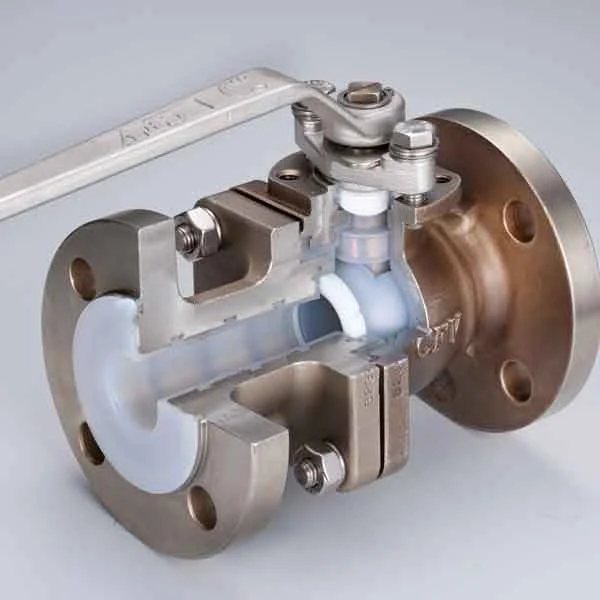
Choose by service condition, not by material name
PTFE, PFA, FEP and PVDF are all used in chemical service, but they are not interchangeable. The right choice depends on chemical media, temperature, pressure, lining thickness, part geometry and production method.
Strong acids and alkalis
Check PTFE first when the equipment sees aggressive or mixed corrosive media.
High-purity fluid handling
Check PFA for clean chemical systems, tubing, valve liners and complex molded parts.
Pipe and valve liner projects
Check FEP or PFA when smooth surfaces and melt processing are part of the design.
Moderate chemical service
Check PVDF when the media and temperature fit, and easier processing matters.
How to choose PTFE, PFA, FEP or PVDF for chemical linings
Use this as a first pass. For final selection, send the chemical name, concentration, temperature, drawing and current failure issue.
| Application need | Recommended path | Why it fits | What to confirm |
|---|---|---|---|
| Strong acids, alkalis, solvents or mixed corrosive media | PTFE liner | Broad chemical resistance, low friction and non-stick behavior for pipes, tanks and valves. | Media, concentration, temperature, pressure, liner thickness and part drawing. |
| High-purity fluid handling, tubing and complex valve parts | PFA resin / PFA liner | Melt-processable fluoropolymer with strong chemical resistance and flexible processing. | Purity target, MFR, molding method, operating temperature and cleaning process. |
| Pipe and valve liners needing smooth fluoropolymer surfaces | FEP / PFA pipe liner | Useful for liner designs where forming, molding or smooth flow surfaces matter. | Part shape, liner bonding method, wall thickness and final inspection standard. |
| Chemical parts, coatings, membranes or pipes under suitable conditions | PVDF material | Good balance of chemical resistance, mechanical strength and processability. | Thermal limit, media compatibility, processing route and validation plan. |
| Flexible liners and multilayer hose barrier layers that must bond to a PE, PP or TPE structural layer | THV material | The only fluoropolymer in this list that bonds directly to hydrocarbon and elastomer layers, and the most flexible — used where a rigid PTFE or PFA liner cannot follow the part. | Service temperature (well below PTFE, PFA and FEP), media, layer structure and bonding method. |
| Sealing parts, pump components, gaskets and wear areas | Filled PTFE | Can improve wear, load bearing or dimensional stability compared with virgin PTFE. | Load, sliding condition, seal pressure, filler type and chemical exposure. |
Send these 3 details before choosing a lining material
A chemical lining project should not be quoted from the part name only. These details help avoid wrong resin, wrong thickness and failed trials.
1. Chemical media
Send chemical name, concentration, working temperature, cleaning temperature and whether the media is mixed or changing.
2. Equipment details
Share whether it is a pipe, valve, tank, pump part, gasket, fitting or custom liner. Drawings and photos are helpful.
3. Current problem
Tell us if you are solving corrosion, leakage, build-up, cracking, wear, contamination or supplier replacement.
What Peflon checks before naming a grade
We do not treat "chemical lining" as one material. A pipe liner, molded valve liner, tank sheet lining and pump component can all need different resin forms and processing routes.
- Chemical compatibility — Media name, concentration, temperature and cleaning process decide the safe material range.
- Part geometry — Thin liners, thick molded parts, pipe sections and valve bodies are not made the same way.
- Processing method — Molding powder, pellet, dispersion, sheet and finished liner each solve different manufacturing problems.
- Inspection and documents — TDS, SDS, batch information, REACH/RoHS and qualification documents can be prepared for project review.
Common Peflon materials for chemical linings
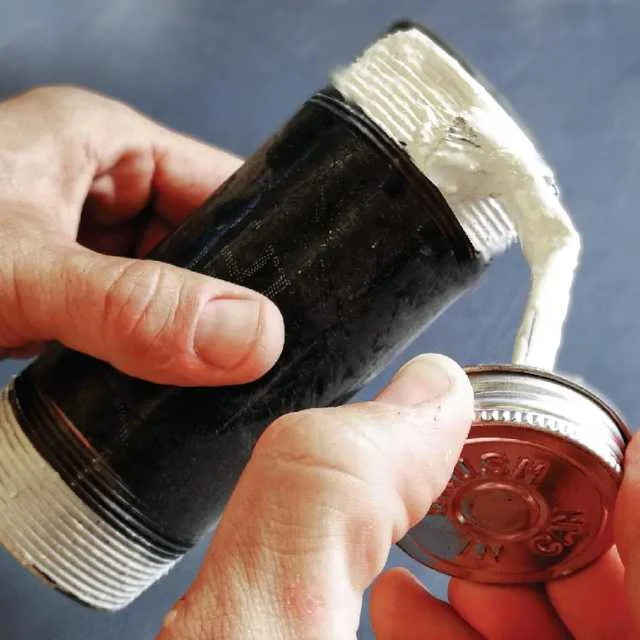
PTFE Liner
For pipes, tanks, valves and custom liners exposed to aggressive chemical media.
FEP Pipe Liner
For selected pipe and valve liner designs needing smooth fluoropolymer surfaces.
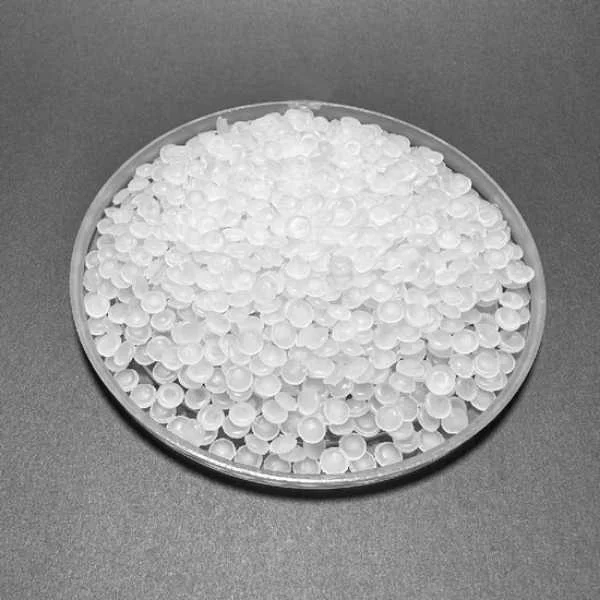
PFA Material Supplier | Peflon
For high-purity tubing, valve liners, tank lining parts and molded chemical components.
Questions chemical equipment buyers usually ask first
What is the best material for chemical lining?
There is no single best material. PTFE is often checked first for aggressive chemicals. PFA is useful when melt processing or high-purity fluid handling matters. FEP can work for selected pipe and valve liner designs. PVDF is worth checking when the operating temperature and chemicals fit its range.
Can PVDF replace PTFE?
Not always. PVDF can be easier to process, but it has different temperature and chemical limits. Use PVDF only after confirming media, temperature and mechanical load.
What information is needed for a lining quote?
Send media, concentration, temperature, pressure, part drawing, lining thickness if known, and the current problem you want to solve. A photo or drawing is helpful.
Do you provide documents for qualification?
Yes. Peflon can support material selection with TDS, SDS, batch information and compliance documents depending on the grade and project requirement.
Technical Support for Chemical Lining Material Selection
Specifying a chemical lining raises real engineering questions — media compatibility, permeation, temperature limits and virgin vs filled PTFE. Our technical library shares practical guidance from the Peflon materials team.
PTFE: How to Select the Right Grade
What This Guide Covers — and Why It Matters Selecting the right PTFE (Teflon®) grade is not just a technical decision — it affects your equipment lifespan, maintenance…
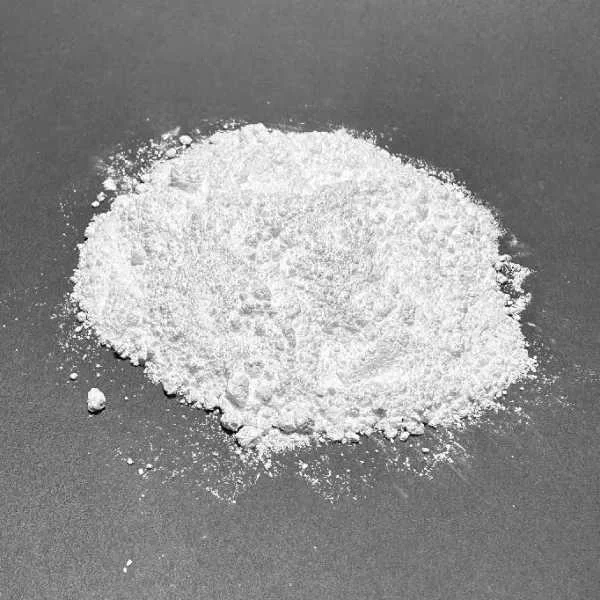
PVDF Explained: Properties, Uses, and How to Select the Right Grade
Learn what PVDF (polyvinylidene fluoride) is, its key properties, common applications, grade selection tips, and how buyers in chemical, manufacturing, and procurement roles choose the right material.
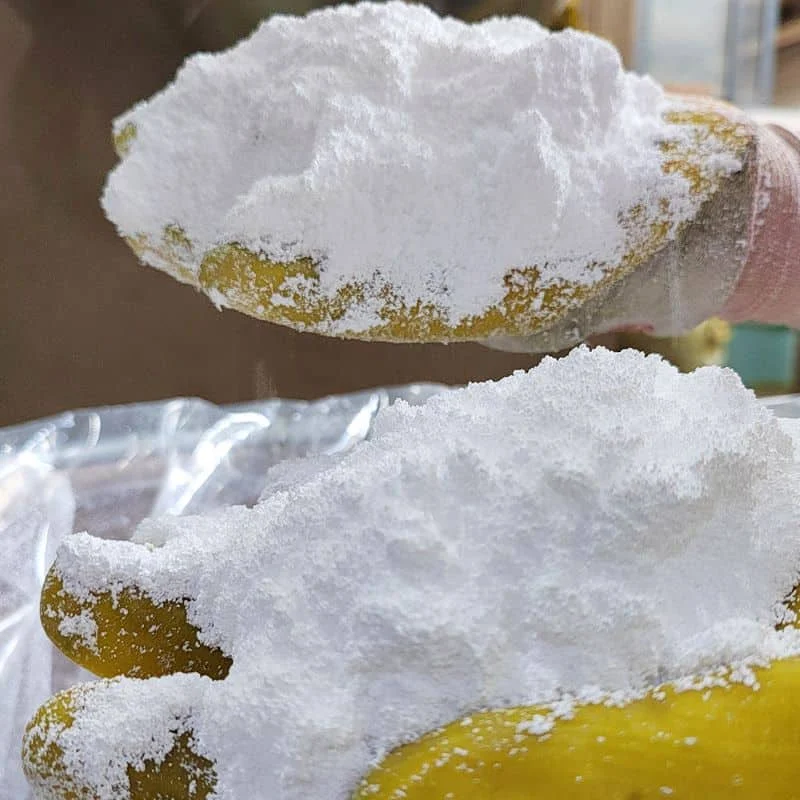
Practical Limitations of PTFE — What Buyers Often Learn Too Late
PTFE is often specified for safety.But in real sourcing projects, most problems do not come from chemistry — they come from misaligned expectations between material behavior and downstream…
Need a lining material for real chemical service?
Send your media, concentration, temperature, pressure, part drawing and current issue. Peflon will help narrow the material path before you spend time on samples, tooling or plant trials.