
Fluoropolymer Materials for Automotive Parts
A working selection guide for automotive OEM, Tier-1 and Tier-2 buyers. Match PTFE, FEP, PFA, ETFE, PCTFE and PEEK to the right part — fuel-system seals, EV high-voltage harnesses, brake tubing, sensor coax, transmission rings — without overspecifying or paying for grades you don’t need.
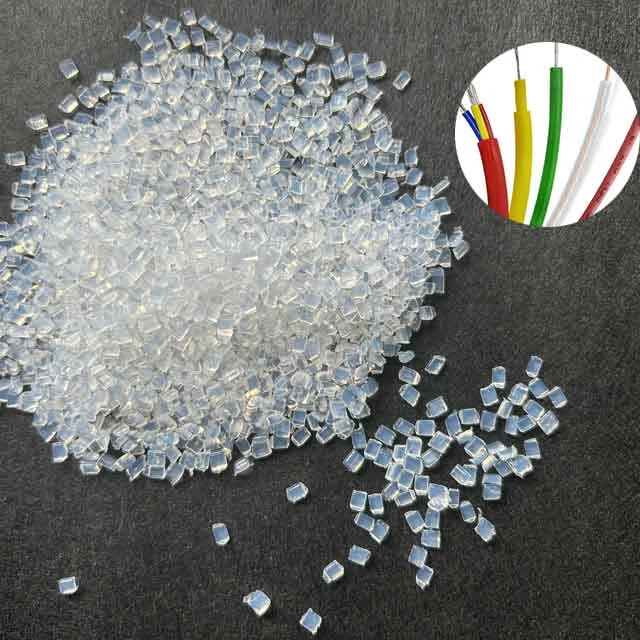
What Is Automotive Fluoropolymer Material?
Fluoropolymers — PTFE, FEP, PFA, ETFE, PCTFE and PEEK-adjacent materials — are the polymer family behind Teflon-branded automotive parts (Teflon is a DuPont/Chemours brand name for PTFE specifically). Automotive programs use them where rubber and standard plastics fail: fuel and chemical contact, sustained high temperature, or near-zero friction under load. Each family trades off differently on temperature ceiling, chemical resistance and mechanical strength — matching the right one to the part is the job of the selection guide below.
Material Families We Ship to Automotive
Each card lists what the material is best at, where it falls short, and the form factors most automotive customers buy.
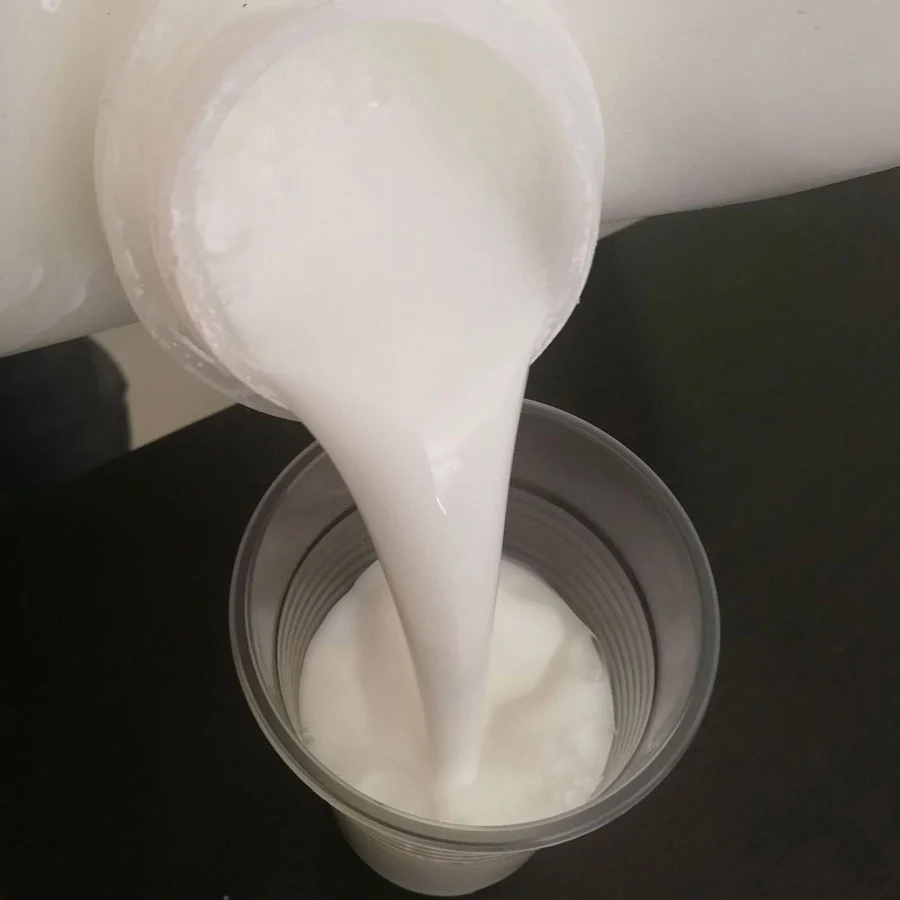
PTFE — Virgin
Static Seals, Gaskets, Isolators. Universal chemical resistance and the lowest friction in the family. Cold-flow under continuous load, so we ship it filled when the gland is heavily preloaded. Typical parts: gaskets, lip seals, valve seats.
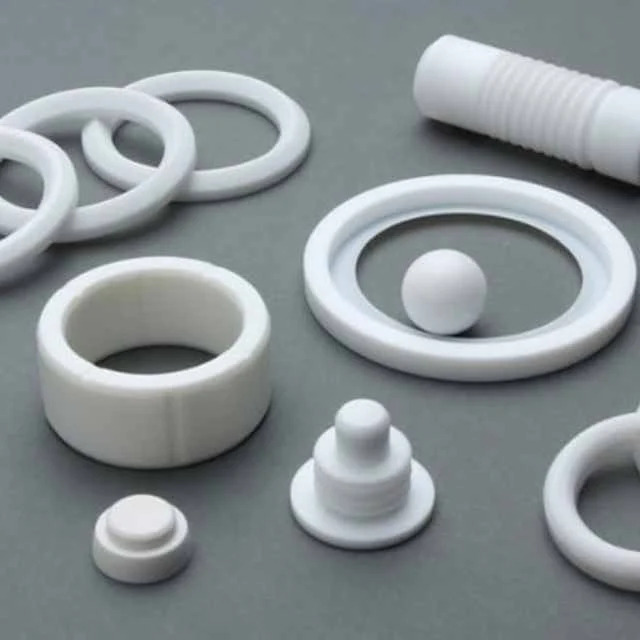
Filled PTFE
Bearings, Bushings, Dynamic Seals. Glass, bronze, graphite or MoS₂ filler raises wear life and load capacity. Pick by mating surface and lubrication condition.
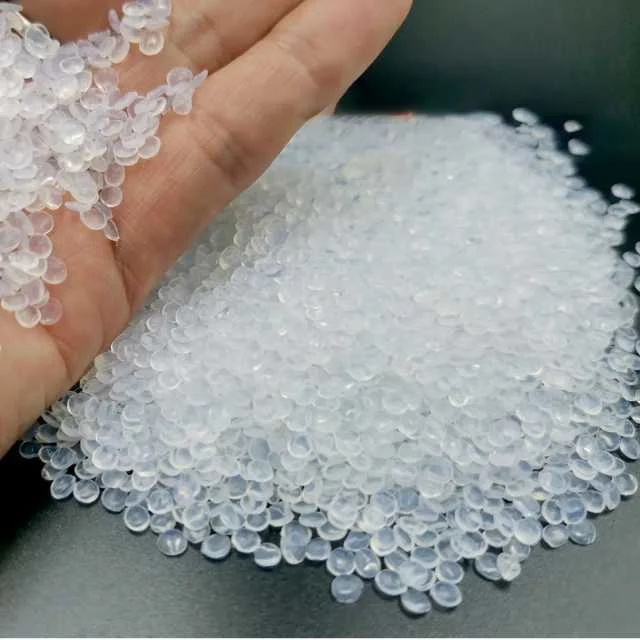
FEP
Cable, Tubing, Ignition Leads. Melt-processable, low Dk, stable to 200 °C. The default for automotive ignition wire and sensor coax dielectric.
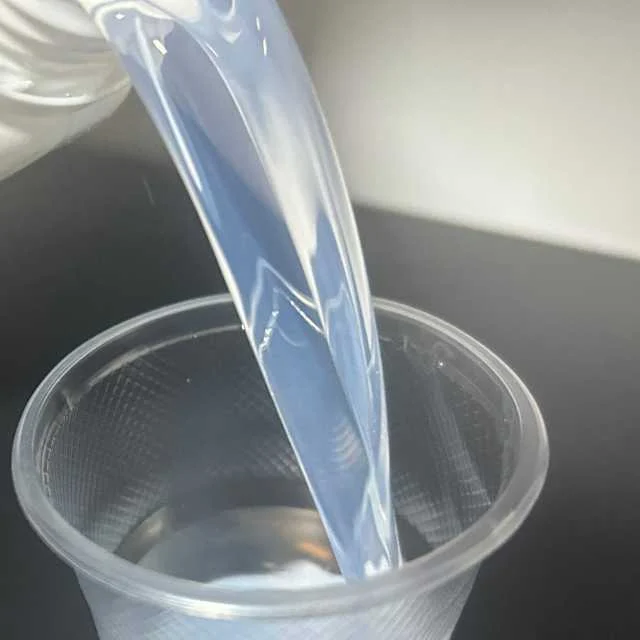
PFA
High-Temp Tubing, Fuel Lines, EV Insulation. Continuous service to 260 °C with PTFE-class chemical resistance and better mechanical strength. Used where FEP runs out of temperature.
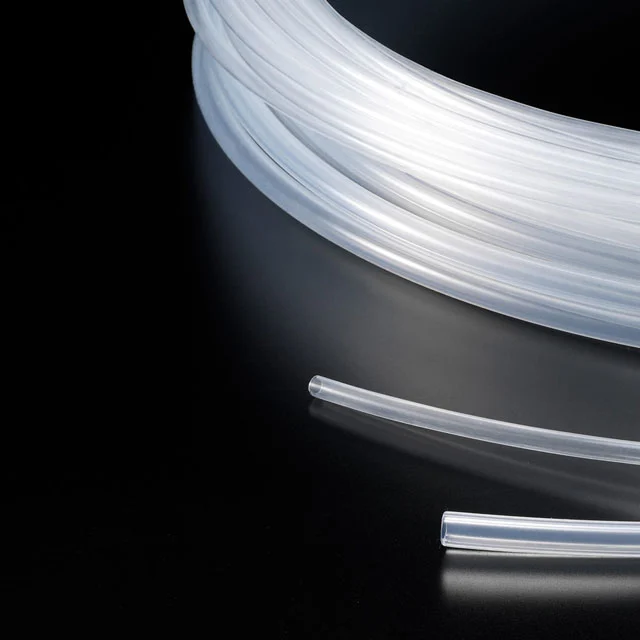
ETFE
Thin-Wall Wire, EV Harness, Underbody Parts. Best mechanical strength of the fluoropolymers — abrasion resistance and weatherability at thin wall. Default for EV high-voltage primary insulation and underbody fasteners.

PCTFE
Refrigerant Gaskets, Low-Permeation Seals. Lowest gas permeation in the fluoropolymer family. Used where R-1234yf or R-134a must stay sealed across cold cycles.
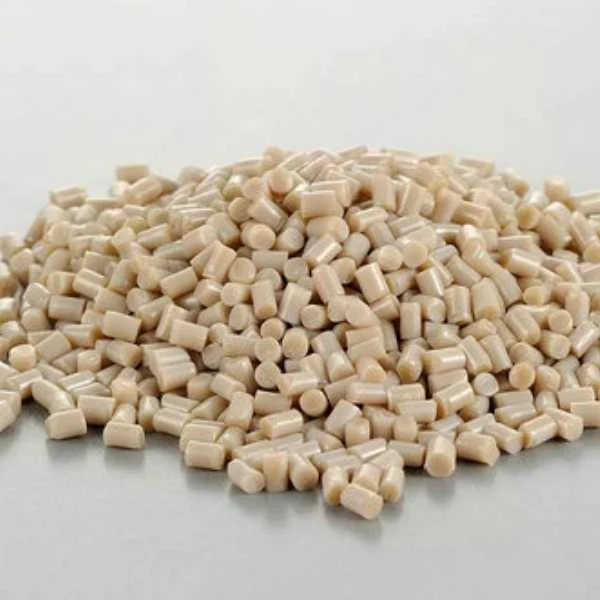
PEEK
Loaded Rotating and Structural Parts. Not a fluoropolymer, but the partner we ship alongside it. PEEK takes the load when filled PTFE creeps — transmission seal rings, fuel-pump bushings, EV battery structural plates.
How to Choose by Working Condition
Most automotive selection mistakes come from picking the polymer family before the service envelope is written down. Three numbers carry most of the decision: peak service temperature, the chemicals in contact, and the load or wear pattern.
01 — Define the Service Envelope
Continuous and peak temperature, fluid list (fuel grade, ATF, refrigerant, coolant, brake fluid), pressure, RPM or sliding speed, expected duty life.
02 — Match the Family
Use the table below. PTFE for static seals, FEP/PFA for tubing and high-temp insulation, ETFE for thin-wall wire and underhood, PCTFE for low-permeation gaskets, PEEK where load and creep matter.
03 — Confirm Grade and Form
Pick the right MFR, filler ratio and form (resin, dispersion, rod, sheet, tube). Send drawing or tolerance — we flag risks before the first lot is cut.
Material Selection Table — by Automotive Part
Treat this as a starting point for your DFM review. Confirm the items in the last column with our material team before placing the first PO.
| Automotive Part | Working Condition | Recommended Material | Why It Fits | Confirm Before Order |
|---|---|---|---|---|
| Fuel-system seals & gaskets | Gasoline, diesel, ethanol blends, ≤200 °C | Filled PTFE (glass / carbon) or PFA | Chemically inert to fuel and additives; filled PTFE controls cold-flow under bolt load | Fuel grade, biofuel %, bolt torque, gland depth |
| Fuel-vapor & filler-neck tubing | Hydrocarbon permeation, EVAP regs | THV barrier layer, ETFE liner or PFA inner | Low fuel permeation, flexible at low temp, multi-layer compatible — THV is the barrier layer that bonds straight to a PE, PP or TPE structural layer without a separate tie layer, at a melt temperature those layers survive | ID/OD, layer construction, EVAP target, barrier-layer service temperature (THV runs cooler than ETFE/PFA) |
| Brake & hydraulic tubing liner | Brake fluid (DOT 3/4/5.1), abrasion | ETFE or PTFE tube | Abrasion resistance, thin-wall capability, fluid compatibility | Burst pressure, OD tolerance, hose construction |
| Spark-plug boots & ignition leads | Underhood 200 °C, high voltage | FEP insulation | Dielectric strength to 200 °C, melt-processable, flame retardant | Wall thickness, conductor size, dielectric target |
| EV high-voltage harness wire | 600–1000 V, 150 °C, abrasion | ETFE primary, FEP jacket | Thin-wall mechanical strength, weight saving for harness routing | Conductor gauge, color spec, OEM cable standard |
| EV battery cell wraps & busbar insulation | Thermal-runaway resistance, dielectric | PFA film, ETFE tape | High dielectric, flame-retardant, stable to peak event temperature | UL94 / IEC class, film thickness, adhesive backing |
| Sensor & radar coaxial cable | Low signal loss, 150–200 °C | Foamed FEP dielectric, ETFE jacket | Low Dk, stable across temperature, thin-wall jacket | Target Dk, attenuation @ frequency, impedance |
| Bearing pads, wear bushings, thrust washers | Sliding load, dry or oil-lubricated | Bronze-filled PTFE, Glass-filled PTFE | Wear resistance, low friction, dimensional stability under load | PV limit, mating surface finish, Ra value |
| Transmission seal rings, compressor piston rings | Rotary, ATF or refrigerant, fatigue | PEEK or graphite-filled PTFE | Creep resistance, fatigue life, low wear against hardened steel | RPM, fluid type, ring groove tolerance |
| A/C and refrigerant gaskets | R-1234yf / R-134a, −40 °C cold start | PCTFE | Lowest gas permeation among fluoropolymers, holds at low temperature | Refrigerant type, gland geometry, cold-cycle target |
| Underhood / underbody fasteners & cable ties | UV, gravel, road salt, −40 to 150 °C | ETFE molded parts | Weatherability, abrasion resistance, halogen-free flame retardance | Color, UL flame rating, fastener pull-out spec |
| Stock plate, rod & tube for MRO machining | Aftermarket / repair | PTFE rod, PTFE sheet, PTFE tube | Distributor-stocked sizes, fast lead time, predictable machinability | OD/ID/length list, virgin vs filled grade |
Application Gallery
Common automotive use cases we already supply — matched to the material page for grade options and TDS.
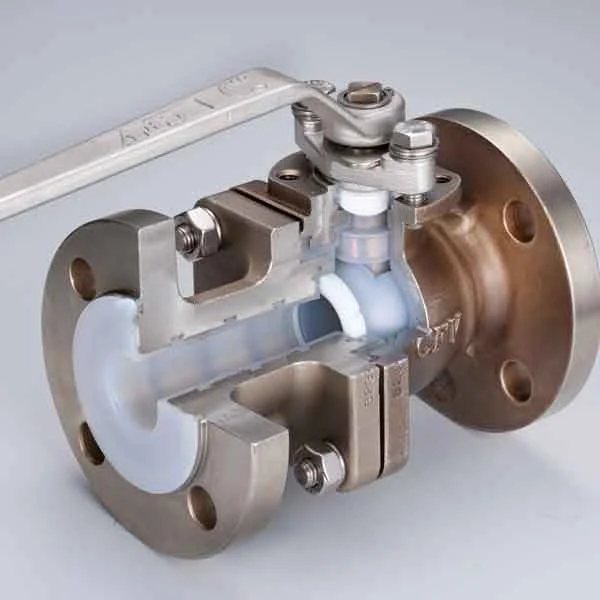
Fuel & Fluid Systems
PFA / ETFE liner for fuel rails, vapor lines and fluid valves where permeation and chemical contact are critical.
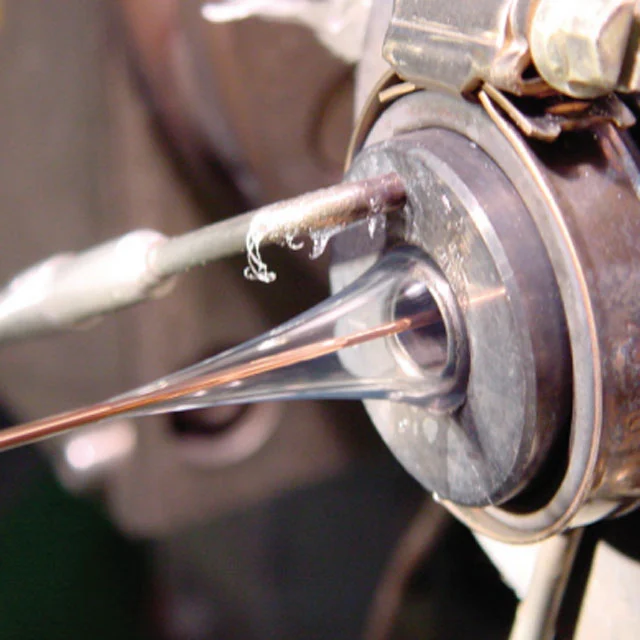
EV Harness & Battery
ETFE primary, FEP jacket — thin wall and weight savings for high-voltage routing.
Ignition & Underhood
FEP boots and ignition leads holding 200 °C without dielectric loss.
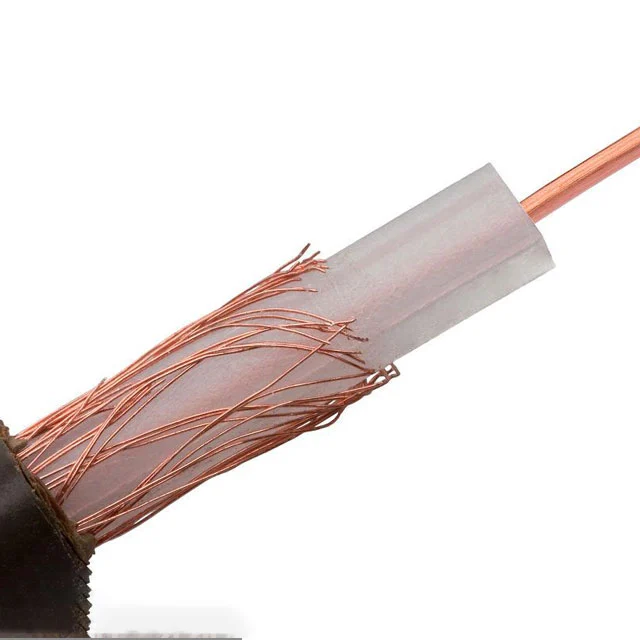
Sensor, Radar, ADAS
Foamed FEP dielectric for stable Dk, ETFE jacket for routing through the chassis.
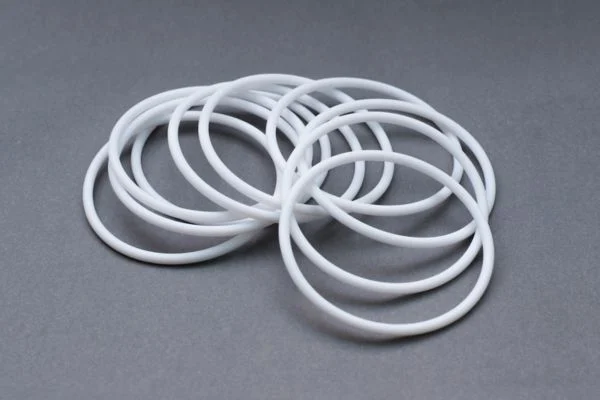
Seals & Gaskets
Virgin and filled PTFE for static seals, fuel-system gaskets and dynamic lip seals.
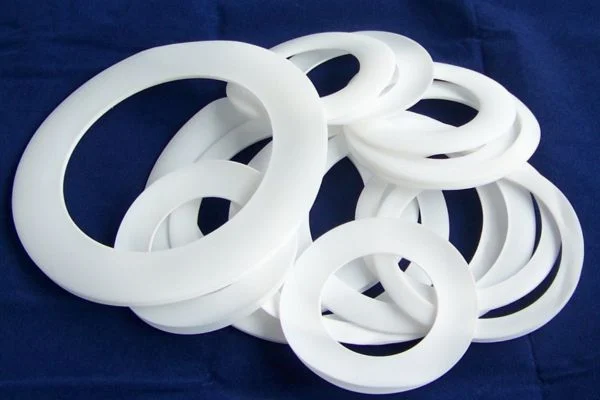
Bearings & Transmission
Bronze-filled PTFE and PEEK for thrust washers, seal rings and pump bushings.
When to Add What
Use as a quick rule before specifying. Verify with the PV chart and your mating surface.
- Glass 15–25% — general dynamic seals, low-cost wear improvement
- Bronze 40–60% — dry sliding against steel, high PV
- Graphite 5–15% — water/ATF lubricated, anti-stick
- Carbon-graphite — piston rings, dynamic shaft seals
- MoS₂ 5% — soft mating surface, very low wear
Quote Checklist — What to Send
Send the items below and we’ll come back with a grade recommendation, lot price, lead time and sample plan within one working day. Missing data is the single biggest cause of revised quotes.
- 2D drawing or 3D file (STEP / IGES) with tolerances
- Continuous and peak service temperature
- Fluids in contact (fuel grade, ATF, refrigerant, coolant)
- Operating pressure or vacuum, RPM or sliding speed
- Expected service life and duty cycle
- Regulatory targets — IATF 16949, UL94, REACH, RoHS
- Annual volume and call-off pattern
- MOQ, first-article quantity, sample need
- Stock-size preferences for distributor SKUs
- Packaging, labeling and private-label requirements
Standards & References
The technical references we work with most when reviewing automotive material specifications. We can supply CoA referencing the relevant ASTM and ISO methods on request.
SAE International — Automotive Material Standards
Industry-standard test methods and AMS specifications used across OEM and Tier-1 sourcing. Useful when your DV/PV plan references SAE J-series methods.
ASTM International — Fluoropolymer Test Methods
ASTM D4894 / D4895 (PTFE granular and fine powder), D2116 (FEP), D3307 (PFA), D3159 (ETFE). We CoA against these on request.
ISO 12086 — Fluoropolymer Designation
Classification system for thermoplastic fluoropolymer dispersions and moldings — useful when matching grade designations across global suppliers.
Fluoropolymer — Material Background
Overview of the fluoropolymer family (PTFE, FEP, PFA, ETFE, PCTFE) — chemistry, properties and typical processing routes.
Who This Page Is For
We supply fluoropolymer raw material — PTFE, FEP, PFA, ETFE, PCTFE, PEEK — and ready-to-machine stock shapes. This page is written for the four buyers who actually move the order through.
Automotive OEM
Validated grades, IATF-aligned process control, traceable lots, repeat-order capacity for a model-year program.
Tier-1 / Tier-2
Drop-in resin or compound that hits your existing extrusion or molding window. CoA per shipment.
Distributors
Stock-size rod, sheet and tube in the SKUs that move — virgin and filled PTFE, PFA tube, ETFE wire grade.
MRO / Aftermarket
Drop-in seal, gasket and bushing replacements for diesel, fleet and refrigerated transport.
Automotive Fluoropolymer FAQ
Do you supply IATF 16949 lots, or only commercial-grade material?
We supply commercial-grade PTFE, FEP, PFA, ETFE, PCTFE and PEEK with full CoA per shipment. For programs that require IATF-aligned process control and PPAP-style documentation, share your APQP package and we will quote against it as a separate qualified-lot tier.
For an EV harness, why is ETFE specified more often than FEP today?
ETFE has higher mechanical strength and abrasion resistance at thin wall, which matters when routing 600 V cable through a chassis and saving weight. FEP still wins on dielectric stability for sensor coax and on heat-shrink jackets — many designs use ETFE primary plus an FEP outer.
Can virgin PTFE handle a fuel-system seal directly?
Chemically yes, but virgin PTFE creeps under bolt load, so a static gasket loses preload over service life. Use a glass- or carbon-filled grade for fuel-system gaskets and check our filled PTFE grades against your gland geometry.
What is the difference between FEP and PFA for automotive tubing?
FEP is melt-processable to about 205 °C continuous service at lower cost. PFA goes to 260 °C with better mechanical strength and stress-crack resistance. For underhood EV or fuel-cell tubing, PFA is usually worth the cost step; for ignition leads and standard sensor cable, FEP is the right level.
Do you ship stock sizes for distributor inventory?
What is a realistic lead time and sample policy?
Standard grades ship in 7–15 days from stock. Validation samples (resin, dispersion, machined coupons) usually leave in 3–7 days. First-article parts cut to drawing take 2–4 weeks depending on form and fill ratio.
Can you supply private-label or OEM-brand stock for distributors?
Yes — packaging, labeling and CoA can be private-labeled. We have shipped OEM-brand PTFE rod and FEP cable resin to industrial distributors in Europe and North America. Share your label artwork and packaging spec with the inquiry.
Is fluoropolymer the same as Teflon?
Not exactly. “Teflon” is a DuPont/Chemours brand name specifically for PTFE. FEP, PFA, ETFE, PCTFE and PEEK are related but chemically distinct fluoropolymers — each with a different service temperature and chemical-resistance profile, which is why the selection table above recommends different families for different automotive parts rather than defaulting to PTFE everywhere.
Are automotive fluoropolymer parts classified as PFAS?
By the broadest regulatory definitions, yes — fluoropolymers fall under the PFAS umbrella as a class of fluorinated polymers. Finished fluoropolymer resin is chemically and toxicologically distinct from the PFOA/PFOS-type compounds under the most regulatory scrutiny, and our production is PFOA-free. Share your program’s specific PFAS reporting requirement (TSCA, EU PFAS restriction proposal, IMDS) and we provide the relevant documentation by grade.
Is PTFE a better choice than rubber for automotive seals?
Depends on the service condition. PTFE wins on chemical inertness, temperature range and near-zero friction, so it’s the default for fuel-system seals, dynamic lip seals in aggressive fluids, and anywhere rubber would swell or degrade. Rubber or an elastomer usually wins on cost and on pure elastic sealing force at moderate temperature where chemical exposure isn’t a concern. Filled PTFE grades close most of the gap on preload retention — see our filled PTFE and PTFE packing pages for grade options.
Technical Support for Automotive Material Selection
Specifying fluoropolymers for automotive parts raises real engineering questions — grade and filler choice, temperature and creep limits, processing windows. Our technical library shares practical, hands-on guidance from the Peflon materials team.
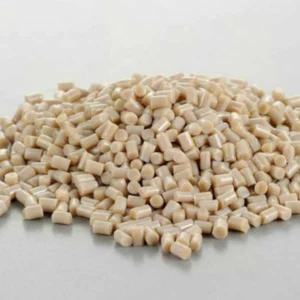
How to Choose PEEK for High-Temperature Parts
HDT reads like a service temperature. It isn’t. Here’s how Tg, Tm, HDT, and RTI really set PEEK’s heat limits — and how to pick the right grade.
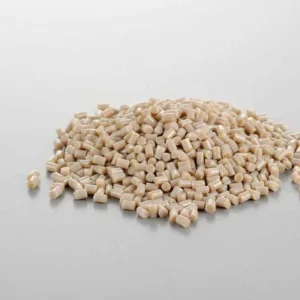
PEEK Material Processing Guide
Learn how to process PEEK material correctly. This guide covers common PEEK extrusion, injection molding, compression molding, 3D printing, and machining defects with practical troubleshooting tips.
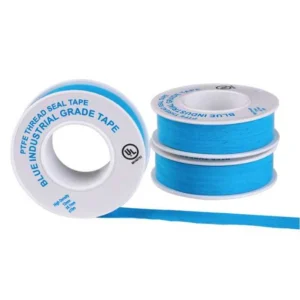
Blue vs White PTFE Thread Seal Tape: Differences, Uses, and How to Choose
Compare blue vs white PTFE thread seal tape by density, pressure rating and application — a technical guide to choosing the right tape for your job.
Need a Recommendation for a Specific Automotive Part?
Send the drawing, working condition and target volume — you’ll get a grade recommendation, sample plan, lot price and lead time within one working day.