
Fluoropolymer Materials for Chemical Processing
A working selection guide for chemical processors, EPC firms, equipment OEMs and plant MRO buyers. Pair PTFE, PFA, FEP, PVDF, ETFE or PCTFE with the right pipe liner, reactor, valve, pump, gasket or hose — without overspecifying a Tefzel-class polymer for a duty PVDF would handle.
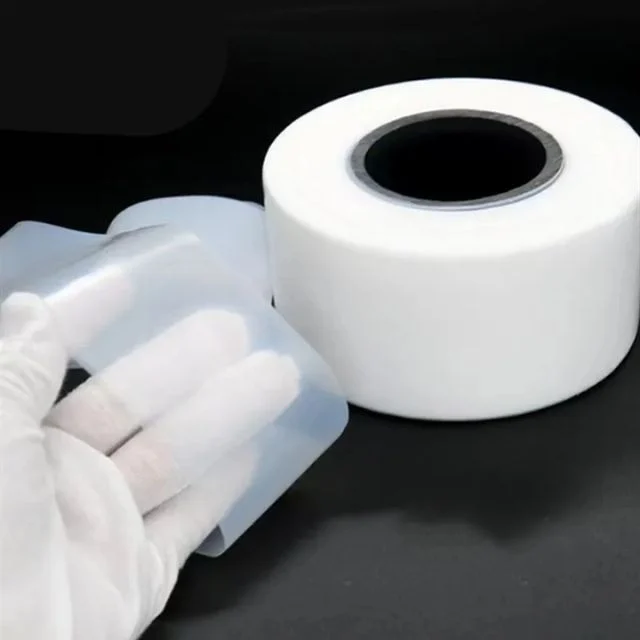
Who This Page Is For
We supply fluoropolymer raw material — PTFE, PFA, FEP, PVDF, ETFE, PCTFE — plus modified/filled compounds and ready-to-machine stock shapes for chemical-service equipment.
Chemical / pharma plant
Plant engineers and reliability teams replacing failed liners, gaskets, valve diaphragms or pump components. CoA per shipment, traceability for audit.
EPC & process design
Engineering firms specifying material against fluid service, temperature and pressure. Grade recommendations matched to ASTM / ISO designations.
Equipment OEM
Pump, valve, reactor and heat-exchanger builders sourcing resin, dispersion or stock shapes for line production.
MRO & distributors
Stock-size PTFE rod, sheet, tube and PVDF plate for plant repair, gasket cutting and on-site fabrication.
How to Choose by Working Condition
Most chemical-service failures come from picking the polymer before the fluid, concentration and temperature are written down. Match the family to the exact service, then confirm grade and form.
Define the service envelope
Fluid list with concentration, peak and continuous temperature, pressure or vacuum, abrasion / particulate, cycle pattern (CIP, batch swing, vacuum events).
Match the family
PTFE for the broadest chemical resistance, PFA where stress-crack resistance and high-temp cycling matter, FEP where transparency or lower cost is enough, PVDF for HF / hot acids and pump bodies, PCTFE for low permeation, ETFE for wall-strength tubing.
Confirm grade and form
Pick the right MFR, filler ratio, modified-PTFE class and form (resin, dispersion, sheet, tube, lined pipe). Send P&ID and stream data — we flag risks before the first lot ships.
Material Selection Table — by Chemical-Service Equipment
Treat this as a starting point for your material review. Confirm the items in the last column with our material team before placing the first PO.
| Chemical-Service Equipment | Working Condition | Recommended Material | Why It Fits | Confirm Before Order |
|---|---|---|---|---|
| Lined process pipe (DN15–DN600) | Strong acid / base / solvent, ≤200 °C | PTFE liner or PFA | Universal chemical inertness, smooth bore, low buildup | Pipe ID / length, fluid + temp + vacuum, flange class |
| Reactor / vessel lining | Batch process, mixed chemistry, CIP / SIP | PTFE sheet liner, PFA spray | Full corrosion barrier, holds up to thermal cycling | Vessel volume, agitator clearance, jacket ΔT |
| Valve diaphragm | Corrosive media, >1M flex cycles | Modified PTFE (TFM-class) | Improved flex life and lower permeation than virgin PTFE | Diaphragm OD, cycle target, fluid permeation spec |
| Valve body / ball / seat liner | Full chemical contact, <200 °C | PFA molded, FEP transparent | Moldable to seat geometry; FEP allows visual inspection | Valve size, end connection, pressure / shutoff class |
| Pump components (impeller, casing) | Corrosive + abrasive duty | PVDF or PFA | PVDF resists hot HCl, NaOCl and HF; PFA when reflow weld is needed | Fluid list, particle %, RPM, head pressure |
| Mag-drive pump shaft sleeve / bushing | Sliding wear, fluid lubricated | Glass-filled PTFE or PEEK | Wear under fluid lubrication, low chemical attack | PV limit, fluid, shaft hardness / Ra |
| Gasket — flange seal | Imperfect flange face, bolt preload loss | Filled PTFE sheet, expanded PTFE | Conforms to flange irregularities, low cold-flow with filler | Flange size / class, bolt torque, gland depth |
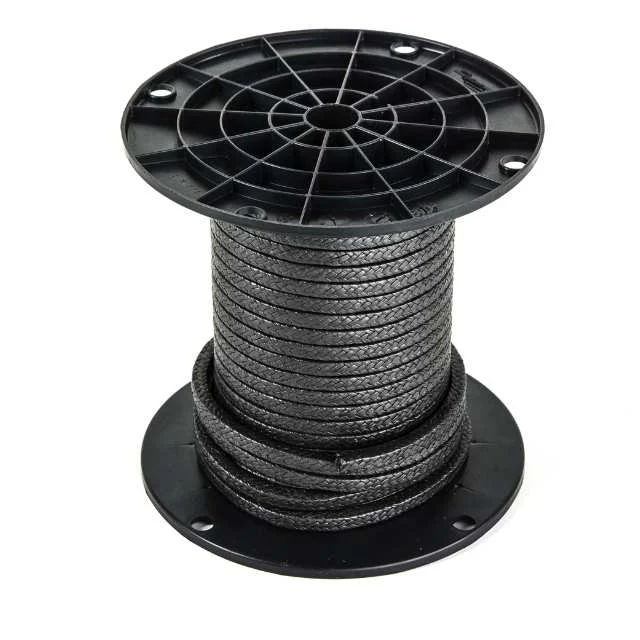
| Stem & pump packing | Rotary or reciprocating shaft, chemicals | PTFE packing, graphite-filled PTFE | Chemical inertness, low friction, FDA-acceptable virgin grades | Stem dia, pressure, temp, fluid type |
| Heat-exchanger tubing | Heat transfer + corrosion, ≤260 °C | PFA tubing, ETFE for milder duty | Thin wall + smooth bore + thermal stability | OD / ID, length, ΔT, fouling factor |
| Chemical transfer hose liner | Solvent / acid transfer, repeated bend | PTFE convoluted, smooth-bore PFA | Convoluted PTFE for tight bend; PFA for cleanability | Hose ID, bend radius, working pressure, end fittings |
| Filtration housing & membrane | Acid / solvent / hot water filtration | PVDF housing & membrane, PTFE expanded | Hydrophilic PVDF for aqueous, hydrophobic ePTFE for solvent / vent | Pore size, flow rate, sterilization method |
| Sample probe & sensor sheath | Process measurement in corrosive line | PFA encapsulated, PTFE sheath | Protects pH / conductivity / temperature probes from attack | Probe length, sensor type, insertion depth |
| Bursting disc / safety membrane | Overpressure relief, low fatigue cycles | Modified PTFE film, PFA | Clean rupture without fragmentation, fluid compatibility | Burst pressure, ΔP cycle range, vent area |
| Spargers & gas distribution elements | Gas-into-liquid, fine bubble | Sintered PTFE / expanded PTFE | Uniform porosity, chemical inertness, no metal pickup | Pore size, gas flow, fluid type |
| Anti-corrosion coatings (rotor, stirrer, jacket) | Splash zone, gas phase, mild abrasion | PTFE dispersion, FEP dispersion, PVDF powder | Spray-applied film bonded to metal; FEP for transparency, PVDF for HF | Substrate, film thickness, top-coat color |
| Stock plate, rod & tube for repair / fab | Plant MRO, gasket cutting, machining | PTFE rod, sheet, tube, PEEK plate | Distributor-stocked sizes, predictable machinability | OD / ID / length list, virgin vs filled grade |
Material Families We Ship to Chemical Processing
Each card lists what the material is best at, where it falls short, and the form factors most chemical-processing customers buy.
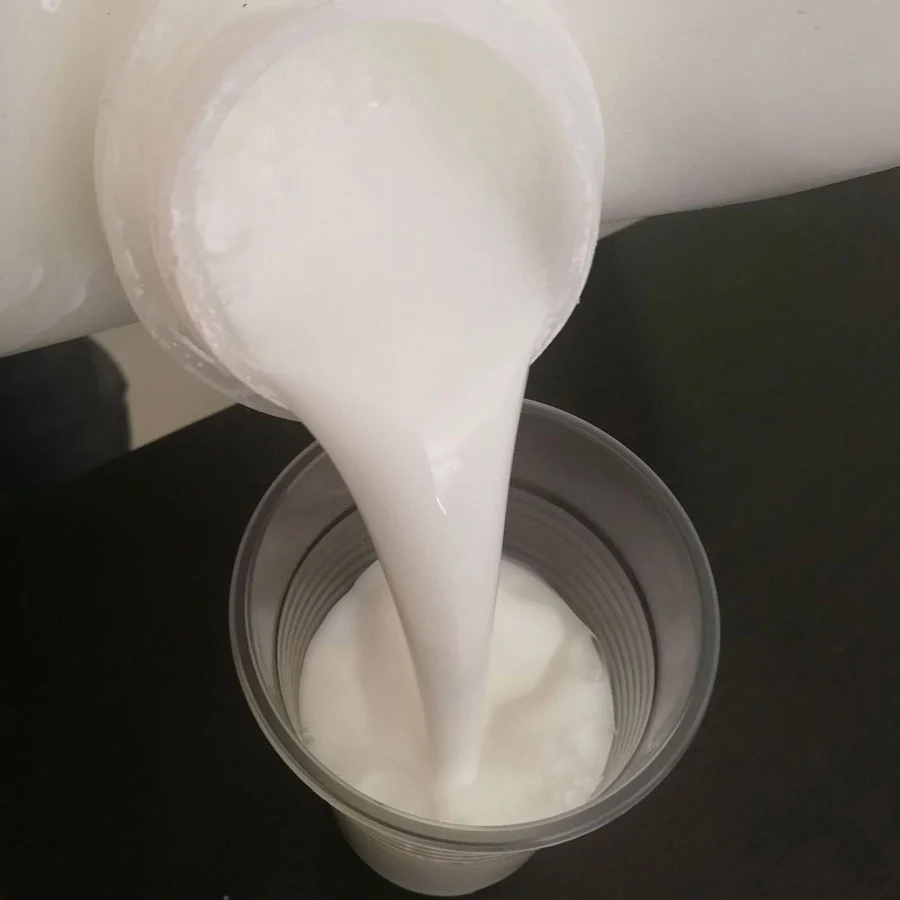
Universal chemical resistance
Inert to virtually all acids, bases, fuels and solvents. The benchmark for lined pipe, vessel sheet liners and gaskets. Cold-flow under continuous bolt load — switch to filled or modified PTFE for dynamic seals and gaskets.
- Forms: fine powder, molding powder, dispersion, micropowder
- Stock: rod, sheet, tube
- Use cases: PTFE liner, seals, packing
Better flex life and lower permeation
Co-monomer-modified PTFE (TFM-style) cuts gas permeation and improves weldability, flex life and surface smoothness — ideal for diaphragms, bursting discs and high-purity linings.
- Modified PTFE grade overview
- Use cases: diaphragms, bursting discs, ultra-pure liners
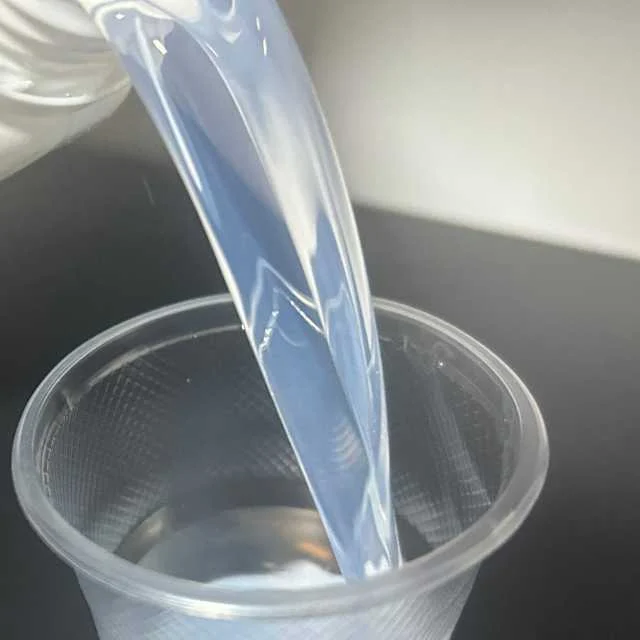
High-temp cycling, molded liners, UHP
PTFE-class chemical resistance with melt processability and 260 °C continuous service. Used where FEP runs out of temperature and where parts need molded geometry — valve liners, fittings, fluid lines.
- Forms: PFA resin, micro powder, dispersion
- Use cases: PFA-lined valves, fittings, fluid tubing
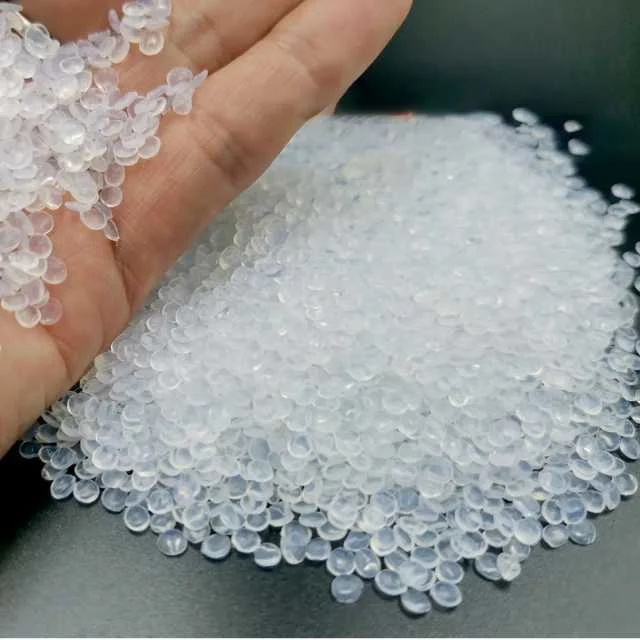
Transparent liners, hose, cost-effective duty
Melt-processable, lower cost than PFA, optically clear. Used for transparent valve liners (visual flow inspection), chemical sight tube and lower-temperature lining.
- FEP resin overview
- FEP pipe liner & valve liner
- FEP dispersion for coating
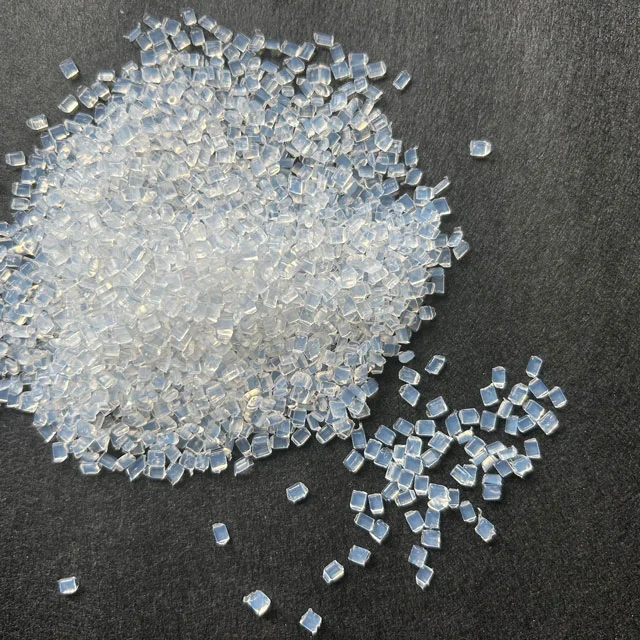
Flexible hose barrier and bondable liner
The most flexible fluoropolymer in this list, and the only one that bonds directly to PE, PP and TPE — used as the barrier layer in multilayer chemical-transfer hose and as a bondable flexible liner. Its service ceiling sits well below PTFE, PFA and FEP, so specify THV for flexibility and permeation control, not for temperature.
- THV resin, powder & dispersion overview
- Use cases: multilayer hose barrier layer, flexible tank and pipe lining, bondable tie layer

HF, hot acids, mechanical strength
Mechanical strength PTFE doesn't have. Resists hot HF, sodium hypochlorite and many strong acids. The default for pump bodies, magnetic-drive pumps and piping where PTFE is over-spec.
- PVDF resin overview
- PVDF powder for coating
- Use cases: pumps, valves, filtration housings, membranes
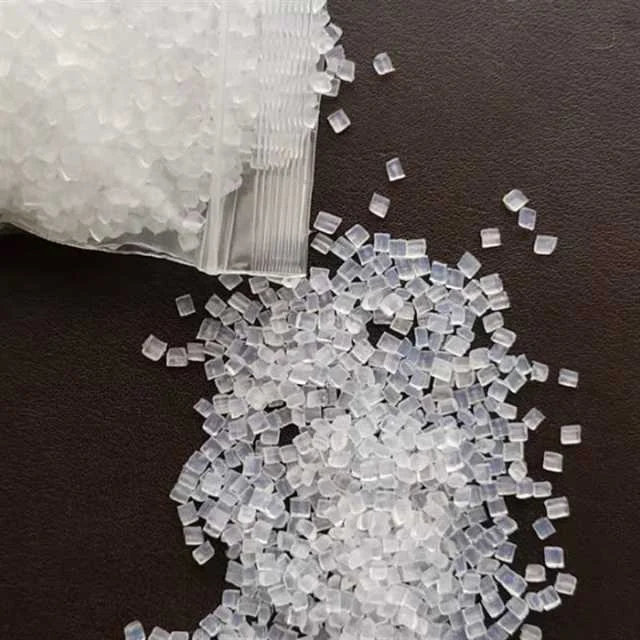
Low-permeation seals, mechanical tubing
PCTFE has the lowest gas permeation among fluoropolymers — used for oxygen-service and low-temperature seals. ETFE adds mechanical strength for thin-wall tubing where PFA is too soft.
- PCTFE resin — gas-tight gaskets
- ETFE resin — abrasion-resistant tubing
Gaskets, packings, dynamic seals
Filler tunes cold-flow, wear and conductivity. Pick by fluid contact and load.
- Glass-filled — flange gaskets, general wear
- Graphite-filled — water / acid lubricated, anti-stick
- Bronze-filled — high-load wear pads (avoid in HF or strong acid)
- MoS₂-filled — soft mating surface, low wear
Loaded structural & pump parts
Not a fluoropolymer, but the partner we ship alongside it. PEEK takes the load when filled PTFE creeps — pump bushings, mag-drive thrust rings, instrument bodies. Resists most chemicals except concentrated sulfuric.
- PEEK material — virgin, glass-filled, carbon-filled
- Stock plate and rod for distributor inventory
Application Gallery
Common chemical-processing use cases we already supply — matched to the material page for grade options and TDS.
Lined process pipe
PTFE / PFA pipe liner from DN15 to DN600 — strong acid, base and solvent transfer.
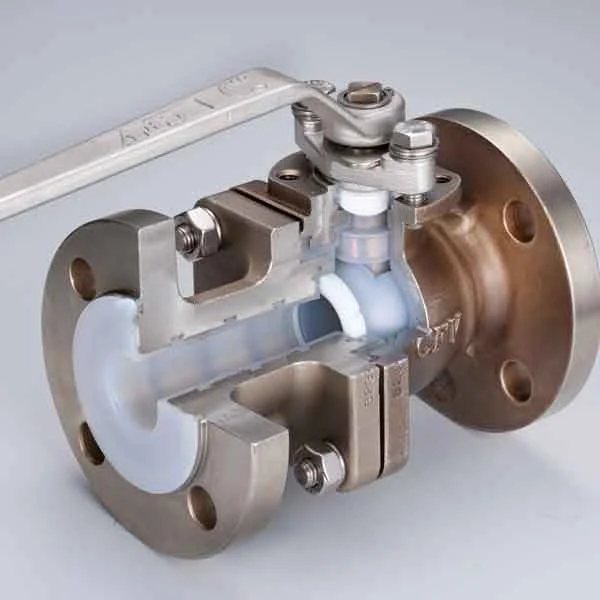
PFA-lined valves
Molded PFA body, seat and stem covers for ball, butterfly and diaphragm valves.
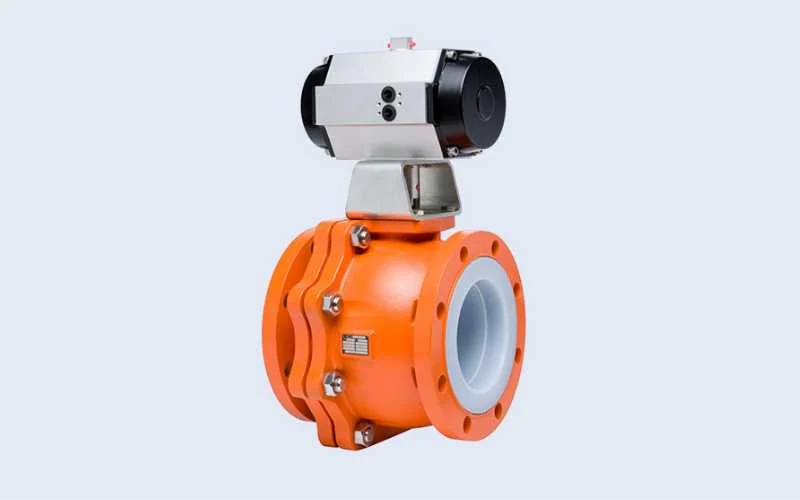
FEP transparent liner
FEP valves and fittings where visual flow check or color change inspection matters.
Reactor & vessel lining
PTFE skived sheet lining and PFA spray for batch reactors, mix tanks and storage vessels.
Pumps & filtration
PVDF / PFA pump bodies, impellers and filter housings — HF, hot acids, sodium hypochlorite service.
Hose & flexible tubing
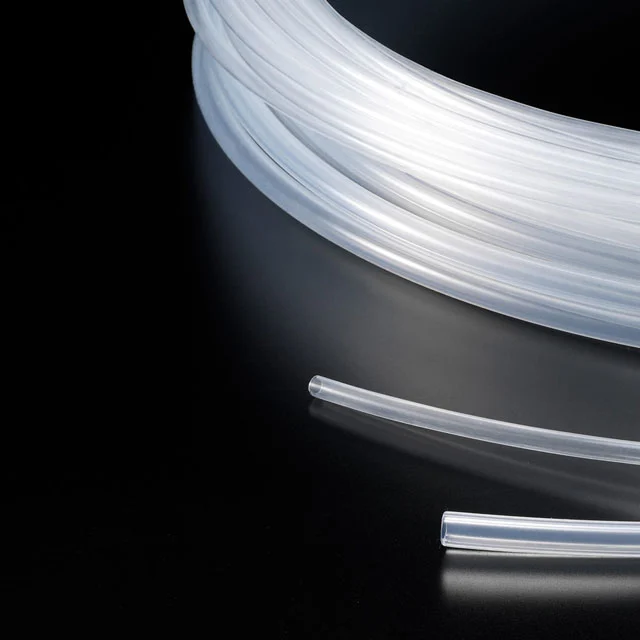
PTFE convoluted hose for tight bend, PFA smooth-bore for cleanability and high purity.
Quote Checklist — What to Send
Send the items below and we'll return a grade recommendation, lot price, lead time and sample plan within one working day. Missing data is the biggest cause of revised quotes.
- 2D drawing or 3D file (STEP / IGES) with tolerances
- Continuous service and peak (CIP / SIP) temperature
- Full fluid list with concentration and trace contaminants
- Operating pressure or vacuum, ΔP across the part
- Cycle pattern — batch, swing, vacuum events, CIP frequency
- Particle / abrasive content (ppm or wt%)
- Permeation target (for diaphragms and discs)
- Regulatory targets — FDA, USP Class VI, ATEX, PED
- Annual volume, repeat-order forecast, MOQ tolerance
- Stock-size preferences for distributor SKUs
- CoA / traceability requirements per shipment
- Packaging, labeling and private-label requirements
Standards & References
The technical references we work with most when reviewing chemical-service material specifications. We can supply CoA referencing the relevant ASTM and ISO methods on request.
ASME — pressure equipment codes
ASME B31.3 (process piping), Section VIII (pressure vessels). The framework EPC and equipment OEMs use to qualify lined-pipe and lined-vessel construction. We supply liner material aligned with the code-stamped fabricator's spec.
ASTM — fluoropolymer test methods
ASTM D4894 / D4895 (PTFE), D3307 (PFA), D2116 (FEP), D3222 (PVDF), D3159 (ETFE), D1430 (PCTFE). We CoA against these on request.
AMPP / NACE — corrosion engineering
Reference body for corrosion control across chemical, oil & gas and power generation. Useful when justifying fluoropolymer lining vs. exotic alloy on a service-life basis.
ISO 12086 — fluoropolymer designation
Classification system for thermoplastic fluoropolymer dispersions and moldings. Useful when matching grade designations across global suppliers and EPC specifications.
Chemical-Processing Fluoropolymer FAQ
When should I switch from PTFE to PFA on a chemical line?
Move to PFA when (1) the duty includes fast thermal cycling that fatigues PTFE seams, (2) the part is best made by molding rather than machining, or (3) you need stress-crack resistance under pressure cycling. Chemically, PTFE and PFA are nearly identical — the decision is mechanical and geometric, not chemical.
Why use PVDF when PTFE is "more chemically resistant"?
PTFE is more universally inert, but it has limited mechanical strength and creeps under load. PVDF resists hot HF, dilute / mid-strength acids, sodium hypochlorite and most solvents — and it can be machined or welded into pump bodies, valves and tanks that hold pressure. For pressure-bearing parts in mainstream acid service, PVDF is often the right level. Reserve PTFE / PFA for the duties PVDF cannot handle (fuming acids, strong oxidizers, >140 °C).
Virgin PTFE or modified PTFE for a valve diaphragm?
Modified PTFE (TFM-class). Virgin PTFE works for low-cycle service, but co-monomer-modified PTFE has roughly 4–10× the flex life and lower gas permeation — both critical when the diaphragm sees millions of cycles or tries to hold a vapor-phase boundary.
Filled PTFE for a flange gasket — which filler?
Glass-filled (15–25%) for general acid / solvent flanges with full bolt preload. Switch to expanded PTFE or graphite-filled where the flange face is rough or the bolt load is light. Avoid bronze-filled in HF, hot strong acid or chlorinated bleach service — the bronze attacks faster than the PTFE matrix protects.
FDA, USP Class VI, ATEX — can you supply documented grades?
Yes. Virgin PTFE, FEP and PFA grades suitable for FDA 21 CFR 177.1550 and USP Class VI service ship with the corresponding declarations on request. ATEX-relevant conductive grades use carbon or graphite fill — share your zone classification and surface-resistivity target with the inquiry.
How do I quote a lined pipe project from this page?
Send the line list (pipe size, length, end connection), fluid + temperature + pressure for each line, and indicate whether the spec calls for PTFE liner, PFA or FEP. We back-quote against published PTFE liner and FEP pipe liner ranges, plus PFA where the project demands it.
What's a realistic lead time and sample policy?
Standard resin and dispersion ship in 7–15 days from stock. Validation samples (resin, dispersion, gasket coupons, machined rings) usually leave in 3–7 days. First-article lined parts and skived sheet allow 2–4 weeks depending on size and finish.
Technical Support for Chemical-Service Material Selection
Specifying fluoropolymers for chemical equipment raises real engineering questions — chemical compatibility, permeation, temperature and creep limits, lining vs solid. Our technical library shares practical, hands-on guidance from the Peflon materials team.
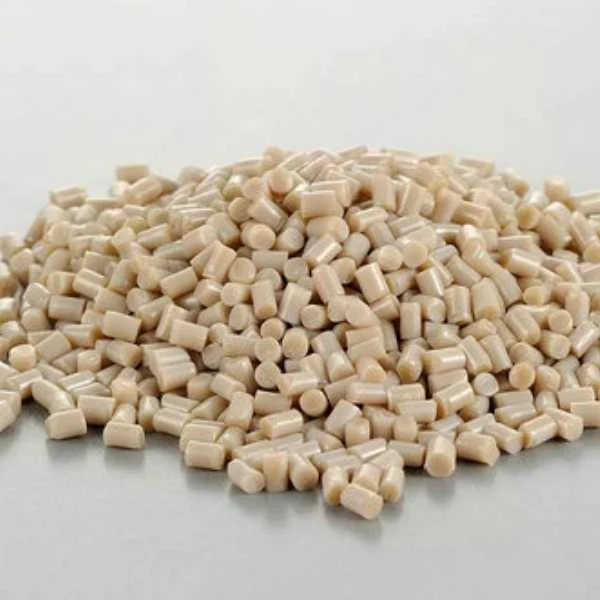
How to Choose PEEK for High-Temperature Parts
HDT reads like a service temperature. It isn't. Here's how Tg, Tm, HDT, and RTI really set PEEK's heat limits — and how to pick the right grade.
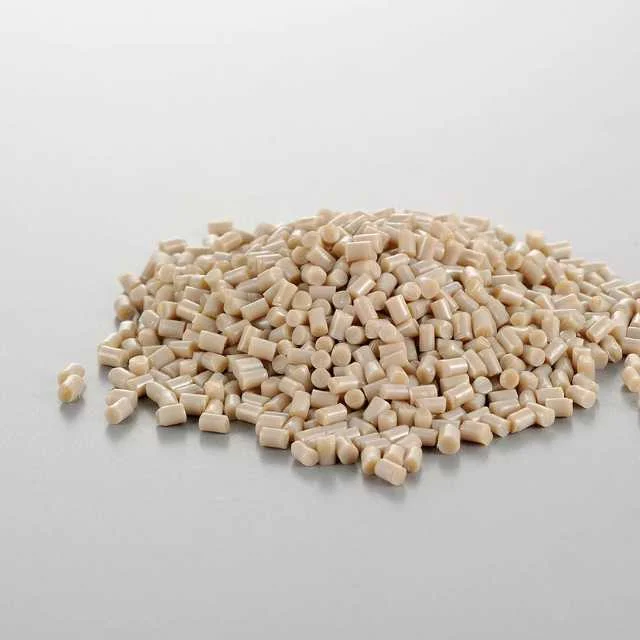
PEEK Material Processing Guide
Learn how to process PEEK material correctly. This guide covers common PEEK extrusion, injection molding, compression molding, 3D printing, and machining defects with practical troubleshooting tips.
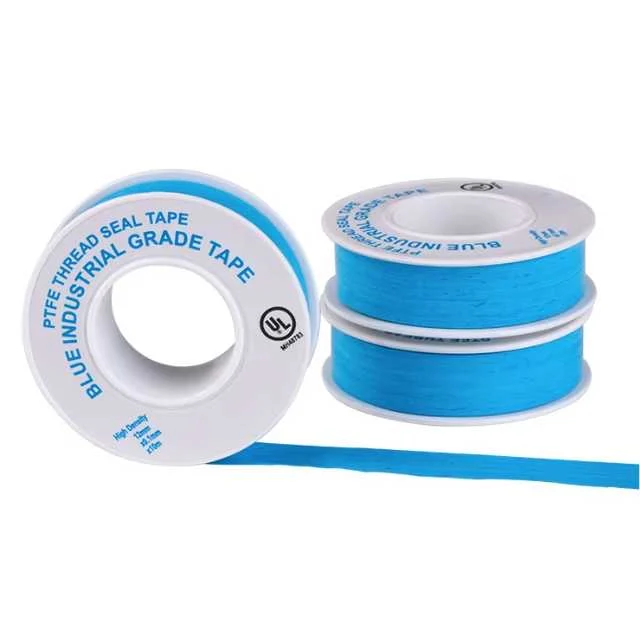
Blue vs White PTFE Thread Seal Tape: Differences, Uses, and How to Choose
Compare blue vs white PTFE thread seal tape by density, pressure rating and application — a technical guide to choosing the right tape for your job.
Need a recommendation for a specific chemical service?
Send the fluid list, working temperature, pressure and the part — pipe spool, valve, gasket, pump component or hose. You'll get a grade recommendation, sample plan, lot price and lead time — no scripted sales follow-up.