
Additives & Compounding Material Selection Guide
This page helps compounders, OEM factories, coating producers, lubricant makers and material distributors quickly choose between PTFE micropowder, PFA micro powder, PTFE anti-dripping agent, silicone microspheres, PEEK powder and filled PTFE compounds by real production target.
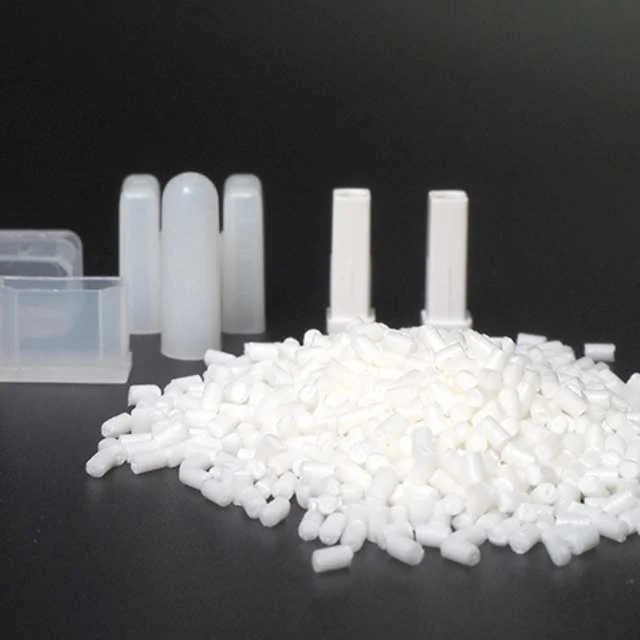
Built for factories that need repeatable formulations, not retail packaging
Peflon works with B2B buyers who need stable particle size, documented lots, sample trials and bulk supply for long-term production.
OEM factories and equipment makers
Use additive powders to improve friction, release, wear, flame behavior, optical diffusion or heat resistance in your own parts and assemblies.
Compounders and masterbatch producers
Choose by base polymer, dosage, dispersion method, processing temperature and target test result before scaling up.
Industrial distributors and stockists
Build a practical range: PTFE micropowder, anti-drip PTFE, PFA powder, PEEK powder, and filled PTFE shapes for machining customers.
Start with the problem you need to solve
Material names alone are not enough. A PTFE additive for grease is not selected the same way as PTFE anti-dripping agent for PC/ABS, or PFA micro powder for a coating system.
Reduce friction or wear
Start with PTFE micropowder or PTFE micro powder for lubricating grease. Confirm D50, carrier system, mixing method and target coefficient of friction.
Improve release or surface slip
Use PTFE micropowder for coatings, inks and plastics. Use PFA micro powder when higher melt behavior or chemical resistance is needed.
Control molten dripping
For flame-retardant PC, ABS, HIPS or blends, evaluate PTFE anti-dripping agent. Confirm resin grade, FR package, UL 94 target and processing temperature.
Add haze, diffusion or soft touch
For LED/LCD diffusion, optical films or cosmetic factory formulations, review PMSQ silicone microspheres by D50, refractive index, haze and transmittance.
Handle high heat and chemical stress
For advanced coatings and engineered parts, compare PEEK powder, PVDF powder and polyimide raw material.
Need machined wear parts
If the end product is a seal, bearing or wear pad, move from powder additives to filled PTFE, PTFE rod, PTFE sheet or PTFE tube.
Quick material choice by working condition
Use this table to narrow the first sample request. Final grade selection should be checked by your actual formulation and production trial.
| Application condition | Recommended material path | Why it fits | Confirm before inquiry |
|---|---|---|---|
| Coatings, inks, plastics and elastomers need lower frictionSurface slip, scratch resistance, anti-blocking or wear improvement. | PTFE micropowder, PTFE nanopowder | Fine PTFE particles help improve lubricity, release and wear behavior without turning the whole system into a fluoropolymer. | D50/D90, dosage, solvent or resin system, processing temperature, food-contact or RoHS needs. |
| Higher-temperature coating or powder modificationNeed PFA behavior, smooth surface and chemical resistance. | PFA micro powder, PFA material | PFA supports melt-processable fluoropolymer surface properties and can be used in coatings, spraying and specialty modification. | Coating process, melt temperature, particle size, substrate, target surface finish and order volume. |
| Flame-retardant plastics require anti-drip supportPC, ABS, HIPS, PC/ABS and electrical housings. | PTFE anti-dripping agent | High molecular weight PTFE forms a fine network during processing and helps reduce molten dripping in flame testing. | Base resin, FR package, UL 94 target, extrusion or injection conditions, coated or pure PTFE type. |
| Grease and dry lubricant need long service lifeBearings, sliding parts, instruments, automotive or industrial maintenance. | PTFE micro powder for grease, PTFE lubricant | PTFE can lower friction, support boundary lubrication and reduce wear when dispersed correctly. | Oil or grease base, target temperature, load, speed, mixing equipment and required particle size. |
| Optical diffusion or soft-touch formulationLED diffusers, LCD films, cosmetics or matte surface systems. | Silicone microspheres, cosmetic-grade silicone microspheres | Spherical PMSQ particles help control haze, touch, oil absorption, diffusion and surface feel. | D50, haze/transmittance target, resin system, color, regulatory file and sample quantity. |
| Machined parts need higher load or better wearSeals, bearings, wear rings, backup rings and distributor stock. | Glass filled PTFE, bronze filled PTFE, graphite filled PTFE, MoS2 filled PTFE | Fillers improve creep resistance, wear, thermal conductivity or dry lubrication while retaining key PTFE advantages. | Load, speed, media, PV value, drawing, tolerance, machining form and annual volume. |
Core materials for additive and compounding projects
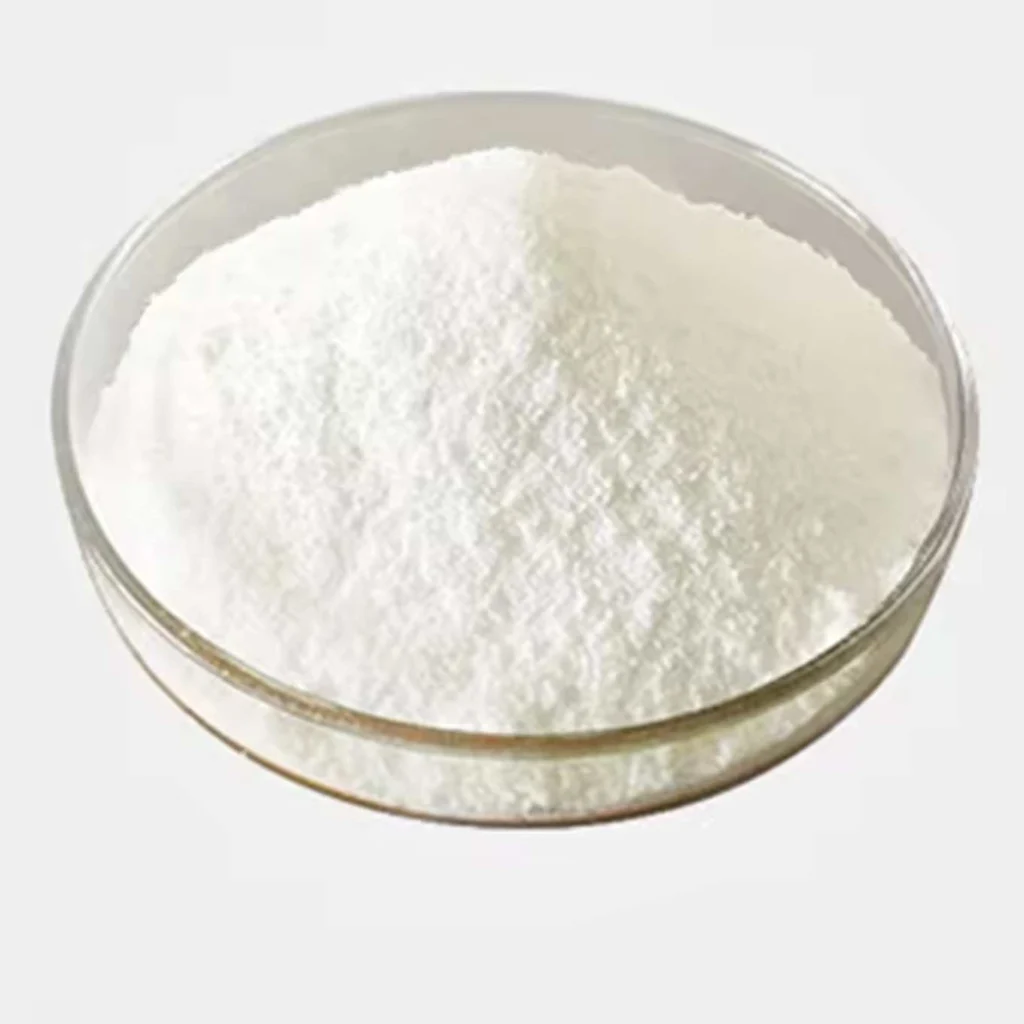
PTFE Micropowder
For coatings, plastics, inks, grease and dry lubricants where low friction, release and wear resistance matter.
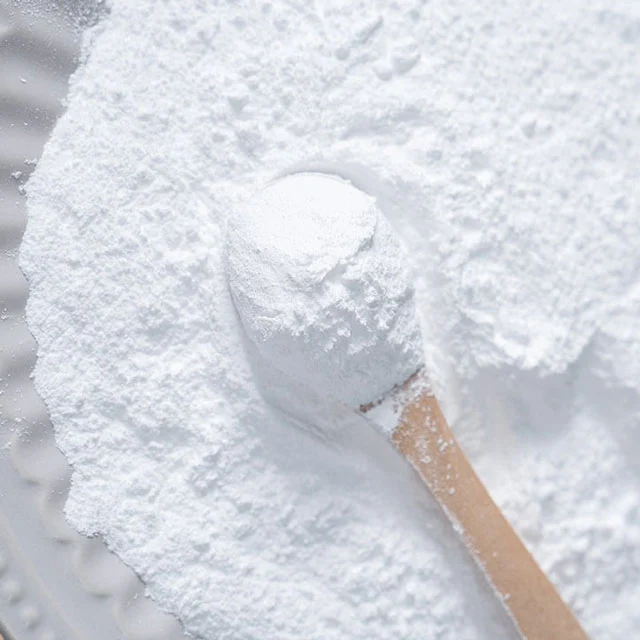
PFA Micro Powder
For electrostatic spraying, industrial coatings, lubricating materials, inks, engineering plastics and rubber modification.
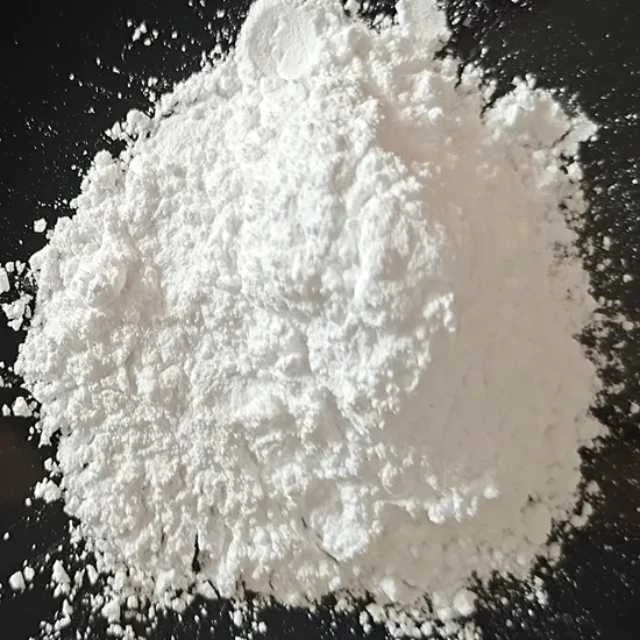
PTFE Anti-dripping Agent
For flame-retardant plastic compounds where molten drip control and stable dispersion are required.
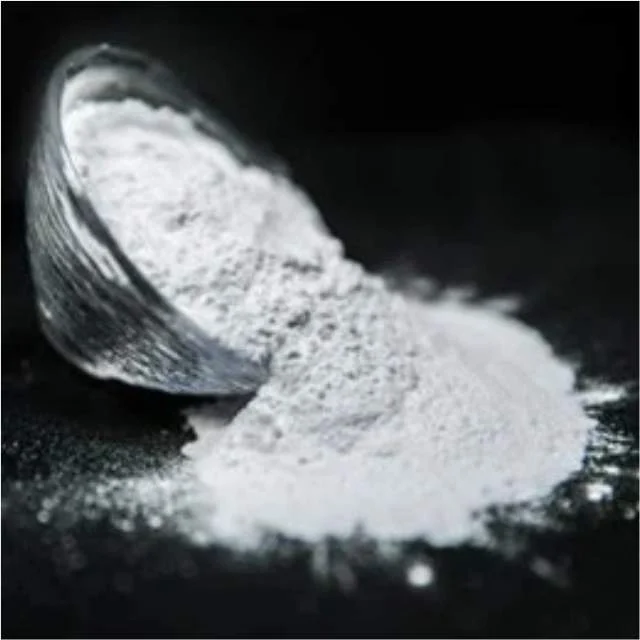
PMSQ Silicone Microspheres
For LED diffusion, optical films and factory cosmetic formulations needing controlled particle size and surface feel.
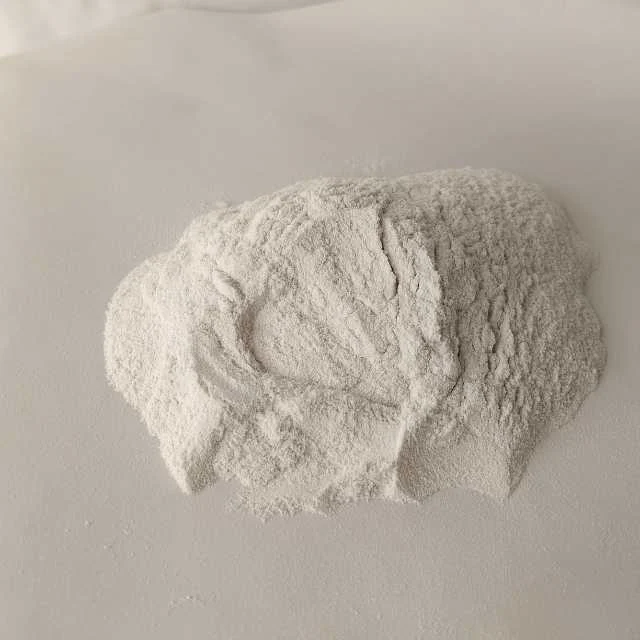
PEEK Powder
For high-temperature coatings, advanced material applications and engineered parts where thermal and chemical resistance matter.
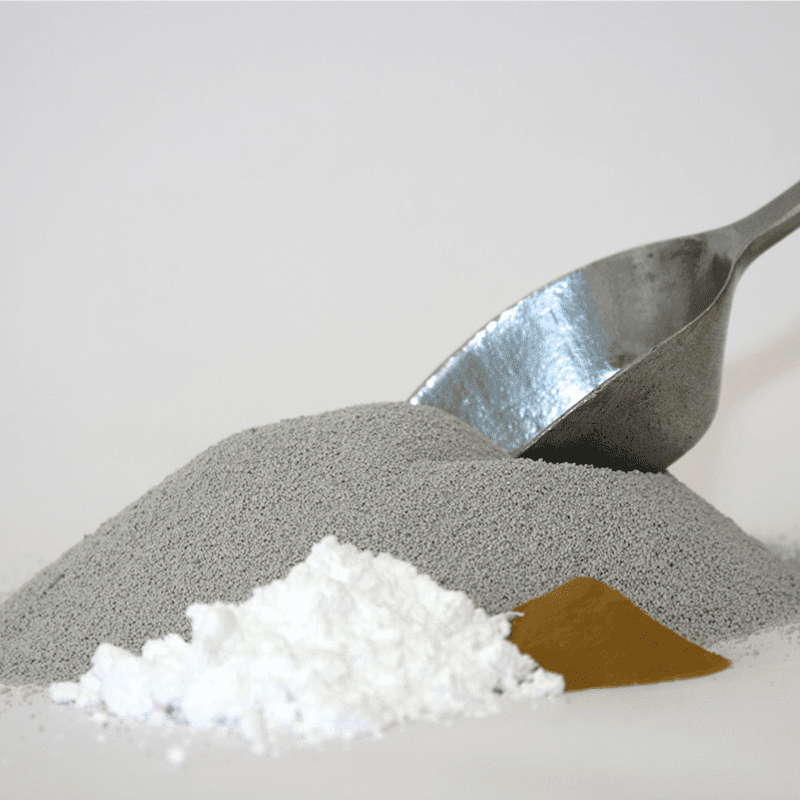
Filled PTFE Compounds
For machined seals, bearings and wear components. Choose glass, bronze, graphite or MoS2 by load, wear and media.
Common additive and compounding scenarios
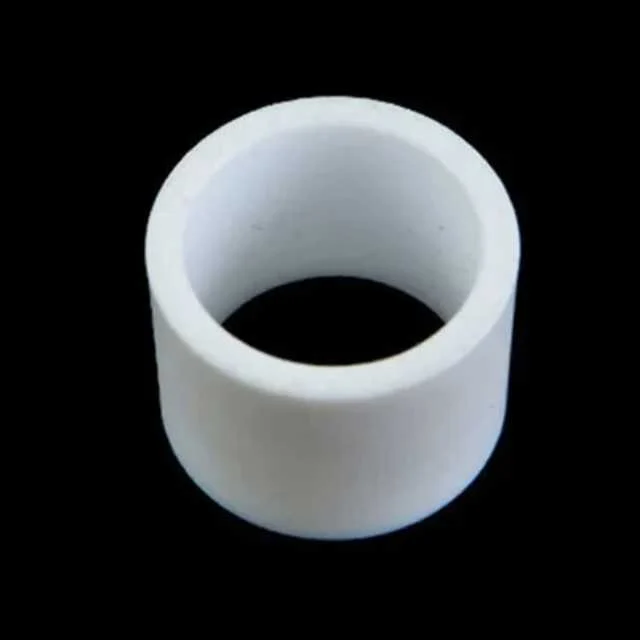
Plastic and composite modification: select by base polymer, dosage and dispersion quality.
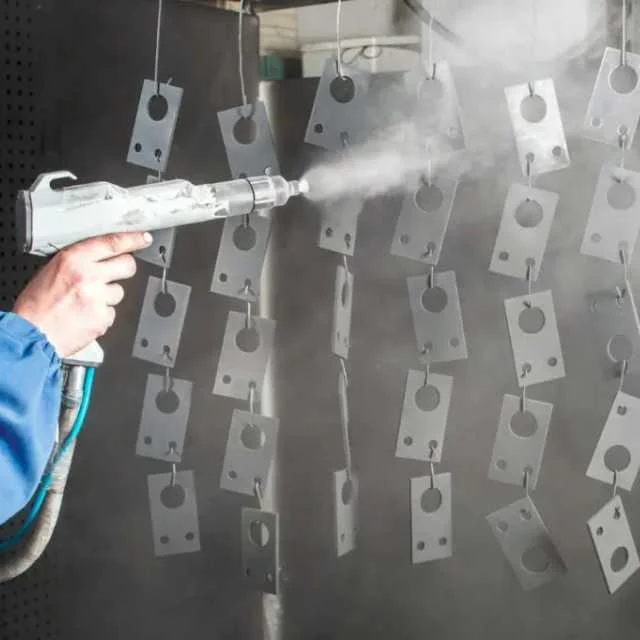
Coating systems: choose particle size by surface smoothness, release and scratch target.
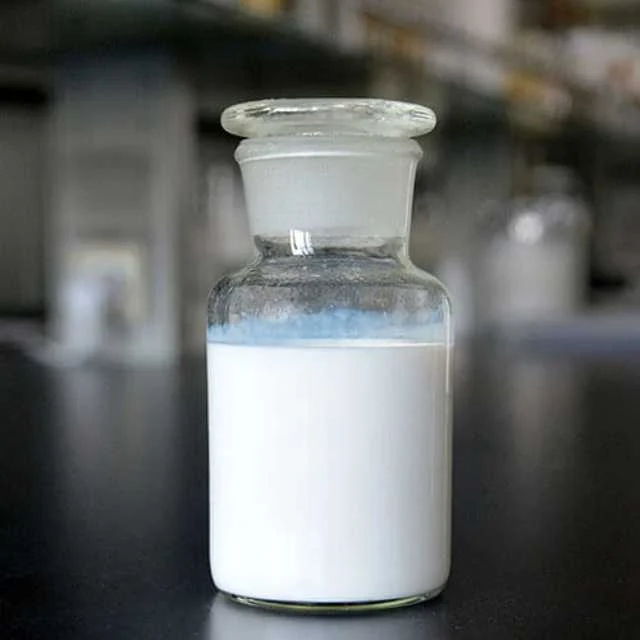
Lubricants and greases: confirm oil base, load, speed and long-term wear requirement.

Flame-retardant compounds: match anti-drip PTFE with resin, FR package and UL 94 target.
What to send before asking for a grade recommendation
A short technical brief saves time. If you do not know every item, send what you have and Peflon will help narrow the first sample.
Application and base system
Plastic resin, coating resin, solvent, oil/grease base, elastomer, cosmetic base or optical resin.
Target property
Friction, release, wear, scratch resistance, anti-drip, haze, transmittance, soft touch, heat resistance or chemical resistance.
Particle and grade needs
D50/D90, color, purity, surface treatment, coated type, thermal requirement and any alternative grade you are evaluating.
Processing conditions
Extrusion, injection, mixing, spraying, sintering, coating line speed, temperature profile and dispersion equipment.
Compliance documents
TDS, SDS, REACH, RoHS, FDA food-contact reference, UL testing target, lot traceability or customer-specific document format.
Volume and logistics
Trial quantity, monthly usage, packaging, destination port, Incoterms and whether OEM labeling is needed.
External references buyers often ask about
Use these as reference points during material qualification. Final suitability depends on your formulation, part design, process and required market.
FDA eCFR 21 CFR 177.1550
Reference for perfluorocarbon resins in repeated-use food-contact articles and coatings. Open FDA eCFR reference
ASTM D4894 and D4745
Useful when discussing PTFE resin and filled PTFE molding or extrusion compounds. ASTM D4894 and ASTM D4745
UL 94 plastics flammability
Important for customers selecting PTFE anti-dripping agent for flame-retardant compounds. Open UL plastics fire tests
OSHA Hazard Communication
Reference for SDS, labels and chemical hazard communication in the workplace. Open OSHA HazCom
Questions from procurement teams and distributors
If we only know the performance problem, can Peflon recommend a starting material?
Yes. Send the base polymer or formulation type, target problem, process temperature and required test result. Peflon can suggest whether to start with PTFE micropowder, PFA micro powder, anti-drip PTFE, PMSQ microspheres, PEEK powder or filled PTFE.
How do we choose particle size?
Fine particles usually help surface smoothness and dispersion, while coarser grades may be better for certain wear, texture or handling targets. The right D50 depends on your resin, mixing equipment, dosage and final test method.
Can distributors request a small range for stock?
Yes. A practical distributor range usually includes PTFE micropowder, PTFE anti-dripping agent, PFA micro powder, PEEK powder and filled PTFE stock shapes. Peflon can help match grade names, packaging and documents for your customer base.
Do you supply finished PTFE forms as well as powders?
Yes. For machining or MRO needs, review PTFE seals, PTFE packing, PTFE rod, PTFE sheet, PTFE tube and filled PTFE forms.
Can one additive grade work for every customer?
No. Additives are formulation-sensitive. A grade that works in one coating, grease or plastic compound may not disperse or perform the same way in another system. Sample testing is the fastest safe route.
Technical Support for Additive & Compounding Material Selection
Choosing an additive or compounding grade raises real formulation questions — particle size, dosage, dispersion, PFAS status and where PTFE reaches its practical limits. Our technical library shares practical guidance from the Peflon materials team.
PTFE: How to Select the Right Grade
What This Guide Covers — and Why It Matters Selecting the right PTFE (Teflon®) grade is not just a technical decision — it affects your equipment lifespan, maintenance…
Practical Limitations of PTFE — What Buyers Often Learn Too Late
PTFE is often specified for safety.But in real sourcing projects, most problems do not come from chemistry — they come from misaligned expectations between material behavior and downstream…

Is PTFE a PFAS? Understanding the Facts About This Essential Material
In recent years, there has been growing concern about per- and polyfluoroalkyl substances (PFAS) and their potential impact on human health and the environment. As regulatory scrutiny increases,…
Need an additive or compounding material for production?
Send your target property, base polymer, loading level and process route. Peflon will help you select a grade and prepare TDS/SDS documents for qualification.