
PVDF Material Manufacturer in China
Peflon is a China-based manufacturer supplying PVDF material to industrial buyers who require technical validation, controlled production, and custom material options. You work directly with the source to reduce qualification risk and support long-term supply planning.
- Controlled PVDF material batches for qualification and scale-up
- FDA, REACH, RoHS approved
- Industrial PVDF material supply with predictable lead times
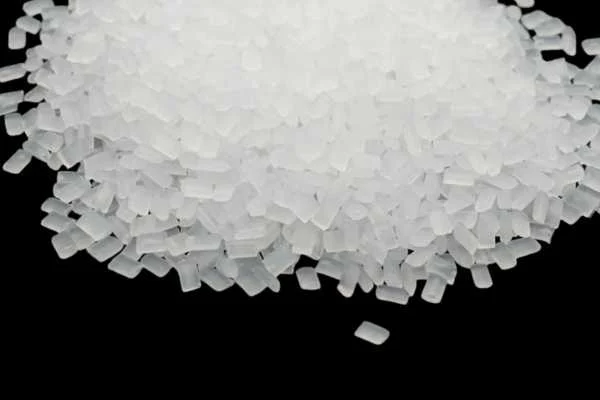
What is PVDF Material
PVDF material, CAS 24937-79-9, also known as polyvinylidene fluoride, is a semi-crystalline fluoropolymer polymerized from the vinylidene fluoride (VDF) monomer, used when chemical resistance, processing control, and long-term stability matter in real production environments. Peflon’s PVDF grades are formulated to meet ASTM D3222, the industry specification for unmodified PVDF molding, extrusion and coating materials.
You typically select PVDF material for applications that require resistance to aggressive chemicals, stable performance under heat, and predictable behavior during extrusion, molding, or coating. Compared with higher-temperature fluoropolymers, PVDF material offers a practical balance between durability and processability, which helps reduce manufacturing risk during scale-up.
Peflon supplies PVDF material in industrial forms designed for qualification and repeatable use. You can evaluate PVDF material properties, processing behavior, and batch consistency before committing to volume orders. With controlled production and documentation support, you move from testing to supply with fewer variables and clearer technical alignment.
PVDF Properties
Properties below are typical values for unmodified PVDF homopolymer resin — actual results vary by grade, molecular weight and processing history. Confirm exact values against the grade’s TDS before finalizing a spec.
| PVDF Material Property | Typical Value / Range | Notes |
|---|---|---|
| Density | ~1.78 g/cm³ | Higher than PTFE, FEP or PFA (~2.1–2.3 g/cm³) |
| Melting point | ~156–180°C | Homopolymer, grade-dependent |
| Continuous service temperature | ~150°C | Grade-dependent |
| Tensile strength | ~50–55 MPa | Higher than PTFE or FEP; per ASTM D638 |
| Dielectric constant | ~8–10 (1 kHz) | Higher than PTFE or FEP (~2) |
| Water absorption | Very low (<0.04%) | 24-hour immersion |
| Flame rating | UL 94 V-0 | Grade-dependent |
PVDF Material Product Forms
Peflon PVDF material is available in multiple industrial forms to help you match processing methods, qualification needs, and end-use conditions — reducing trial time and moving from validation to stable supply.
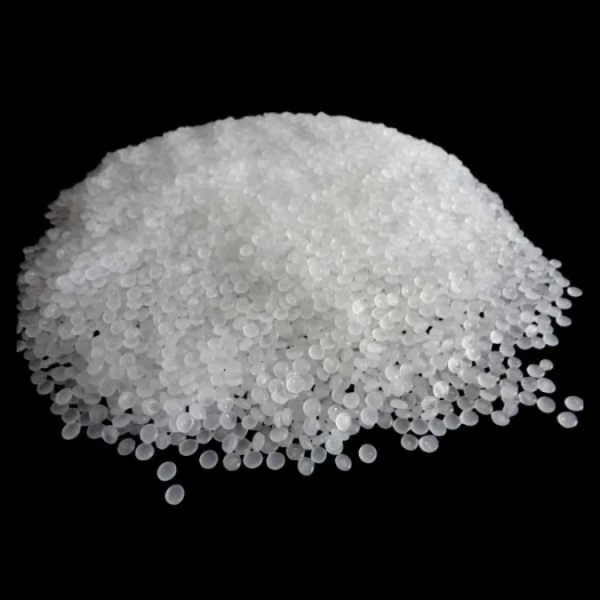
PVDF Resin
PVDF resin is supplied in pellet or granule form for thermoplastic processing. You typically choose this PVDF material category when your production involves extrusion or injection molding and requires dimensional stability across batches.
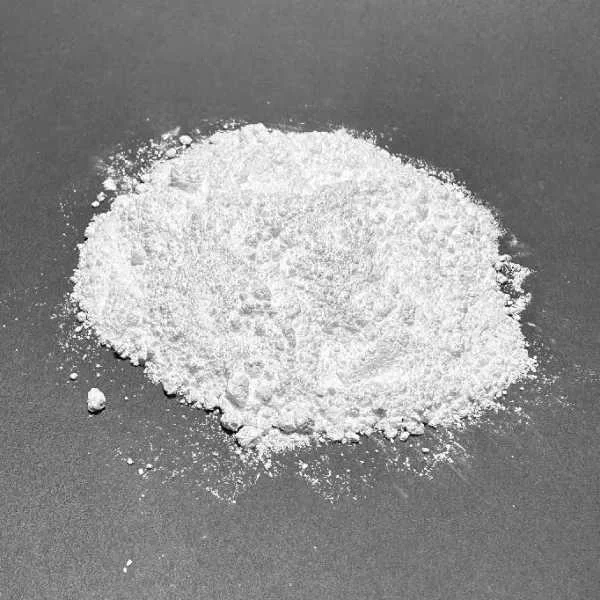
PVDF Powder
PVDF powder material is selected when uniform dispersion or fine material control is required. This PVDF material category is commonly evaluated in fluorocarbon coating systems, membrane formation, and binder-based processes.
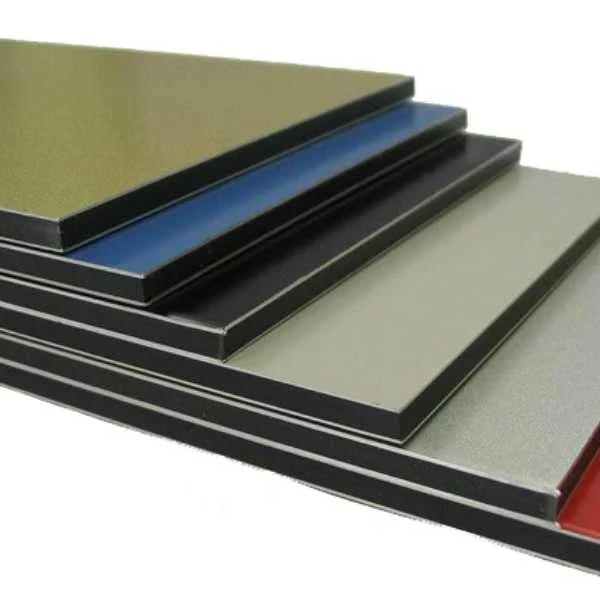
PVDF Coating
PVDF coating-grade material is used when surface protection and long-term exposure resistance are key requirements. You evaluate this PVDF material category based on coating method, substrate compatibility, and service environment.
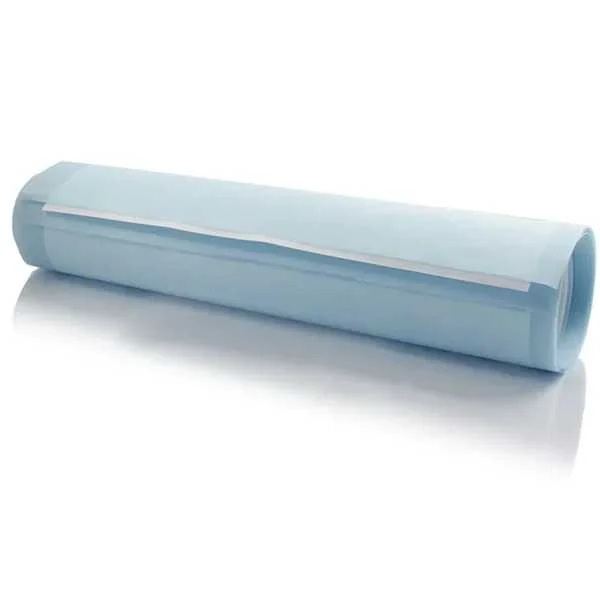
PVDF Resin for Membrane
PVDF membrane-grade material is evaluated for applications requiring durability and stable membrane performance. This PVDF material category is typically reviewed by technical and QA teams during process qualification.
PVDF Grades & Data Sheets
Nine PVDF powder, binder, membrane and coating grades. Click a grade to download its Technical Data Sheet (PDF).
| Grade | Material Type | MFR (g/10 min) | Key Material Feature | Typical Application |
|---|---|---|---|---|
| PF-8P61 | PVDF Powder | Low | High molecular weight, low flow | Extrusion & structural molded parts |
| PF-8P62 | PVDF Powder | Low–Medium | Balanced flow and mechanical stability | General extrusion & injection molding |
| PF-8P63 | PVDF Powder | Medium | Improved flow for molding | Injection molded components |
| PF-8P64 | PVDF Powder | High | High flow, easier mold filling | High-flow injection products |
| PF-8P02E | PVDF Binder Grade | Medium | Stable viscosity, film-forming binder | Lithium battery electrode binder |
| PF-8P02B | PVDF Binder Grade | Low | High binding strength | High-loading battery electrodes |
| PF-8P04 | PVDF Membrane Grade | Low–Medium | Good solubility, controlled viscosity | PVDF membranes & filtration |
| PF-8P03 | PVDF Coating Grade | Medium | Fine particle size for coating | Fluorocarbon coatings |
| PF-8P11 | PVDF Coating Grade | 0.5–2.0 | High UV & chemical resistance | Architectural & industrial fluorocarbon coatings |
Applications & Industries of PVDF Material
PVDF material is commonly specified in chemical processing environments where exposure to aggressive media is expected — for systems that must maintain integrity over extended service periods.
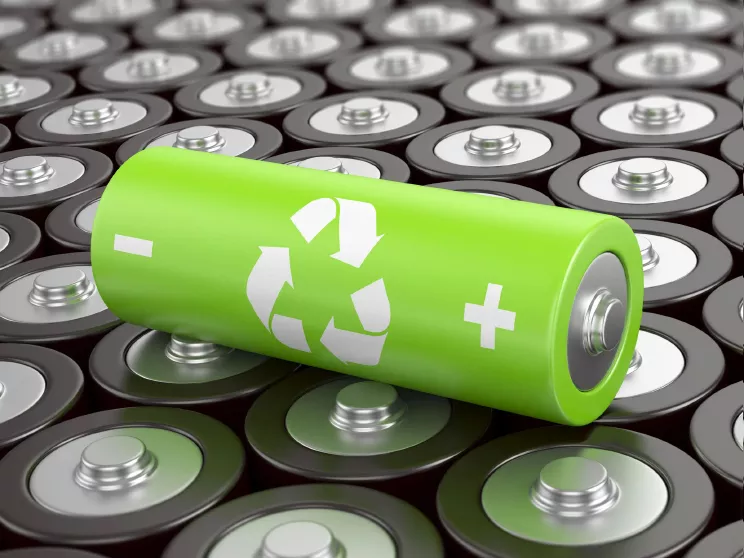
PVDF Binder in Battery Electrodes
PVDF is valued in binder applications for its chemical stability and consistent polymer structure. PVDF raw material helps maintain stable slurry behavior and predictable binding performance during electrode coating. Its resistance to solvents supports repeatable processing when formulation parameters are controlled. PVDF is selected as a binder raw material mainly for reliability and consistency, not for boosting battery performance.
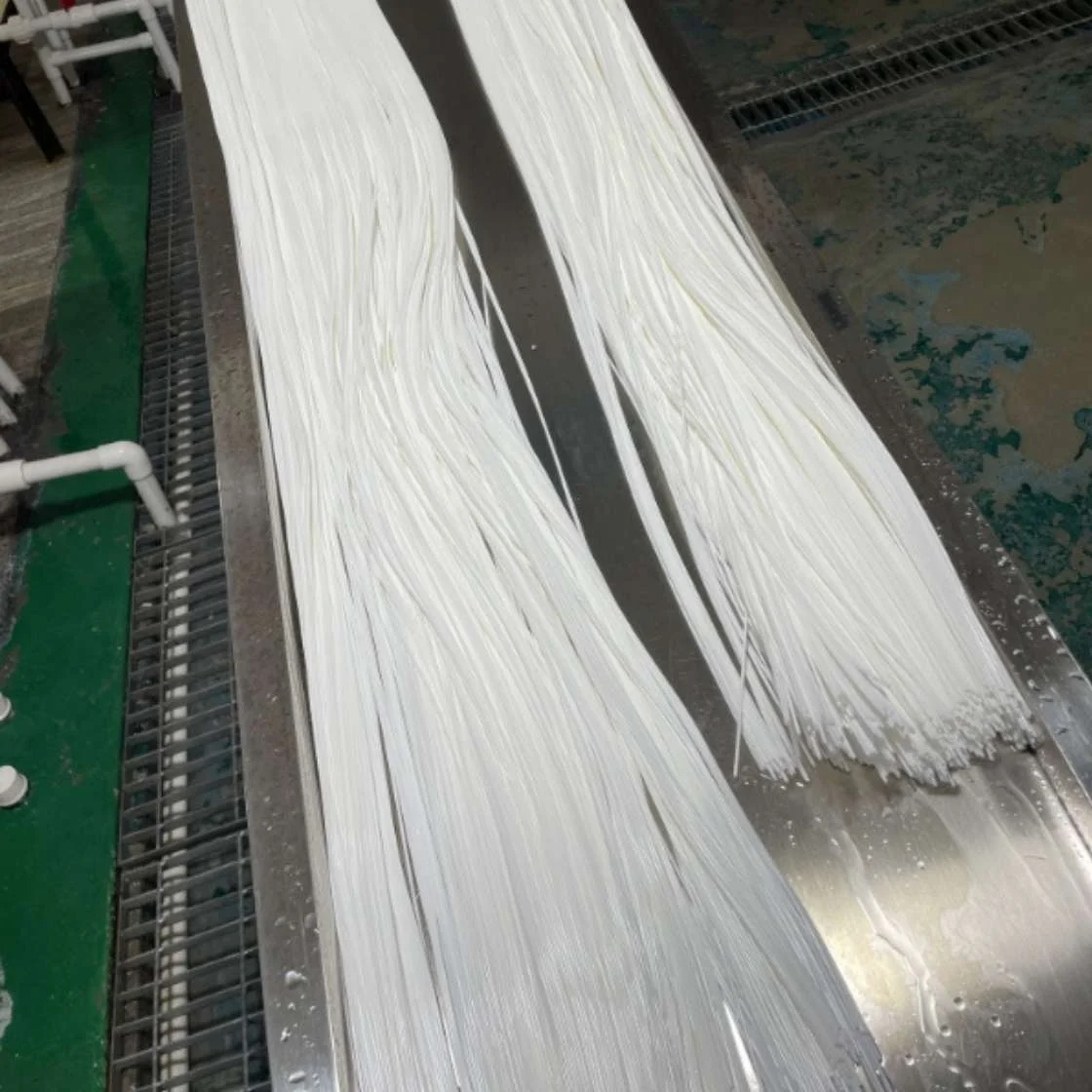
Water Treatment Membrane
PVDF raw material is selected for membrane production due to its durability and chemical resistance. At the material level, PVDF supports stable membrane formation and helps maintain structure during repeated cleaning and operation. Its resistance to chemical attack makes it suitable for filtration applications that require long-term reliability — see the American Membrane Technology Association for independent membrane-technology standards and practice.
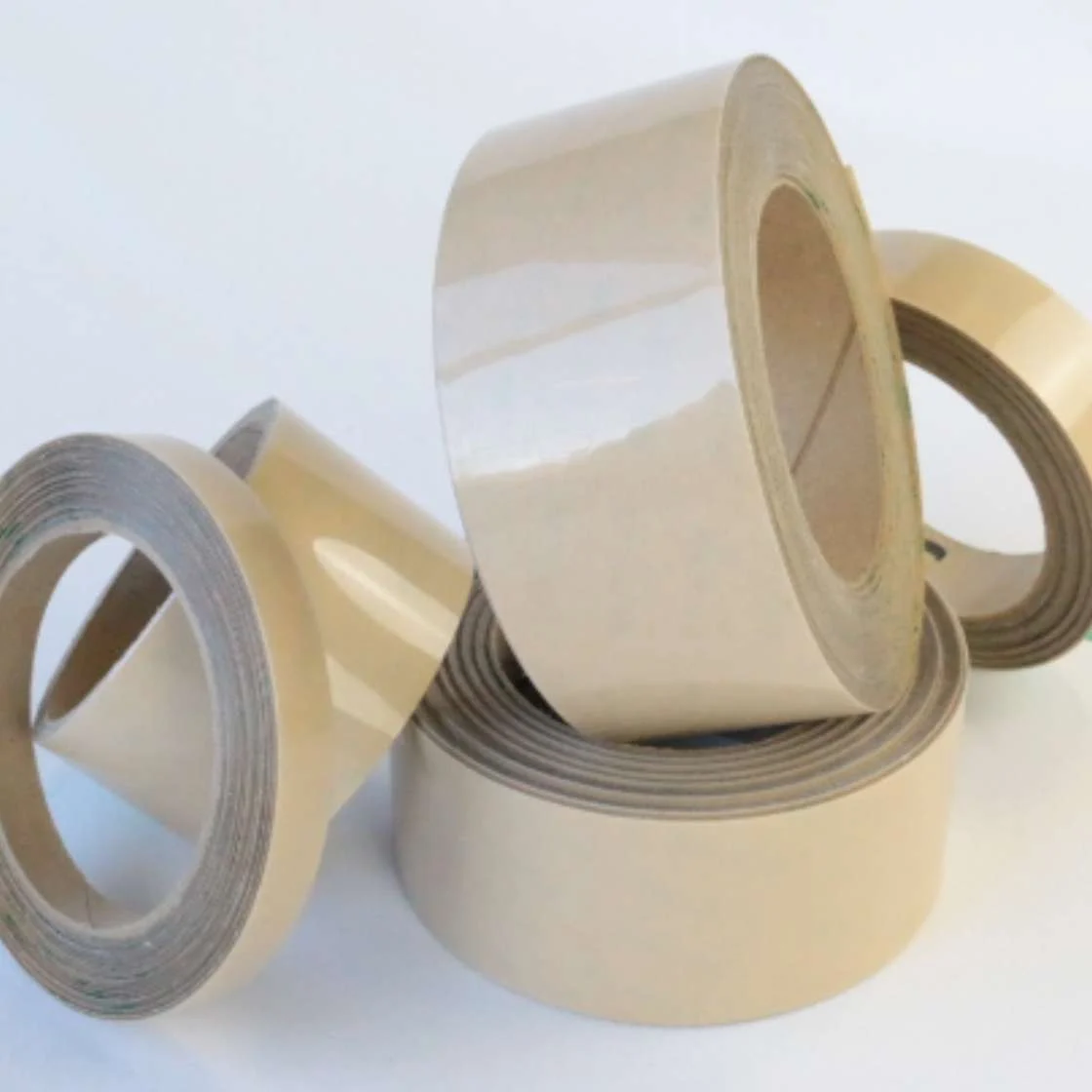
PVDF Tape
PVDF raw material is used in tape applications for its chemical and thermal resistance. As a base polymer, PVDF helps tapes maintain insulation and protective performance in aggressive environments. Its stability supports consistent material behavior during installation and service.
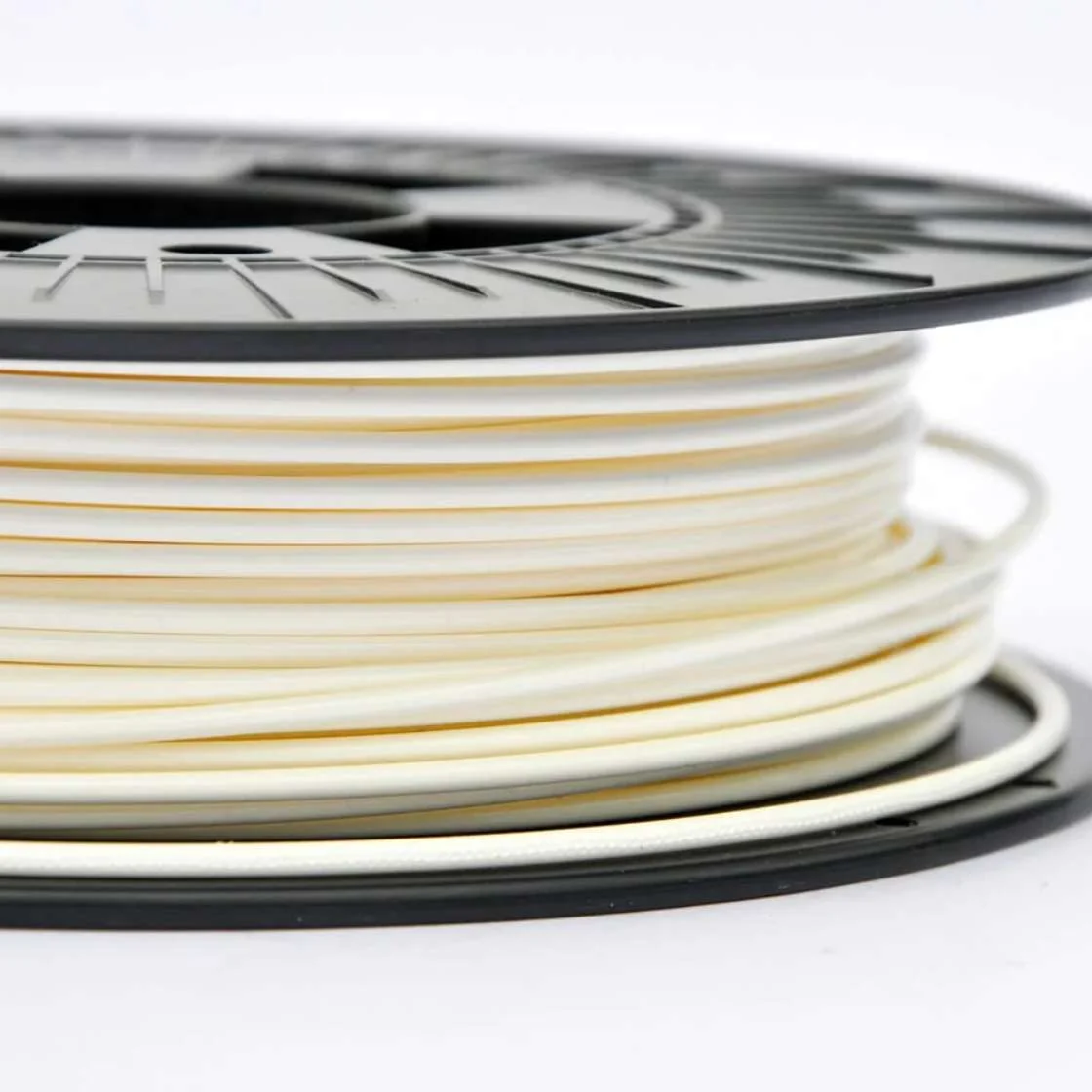
PVDF Filament
PVDF raw material is used in filament applications because it offers chemical resistance and dimensional stability. At the polymer level, PVDF helps finished parts maintain shape and performance in harsh environments. Its material consistency supports repeatable forming or printing when processing conditions are properly controlled.
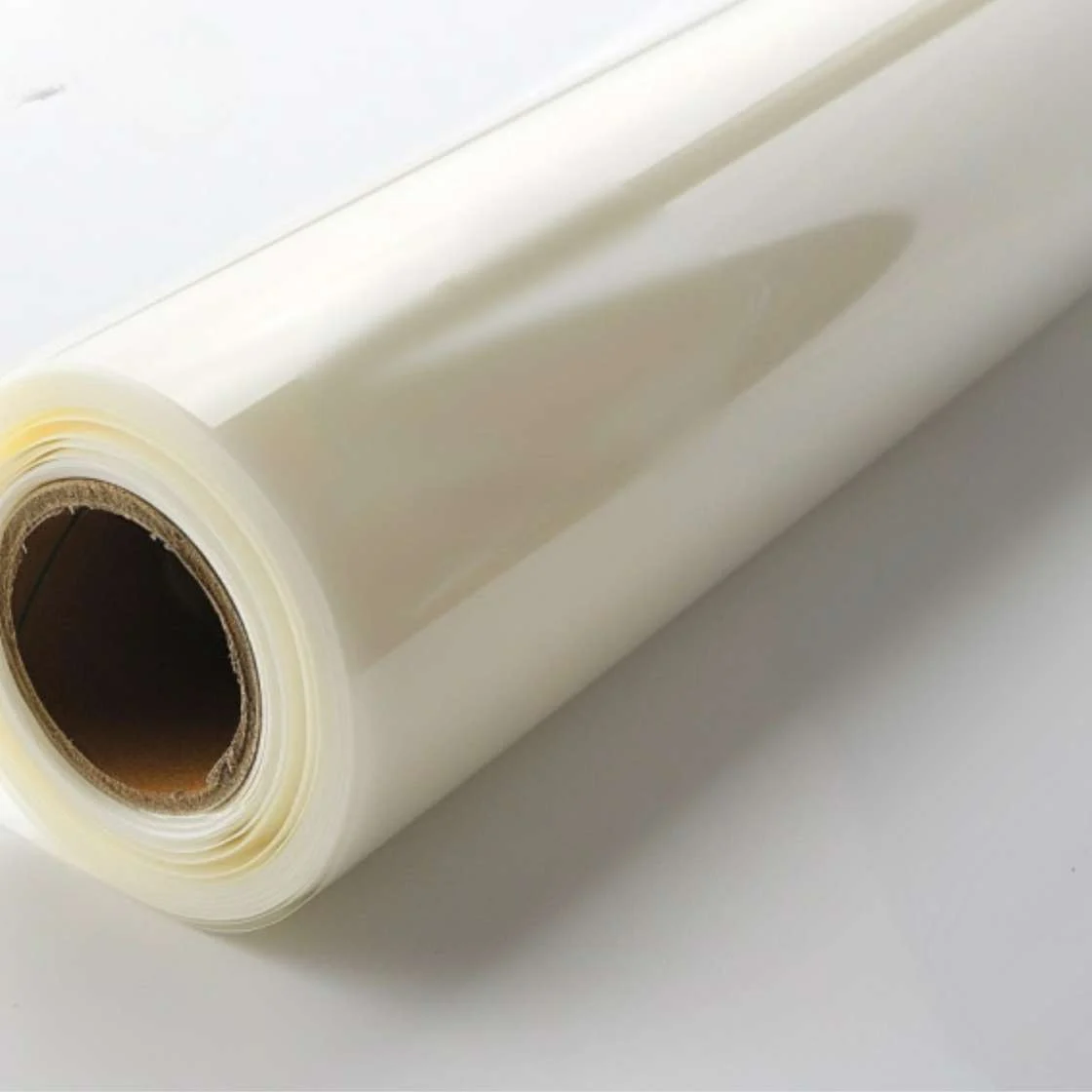
PVDF Piezoelectric Sheet
PVDF raw material is selected for piezoelectric applications due to its ability to exhibit stable electroactive behavior when properly processed. At the material level, PVDF provides flexibility and durability, supporting long-term use in sensing elements where repeated mechanical stress is expected.
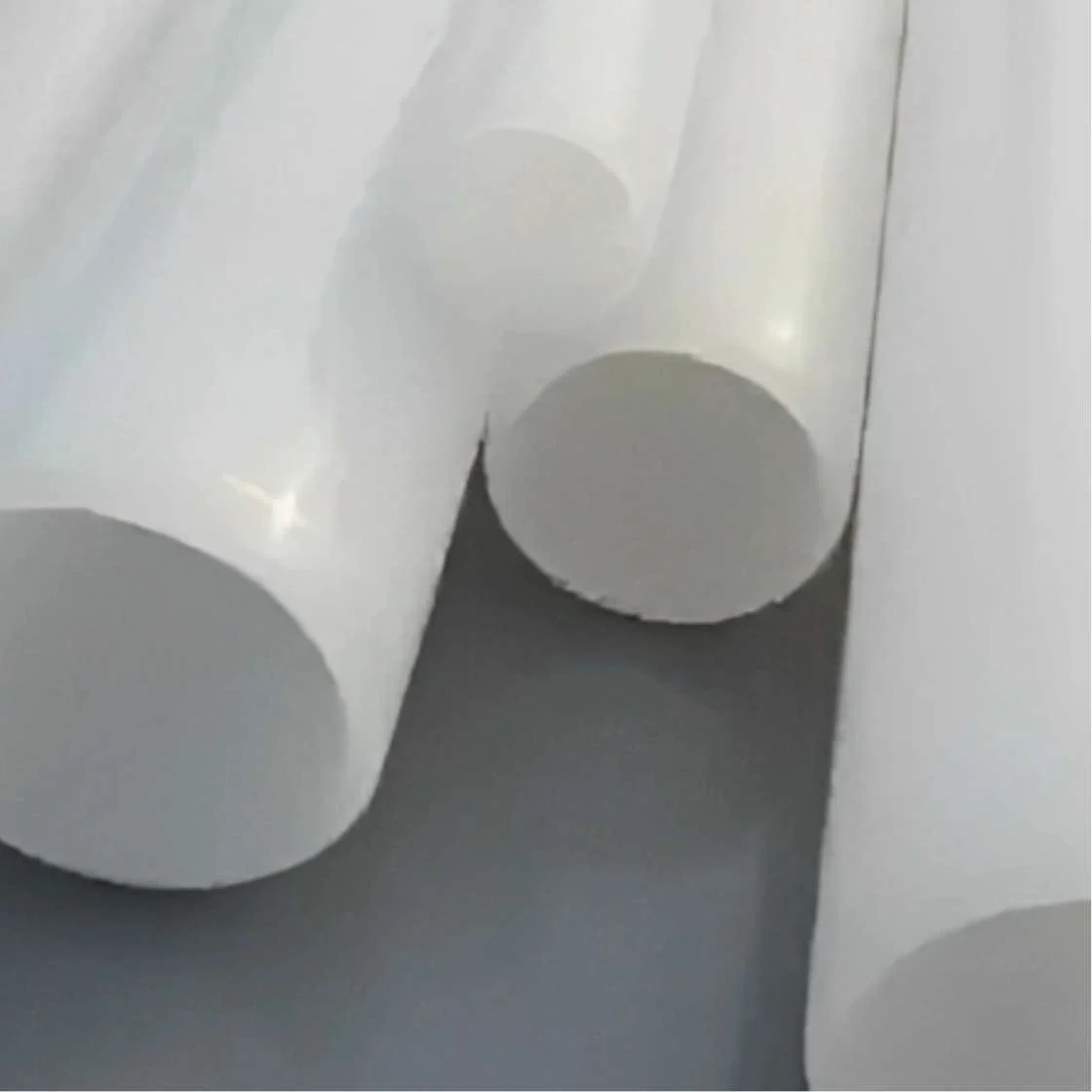
PVDF Tube & Pipe
PVDF raw material is used for tubes and pipes because it provides strong chemical resistance and stable mechanical properties. As a base polymer, PVDF helps finished products maintain integrity when exposed to aggressive fluids and elevated temperatures. Its material stability supports long service life and reduces the risk of degradation in demanding environments.
How Processors Convert Peflon PVDF Into Parts
Processors melt-process PVDF pellets and powders into finished parts using conventional thermoplastic equipment — the grade and MFR determine which method fits your production line.
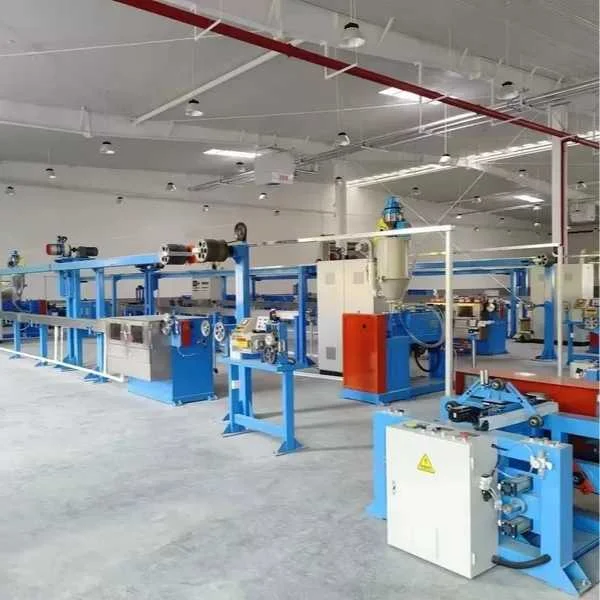
Extrusion (Film, Sheet & Tube)
Processors extrude PVDF pellet grades into film, sheet and tubing on standard single-screw lines. Melt temperature and screw design are set to the resin’s narrower processing window compared with PE or PP.
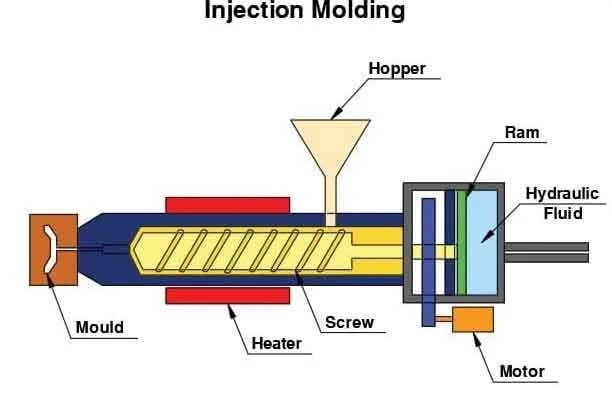
Injection & Compression Molding
Processors mold higher-flow PVDF powder grades into structural and precision components by injection molding, or compression-mold lower-flow grades into billet and sheet stock for machining.
Electrostatic Powder Coating
Processors apply fine-particle PVDF coating grades by electrostatic spray onto pre-heated substrates, then fuse the powder into a continuous protective film for architectural and industrial coating lines.
Piezoelectric Film Poling
Processors stretch and electrically pole cast PVDF film to align its crystal structure into the beta phase, producing the electroactive response used in sensor and actuator film.
PVDF Chemical Compatibility
PVDF resists most mineral acids and hydrocarbons but is not a universal solvent-resistant material like PTFE or FEP — the exceptions below are the ones worth checking before you finalize a spec.
| Chemical | Class | Resistance | Notes |
|---|---|---|---|
| Sulfuric acid | Mineral acid | Excellent | Resistant across most concentrations and temperatures |
| Hydrochloric acid | Mineral acid | Excellent | Resistant across full concentration range |
| Sodium hypochlorite (bleach) | Oxidizer | Excellent | Common in water-treatment and CIP applications |
| Aliphatic & aromatic hydrocarbons, oils | Hydrocarbon | Excellent | Suitable for fuel and lubricant contact |
| Sodium hydroxide, concentrated (>10%), hot (>60°C) | Strong base | Not recommended | Attacks PVDF at elevated temperature |
| Dimethylformamide (DMF) | Polar aprotic solvent | Not recommended above ~60°C | Dissolves PVDF at elevated temperature |
| Ketones (e.g. acetone) | Ketone solvent | Not recommended | Classic PVDF weak spot, even at room temperature |
| Amines & esters | — | Limited | May cause swelling or stress cracking under load |
Why Choose Peflon PVDF Material
Peflon PVDF material is not positioned as a universal solution for every application. If your process is unstable or your validation criteria are unclear, switching suppliers alone will not fix the problem. Our role is to support buyers who already understand their requirements and need a PVDF material partner that respects process discipline, documentation, and repeatability.
What differentiates Peflon is not marketing claims, but how PVDF material is prepared, verified, and supported during qualification and scale-up.
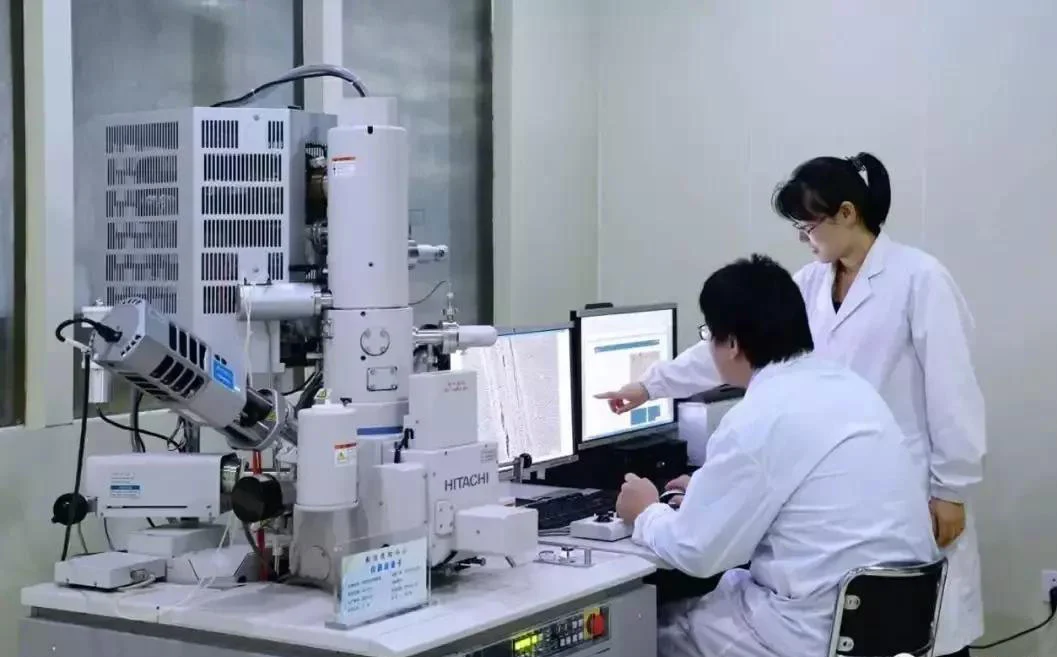
PVDF Material with Controlled Raw Material Inputs
PVDF material performance starts with raw material control. Without stable inputs, downstream testing becomes meaningless. Peflon manages PVDF material production with defined raw material specifications to reduce variability before qualification even begins.
- Defined raw material acceptance criteria
- Reduced formulation drift during scale-up
- Fewer re-tests caused by upstream variation

PVDF Material Verified Through Batch-Level Testing
Peflon PVDF material is judged by repeatability, not by single data points. Peflon supports PVDF material evaluation with batch-level testing and documentation to help you confirm consistency over time, not just on first samples.
- Avoids “sample OK, bulk fails” scenarios
- Supports QA and technical audits
- Aligns material data with real production behavior
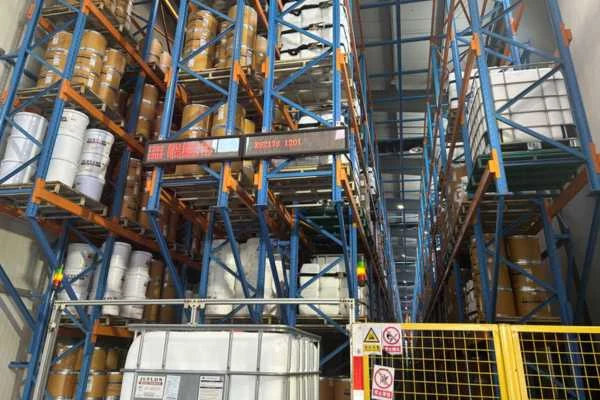
PVDF Material Supply Planned for Long-Term Use
Changing PVDF material suppliers mid-production is costly. Peflon approaches PVDF material supply with long-term planning to support buyers who value continuity over short-term pricing.
- Predictable supply windows
- Reduced re-qualification risk
- Fewer disruptions during ongoing production
Documented Second Source for PVDF Material
Buyers qualify Peflon as a second source alongside established PVDF brands like Kureha, Arkema (Kynar) or Solvay (Solef) — full TDS/SDS traceability, no spec re-engineering required.
- Per-batch COA confirms consistent MFR and properties
- Grade cross-reference support against your current PVDF spec
- REACH, FDA and RoHS documentation on file
FAQ of PVDF Material
Can PVDF material be used as a direct replacement for PTFE?
Not always. PVDF material offers easier processing than PTFE, but it operates within a lower temperature range. You should evaluate PVDF material as an alternative only after confirming thermal limits and service conditions for your specific product.
What form of PVDF material should I choose for my application?
PVDF material selection depends on how the product is made. Resin is typically reviewed for molded or extruded parts, powder for binders or coatings, and membrane-grade PVDF material for filtration products. Form selection should follow your process, not the other way around.
Does PVDF material require re-validation when switching suppliers or batches?
Yes. Even when specifications look similar, PVDF material should be re-validated when suppliers or grades change. Batch-to-batch consistency and processing behavior can vary and directly affect product performance.
What is the difference between PVDF and PVC?
PVDF is premium-grade for demanding applications, while PVC is a cost-effective choice for general-purpose uses with moderate conditions.
Is PVDF material the same as Teflon (PTFE)?
No. Teflon is a brand name for PTFE. PVDF and PTFE are different fluoropolymers: PTFE offers a higher continuous service temperature and broader chemical resistance, while PVDF is easier to melt-process and offers higher mechanical strength and rigidity.
What is the difference between PVDF material and PP (polypropylene)?
PP is widely used for general-purpose chemical resistance, while PVDF material is selected for harsher environments. PVDF material performs better under higher temperatures and aggressive media, but PP may be sufficient for less demanding applications.
Why is PVDF material more expensive than common plastics?
PVDF material price reflects its fluoropolymer chemistry, controlled production, and performance range. While PVDF material costs more than PVC or PP, it is typically evaluated for applications where longer service life and reduced failure risk justify the investment.
Related Products of PVDF Material
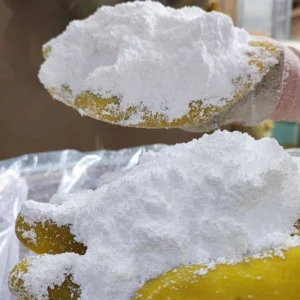
What is PTFE
Need a higher continuous-use ceiling or the broadest chemical resistance? Peflon also supplies PTFE.
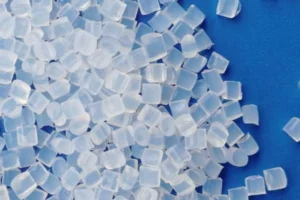
FEP
Need melt-processable clarity with continuous use to ~200°C? Peflon also supplies FEP.
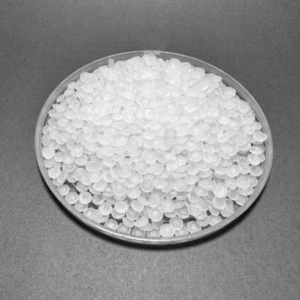
PFA Material Supplier | Peflon
Need PTFE-level chemical resistance with FEP-style melt processability? Peflon also supplies PFA.
Peflon Support for PVDF Material
Technical support for PVDF raw material is focused on material understanding, not process control. Peflon supports buyers with clear information on batch consistency and suitability for specific application types, helping you reduce uncertainty during qualification and sourcing.
Get a PVDF Grade Recommendation & Sample
Tell us your application, target grade and volume — our engineers will recommend a PVDF grade, share the data sheet and reply within 24 hours.