
Seals & Bearings for OEM Factories and Industrial Distributors
Choose PTFE, filled PTFE or PEEK sealing and bearing materials by real working conditions: media, load, speed, temperature, drawing tolerance and order volume. Built for OEM factories, equipment builders, maintenance teams and distributors who need stable supply, repeatable quality and fast quoting.
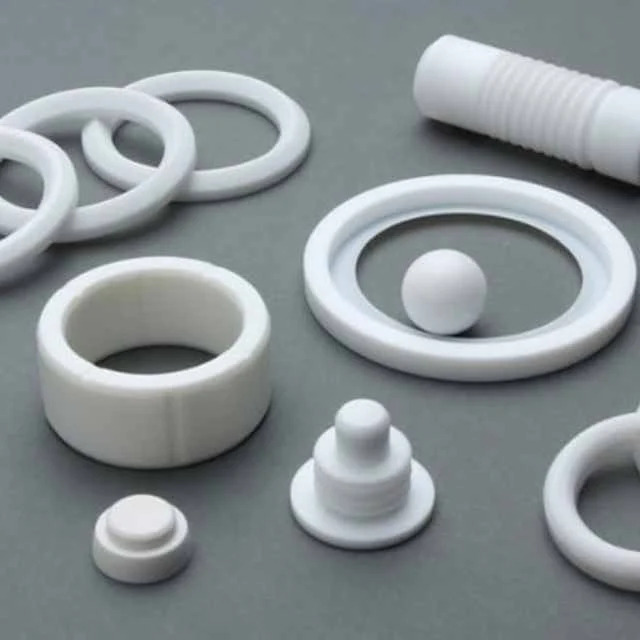
Built for factories, equipment makers and distributors
This page is not written for one-piece retail orders. It is for buyers who need repeat supply, custom machining, stockable sizes, stable quality and a material choice that works in the field.
OEM factories
Send drawings, samples or working conditions. We help choose the material, then supply PTFE rods, PTFE sheets, PTFE tubes or finished machined parts.
Equipment manufacturers
Useful for pumps, valves, compressors, mixers and chemical equipment where sealing life and bearing wear affect machine reliability.
Industrial distributors
We can support common stock sizes, repeat orders, private-label supply and material suggestions for your local customers.
Choose by the job, not by the product name
A seal or bearing does not fail because the catalog name was wrong. It fails because the material did not match the media, load, speed, temperature, mating surface or space in the assembly.
Static sealing
For PTFE seals, gaskets, flange seals and simple O-rings, chemical compatibility and compression behavior matter more than sliding wear.
Dynamic sealing
For pumps, valves and shafts, check friction, shaft speed, heat build-up and whether the seal may run dry during start-up. PTFE packing is often used here.
Bearing and wear parts
For bushings, guide rings and wear pads, start with filled PTFE when load, wear or creep is higher than virgin PTFE can handle.
Quick Selection Table
Use this as a practical starting point before you send an inquiry. Final grade depends on your real working data and order requirement.
| Working Condition | Good Starting Material | Why It Fits | Confirm Before Order |
|---|---|---|---|
| Chemical gaskets, flange seals, low-friction static parts | Virgin PTFE or PFA | Clean chemical resistance, low friction and easy machining for common sealing shapes. | Media, temperature, compression, thickness, quantity. |
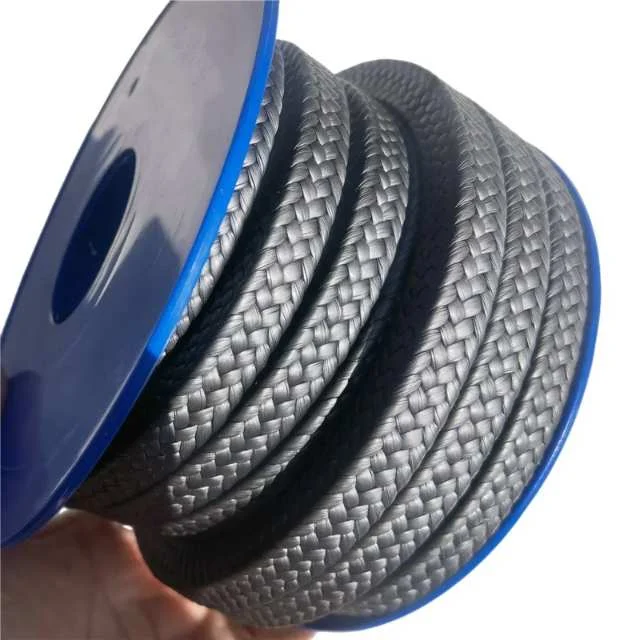
| Pump, valve and mixer packing | PTFE packing | Useful where chemical resistance and low shaft friction are both needed. | Shaft size, speed, media, pressure, gland space. |
| Bushings, wear rings, guide bands, sliding pads | Filled PTFE | Better wear resistance and dimensional stability than virgin PTFE. | Load, speed, mating material, clearance, dry or lubricated running. |
| Higher wear and better shape stability | Glass filled PTFE | Glass improves stiffness and wear behavior while keeping PTFE chemical resistance. | Surface finish, abrasive risk, tolerance, operating temperature. |
| Heavy-load bearing or wear parts | Bronze filled PTFE | Bronze raises load capacity and wear resistance for demanding sliding parts. | Chemical exposure, load direction, lubrication, mating surface. |
| Low friction, dry running or smoother sliding | Graphite filled PTFE or MoS2 filled PTFE | These fillers help reduce friction and improve sliding behavior in moving parts. | Temperature, speed, stick-slip risk, cleanliness requirement. |
| High-load, high-temperature precision bearing parts | PEEK, GF30 PEEK or CF30 PEEK | Higher strength and stiffness when PTFE is too soft for the design. | Temperature, load, tolerance, cost target, machining details. |
Materials and parts we can support
For distributors, these are also practical product groups to stock or quote. For factories, they can be supplied as material blanks or finished machined parts.
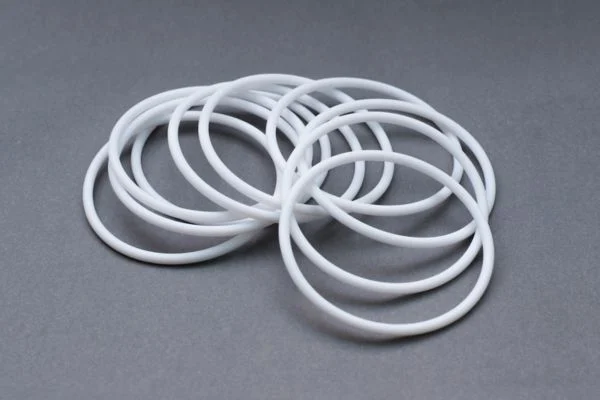
PTFE O-rings
For chemical sealing where elastomers may swell, age or contaminate the process.
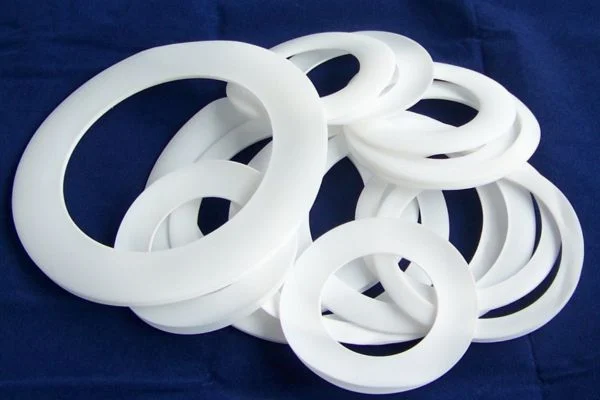
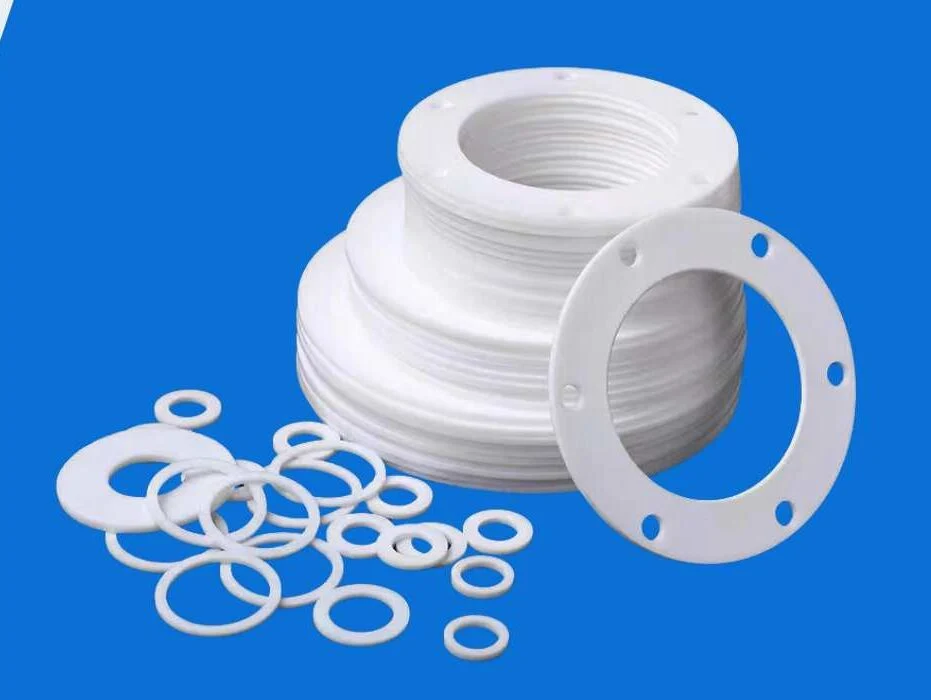
PTFE gaskets
Used on flanges, vessels and equipment covers in corrosive service.
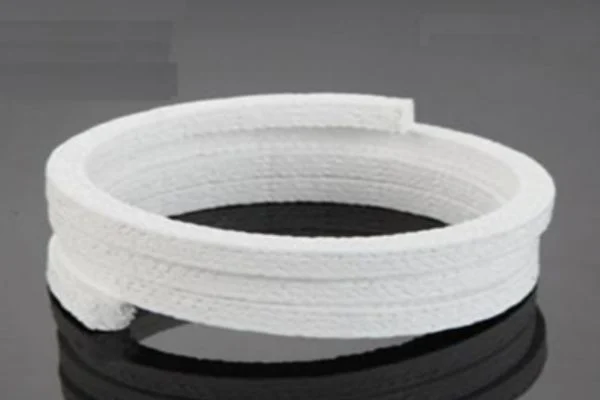
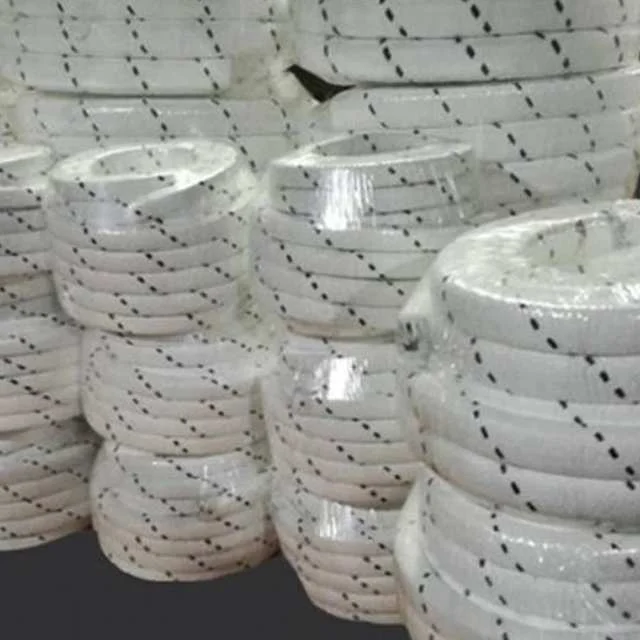
PTFE packings
A practical choice for pumps, valves and rotating equipment with chemical media.

Packing rolls
Good for MRO buyers and distributors who need cut-to-length sealing material.
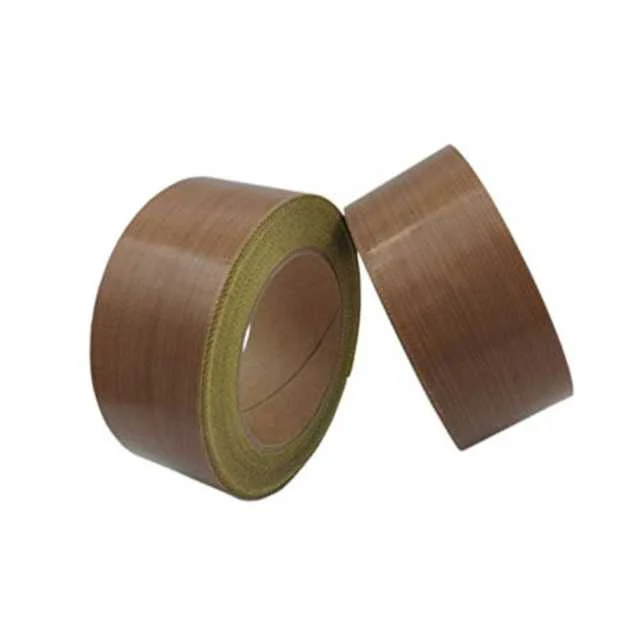
Glass filled PTFE
Better stiffness and wear resistance for rings, pads and guide parts.
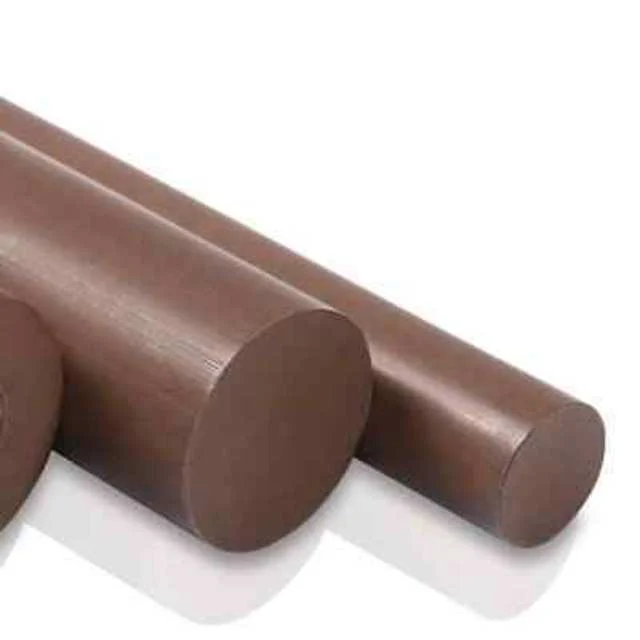
Bronze filled PTFE
Often selected when the bearing part sees higher load or harder wear.
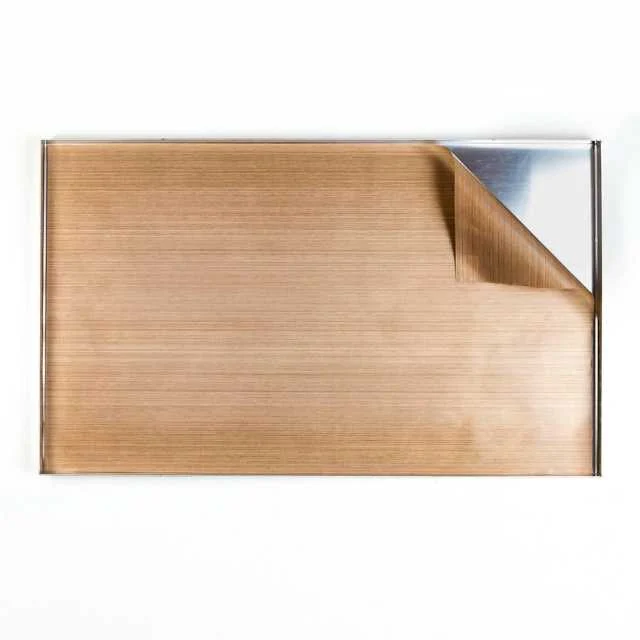
Graphite filled PTFE
Good for sliding parts where friction control is the main concern.
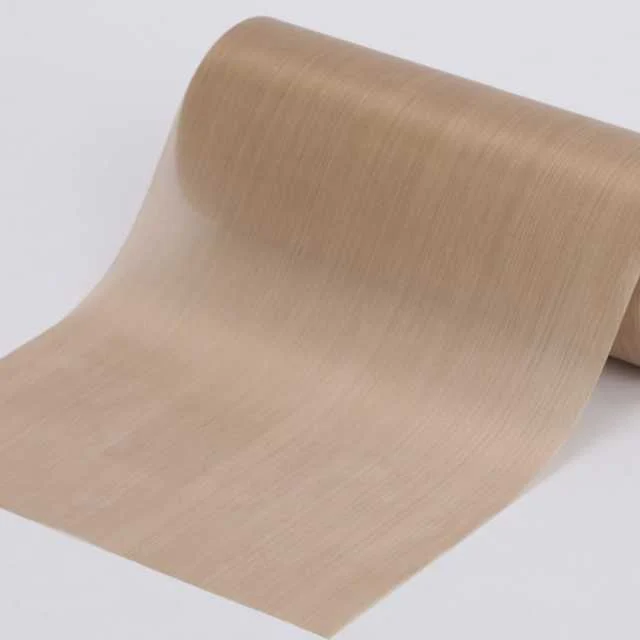
MoS2 filled PTFE
Used when smoother motion and improved wear performance are needed.
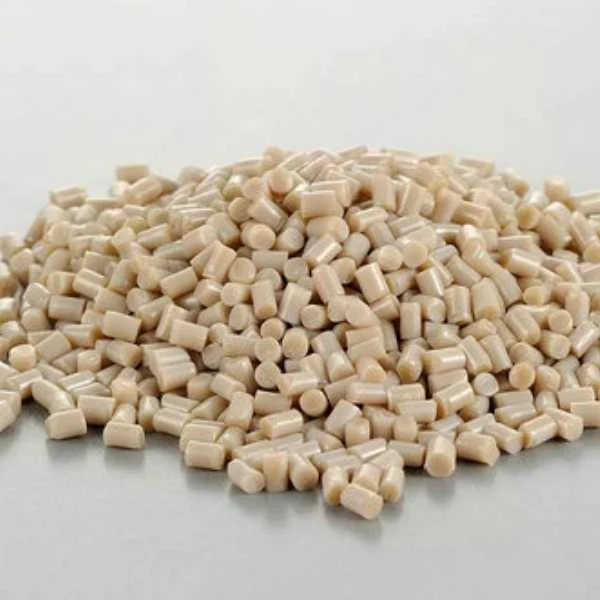
PEEK
For stronger, stiffer bearing parts when PTFE is not enough.
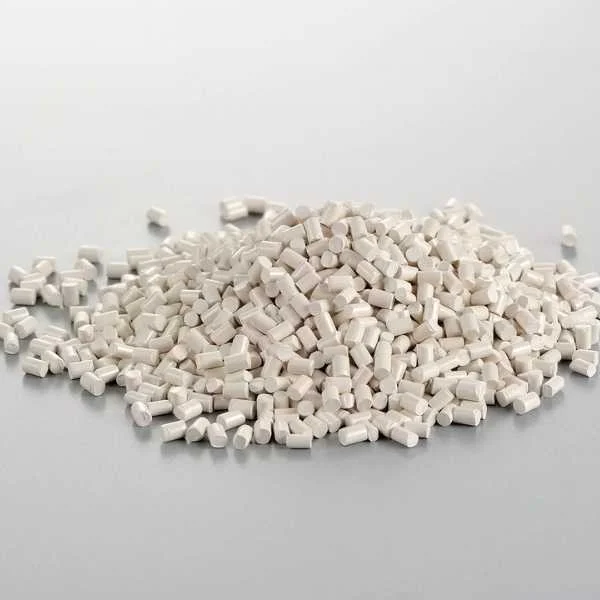
GF30 PEEK
Higher stiffness and dimensional stability for precision machined parts.
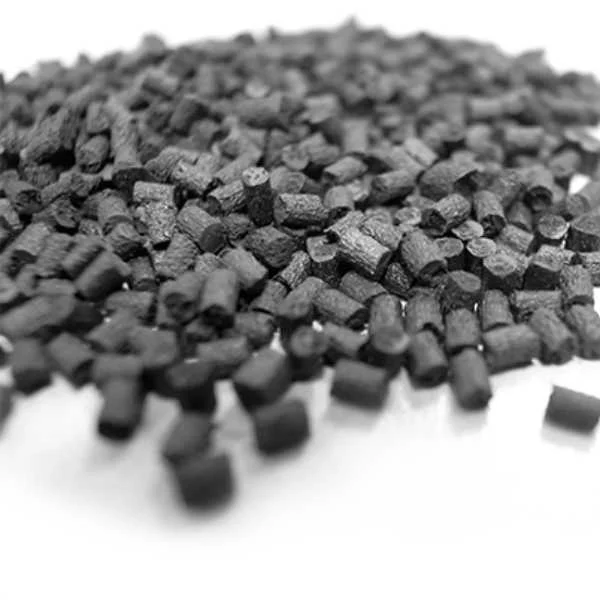
CF30 PEEK
For demanding bearing and structural parts with higher load needs.
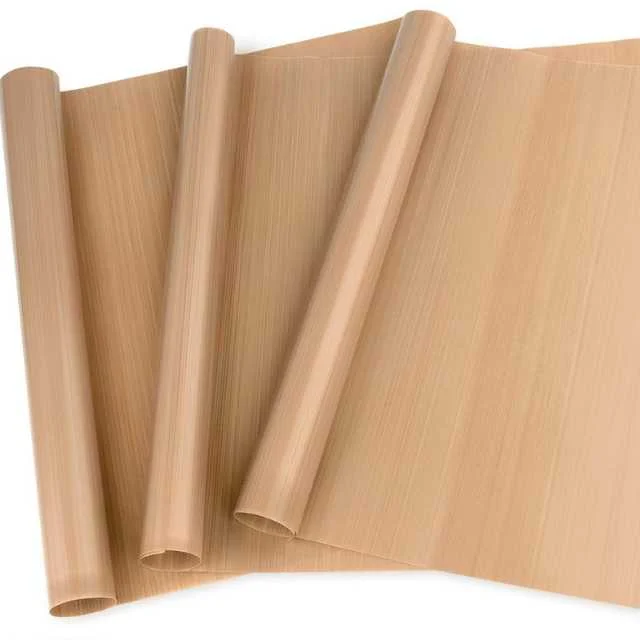
Custom machined parts
Rings, bushings, washers and special parts made from selected material.
Common equipment we supply for
The same material can behave differently in a pump, valve or compressor. Tell us the equipment type so we can avoid the wrong grade early.
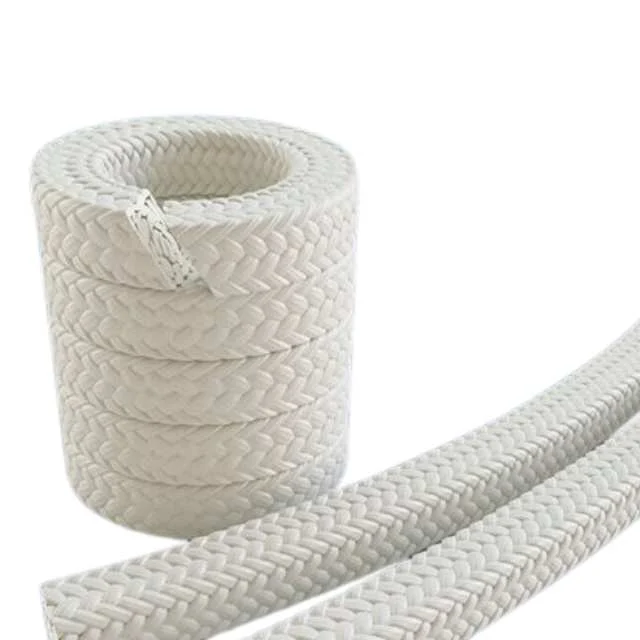
Pumps
Check shaft speed, media, pressure and whether dry running happens at start-up.
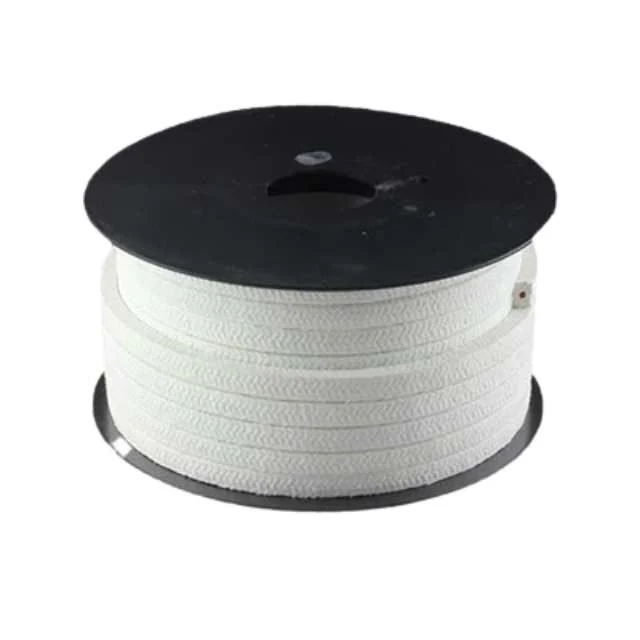
Pipes and flanges
Gasket material should match the chemical media, compression and flange condition.
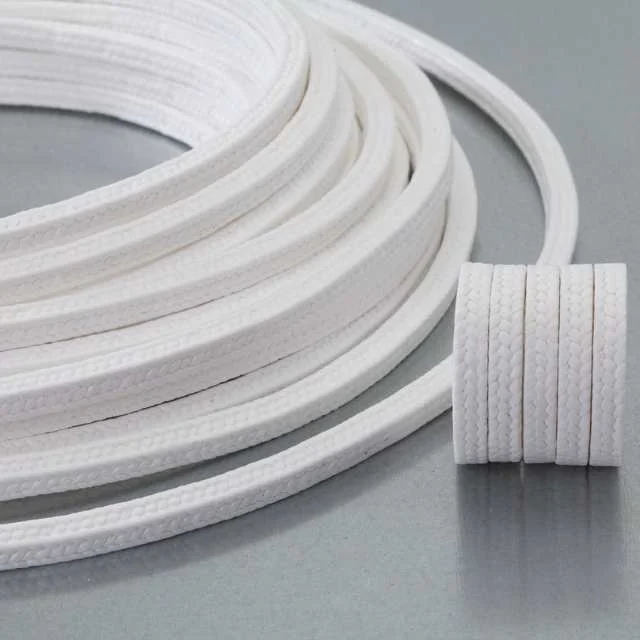
Valves
Low friction matters, but leakage control and stem finish usually decide the result.
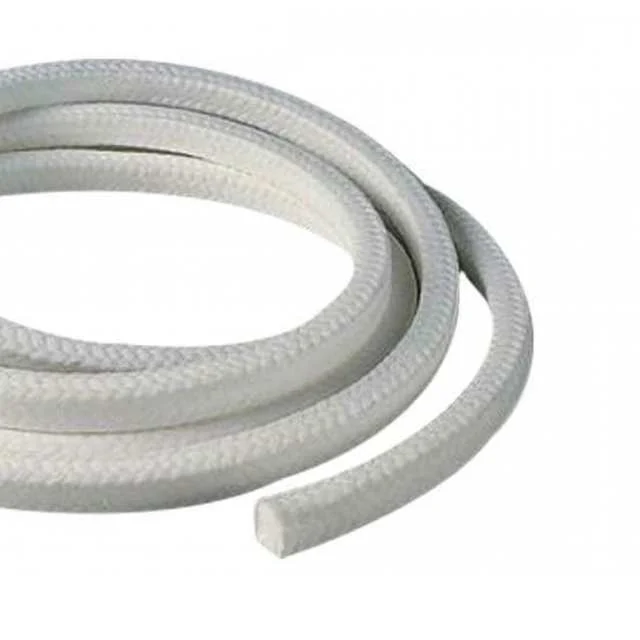
Storage tanks
Long chemical exposure and compression set are usually more important than sliding wear.
Compressors
Heat, pressure and wear rate should be checked before choosing the filler system.
Mixers and blenders
Movement is not always smooth, so shaft condition and media solids must be checked.
Send these details for a faster B2B quote
You do not need a perfect specification. These points are enough for a useful first recommendation and a more realistic quotation.
- Company type: OEM factory, equipment builder, maintenance team or distributor.
- Required form: rod, sheet, tube, seal, gasket, bushing, ring or custom machined part.
- Media name, concentration and whether solids are present.
- Working temperature, pressure, load and movement type.
- Drawing, sample photo, size list, tolerance or annual usage estimate.
- Order type: sample, trial order, stock order or repeat production order.
- Target market if you are a distributor.
Simple answers before you quote
Is virgin PTFE enough?
For many static chemical seals, yes. For bearing and sliding parts, filled PTFE is usually safer because virgin PTFE can creep and wear faster.
When should I choose PEEK?
Choose PEEK when the part needs higher strength, stiffness, temperature resistance or tighter dimensional control than PTFE can provide.
Can you support repeat supply?
Yes. We can quote samples, trial orders, production batches and stock items for distributors based on size list and yearly demand.
Standards and reference links
For engineering, purchasing or compliance review, these non-competitor references can help your team check material terminology and regulatory context.
FDA eCFR 21 CFR 177.1550
Reference for perfluorocarbon resins used in food-contact articles under defined conditions.
ASTM D4745
Classification system and basis for specification for filled PTFE molding and extrusion materials.
ISO 13000-1:2021
International standard for PTFE semi-finished products, requirements and designation.
Technical Support for Seal & Bearing Material Selection
Specifying sealing and bearing materials raises real engineering questions — virgin vs filled PTFE, filler systems, when to move up to PEEK, and how each behaves under load, speed and heat. Our technical library shares practical guidance from the Peflon materials team.
PTFE: How to Select the Right Grade
What This Guide Covers — and Why It Matters Selecting the right PTFE (Teflon®) grade is not just a technical decision — it affects your equipment lifespan, maintenance…
Practical Limitations of PTFE — What Buyers Often Learn Too Late
PTFE is often specified for safety.But in real sourcing projects, most problems do not come from chemistry — they come from misaligned expectations between material behavior and downstream…
Types of Gaskets
A gasket is a mechanical sealing component to fill the space between two parts. it can avoid leaking gas or liquid from the pipe, flange, container, etc. The…
Need seals or bearing materials for production or resale?
Send the working condition, drawing, size list or sample photo. We will help you shortlist the material and quote in a way that fits OEM purchasing or distributor stock orders.