
Fluoropolymer Materials for Electronics
A working selection guide for cable extruders, PCB laminate makers, connector OEMs, capacitor manufacturers and semiconductor equipment buyers. Pair PTFE, FEP, PFA, ETFE, PCTFE or PEEK with the component you build — without overspecifying SEMI grades or paying for a Dk class you don't need.
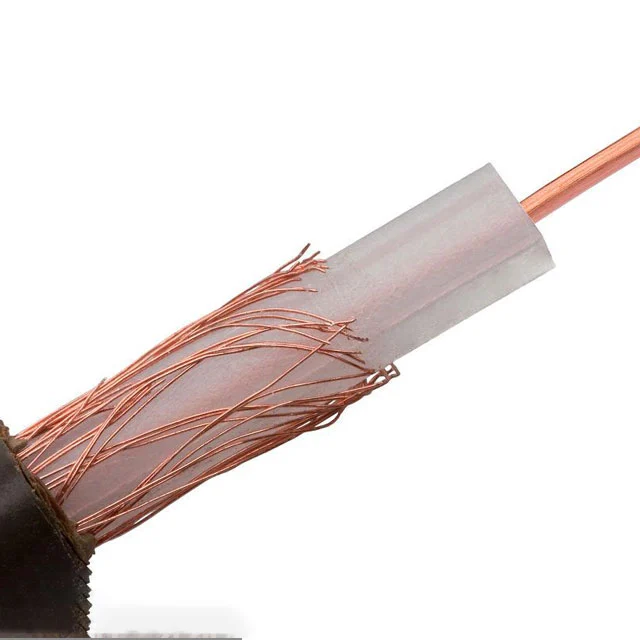
Who This Page Is For
We supply fluoropolymer raw material — PTFE, FEP, PFA, ETFE, PCTFE — plus PEEK and ready-to-machine stock shapes for electronic components and assemblies.
Cable & wire extruders
FEP / PFA / ETFE / PTFE fine powder for LAN, plenum, coaxial, hookup and appliance wire. Stable MFR, lot-to-lot consistency for high line speeds.
PCB & laminate makers
PTFE dispersion and PTFE film for high-frequency laminate, PFA / FEP bonding film for multilayer build-up.
Connector & component OEM
PTFE rod and tube for machined insulators, PFA pellets for molded high-temp parts, PEEK for structural housings.
Semicon & EMS distributors
High-purity PFA per SEMI F-57 for fluid handling, stock-size PTFE / PEEK plate for cleanroom machining and replacement parts.
How to Choose by Working Condition
Most electronics selection mistakes come from picking the polymer before the dielectric target, frequency and temperature are written down. Match the family to the exact service, then confirm grade and form.
Define the electrical envelope
Target Dk and Df, frequency band, breakdown voltage, surface resistivity (if ESD), insertion loss target.
Match the family
PTFE for the lowest Dk/Df, FEP for melt-processable cable jacket, PFA for high-temp connectors and SEMI fluid handling, ETFE for thin-wall hookup wire, PCTFE for moisture-barrier seals, PEEK for structural insulators.
Confirm grade and form
Pick the right MFR, particle size, ionic content and form (resin, dispersion, film, rod, tube). Send drawing or processing window — we flag risks before the first lot ships.
Material Selection Table — by Electronic Component
Treat this as a starting point for your material review. Confirm the items in the last column with our material team before placing the first PO.
| Component / Assembly | Working Condition | Recommended Material | Why It Fits | Confirm Before Order |
|---|---|---|---|---|
| LAN / plenum cable (CMP) | Plenum flame test, ≤200 °C | FEP jacket + insulation | UL plenum-rated, low smoke, melt-processable for high-speed extrusion | Conductor gauge, plenum class (CMP / CMR), MFR target |
| Coaxial cable dielectric | Low Dk, stable across temperature | PTFE fine powder tape, foamed FEP | Lowest Dk (≈2.0–2.1) and dissipation factor in commercial polymers | Target Dk, frequency, attenuation, foaming density |
| RF / 5G / mmWave assemblies | Low loss at GHz, phase stability | Microporous PTFE (ePTFE), foamed FEP | Lowest insertion loss at high frequency, stable Dk vs temperature | Frequency band, return loss, phase stability spec |
| Hookup & appliance wire | 200 °C continuous, abrasion | PTFE paste-extruded or ETFE | Heat resistance (PTFE) or thin-wall mechanical strength (ETFE) | UL / IEC style, conductor size, color |
| Heat-shrink tubing for component leads | Reflow / soldering protection | FEP, PTFE heat-shrink | Optical clarity (FEP), highest-temp service (PTFE) | Shrink ratio, ID before/after, recovery temp |
| High-frequency PCB laminate | Low Dk substrate, ≤260 °C reflow | PTFE dispersion + glass fabric, PTFE film | Stable Dk & low loss tangent across frequency | Dk / Df target, glass weave, copper foil profile |
| Bonding film for multilayer PCB | Lamination at 250–360 °C | PFA film, FEP film | Melt-bond, low ionic / metallic content, halogen-free | Thickness, melt range, ionic content limit |
| Connector insulators (high-temp / lead-free reflow) | 260 °C reflow, dimensional hold | PFA molded, PTFE machined | Holds shape through reflow, lowest dielectric loss | Reflow profile, geometry, fillers if any |
| Capacitor & insulating film | Thin film, breakdown voltage | PTFE / PFA film | Low Df, high breakdown voltage, high temp service | Thickness tolerance, breakdown V, working temp |
| Wafer carriers, FOSB, FOUP shells | UHP, optionally anti-static | High-purity PFA (SEMI F-57) | Low TOC, low metallic ions, particle-free for cleanroom | SEMI grade, anti-static option, OD / wall |
| Semiconductor fluid lines & fittings | UHP chemicals, 200 °C | PFA tubing, FEP tubing | Inert, smooth bore, low extractables | Chemical list, OD / ID, flare type |
| ESD / anti-static parts & jigs | Surface resistivity 10⁴–10⁹ Ω | Graphite-filled PTFE, carbon-filled PTFE | Conductive yet chemically inert, machinable | Surface resistivity target, geometry, cleanroom class |
| Battery / power electronics insulation | High V, UL94 V-0 | ETFE film, PFA tape, FEP heat-shrink | High dielectric strength, halogen-free flame retardance | UL94 class, thickness, adhesive backing |
| Moisture-barrier seals (precision instruments) | Low water-vapor permeation | PCTFE | Lowest water-vapor permeation among fluoropolymers | Gland geometry, service temperature window |
| Stock plate, rod & tube for machined parts | Cleanroom or distributor inventory | PTFE rod, PTFE sheet, PEEK plate | Distributor-stocked sizes, predictable machinability | OD / ID / length list, virgin vs filled grade |
Material Families We Ship to Electronics
Each card lists what the material is best at, where it falls short, and the form factors most electronics customers buy.
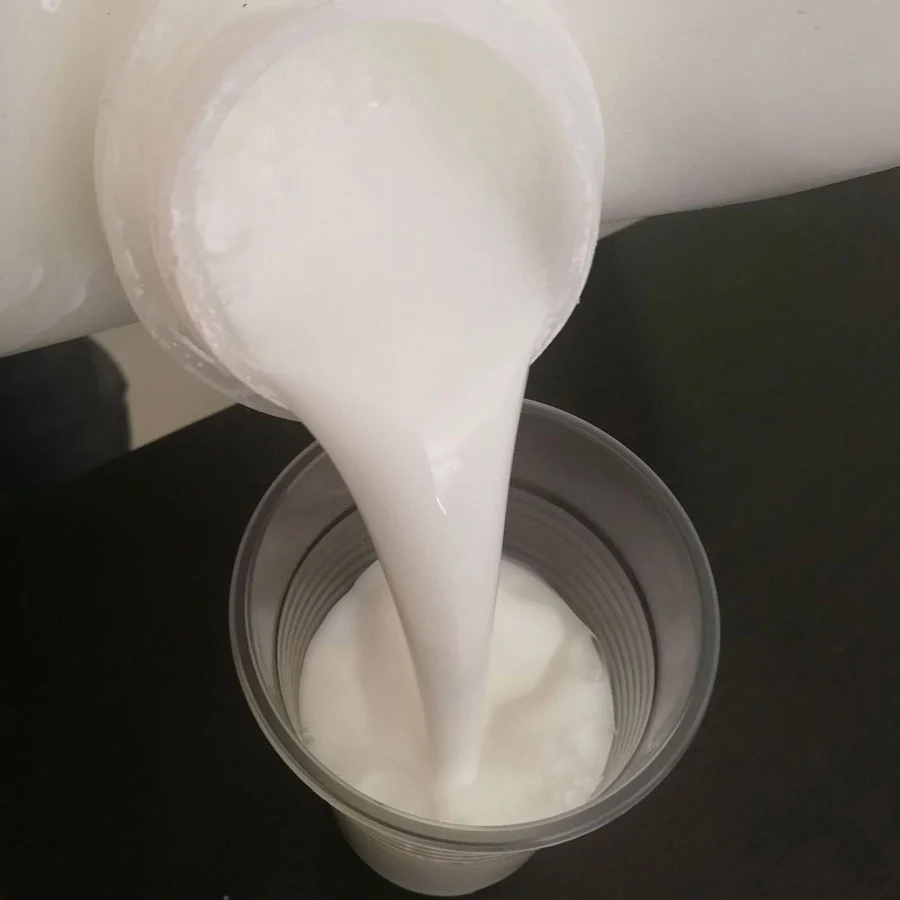
Lowest Dk dielectric, machined insulators
The benchmark dielectric — Dk ≈ 2.0–2.1, Df ≈ 0.0002 — and chemically inert. Used for coaxial dielectric, PCB laminate binder, capacitor film and machined connector insulators.
- Forms: fine powder (paste extrusion), molding powder, dispersion
- Stock: rod, sheet, tube
- Use cases: coax dielectric, RF cable, machined insulators
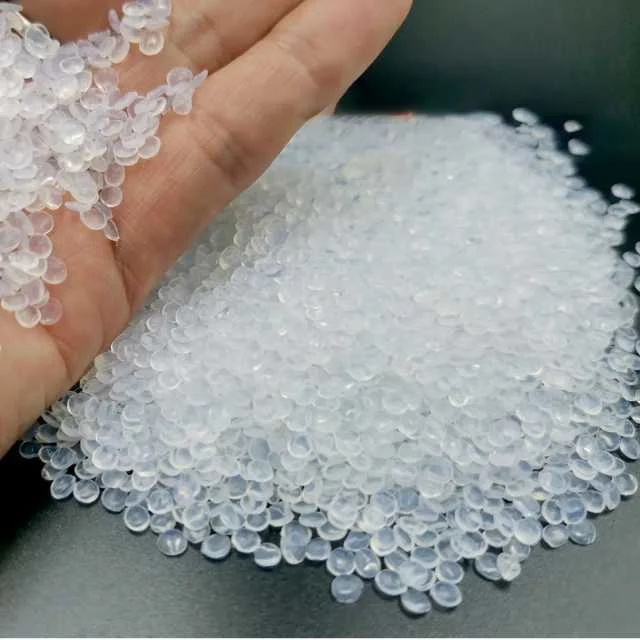
Plenum cable, foamed dielectric, heat-shrink
Melt-processable, low-smoke, plenum-rated. The default for LAN / CMP cable jacket, foamed dielectric, and clear heat-shrink tubing for component leads.
- FEP resin overview & MFR options
- FEP for wire & cable
- FEP dispersion for film and bonding
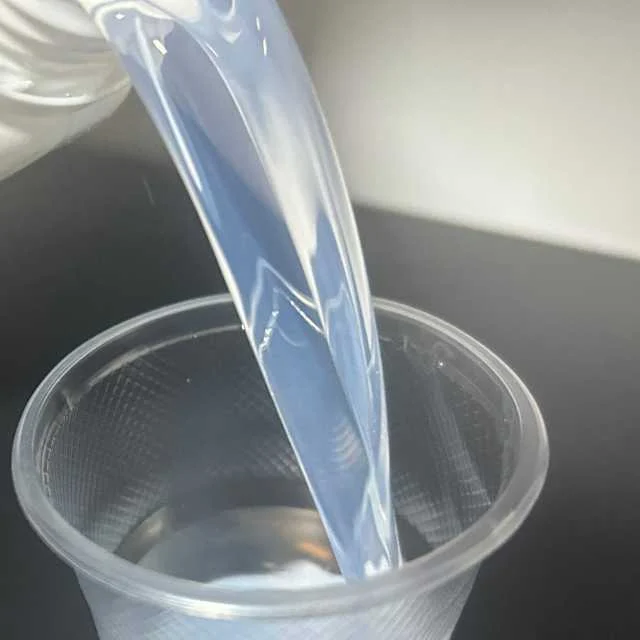
High-temp connectors, semiconductor fluid handling
Continuous service to 260 °C with PTFE-class chemical resistance and better mechanical strength. High-purity grade per SEMI F-57 for wafer and chemical handling.
- Forms: PFA resin, micro powder, dispersion
- Use cases: lead-free reflow connectors, FOUP / FOSB, fluid lines
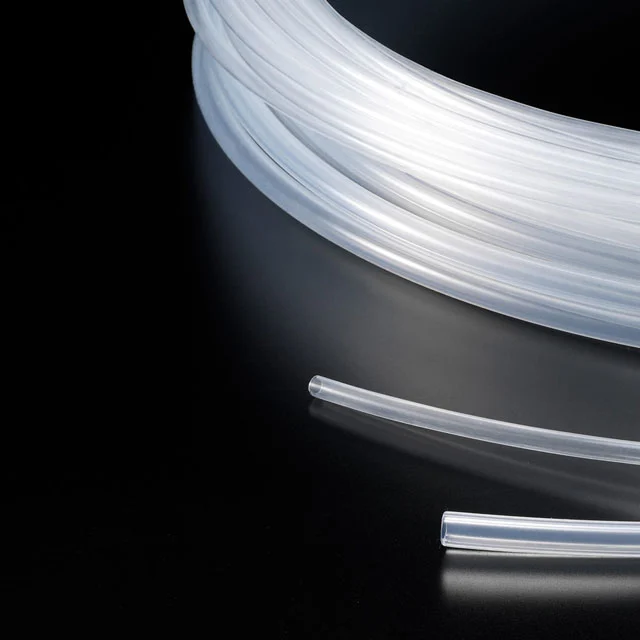
Thin-wall hookup wire, battery insulation film
Best mechanical strength and abrasion resistance of the fluoropolymer family. Thin-wall hookup wire, battery cell wrap film, halogen-free flame-retardant cable.
- ETFE resin grades and forms
- Use cases: HV battery insulation, lead frame tape, HDMI / USB inner wire
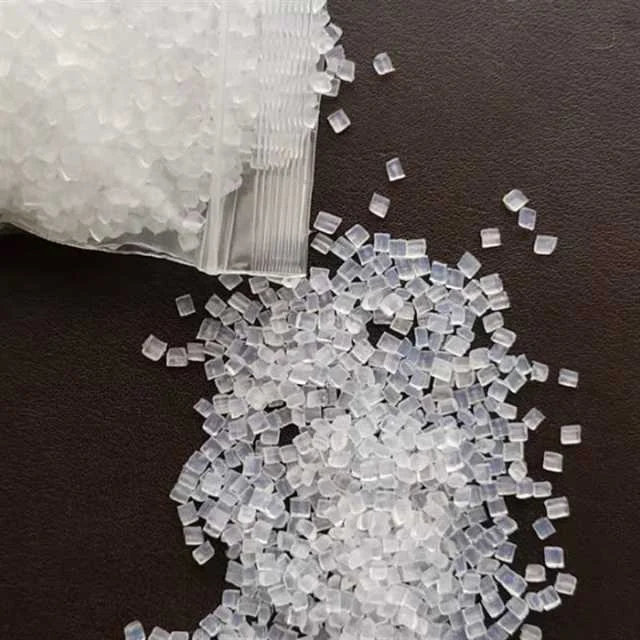
Moisture-barrier seals, low-permeation gaskets
Lowest water-vapor permeation in the fluoropolymer family. Used for precision instrument seals, vacuum components and cryogenic-electronics gaskets.
- PCTFE resin
- Use cases: cryogenic seals, oxygen-service gaskets
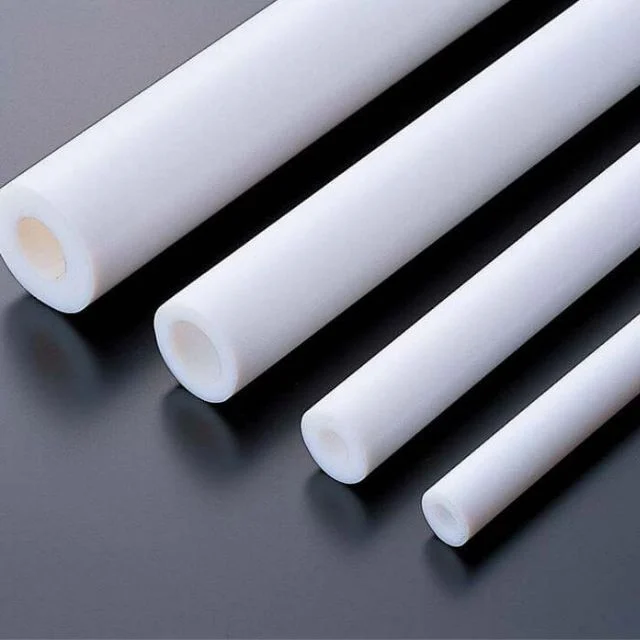
ESD parts, wear pads, cleanroom jigs
Glass, carbon, graphite or MoS₂ filler tunes wear life, surface resistivity and stiffness. Used for anti-static jigs, wafer-handling pads and machined wear surfaces.
- Glass-filled — general wear, dimensional stability
- Graphite-filled — anti-static, conductive surfaces
- Bronze-filled — load-bearing wear pads
- MoS₂-filled — soft mating surface, low wear
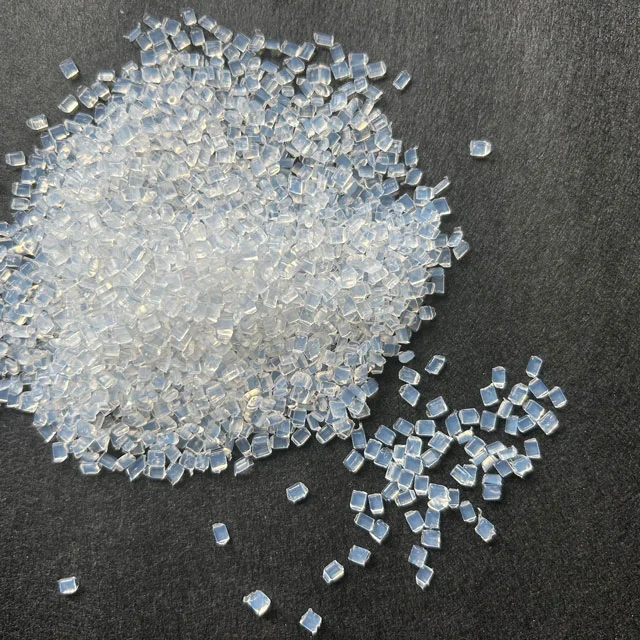
Flexible cable jacketing and optical cladding
Melt-processes far below FEP and stays flexible at tight bend radius, so it jackets cable that has to coil and flex in service. It also carries one of the lowest refractive indices among melt-processable fluoropolymers, which puts it in polymer optical fibre cladding. Lower service temperature than FEP or PFA — not a substitute for plenum-rated or high-temperature constructions.
- THV resin, powder & dispersion overview
- Use cases: flexible cable jacket, low-refractive-index optical cladding, bondable tie layer
Structural connector housings, test sockets
Not a fluoropolymer, but the partner we ship alongside it. PEEK takes the load when filled PTFE creeps — IC test sockets, high-pin connector housings, semiconductor handler parts.
- PEEK material — virgin, glass-filled, carbon-filled
- Stock plate and rod for distributor inventory
Dielectric values at 1 MHz / 1 GHz
Approximate values for grade comparison. Always confirm against your laminate's published Dk / Df sheet.
- PTFE — Dk ≈ 2.1, Df ≈ 0.0002
- ePTFE / foamed FEP — Dk ≈ 1.4–1.7
- FEP — Dk ≈ 2.1, Df ≈ 0.0007
- PFA — Dk ≈ 2.1, Df ≈ 0.0008
- ETFE — Dk ≈ 2.6, Df ≈ 0.005
- PCTFE — Dk ≈ 2.5
Application Gallery
Common electronics use cases we already supply — matched to the material page for grade options and TDS.
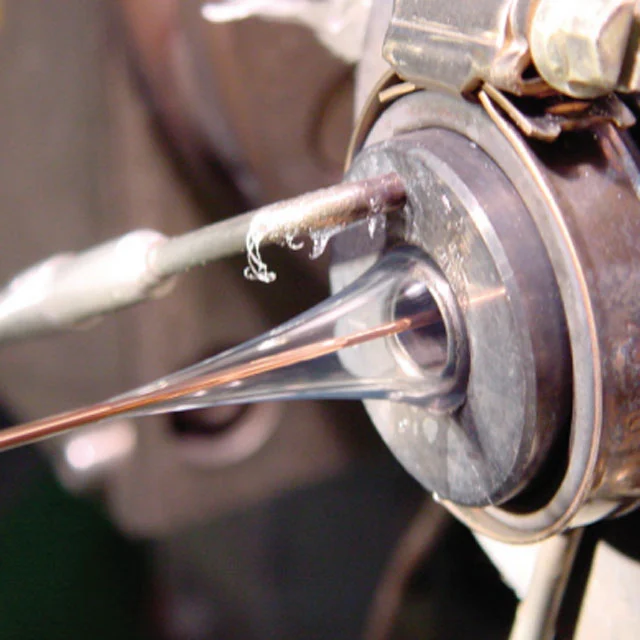
Plenum & LAN cable
FEP jacket and insulation for CMP / CMR plenum cable, high-speed Cat-6A and Cat-7 data.
RF & microwave coax
PTFE tape and foamed FEP dielectric for low-loss RF and 5G mmWave assemblies.
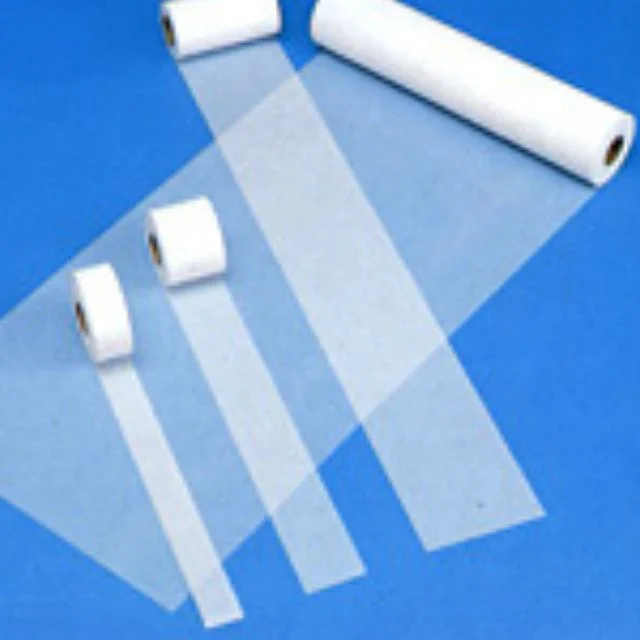
PCB laminate & film
Skived PTFE tape, PFA bonding film and PTFE-impregnated glass fabric for high-frequency boards.
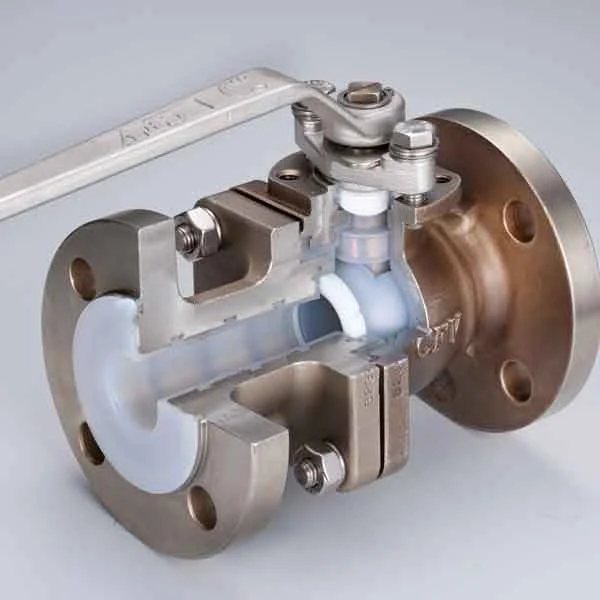
Semicon fluid handling
High-purity PFA tubing, fittings and lined valves for wet bench and chemical delivery.
Heat-shrink & sleeving
FEP and PTFE heat-shrink for component leads, soldering protection and sensor encapsulation.
Connector & ESD parts
Machined PTFE / PEEK insulators, graphite-filled PTFE for anti-static cleanroom jigs.
Quote Checklist — What to Send
Send the items below and we'll return a grade recommendation, lot price, lead time and sample plan within one working day. Missing data is the biggest cause of revised quotes.
- 2D drawing or 3D file (STEP / IGES) with tolerances
- Continuous service and peak processing temperature
- Target Dk / Df, frequency band (for RF / data)
- Conductor gauge and wall thickness (for cable)
- UL / IEC style number (UL94 V-0, CMP, etc.)
- Cleanroom or SEMI grade requirement
- Surface resistivity target (for ESD parts)
- Annual volume and call-off pattern
- MOQ, first-article quantity, sample need
- Stock-size preferences for distributor SKUs
- Packaging, labeling and private-label requirements
- Regulatory targets — RoHS, REACH, halogen-free
Standards & References
The technical references we work with most when reviewing electronics material specifications. We can supply CoA referencing the relevant IPC and IEC methods on request.
SEMI — semiconductor materials standards
SEMI F-57 covers high-purity polymer fluid-handling components for semiconductor processing. We supply PFA grades aligned with SEMI F-57 purity targets on request.
IPC — PCB & assembly standards
IPC-4101 (rigid laminate), IPC-4204 (flexible) and IPC-A-610 (acceptance). Useful when matching PTFE / PFA film and laminate against your fab's qualification list.
UL — flammability & cable safety
UL94 flammability classes (V-0, V-1, 5VA), UL 910 / NFPA 262 plenum, UL 758 appliance wiring. Standard reference for FEP and ETFE cable jacketing.
IEC & ASTM — international test methods
IEC 60684 (insulating sleeving), IEC 60851 (winding wire), ASTM D150 (Dk / Df), ASTM D257 (resistivity). We CoA against these on request.
Electronics Fluoropolymer FAQ
For a Cat-6A / Cat-7 plenum cable, do I need FEP or can ETFE work?
FEP is the default for CMP plenum because it passes UL 910 / NFPA 262 with the right wall design and has a stable, low Df for high-speed data. ETFE meets riser-rated builds (CMR) but typically loses to FEP on plenum-class smoke and flame metrics. Use ETFE where you need thin-wall mechanical strength rather than plenum approval.
What's the difference between paste-extruded PTFE and FEP for coaxial dielectric?
PTFE (paste-extruded from fine powder) gives the lowest Dk and Df, but the line is slow and runs at PTFE sintering temperatures. FEP is melt-extruded — faster, lower cost, and foamable for sub-2.0 Dk — but Df is slightly higher than skived-tape PTFE. RF / mmWave assemblies pick PTFE; volume LAN and coax production favors foamed FEP.
Do you supply SEMI F-57-grade PFA for wafer carriers and chemical delivery?
Yes. We ship high-purity PFA with low TOC and metallic-ion content suitable for SEMI F-57 components — wafer carriers, FOSB shells, chemical lines, lined valves. Share your purity spec (TOC ppb, metallic ions per element) and we'll match the grade and CoA against it.
Why pick PFA instead of PTFE for a high-temp connector body?
PFA is melt-processable, so connector bodies can be injection-molded with sharper features and tighter tolerances than machined PTFE. PFA also resists creep better than PTFE under bolt or pin retention load. Use PTFE when the part is purely machined and the lowest possible Dk matters; use PFA when the part is molded and survives 260 °C reflow.
How do I get an anti-static (ESD) PTFE part?
Use graphite-filled PTFE or carbon-filled PTFE — surface resistivity drops into the 10⁴–10⁹ Ω range depending on filler load. Tell us the target resistivity and the geometry; we'll quote the right fill ratio and machinable rod or sheet stock.
Can you ship in private-label packaging for distributors?
Yes — packaging, labeling and CoA can be private-labeled. We've shipped OEM-brand PTFE rod, PEEK plate and FEP cable resin to electronics distributors in Europe and North America. Share your label artwork and packaging spec with the inquiry.
What's a realistic lead time and sample policy?
Standard grades ship in 7–15 days from stock. Validation samples (resin, dispersion, film coupons, machined rod) usually leave in 3–7 days. For first-article moldings or skived film cut to drawing, allow 2–4 weeks depending on form and tolerance.
Technical Support for Electronics Material Selection
Specifying fluoropolymers for electronics raises real engineering questions — dielectric constant and loss, thin-wall extrusion, thermal and RF performance. Our technical library shares practical, hands-on guidance from the Peflon materials team.
How to Choose PEEK for High-Temperature Parts
HDT reads like a service temperature. It isn't. Here's how Tg, Tm, HDT, and RTI really set PEEK's heat limits — and how to pick the right grade.
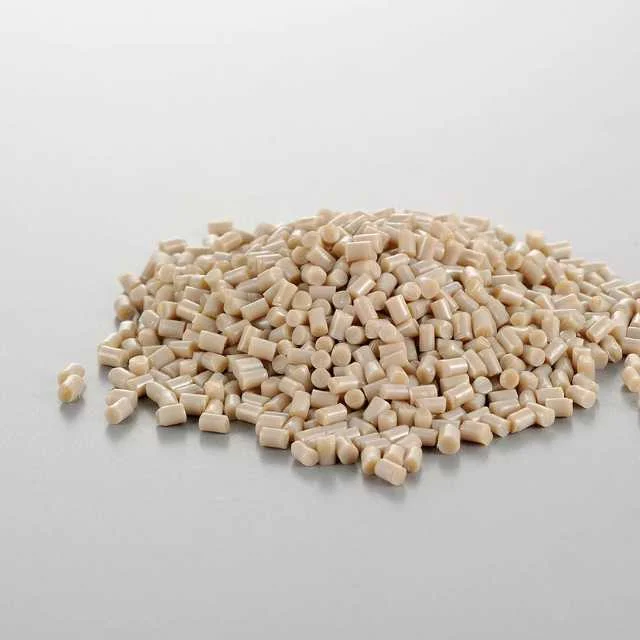
PEEK Material Processing Guide
Learn how to process PEEK material correctly. This guide covers common PEEK extrusion, injection molding, compression molding, 3D printing, and machining defects with practical troubleshooting tips.
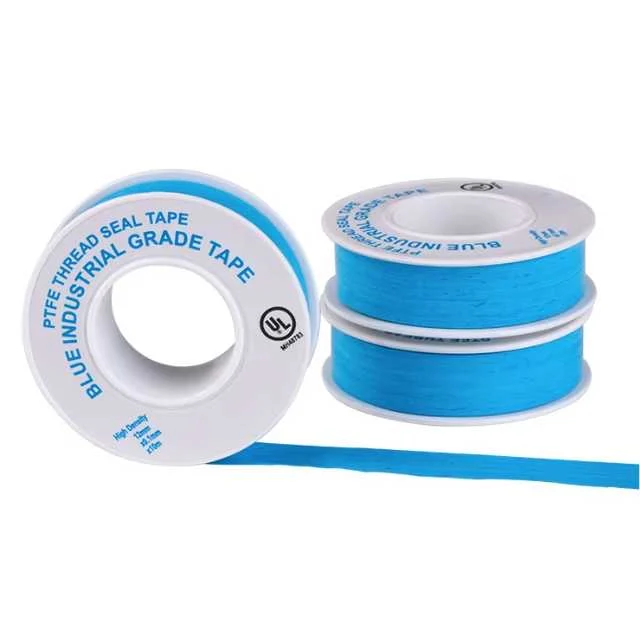
Blue vs White PTFE Thread Seal Tape: Differences, Uses, and How to Choose
Compare blue vs white PTFE thread seal tape by density, pressure rating and application — a technical guide to choosing the right tape for your job.
Need a recommendation for a specific electronics component?
Send the drawing, electrical target and target volume. You'll get a grade recommendation, sample plan, lot price and lead time — no scripted sales follow-up.