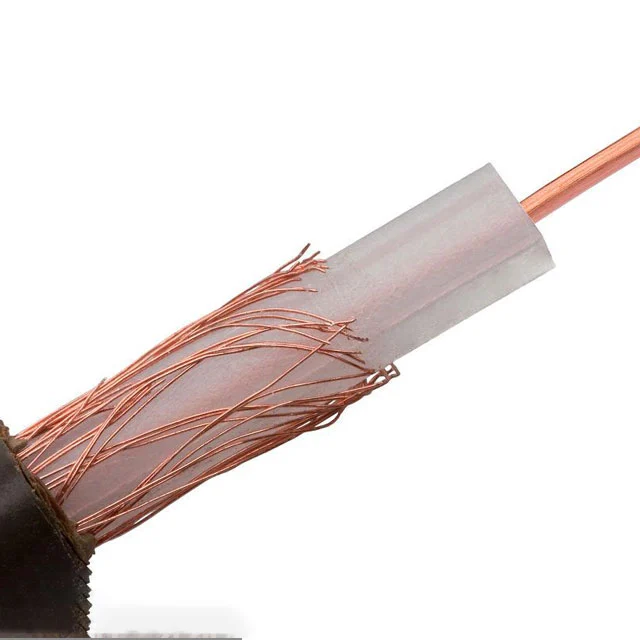
High-Speed Data & Coaxial Cable
Use FEP when you need clean melt extrusion, stable insulation thickness and reliable electrical performance.
Likely fit: FEP

Start with the cable you are making, the temperature it must survive, and how it will run on your extrusion line. Peflon helps cable manufacturers match FEP, ETFE, PFA and PTFE grades to real production conditions.
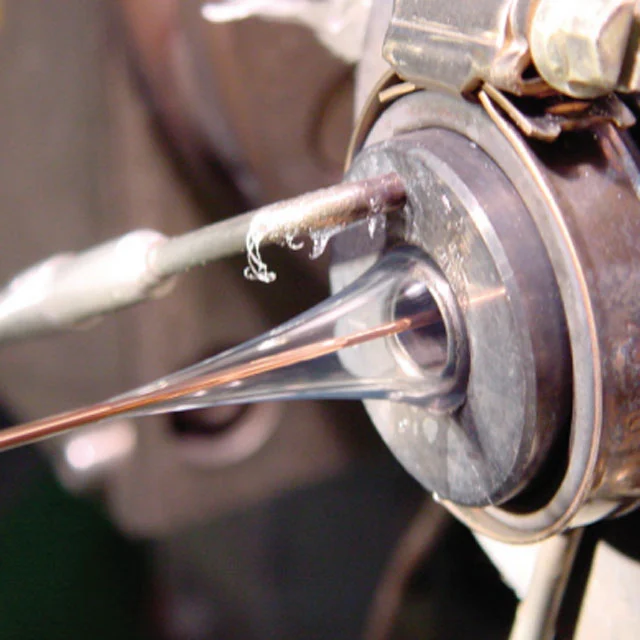
No single fluoropolymer is best for every cable. The right grade depends on dielectric needs, temperature, flexibility, flame requirements, chemical exposure and how thin the insulation wall will be.
Use FEP when you need clean melt extrusion, stable insulation thickness and reliable electrical performance.
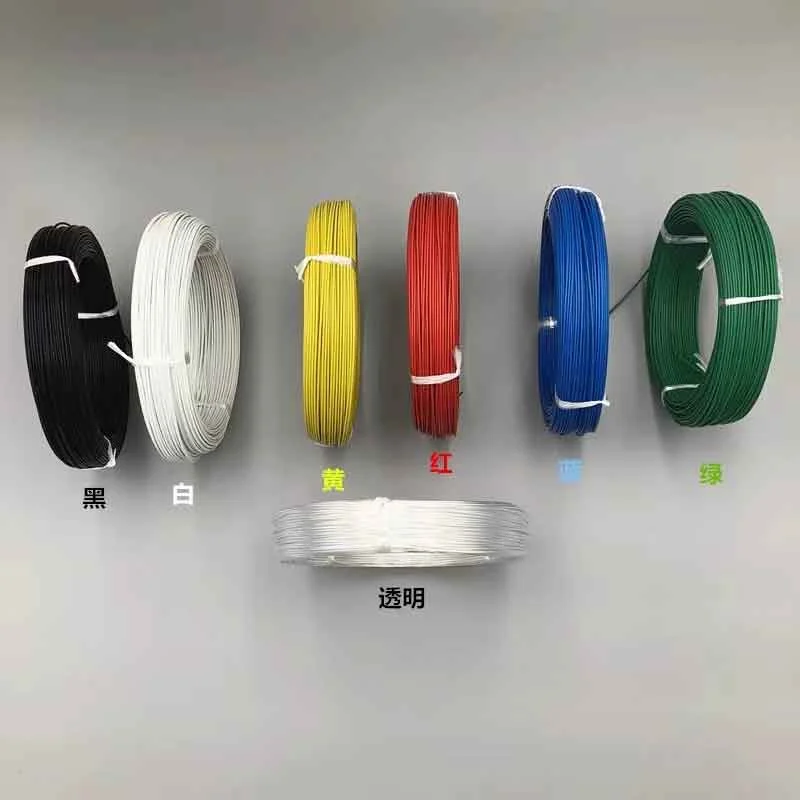
Use ETFE where thin walls, abrasion resistance and outdoor durability are part of the design target.
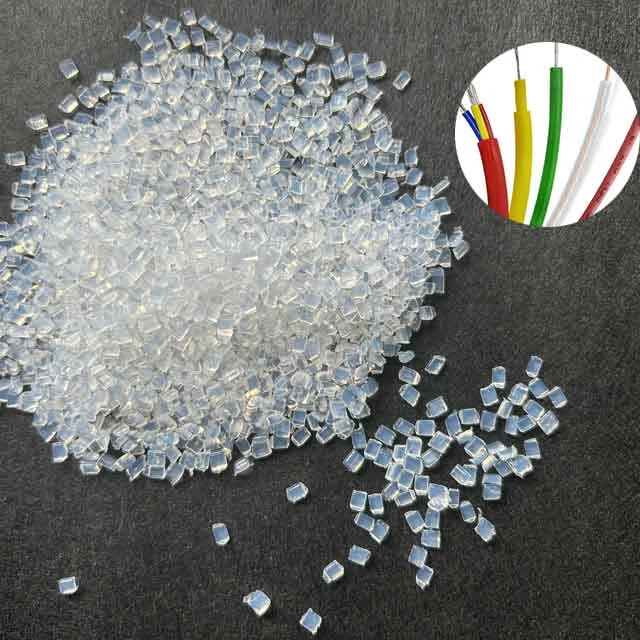
Use FEP or PFA depending on continuous service temperature, chemical contact and final cable testing.
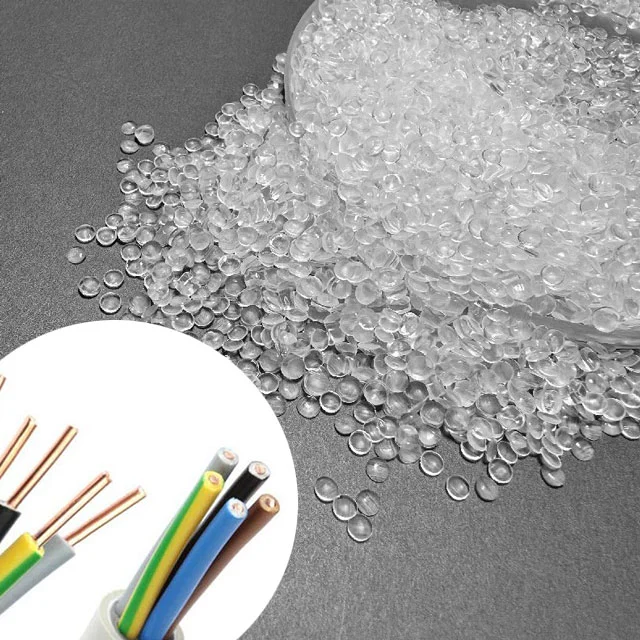
Use PTFE fine powder when the process is paste extrusion or when the design needs PTFE insulation behavior.
Use this table as a first pass. For final selection, send your cable structure and processing notes so the grade can be checked against your line and test standard.
| Cable Need | Recommended Path | Why It Fits | What to Confirm |
|---|---|---|---|
| Coaxial, LAN, plenum, tray and control cable | FEP for cable / wire | Melt-processable resin with MFR options from 2.0 to 32 g/10 min and service temperature from −80 to 200 °C. | Conductor size, wall thickness, line speed, target MFR and flame / smoke requirement. |
| Automotive, EV, sensor and outdoor cable | ETFE resin | Good mechanical strength, abrasion resistance and weatherability for thin-wall cable designs. | Flex life, abrasion target, color, voltage rating and automotive standard. |
| High-temperature or chemical-exposed cable | PFA resin | Useful when the design needs higher long-term temperature resistance, chemical resistance or purity. | Operating temperature, chemical media, jacket thickness and processing temperature window. |
| PTFE sleeving, tape, hose and coaxial paste extrusion | PTFE fine powder | Chosen for PTFE paste extrusion and insulation parts where melt extrusion is not the process. | Reduction ratio, lubricant system, preform size and sintering conditions. |
| Low-density dielectric or lightweight insulation | Foamed FEP resin | Used when the cable design needs lower weight or controlled foamed insulation structure. | Foaming method, target density, dielectric target and extrusion setup. |
A cable grade cannot be chosen only from a product name. These details help avoid wrong MFR, unstable extrusion and failed trials.
Tell us the cable type, conductor size, insulation or jacket thickness, and whether the part is solid or foamed.
Share extrusion temperature range, screw information, target output, current grade if any, and the problem you want to solve.
List temperature, chemicals, flexing, abrasion, flame / smoke standard and any REACH, RoHS or customer document request.
We do not treat wire and cable as one bucket. A grade that runs well on thick jacketing may not be the right answer for thin-wall insulation or high-speed data cable.
For FEP cable extrusion, the resin must match wall thickness, output and drawdown. Too low or too high can both create problems.
FEP covers many cable jobs. PFA or ETFE may be better when the design pushes heat, chemicals, abrasion or outdoor service.
Resin data helps selection, but flame, smoke, voltage and flex tests depend on the full cable construction.
Samples, TDS, SDS and compliance documents can be prepared before your plant trial.
MFR 2.0–32 g/10 min, used for insulation and jacketing in many cable types.
Learn MoreFor lightweight insulation and dielectric designs where foaming control matters.
Learn MoreOften used for thin-wall, automotive, outdoor and abrasion-resistant cable designs.
Learn More
For paste extrusion processes such as PTFE sleeving, hose, tape and insulation parts.
Learn MoreLooking for a quality-matched, cost-effective alternative to a major FEP / ETFE / PFA cable resin brand? Peflon supplies equivalent grades to OEM cable manufacturers worldwide.
| Brand | Series / Product | Typical Peflon Equivalent |
|---|---|---|
| Chemours Teflon™ FEP | FEP 100 / 4100 / 5100 / 9494 | Peflon FEP for Cable / Wire · Custom MFR |
| Daikin NEOFLON™ | NEOFLON FEP NP-30 / 40 / 101 · EP-541 ETFE | Peflon FEP & ETFE Cable Resin |
| 3M Dyneon™ | FEP 6300 / ETFE ET-6235 / ET-6240 | Peflon FEP / ETFE for Cable |
| Solvay / Syensqo Halar® | Halar ECTFE / Hyflon® PFA / Hyflon MFA | Peflon PFA Cable Resin |
| AGC Fluon® | Fluon ETFE LM-720AP / FEP NP-101 | Peflon ETFE Resin / FEP Cable Resin |
| Generic industrial cable resin | Various private-label OEM | Peflon Custom OEM Cable Resin |
Teflon™, NEOFLON™, Dyneon™, Halar®, Hyflon® and Fluon® are trademarks of their respective owners. Peflon is an independent manufacturer of equivalent FEP, ETFE, PFA and PTFE cable resins and supplies OEM / private-label customers worldwide.
For many extrusion jobs, FEP is the first material to check because it is melt-processable and widely used in cable insulation and jacketing. ETFE, PFA or PTFE may be better depending on abrasion, temperature, chemical exposure and processing method.
Start with the wall thickness, conductor size, line speed and drawdown ratio. A higher MFR is not automatically better. Share your current grade and extrusion conditions, and Peflon can suggest a closer starting point for trial.
Sometimes yes, but ETFE is often checked for thin-wall automotive and EV cable when abrasion resistance and mechanical strength are important. The final choice depends on the cable standard and test plan.
Yes. Send the current grade name, TDS if available, target MFR, application and any trial issues. We can map a comparable Peflon grade and prepare samples for line testing.
Choosing a fluoropolymer for cable insulation and jacketing raises real questions — dielectric performance, extrusion behavior, temperature rating and standards. Our technical library shares practical guidance from the Peflon materials team.
Introduction: The Importance of FEP Material and Extrusion Processing FEP Material Characteristics and Extrusion Challenges Core Technical Requirements of FEP Extruders Application Areas of FEP Extruded Products How…
Compare PFA and PTFE from a processing engineering perspective. Learn how melting behavior, equipment needs, and scrap risk affect real production decisions.
Learn what PVDF (polyvinylidene fluoride) is, its key properties, common applications, grade selection tips, and how buyers in chemical, manufacturing, and procurement roles choose the right material.
Send your cable type, wall thickness, process, working temperature and standard requirements. Peflon will recommend a practical material path and provide TDS, SDS and samples for evaluation.