
Fluoropolymer Materials for Cable Manufacturers
For cable factory R&D, supply chain, QA and purchasing teams choosing FEP, ETFE, PFA or PTFE for insulation, jacketing, foamed dielectric and high-temperature cable production.
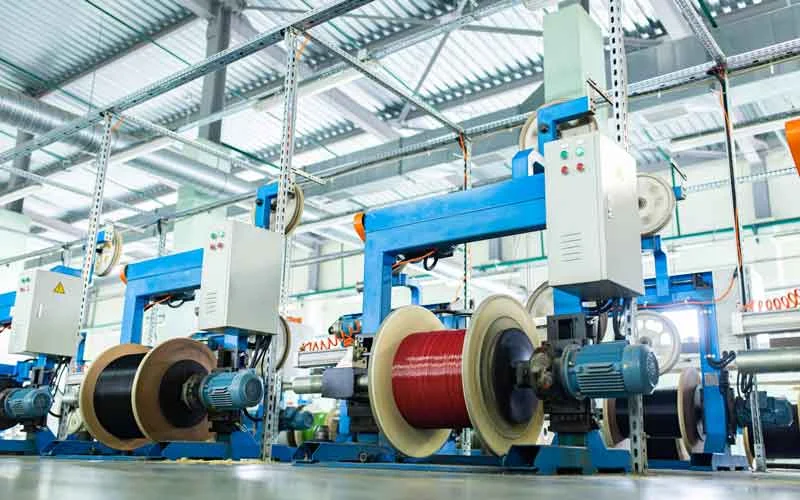
Built for cable factories, not retail buyers
This page helps industrial teams decide what material to test first, what data to send for quotation, and what documents to confirm before trial or bulk order.
R&D Engineers
Compare FEP, ETFE, PFA and PTFE by cable type, service temperature, extrusion method and final test plan.
Supply Chain
Shortlist stable materials for repeat orders, backup sourcing, cost review and controlled lead time.
QA Teams
Check TDS, SDS, lot data, REACH/RoHS statements and whether the resin supports the cable standard you need.
Buyers & Distributors
Decide which cable materials are worth stocking: FEP cable resin, ETFE resin, PTFE fine powder and PFA resin.
Start with the cable, then choose the resin
A resin name alone is not enough. A thin-wall automotive cable, foamed coaxial dielectric and high-temperature ignition wire can all use fluoropolymers, but they do not need the same grade.
- For melt extrusionCheck FEP cable resin, ETFE resin or PFA resin by MFR, melt strength, wall thickness and line speed.
- For foamed dielectricCheck foamed FEP resin when the cable needs lower density, stable cell structure and controlled electrical performance.
- For PTFE paste extrusionCheck PTFE fine powder when the process is paste extrusion for sleeving, tube, hose, tape or PTFE insulated constructions.
- For QA approvalConfirm TDS, SDS, COA, lot traceability and REACH/RoHS/FDA compliance before production trial.
First-pass material choice for cable production
Use this as a practical starting point. Final grade selection should be checked against your drawing, line conditions and customer test standard.
| Working condition / cable type | Recommended material | Why it fits | Confirm before order |
|---|---|---|---|
| Coaxial, LAN, plenum, tray and control cable | FEP for cable / wire | Melt-processable, stable for many insulation and jacketing lines, with MFR options for different wall thickness and output targets. | Conductor size, wall thickness, line speed, target MFR, flame/smoke test and current grade. |
| Foamed insulation and low-density dielectric | Foamed FEP resin | Useful when weight, dielectric behavior and controlled foam structure matter in signal cable designs. | Foaming method, target density, capacitance target, extrusion tooling and trial plan. |
| Automotive, EV, sensor and outdoor cable | ETFE resin | Good mechanical strength, abrasion resistance and weatherability for thin-wall or rugged cable designs. | Temperature class, abrasion target, flex test, color, voltage rating and automotive standard. |
| High-temperature or chemical-exposed cable | PFA resin | Consider PFA when the design needs higher long-term heat resistance, chemical resistance or purity than standard FEP routes. | Operating temperature, chemical media, jacket thickness, purity need and processing temperature window. |
| PTFE sleeving, hose, tape and paste-extruded insulation | PTFE fine powder | Chosen when the manufacturing route is PTFE paste extrusion rather than melt extrusion. | Reduction ratio, lubricant system, preform size, extrusion pressure and sintering conditions. |
| Flexible, tight-bend-radius jacketing on lines that cannot run perfluoropolymer temperatures | THV material | Melts far below FEP or PFA, so it jackets and co-extrudes with PE, PP or TPE on the same line, and stays flexible at tight bend radius. | Continuous service temperature (lower than FEP/PFA), bend radius, co-extruded layer resin, flame requirement and target MFR. |
| Distributor stock and factory backup supply | FEP, ETFE, PTFE fine powder | Common cable material families that can support stock programs, sample requests and repeat orders. | MOQ, packaging, shelf/storage condition, private label, lead time and documents per shipment. |
Peflon materials commonly checked by cable manufacturers
These links are the fastest way for engineers and buyers to compare product pages before sending a drawing or trial request.
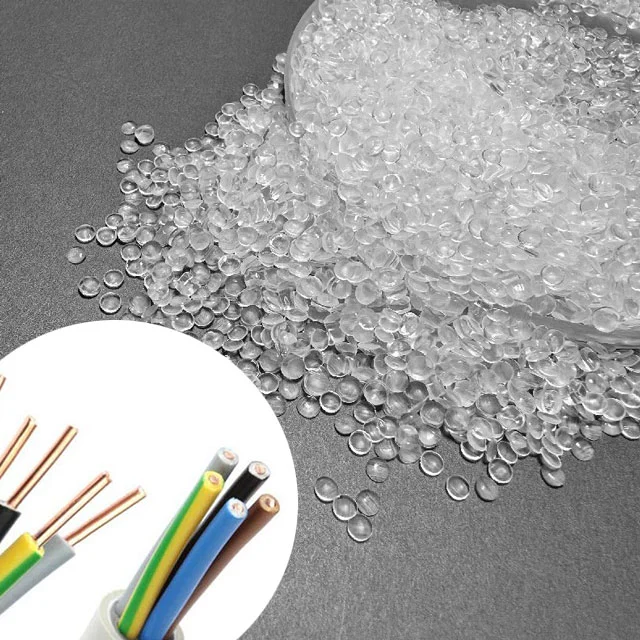
FEP for cable/wire
For insulation and jacketing in coaxial, LAN, control, plenum, heating and general cable lines.
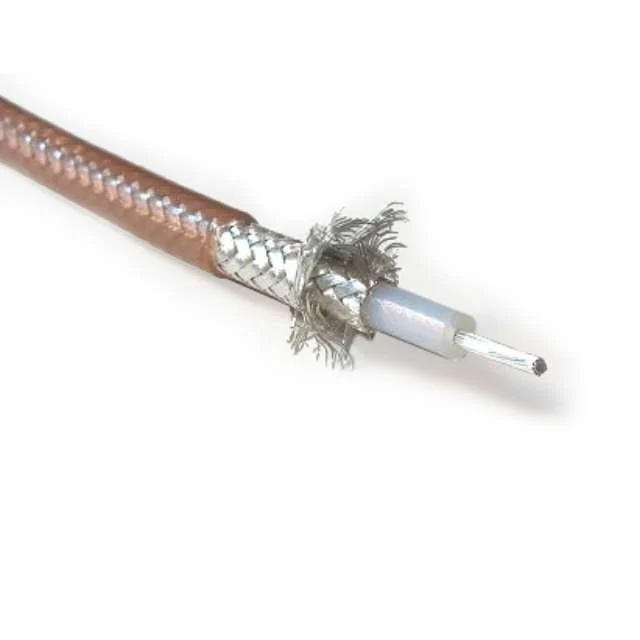
Foamed FEP Resin
For low-density insulation, signal cable and dielectric designs that need controlled foaming.
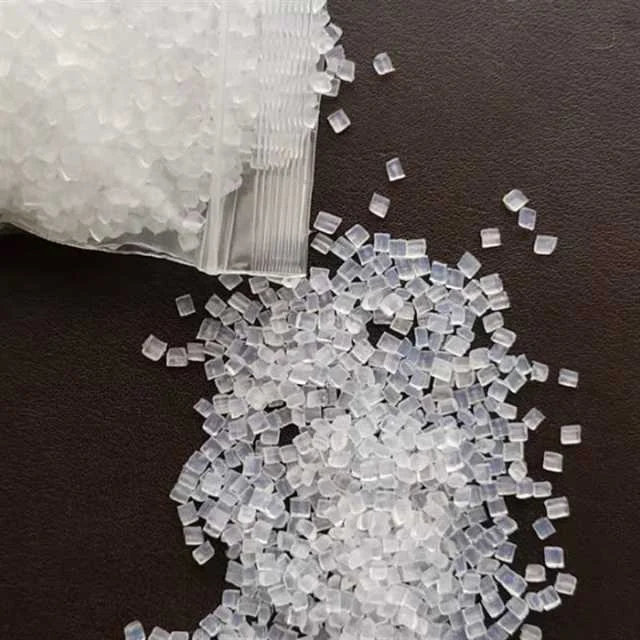
ETFE RESIN
For thin-wall, automotive, outdoor and abrasion-resistant cable constructions.
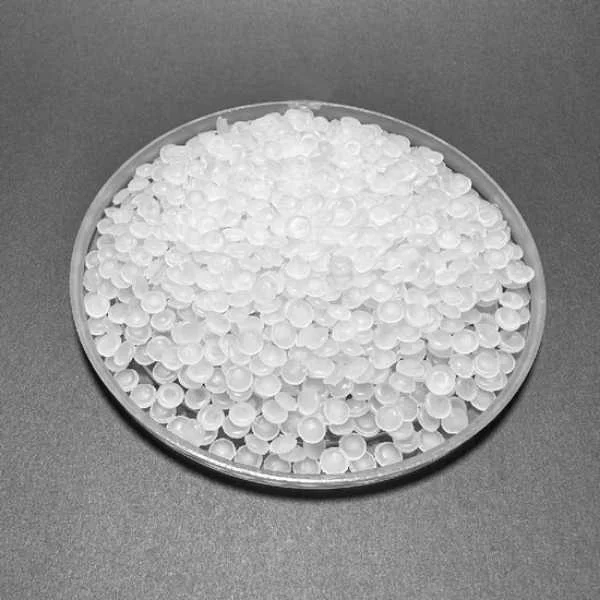
PFA Material Supplier | Peflon
For higher temperature, chemical exposure and demanding insulation or jacket requirements.
Typical cable applications to discuss with Peflon
Send the closest application type with your inquiry. It helps Peflon recommend a realistic starting grade instead of a generic resin.
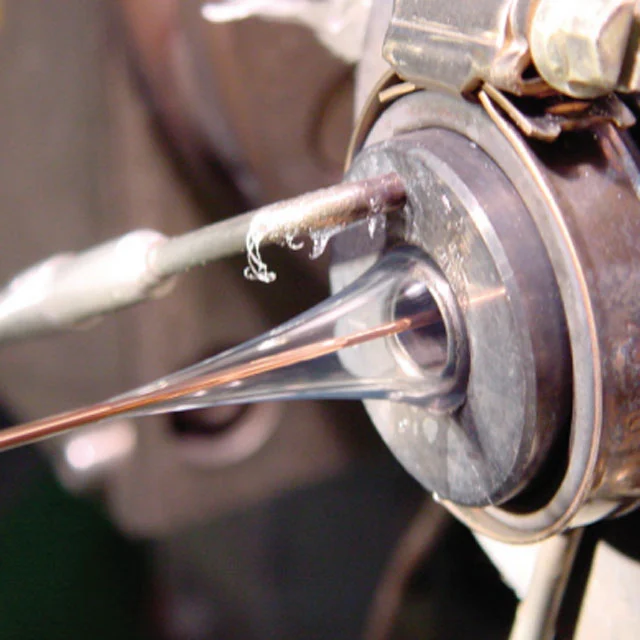
Extruded insulation
FEP, ETFE or PFA selected by wall thickness, drawdown, temperature and surface requirement.
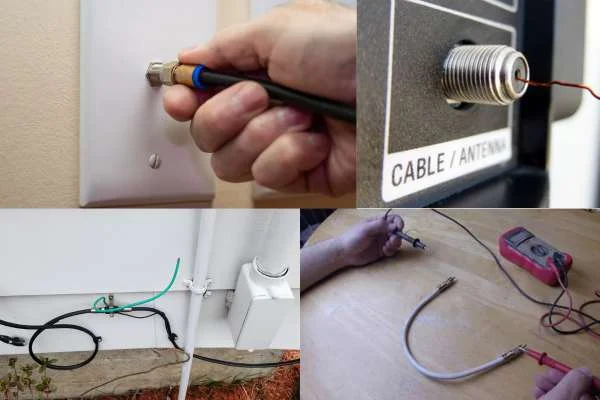
Coaxial cable
Solid or foamed fluoropolymer insulation for signal, RF and data transmission applications.
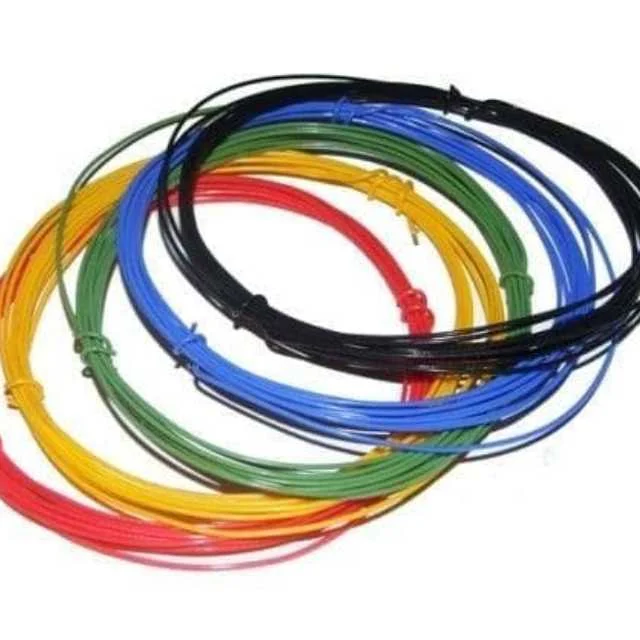
PTFE wire designs
PTFE fine powder selection depends on paste extrusion process, reduction ratio and sintering.
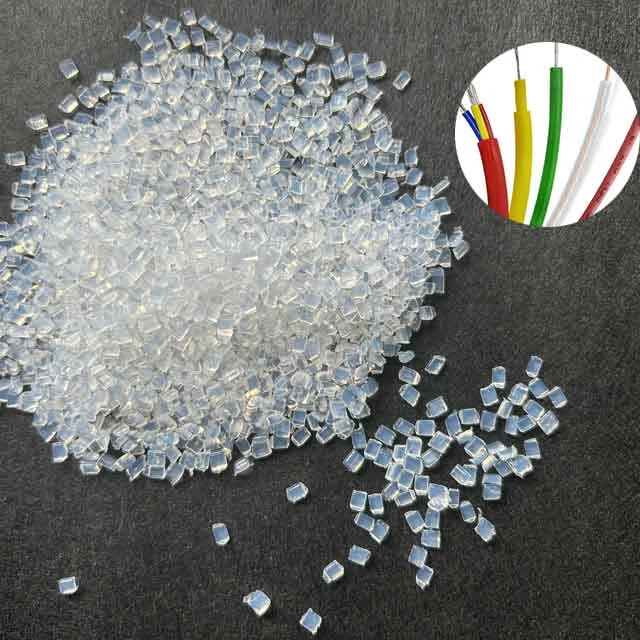
Ignition and heating cable
Material choice depends on continuous temperature, flame requirement, flexibility and chemical exposure.
What to send for a useful quotation
The more complete the first message, the faster the recommendation. A drawing or current TDS is very helpful.
1. Cable design
Cable type, conductor size, insulation or jacket thickness, solid or foamed structure, and target voltage or signal requirement.
2. Process details
Extrusion or paste extrusion, current grade, MFR target, line speed, tooling, extrusion temperature and trial problem.
3. Working condition
Temperature, chemical exposure, flexing, abrasion, outdoor use, flame/smoke requirement and final cable standard.
4. Buying plan
Sample quantity, monthly or annual usage, MOQ expectation, lead time target, packaging and repeat-order schedule.
5. QA documents
Ask for TDS, SDS, COA, REACH/RoHS statement, lot traceability and any customer-specific document format.
6. Distributor needs
Share stock sizes, private label needs, shelf-life control, regional demand and whether you need a matched alternative grade.
How cable factories usually place a trial order
Peflon can support early selection, sample testing and repeat supply. Final approval should be based on your own extrusion trial and finished cable tests.
Step 1: Send requirement
Send drawing, current resin grade, target standard, process notes and expected purchase volume.
Step 2: Grade suggestion
Peflon checks likely resin family, MFR range, sample availability and related documents.
Step 3: Plant trial
Run the sample on your line and review extrusion stability, surface, thickness, electrical and mechanical results.
Step 4: Bulk supply
Confirm packaging, MOQ, lead time, COA format, shipment documents and repeat order forecast.
Useful external references for cable material decisions
These references do not replace your customer specification, but they help R&D and QA teams frame material and cable testing questions.
UL Solutions Wire & Cable
Useful for understanding wire and cable certification, marking and safety evaluation context.
ASTM D2116
ASTM specification reference for FEP resin molding and extrusion materials.
ISO 14572:2011
ISO reference for road vehicle round sheathed 60 V and 600 V screened or unscreened cables.
Questions cable factories ask before sampling
Which material should a cable manufacturer test first?
For many melt-extruded cable insulation and jacket projects, start with FEP. For thin-wall automotive or outdoor cable, check ETFE. For higher heat or chemical exposure, check PFA. For paste extrusion, check PTFE fine powder.
Can Peflon match our current FEP cable resin grade?
Yes. Send the current grade name, TDS if available, target MFR, cable structure and current extrusion issue. Peflon can suggest a comparable grade for line trial.
What information does QA need before approving a trial?
Ask for TDS, SDS, COA, lot number, REACH/RoHS statement and any agreed test method. Final approval still depends on your finished cable tests.
Is FEP always the best material for automotive cable?
No. FEP is useful for many cable lines, but ETFE is often checked when thin-wall design, abrasion resistance and mechanical strength are key requirements.
Can distributors buy cable materials for stock?
Yes. Common stock candidates include FEP cable resin, ETFE resin and PTFE fine powder. Share target market, monthly demand, packaging preference and private label needs.
Can Peflon provide samples before bulk order?
Yes. Send the application, target grade or current grade, sample quantity and shipping details. Peflon can prepare samples and related documents for evaluation.
Technical Support for Wire & Cable Material Selection
Choosing a cable resin raises real process questions — FEP extrusion line requirements, PFA vs PTFE differences, and where PVDF fits. Our technical library shares practical guidance from the Peflon materials team.
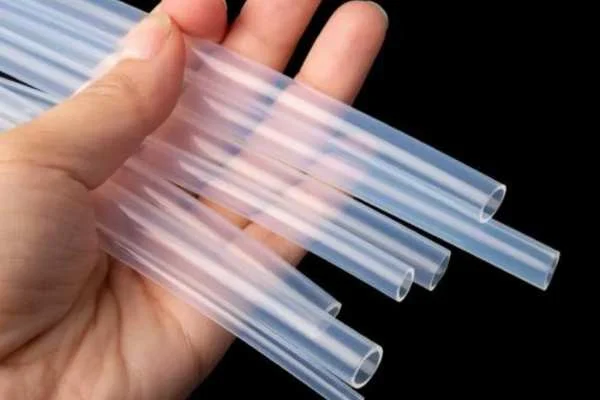
FEP Extrusion Machine Requirements: A Comprehensive Guide
Introduction: The Importance of FEP Material and Extrusion Processing FEP Material Characteristics and Extrusion Challenges Core Technical Requirements of FEP Extruders Application Areas of FEP Extruded Products How…
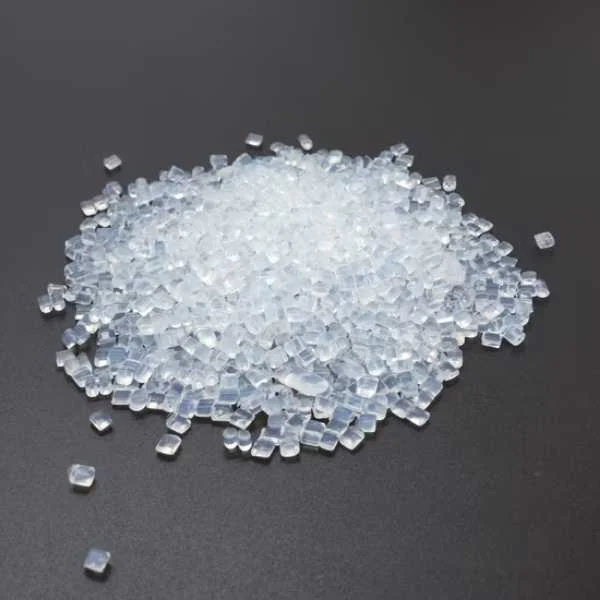
PFA vs PTFE: What’s the Difference
Compare PFA and PTFE from a processing engineering perspective. Learn how melting behavior, equipment needs, and scrap risk affect real production decisions.
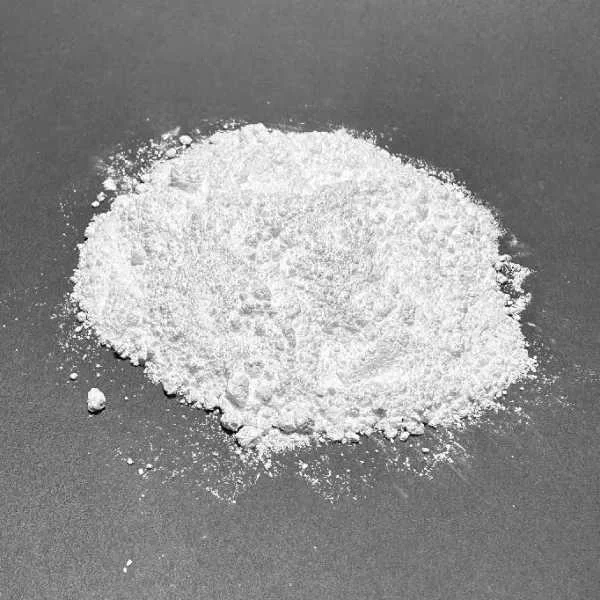
PVDF Explained: Properties, Uses, and How to Select the Right Grade
Learn what PVDF (polyvinylidene fluoride) is, its key properties, common applications, grade selection tips, and how buyers in chemical, manufacturing, and procurement roles choose the right material.
Finished PTFE-insulated wire
Buying wire rather than resin? Peflon also supplies finished PTFE-insulated wire built from its own material.
View PTFE wireFinished coaxial cable
Peflon also builds finished coaxial cable, including foamed-FEP low-loss constructions, from the same resin.
View coaxial cableSend your cable requirement for material selection
Tell us the cable type, wall thickness, process, working temperature, current grade and standard requirement. Peflon will recommend a practical material path and prepare TDS, SDS and sample options.