THV Fluoropolymer
THV Material supplier in China — pellet, powder and dispersion forms for extrusion, lamination, coating and casting. Clear, flexible, strong fuel / chemical barrier.
- Grade Matching & Pilot-Lot Samples for Line Trials
- Sample available for test.
- Process Recipes for Extrusion, Lamination & Coating
What is THV Fluoropolymer?
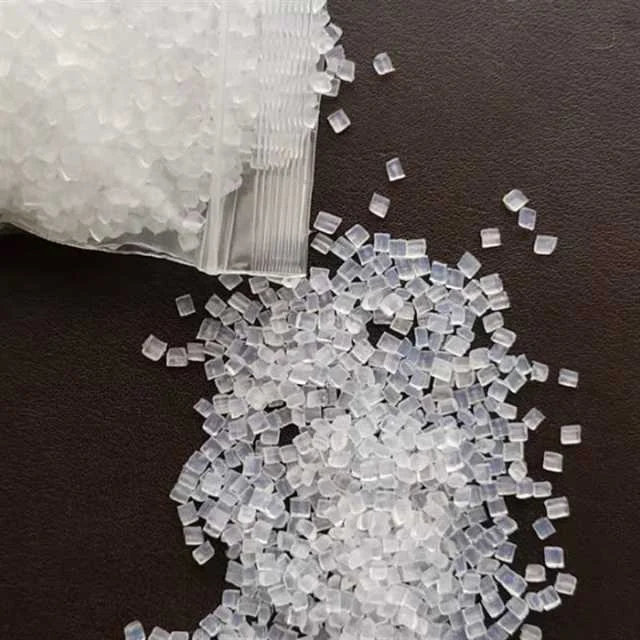
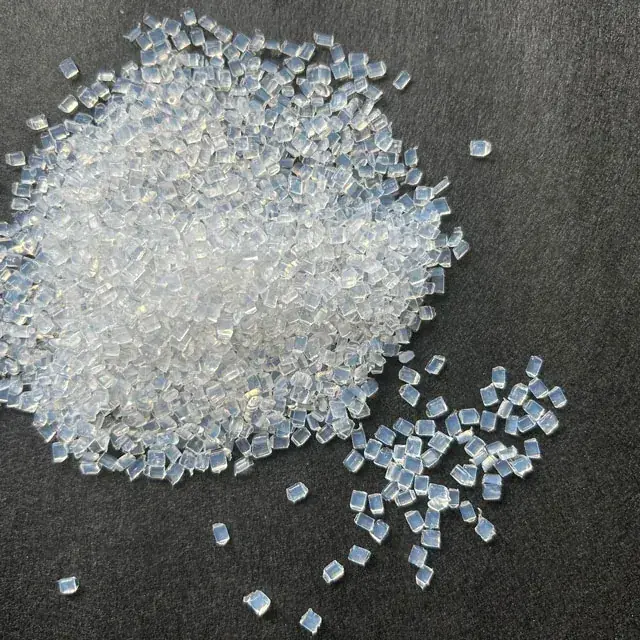
Peflon THV material is a terpolymer of tetrafluoroethylene (TFE), hexafluoropropylene (HFP) and vinylidene fluoride (VDF) — the flexible member of the fluoropolymer family, delivering optical clarity, a low melt window and a strong fuel / chemical barrier. Pick pellet, powder or dispersion forms to match extrusion, casting, coating or lamination.
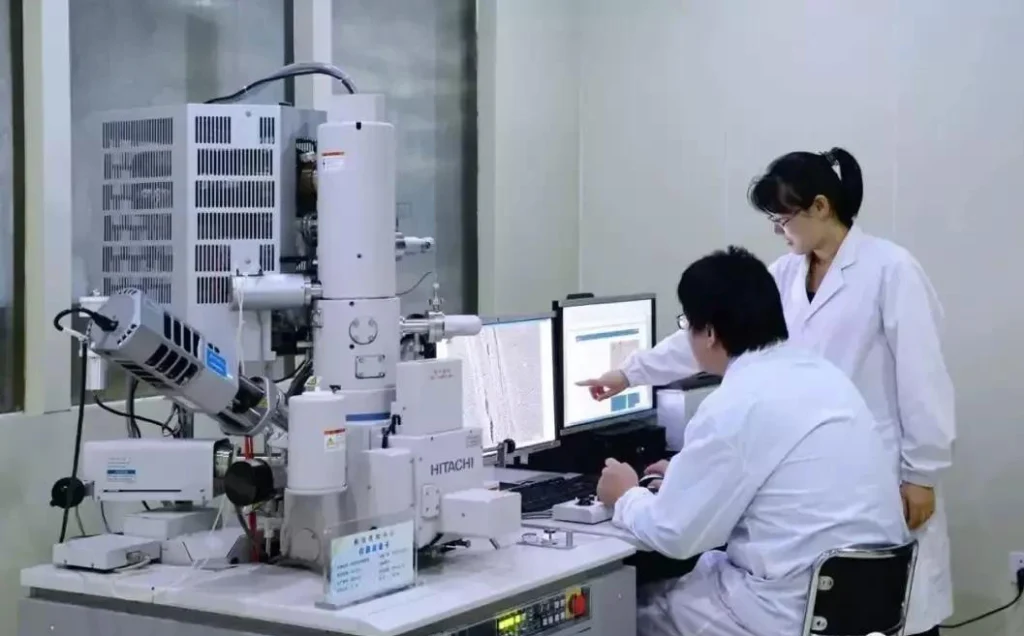
Grades are separated by melt-flow rate — the extrusion-plastometer measurement defined in ASTM D1238 — and by melting point; together those two numbers decide whether a grade suits melt extrusion, low-temperature co-extrusion, or a powder / dispersion route. Dedicated production lines produce stable batches to your spec with COA, process guides and validation documentation — used in multilayer fuel hose barrier layers, cable jackets, safety-glazing films and coated fabrics.
Peflon THV Polymer Forms
Three product forms for extrusion, molding, coating and lamination. THV fluoropolymer runs at lower melt temperatures with high clarity and strong chemical resistance.
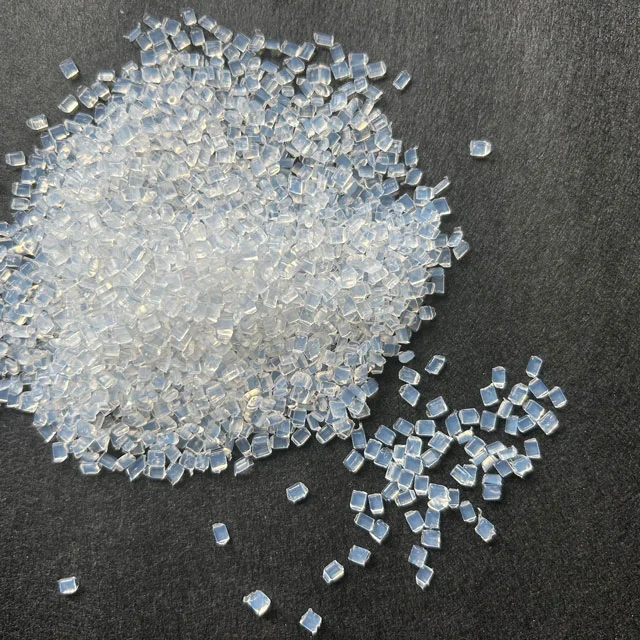
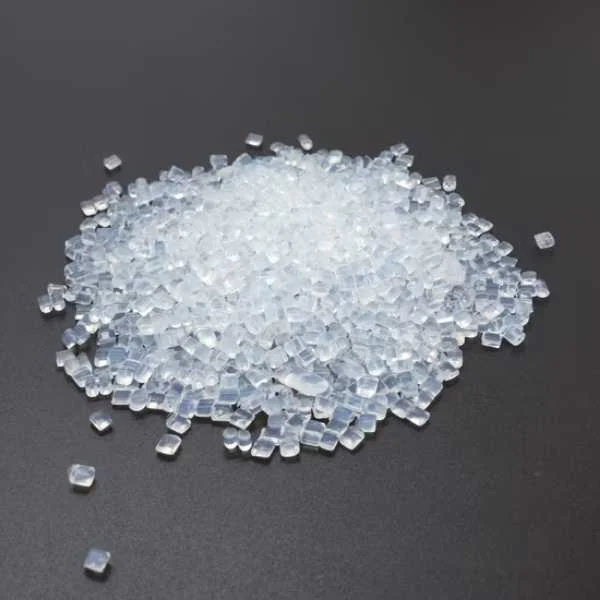
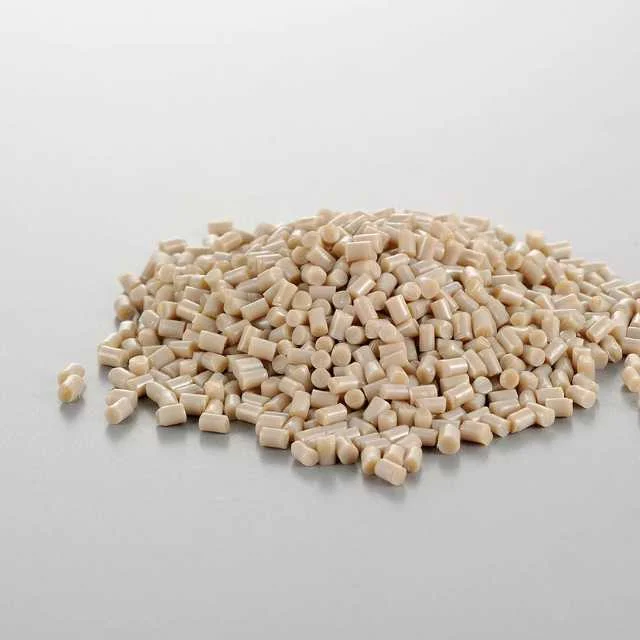
THV Resin (Pellets)
For extrusion or injection molding — flexibility, transparency and fuel-barrier performance for multilayer hoses, tubes and cable jackets. Key benefits: consistent melt flow, easy co-extrusion with PE/TPE, clean color stability.
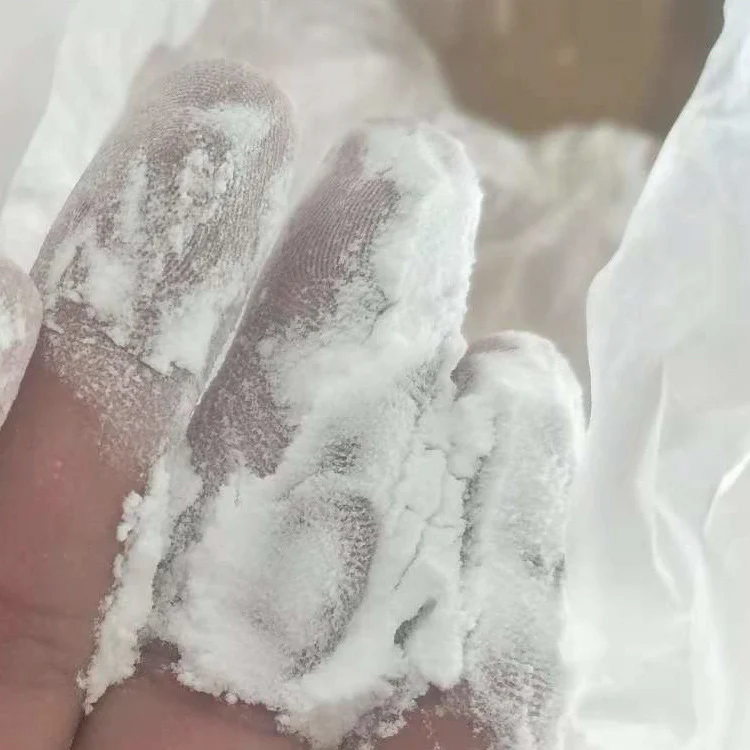
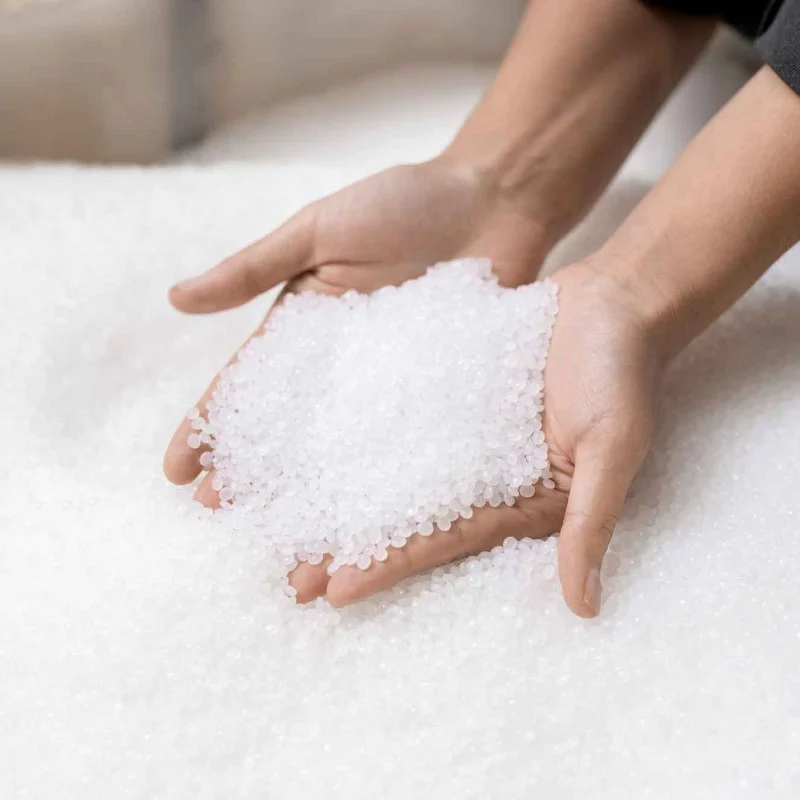
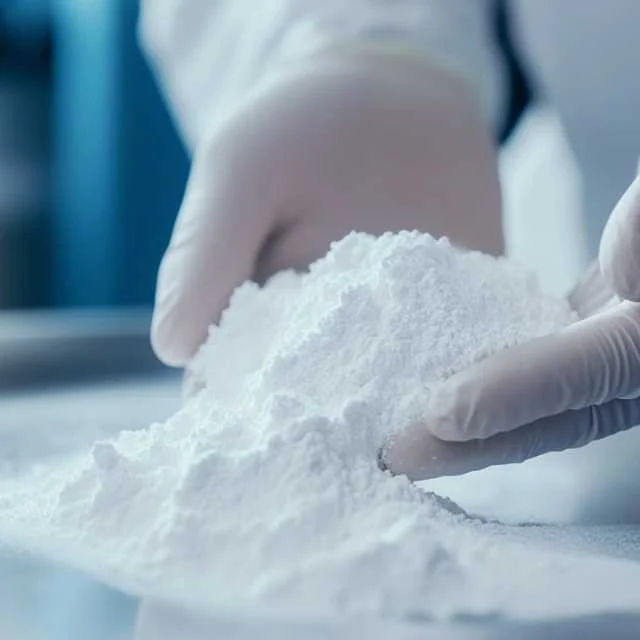
THV Powder (Fine Grade)
Smooth dispersion and thin-film control — ideal for casting clear laminates, coating glass and composite sheets where optical quality matters. Key benefits: tight particle-size distribution, low haze, strong bonding to base layers.
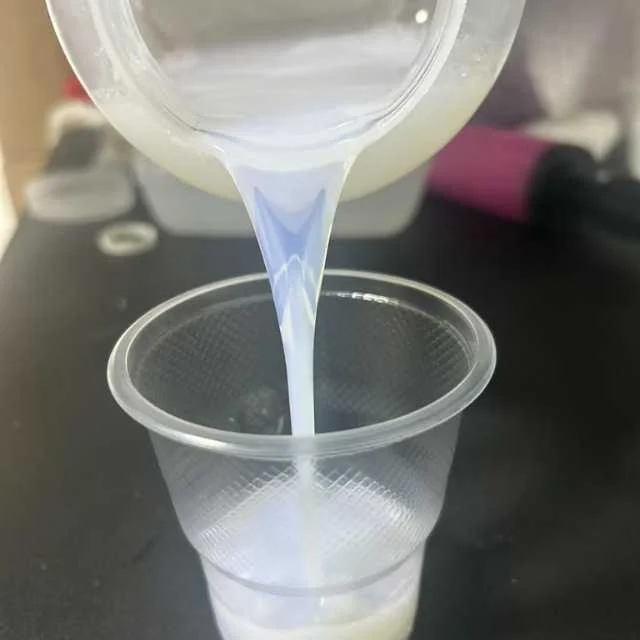
THV Dispersion (Liquid Form)
Easy coating and dipping for multilayer hoses, membranes or wires — uniform thickness, fast drying and smooth surface finish. Key benefits: stable solid content, long pot life, excellent adhesion on PE/TPE.
THV Grades & Data Sheets
Six production grades by melt-flow rate, elongation tier and form. Click a grade to download its Technical Data Sheet (PDF). “L” grades have shorter elongation at break within the same melt-flow group; “P” grades are white powder, unmarked grades are transparent granules.
| Grade | Form | MFR (g/10 min) | Melting point (°C) | Tensile (MPa) | Elongation (%) | Shore D |
|---|---|---|---|---|---|---|
| PF-T10 | Transparent granules | 10.0 ± 2.0 | 160 ± 10 | ≥ 22 | ≥ 450 | 50 ± 5 |
| PF-T10L | Transparent granules | 10.0 ± 2.0 | 160 ± 10 | ≥ 24 | ≥ 400 | 50 ± 5 |
| PF-T20 | Transparent granules | 18.0 ± 4.0 | 120 ± 10 | ≥ 19 | ≥ 650 | 42 ± 5 |
| PF-T20L | Transparent granules | 18.0 ± 4.0 | 120 ± 10 | ≥ 18 | ≥ 500 | 42 ± 5 |
| PF-T20P | White powder | 18.0 ± 4.0 | 120 ± 10 | ≥ 19 | ≥ 650 | 42 ± 5 |
| PF-T20PL | White powder | 18.0 ± 4.0 | 120 ± 10 | ≥ 18 | ≥ 500 | 42 ± 5 |
THV Dispersion PF-TD50 (Liquid Form)
Peflon also supplies THV as a concentrated aqueous dispersion for dip coating and impregnation — used for multilayer hose barrier layers, membranes and wire coating where a liquid application route fits the process better than melt-processing a resin or powder grade.
| Property | Typical Value |
|---|---|
| Appearance | Milky white or light yellow translucent aqueous dispersion |
| Solid content | 50 ± 2% |
| Surfactant content | 4–9% |
| Melt mass-flow rate | 8.0–12.0 g/10 min |
| pH | 6.0–8.0 |
| Relative density (23 ± 1°C) | 1.337 g/cm³ |
THV Fluoropolymer Applications
THV’s low melt temperature and strong fuel/chemical barrier make it the fluoropolymer of choice where flexibility and bonding to PE/PP/TPE matter as much as chemical resistance. Peflon supplies THV as resin, powder and dispersion to the processors who build the parts below — we do not sell finished tubing, film or hose.
Grade routing follows melting point and form: PF-T10 / PF-T10L (160 ± 10°C) for melt extrusion, PF-T20 / PF-T20L (120 ± 10°C) where the widest co-extrusion window matters, PF-T20P / PF-T20PL powder for solution casting, and PF-TD50 dispersion for dip coating and impregnation. Every Peflon THV grade melts between 120 ± 10°C and 160 ± 10°C — a build specified around a higher-melting THV barrier grade falls outside the current range, and we will say so rather than substitute. Automotive fuel-line work is driven by evaporative-emission rules such as 40 CFR Part 1060, with hose constructions specified to SAE J2260.

Multilayer Fuel & Chemical Hose Barrier
- Extruders need a barrier layer that resists ethanol- and methanol-blended fuel yet still bonds directly to the PE, PP or TPE structural layer without a separate tie layer.
- Recommended: PF-T10 or PF-T10L — melting 160 ± 10°C, MFR 10 ± 2, the melt-extrusion grades in Peflon’s range. See the permeation table below before fixing wall thickness.

Wire & Cable Jacketing
- Cable makers specify THV where the jacket has to stay flexible at a tight bend radius and process far below FEP’s ~260°C melt.
- Recommended: PF-T10 for melt-extruded jackets; PF-T20P or PF-T20PL powder where a solution-cast coating suits the line better.

THV Film & Safety-Glazing Interlayer
- Film converters use THV where the laminate must stay optically clear, bond to PE/PP/TPE and survive outdoors — architectural glazing built to 16 CFR Part 1201 safety-glazing rules is the typical case.
- Recommended: PF-T20 or PF-T20L — the 120 ± 10°C melting point gives the widest lamination window; PF-T10 for extruded film.

Flexible & Peristaltic-Pump Tubing
- Tubing extruders choose THV for pump and fluid-transfer lines that flex repeatedly, stay transparent for visual flow checks and resist aggressive chemistry.
- Recommended: PF-T10 or PF-T10L — check your duty temperature against THV’s lower service ceiling before switching a line off FEP or PFA.

Photovoltaic Backsheet & Module Film
- Module laminators use fluoropolymer layers for weatherable back-sheet constructions where the layer has to bond to the encapsulant without a high-temperature lamination step.
- Recommended: PF-T20 or PF-T20L — the lowest lamination temperature in the range. ETFE stays the choice for the outermost front sheet.

Flexible Tank & Pipe Lining
- Lining fabricators apply THV where a vessel or pipe needs a chemically resistant liner that stays flexible and can be bonded rather than mechanically fixed.
- Recommended: PF-TD50 dispersion (50 ± 2% solids) for the liquid route; PF-T20P powder where a solvent-cast lining fits the process.

Chemical-Resistant Fabric & Membrane Coating
- Coaters impregnate woven and non-woven substrates with THV when the finished fabric has to resist chemicals and stay flexible and weldable.
- Recommended: PF-TD50 dispersion for dip coating and impregnation — Peflon supplies the dispersion, not the coating service.

Bonding & Tie Layer to PE, PP and TPE
- THV is often specified purely as the adhesion layer between a fluoropolymer barrier and a hydrocarbon or elastomer structural layer — FEP and PFA need a separate tie layer or surface treatment to do the same job.
- Recommended: PF-T20 or PF-T20L — the 120 ± 10°C melting point co-extrudes inside the widest range of structural-resin processing windows.

Low-Refractive-Index Optical Cladding
- THV carries one of the lowest refractive indices among melt-processable fluoropolymers, which is why it turns up as a cladding layer in polymer optical fibre and light-guide builds.
- Recommended: specification-driven — send your refractive-index and geometry target and we will confirm whether a current grade fits before you order.
How Processors Use Peflon THV
Each THV form is matched to one primary process — resin for extrusion, powder for lamination or casting, dispersion for coating and dipping.

Extrusion
Processors melt-extrude THV resin pellets into tubing, hose and cable-jacket profiles, often co-extruded with PE or TPE layers.

Lamination
THV powder is laminated onto substrate films to build multilayer safety films and barrier laminates with strong interlayer bonding.

Coating & Dipping
THV dispersion is applied by dip or spray coating for uniform, fast-drying films on hoses, membranes and wires.

Casting
THV powder is cast into clear films for optical-quality laminates and composite sheet coating.
THV Fluoropolymer Chemical Resistance
THV is formulated specifically for fuel and chemical barrier performance — its permeation resistance to hydrocarbon and alcohol-blended fuels is a primary reason buyers choose it over non-fluorinated barrier materials.
| Exposure | Performance | Basis |
|---|---|---|
| E10 gasoline (10% ethanol) | Fuel permeation coefficient 8–25 g·mm/m²/day/atm at 40°C | Published fluoropolymer barrier-film data, VDF content 20–40 mol% |
| 15% methanol fuel blend | Permeability constant ~8.7 g-mil/100in²/day — substantially lower than EVOH (~22) | Comparative fluoropolymer/EVOH barrier studies |
| 85% methanol fuel blend | Permeability constant ~6.6 g-mil/100in²/day — substantially lower than EVOH (~52) | Comparative fluoropolymer/EVOH barrier studies |
| General solvents & chemicals | Broad resistance across a wide temperature range, low permeability to solvents and gases | Standard fluoropolymer chemical-resistance profile |
Why Choose Peflon THV Polymer
Dependable material source with full technical and logistics support — internal QC and traceable lots for stable quality every shipment.
Reliable Raw Material Supply
- Peflon sources certified raw materials and manages full lot traceability — consistent performance on every batch.
- Certified suppliers and audited material lots.
- Batch tracking with retention samples and real-time production monitoring for each run.
Quality Control & Testing
- Every batch tested for haze, melt flow and permeability before shipment — full COA and data sheet for regulatory confidence.
- Optical clarity, haze and melt flow index checks per lot.
- Fuel barrier and dielectric strength reports available.
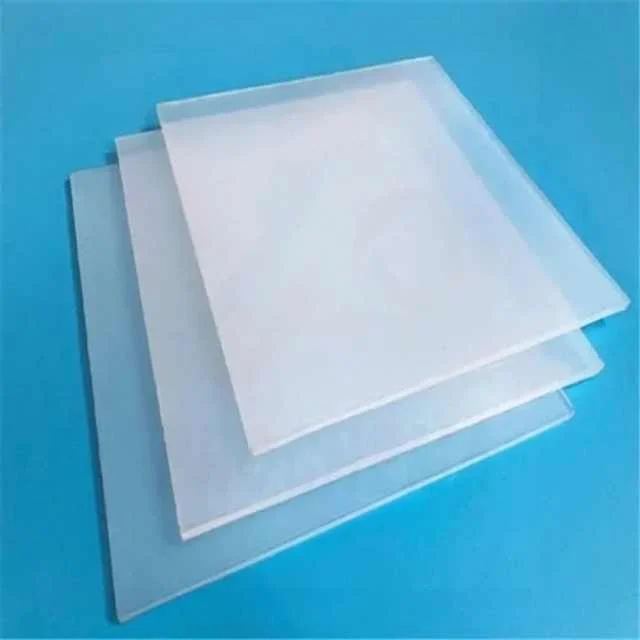
Technical Support & R&D Team
- Help engineers fine-tune extrusion, coating or molding parameters — minimize waste, reduce setup time.
- Start-up temperature and pressure profiles, bonding charts for PE/PP/TPE layers.
- Troubleshooting guides for multilayer structures.
Stable Supply & Global Logistics
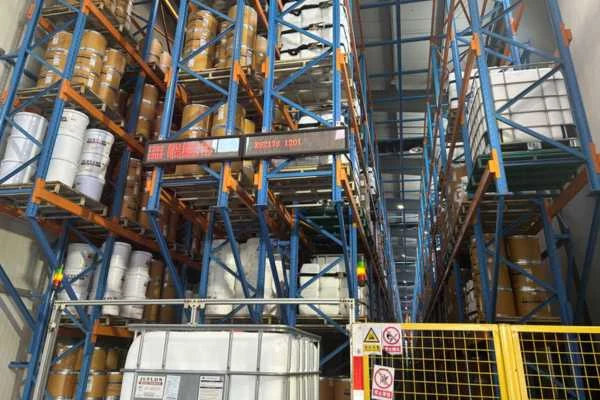
- Planned stock and flexible shipment options keep your THV supply stable as global demand changes.
- Safety stock for key THV grades, predictable lead times and batch reservation.
- Shipping from multiple bonded warehouses.
Frequently Asked Questions
These are the questions buyers ask most before ordering THV fluoropolymer — covering composition, processing, applications and how to get a grade match.
What is THV polymer made of?
THV polymer is a terpolymer made from tetrafluoroethylene (TFE), hexafluoropropylene (HFP) and vinylidene fluoride (VDF). This structure gives THV fluoropolymer excellent flexibility, clarity and chemical resistance.
How does THV fluoropolymer compare to FEP or PFA?
Unlike FEP or PFA, THV fluoropolymer has a lower melting temperature and better adhesion to plastics like PE, PP and TPE. That enables multi-layer fuel hoses, optical tubes and laminated films that demand both clarity and strong bonding.
Can THV resin be used for extrusion and injection molding?
Yes. THV resin offers a wide processing window for extrusion and injection molding. It melts evenly and produces smooth surfaces on tubes, cable jackets and transparent films.
What applications use THV material the most?
Common uses include automotive fuel systems, semiconductor chemical tubing, wire insulation and architectural safety films. Its clarity and low permeation make it ideal for demanding industries.
How can I order THV polymer in bulk from Peflon?
Send your RFQ with grade requirements, volume and application details. Our team matches a suitable THV fluoropolymer grade, confirms MOQ and provides a detailed quote with delivery terms.
Technical Support for THV Material
Stay ahead in process optimization with Peflon’s THV technical insights. Our engineering team shares real production data on extrusion profiles, film casting and bonding techniques for THV fluoropolymer applications — learn to fine-tune melt flow, achieve clear lamination and reduce start-up waste.
What Are Fluoropolymers? What Are Their Importance and Applications
New to fluoropolymers as a category? This overview covers where THV fits among PTFE, FEP, PFA and PVDF before you specify a grade.
Compression Molding Basics: What You Need to Know
THV resin can be molded as well as extruded — these molding fundamentals apply to THV powder and pellet grades too.
Get a THV Grade Recommendation & Sample
Tell us your process — extrusion, coating, casting or lamination — and target properties. Our engineers will match a THV grade and reply within 24 hours.