
FEP & PFA Pipe and Valve Liners
When it comes to high-performance materials in industrial applications, FEP (Fluorinated Ethylene Propylene) resin stands out as a true champion. As a leading expert in FEP and PFA resin products, we guide you through FEP applications, focusing on pipe and valve liner solutions that can revolutionize your industrial processes.
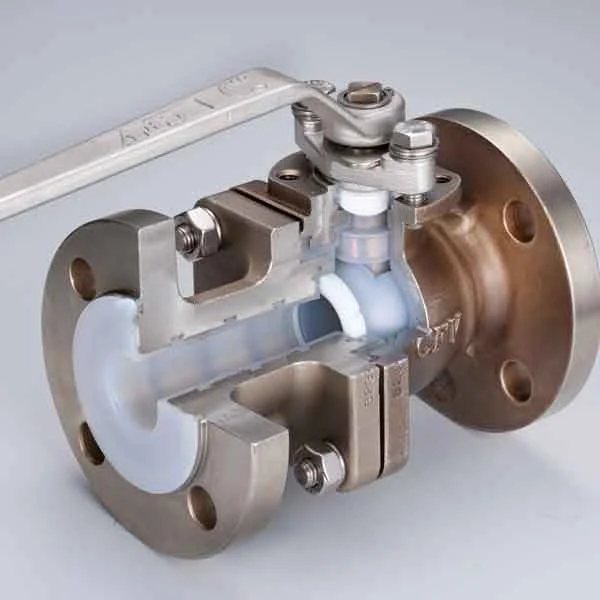
Features and Benefits of Pipe and Valve Liners
PFA and FEP valve liners are like superheroes for industrial valves. They are tough because they resist harsh chemicals, even acids, and high temperatures up to 500 °F. Imagine a non-stick pan; these liners have that property too, preventing gunk build-up and ensuring smooth flow. Additionally, they are great insulators for electrical applications. The low friction means less energy is needed, and they shield against corrosion, extending valve life. They meet safety and quality standards, so you can trust them.
Chemical Resistance
Handles acids, bases, and aggressive solvents without degradation.
High-Temperature Service
Stable up to 500 °F across continuous operation.
Non-Stick Surface
Prevents gunk build-up, keeping flow smooth and media clean.
Low Friction
Less energy required to move media, saving operating cost.
Electrical Insulation
Great insulator for applications near live electrical systems.
Corrosion Shield
Protects valve bodies and pipe walls, extending service life.
Long Service Life
Reduces replacement cycles and maintenance downtime.
Quality & Safety
Meets established safety and quality standards you can trust.
Thousands of Pipe and Valve Liner Solutions
Extrusion-grade FEP (Fluorinated Ethylene Propylene) resins are highly versatile materials with a wide range of applications across industries. Their exceptional properties make them a preferred choice where non-stick characteristics, chemical resistance, and electrical insulation are essential.
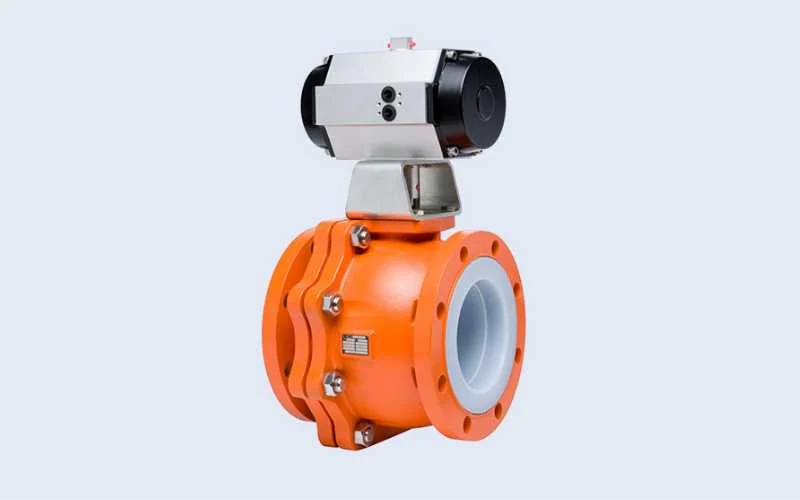
FEP Valve Liner
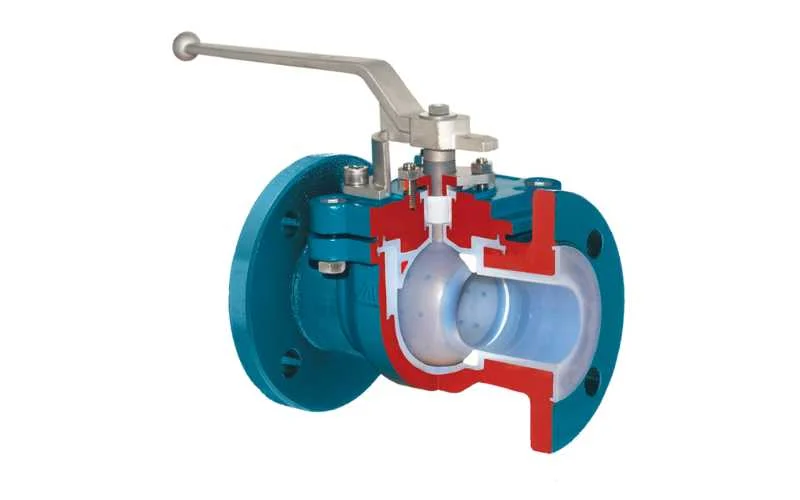
PFA Valve Liner
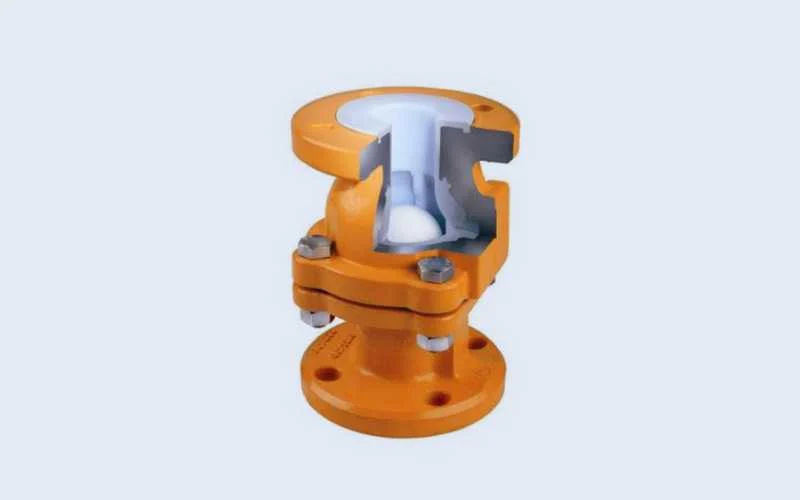
PFA Liner
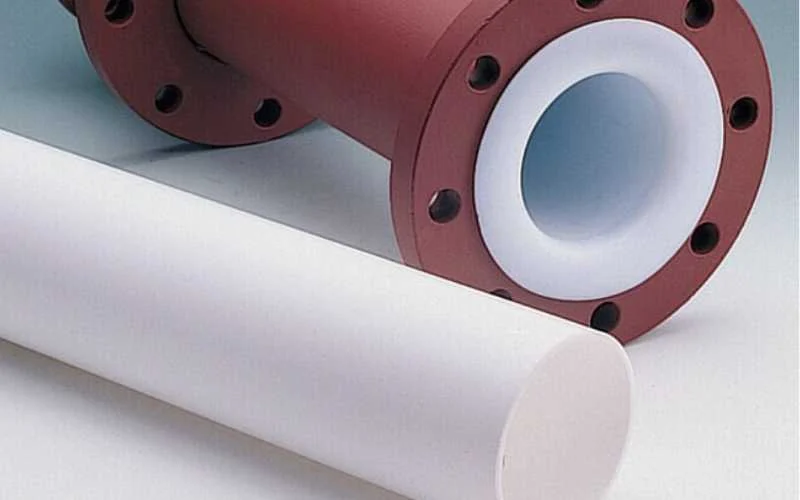
PTFE Pipe Liner
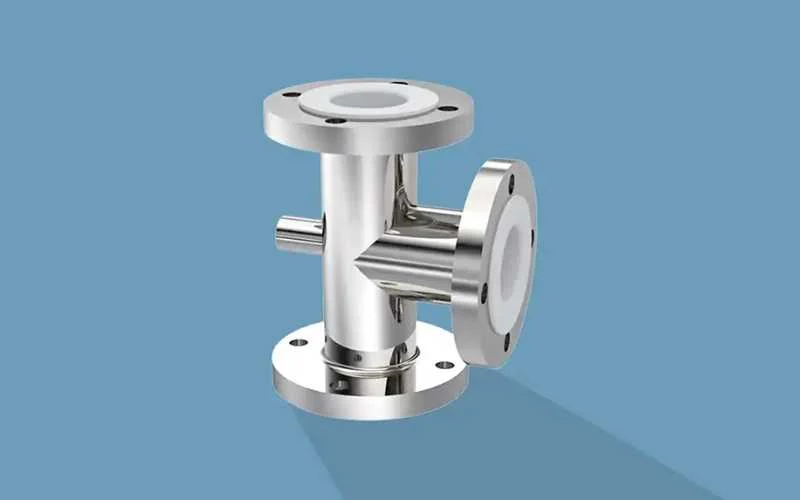
Teflon Liner
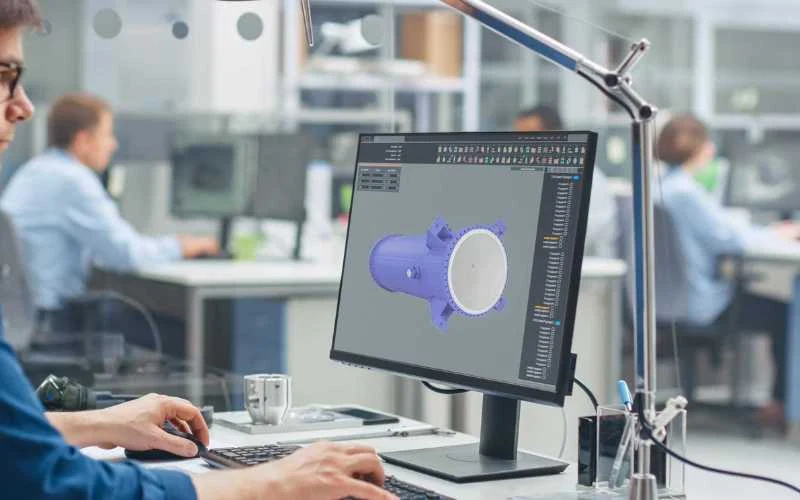
Custom Designed Liner
How FEP & PFA Liners Are Made
FEP / PFA Valve Processing
In the production of PFA valve liners, the process includes material preparation, mold creation, injection molding, cooling, demolding, trimming, and quality inspection. The liners are then assembled into valves, rigorously tested, and finally packaged for delivery. Stringent quality control is maintained throughout to ensure optimal performance and durability.

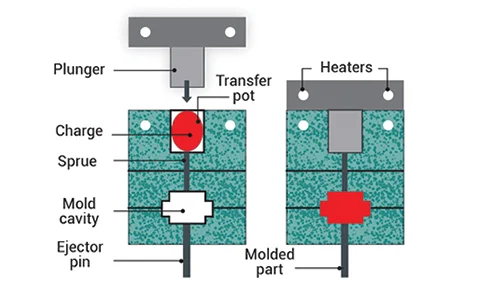
Compression Molding
Heated FEP is placed into a mold and compressed to shape. Suitable for complex shapes or larger-sized FEP products.
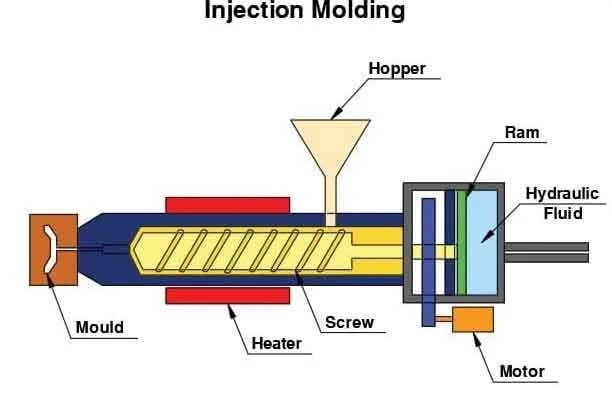
Injection Molding
Molten FEP is injected into molds, cooled, and solidified. Ideal for valves, connectors, and components.
Hot Forming
FEP sheets or stock are heated and manually or mechanically formed into desired shapes. Used for small-batch or unique-shape production.
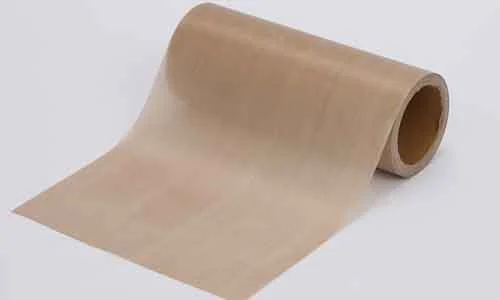
Coating
FEP is coated onto substrates like metal or fiberglass for non-stick and lubricating properties — typical in cookware, pipe coating, and non-stick applications.
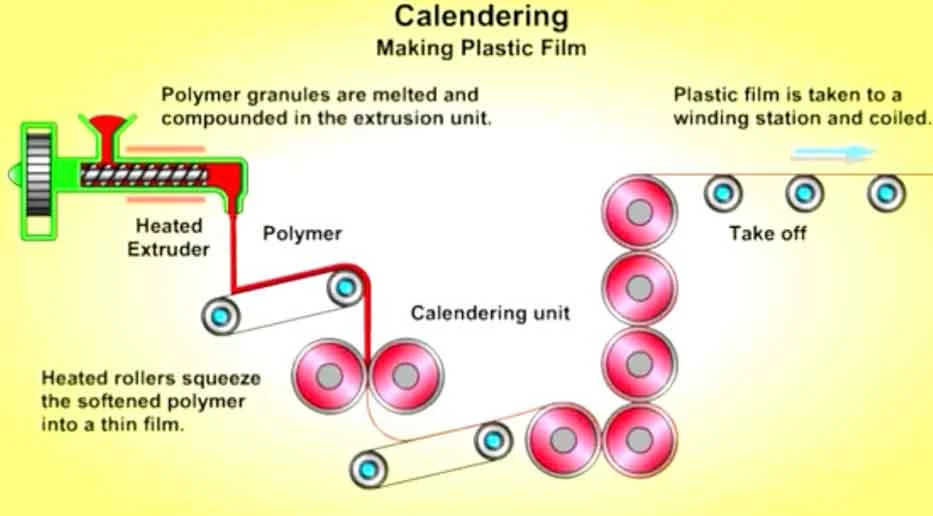
Calendering
Molten FEP resin is passed through roller equipment to form thin films or sheets — FEP films, sheets, and expanded sheets.
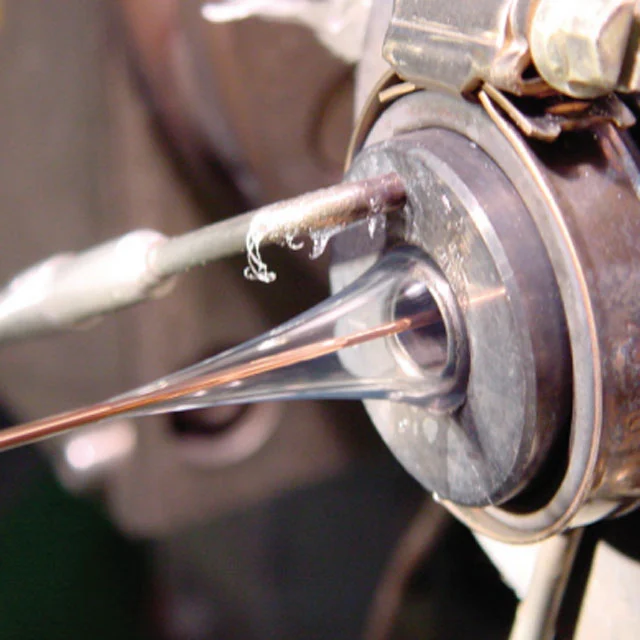
Melt Extrusion
FEP pellets are heated to a molten state and extruded into continuous shapes — widely used for wire & cable insulation, pipes, films, and rods.
FEP / PFA Resin Behind Every Liner
FEP (fluorinated ethylene propylene) is a melt-processable fluoropolymer registered under CAS Number 25067-11-2, while PFA (perfluoroalkoxy) shares the same fully fluorinated backbone with even higher continuous-service temperatures. Base FEP and PFA resins are produced by fluoropolymer leaders such as Daikin, and their chemical identity is catalogued by CAS Common Chemistry and PubChem.
Peflon converts these certified resins into pipe and valve liners, lined fittings and custom components. Every liner is matched to your service conditions — media, temperature, pressure and pipe schedule — so the finished lined pipe or valve delivers the corrosion resistance, non-stick flow and long service life that fluoropolymers are known for.
FEP & PFA Liner FAQ
What is the difference between an FEP liner and a PTFE liner?
Both are fluoropolymer linings with excellent chemical resistance. FEP and PFA are melt-processable, so they can be injection or transfer molded into seamless valve liners and lined fittings with a very smooth, non-porous surface. PTFE is not melt-processable and is usually applied as a sintered lining or a loose/formed liner. FEP typically serves to about 200 °C (500 °F); PFA and PTFE reach higher temperatures. We help you select the right grade for your media and temperature.
What size pipes, valves and fittings can you line?
We supply FEP/PFA and PTFE liners for a wide range of pipe diameters, valve bodies, elbows, tees, reducers and spools. Send us the pipe schedule or valve type, size, media and operating temperature and pressure, and our engineers will confirm the achievable liner thickness and configuration.
Which chemicals can FEP and PFA pipe liners handle?
FEP and PFA resist virtually all industrial chemicals, including strong acids, bases, oxidizers and aggressive solvents, across a broad temperature range. This makes them ideal for lined pipe and valves in chemical processing, pharmaceuticals, semiconductors and high-purity fluid handling. Share your media and concentration and we will confirm compatibility.
What is the maximum service temperature of an FEP-lined pipe?
FEP liners are stable up to roughly 200 °C (500 °F) in continuous service. Where higher temperatures are required, we recommend PFA or PTFE linings. Actual limits depend on the media, pressure and duty cycle, so we rate each liner to your specific process.
Can Peflon supply custom-designed liners and lined fittings?
Yes. We are a resin producer and converter, so we manufacture custom liner geometries, thicknesses and lined fittings to your drawings. We support OEM and distributor programs with samples, technical documentation and reliable volume supply. Contact us to discuss your project and minimum order quantities.
Related Liner & Fluoropolymer Products
Looking for the raw material instead of finished liners? See our molding-grade FEP and molding-grade PFA resins. Peflon is your reliable supplier in China for the full range of fluoropolymer linings and lined pipe.
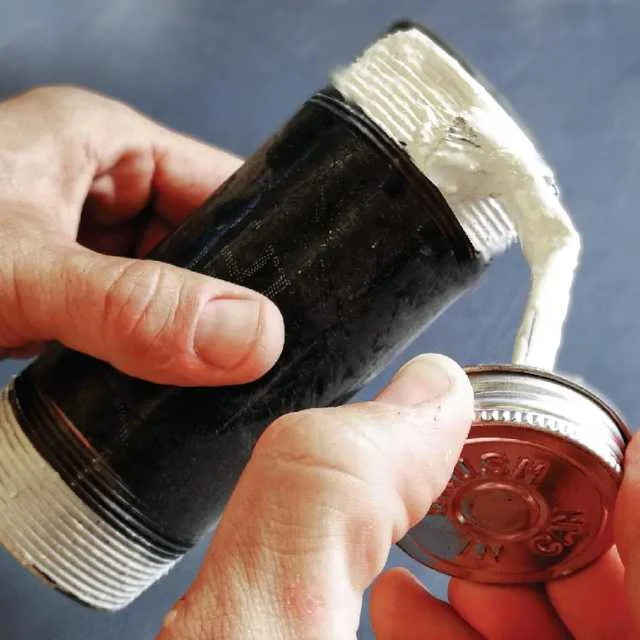
Chemical Linings
Fluoropolymer chemical linings for tanks, pipes and process equipment.
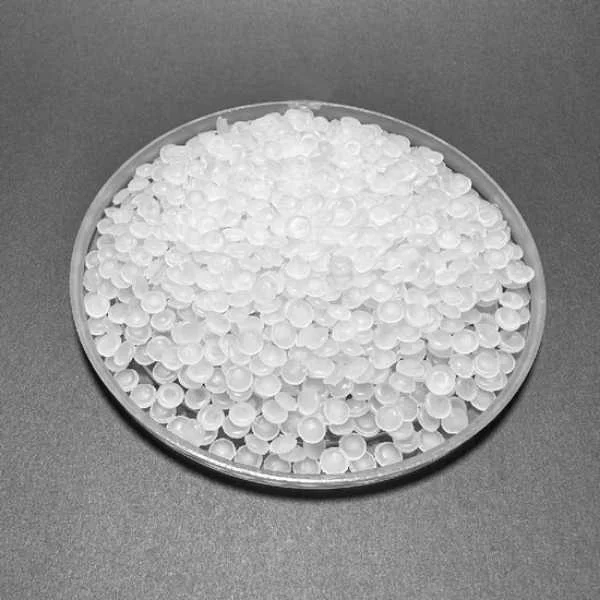
PFA Material Supplier | Peflon
PFA resin and components for high-purity, high-temperature corrosive media.
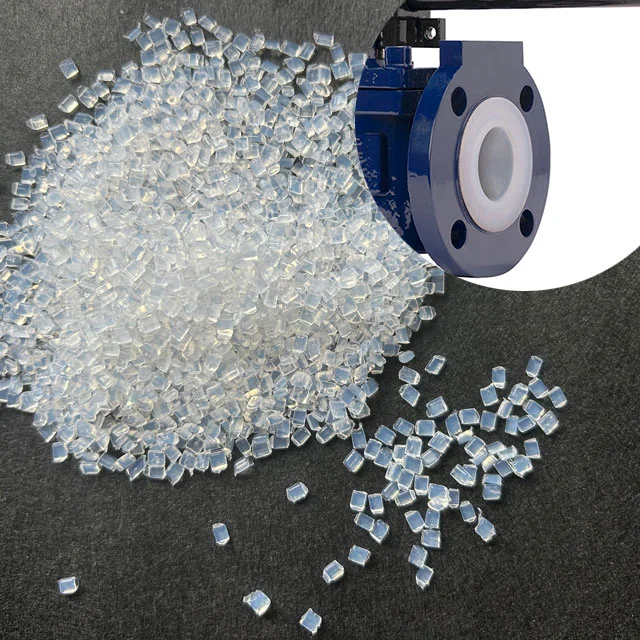
Molding Grade FEP
Molding-grade FEP resin for injection, compression and transfer molding.
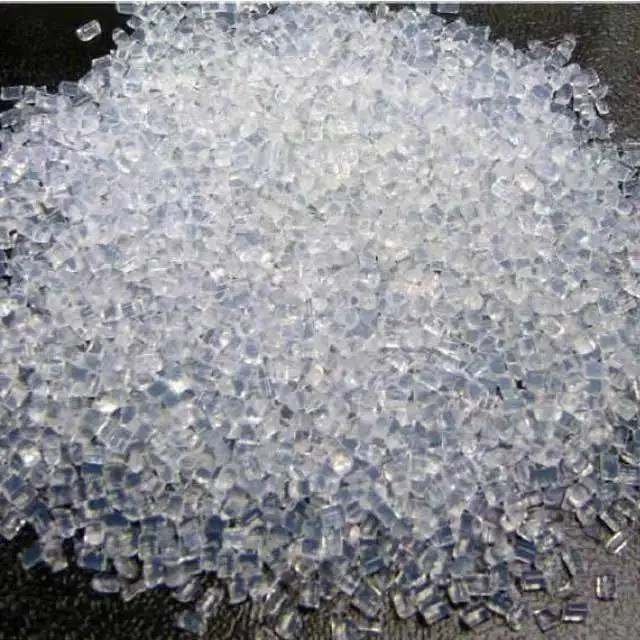
Molding Grade PFA
Molding-grade PFA resin for valve liners, fittings and lined components.
Get FEP & PFA Pipe and Valve Liners
For trusted FEP and PFA liner sourcing, contact Peflon and discover the full potential of fluoropolymer linings in your industrial processes. Reach us at [email protected] or +86 13957007557 for samples and a complete lined-pipe solution.