
PFA Material Supplier
Reliable PFA raw material for extrusion, coating and semiconductor applications — custom grades, fast delivery and guaranteed purity from Peflon.
- High-purity PFA for semiconductor & chemical industries
- Custom melt-flow grades with OEM packaging
- ISO-certified production, stable global supply
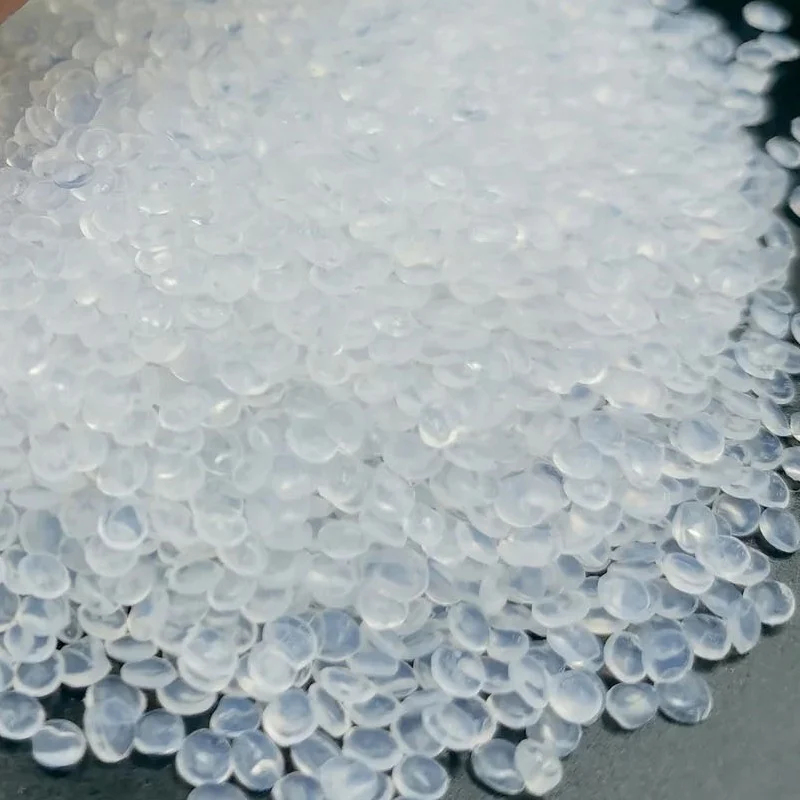
What is Perfluoroalkoxy (PFA)?
PFA (Perfluoroalkoxy) polymer is a member of the Teflon™ family — a tough, flexible fluoropolymer. It shares almost all properties with PTFE, with one critical difference: PFA is melt-processable. Exceptional chemical resistance, high-temperature tolerance and excellent electrical insulation make it a top choice for the most demanding applications.
PFA resin is widely used in chemical processing, semiconductor manufacturing, wire & cable, tubing, film and LED cover production. Versatility and reliability make it a cornerstone of high-performance engineering.
PFA Properties
| PFA Property | Typical Value / Range | Notes |
|---|---|---|
| Density | 2.12–2.18 g/cm³ | Grade-dependent |
| Melting point | 295–311°C | DSC, grade-dependent |
| Continuous service temp | ~260°C | Per ASTM D3307-compliant grades |
| Tensile strength | 18–35 MPa | ASTM D638, grade-dependent |
| Elongation at break | ≥250–350% | ASTM D638, grade-dependent |
| Hardness | Shore D50–D70 | ASTM D2240 / D895 |
| Dielectric loss (10⁶ Hz) | ≤1×10⁻⁴ | Grade-dependent |
| Water content | ≤0.3% | ASTM D570 |
| Flame rating | UL 94 V-0 | Grade-dependent |
PFA Polymer — Available Forms
From high-purity resin pellets to dispersion coatings — each grade is produced under ISO-certified systems.
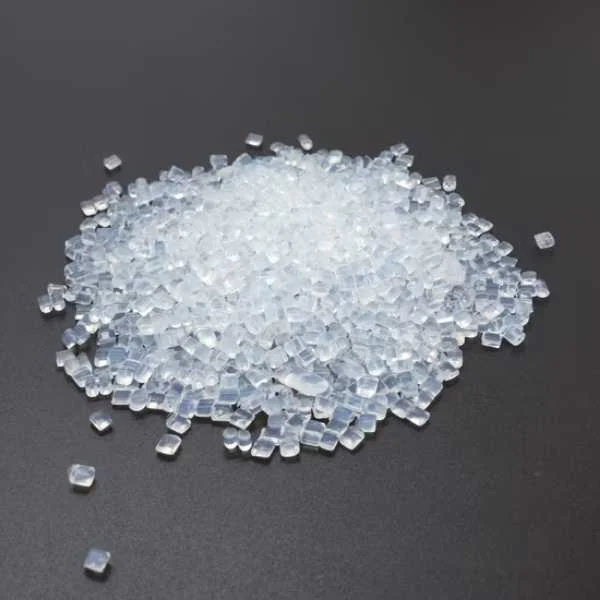
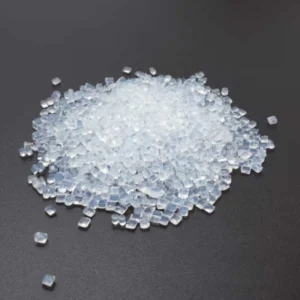
PFA Resin Pellet
Outstanding purity, melt-processability and stress-crack resistance. For extrusion and injection molding — multiple melt-flow indices cover tubing, film and wire insulation.
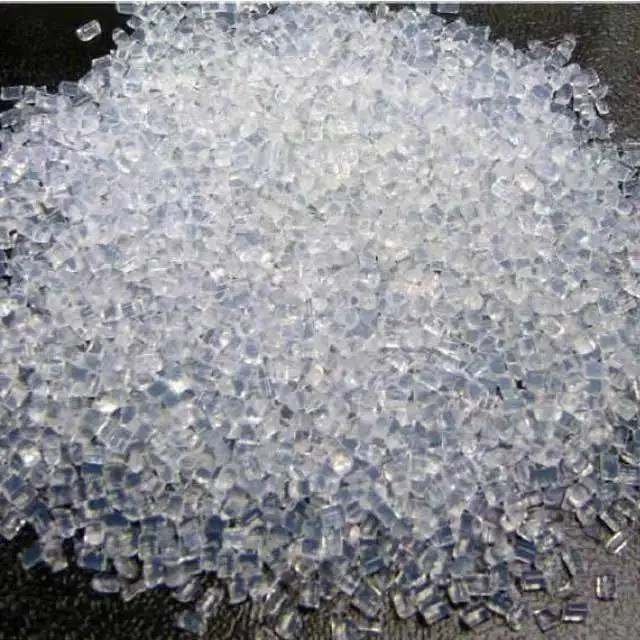
High-Purity PFA (UHP Grade)
Designed for semiconductor and chemical industries. Meets SEMI specifications and ensures contamination-free processing in cleanroom environments.
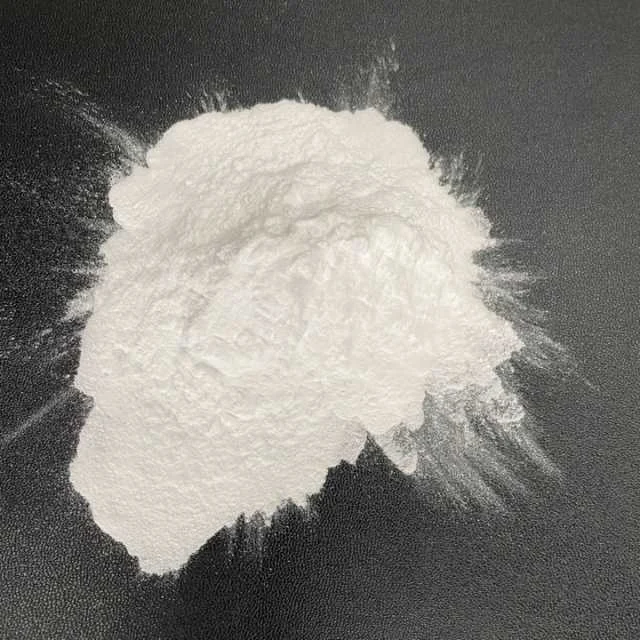
PFA Micro Powder
Strong adhesion to metal and glass for durable anti-corrosive layers. Used in reactors, valves and chemical tanks requiring long-term acid/solvent resistance.
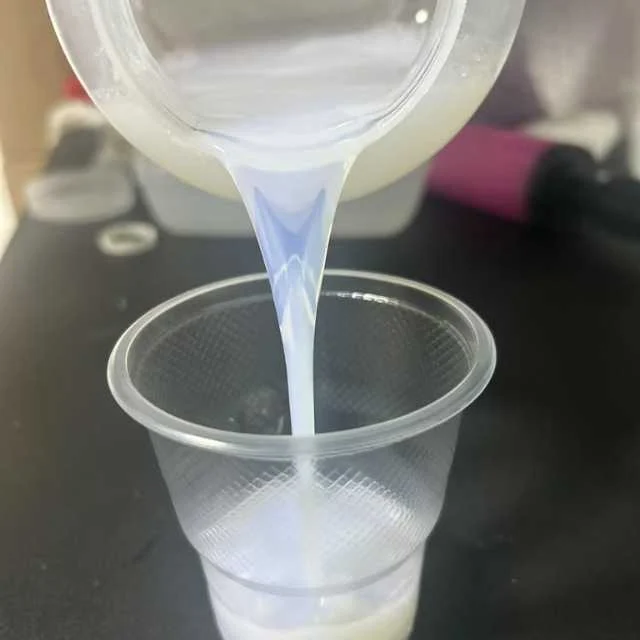
PFA Dispersion
Water-based PFA for coating and impregnation — uniform film, outstanding chemical resistance and smooth finish. Spray, dip or flow coat on metal, glass and carbon.
PFA Resin Grades & Data Sheets
13 pellet grades cover melt-flow rates from 0.8 to 30 g/10min, plus dispersion and micro powder forms. Grade codes link to the datasheet (PDF).
| Grade | MFR (g/10min) | Melting Point (°C) | Density (g/cm³) | Application |
|---|---|---|---|---|
| PF-401 | 0.8–3.0 | 300–310 | 2.120–2.170 | Pipes, pumps, valves, plates, tank lining, diaphragm, joints, bearing parts |
| PF-402 | 1.5–4.0 | 295–311 | 2.12–2.17 | Hoses, sleeves, sheet metal valve linings, container corrugated tubes, films |
| PF-403 | 3.1–6.0 | 300–310 | 2.120–2.170 | Pipe, wire insulation layer, film, electronic components |
| PF-406 | 6.1–12.0 | 300–310 | 2.120–2.170 | Pipe, wire insulation layer, film, electronic components |
| PF-415 | 6.1–15.0 | 300–310 | 2.120–2.170 | Extruded tubing, hose, wire & cable insulation, sleeving, industrial film |
| PF-410 | 10.0–20.0 | 295–311 | 2.12–2.17 | Connectors, nuts, filter covers, films, wafer carriers (6–12in) |
| PF-412 | 12.1–16.0 | 300–310 | 2.120–2.170 | Cable insulation, multi-core cable sheath |
| PF-415Q | 13.0–15.0 | 295–311 | 2.12–2.17 | Connectors, nuts, filter covers, films, wafer carriers |
| PF-404A | 13–22 | 307±5 | 2.12–2.18 | Wire and cable, high-temperature injection-molded parts |
| PF-413 | 13–22 | 307±5 | 2.12–2.18 | Wire and cable, high-temperature injection-molded parts |
| PF-416 | 16.1–24.0 | 300–310 | 2.120–2.170 | Cable aviation, aerospace, chemical industry, fast cable extrusion |
| PF-430 | 15.1–30.0 | 300–310 | 2.120–2.170 | High-performance thin-wall wire coatings, aerospace, chemical, fast cable extrusion |
| PF-424 | 24.1–30.0 | 300–310 | 2.120–2.170 | Cable aviation, aerospace, chemical industry, fast cable extrusion |
| PF-4D05 (Dispersion) | 3.0–5.0* | — | — | Polyimide film coating, metallic coating, non-stick coating |
| PF-4P30 (Micropowder) | 3* | 300–310 | — | Electrostatic spraying, non-stick coating, industrial coating, lubricants, ink, engineering plastic/rubber modification |
*Dispersion and micro powder MFR measured per their respective test methods (ASTM D2116 / GB/T 19077), not directly comparable to pellet-grade MFR.
PFA Brand Cross-Reference
Looking for an alternative to a major brand? Peflon PFA grades are widely used as cost-effective, quality-matched replacements for the following industry-leading products. Send us a sample or spec sheet and our team will match the right Peflon grade.
| Brand | Series / Product | Typical Peflon Equivalent |
|---|---|---|
| Chemours Teflon™ PFA | Teflon™ PFA 340 / 345 / 350 / 951HP-Plus | Peflon PFA Pellet · UHP Grade |
| Daikin Neoflon™ PFA | Neoflon™ AP-201 / AP-202 / AP-210 | Peflon PFA Pellet · Custom Melt-Flow |
| Solvay / Syensqo Hyflon® PFA | Hyflon® PFA P / Hyflon® MFA | Peflon PFA Pellet · UHP Grade |
| AGC Fluon® PFA | Fluon® PFA P-Series | Peflon PFA Pellet · Custom Grade |
| 3M Dyneon™ PFA | Dyneon™ PFA 6502 / 6503 | Peflon PFA Pellet · UHP Grade |
| Gore / OEM PFA dispersion | Industrial dispersion coatings | Peflon PFA Dispersion |
Teflon™ is a trademark of The Chemours Company. Neoflon™ is a trademark of Daikin. Hyflon® is a trademark of Syensqo. Fluon® is a trademark of AGC Chemicals. Dyneon™ is a trademark of 3M. All trademarks belong to their respective owners. Peflon is an independent supplier of equivalent PFA resin and dispersion grades.
PFA Resin Applications
PFA excels in chemical processing, semiconductor, medical and electronics — used in pipes, wires, labware and critical equipment where reliability cannot be compromised.
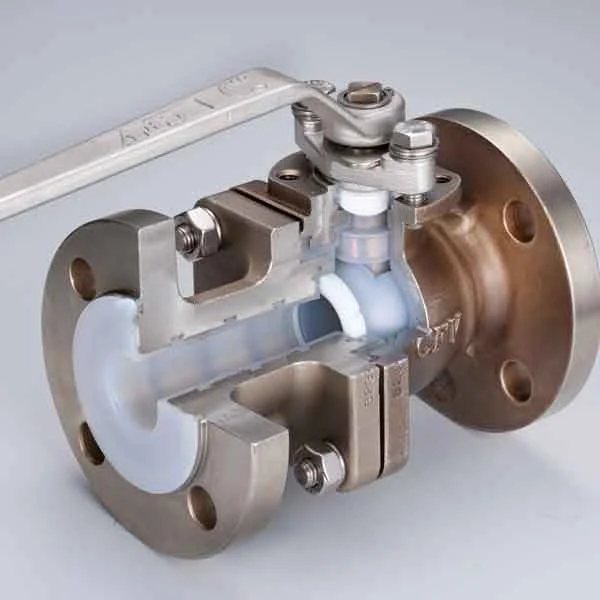
Valve & Pipe Liner
Pipeline components, valves and corrosion-resistant lining equipment for chemical processing.
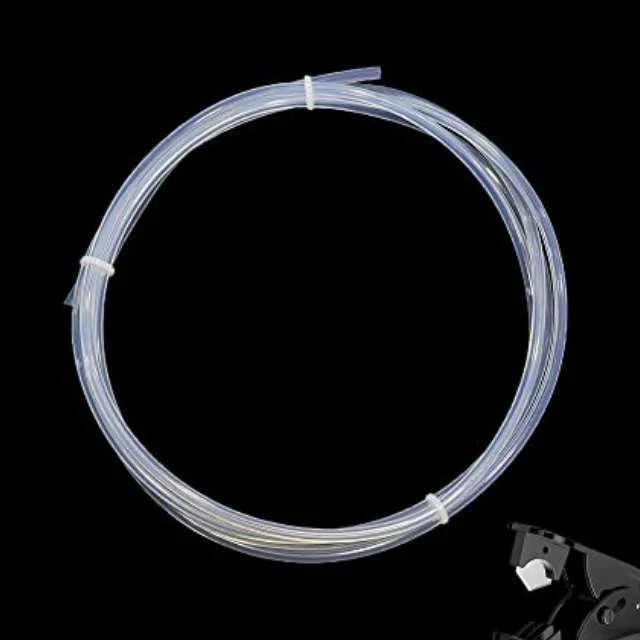
PFA 3D Printing Filament
High-purity PFA filament grade for additive manufacturing of chemically resistant, high-temperature parts.
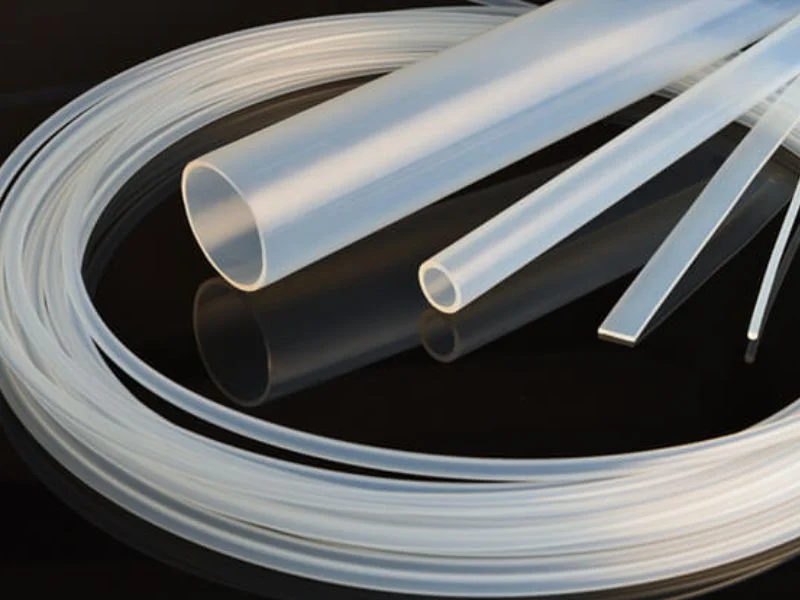
Medical Treatment
Catheters, valves and surgical tools — biocompatible PFA for medical device applications.
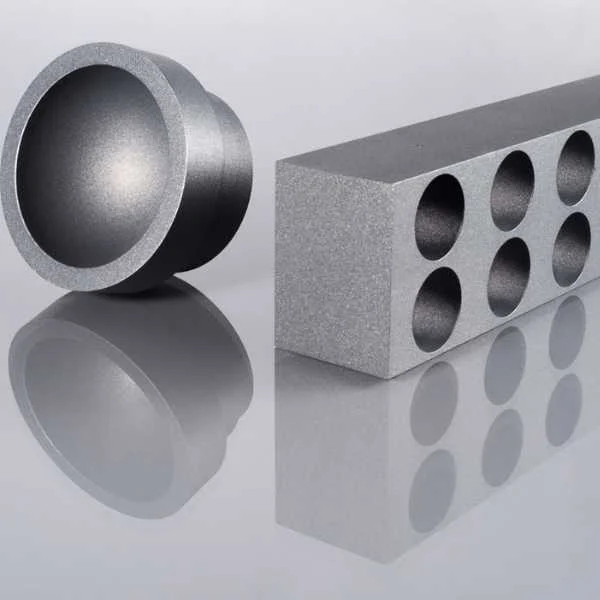
PFA Coating
Dispersion or micro-powder coating applied to reactors, stirrers and molds for corrosion-resistant, non-stick surfaces.
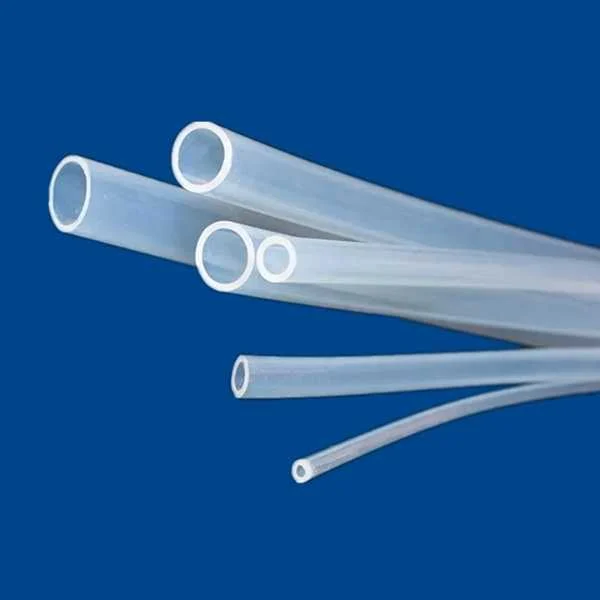
Extruded Tubing & Hoses
Melt-extruded PFA tubing and hose for high-purity fluid transfer in chemical and semiconductor lines.
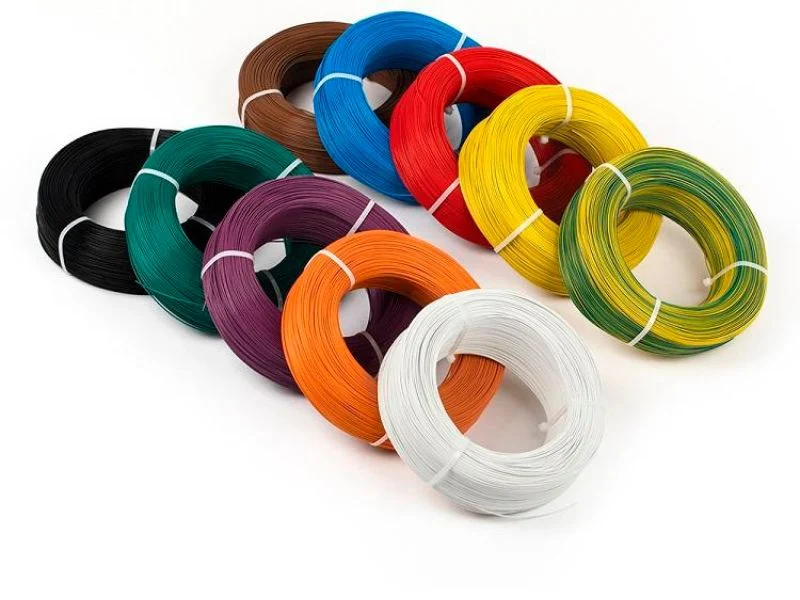
Wire & Cable Insulation
High-purity PFA insulation for wire and semiconductor-industry cable applications.
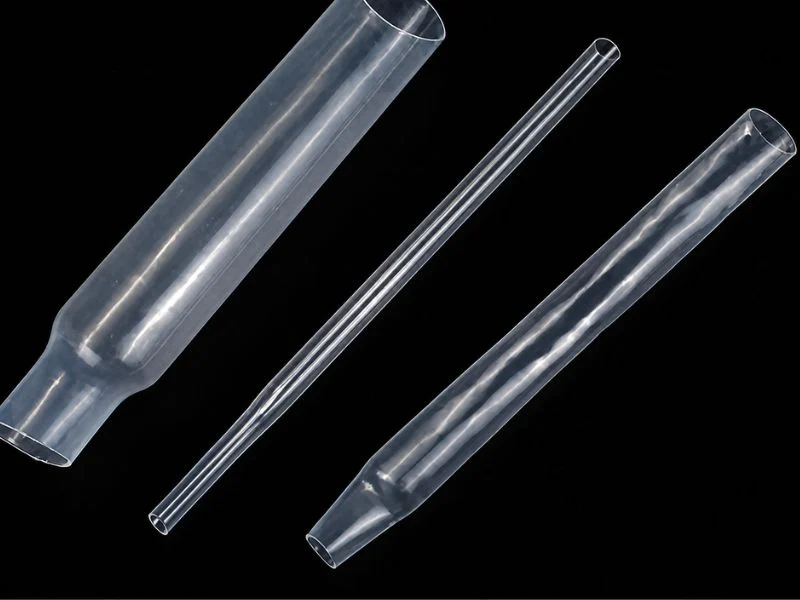
PFA Shrink Tubing
Heat-shrink PFA tubing for wire termination and splice protection in high-temperature environments.
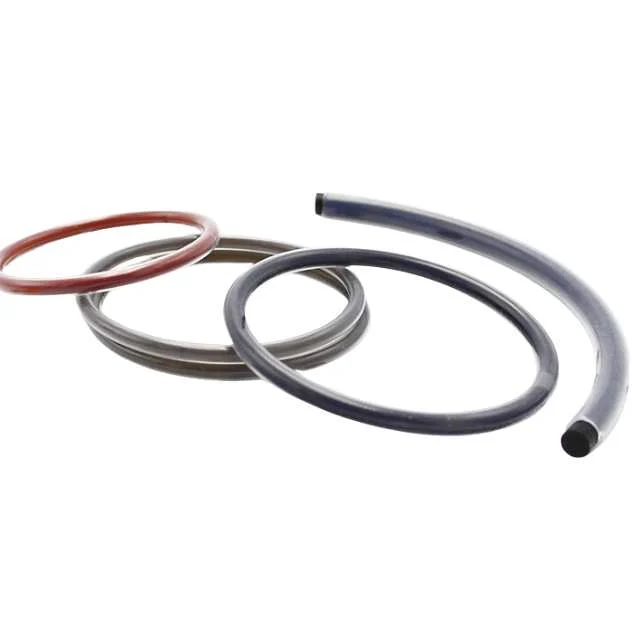
Gaskets & Seals
Seals, valves and fuel-system components requiring high-temperature resilience — also used in aerospace and automotive service.
How Processors Convert Peflon PFA Into Parts
PFA resin becomes a finished part through one of six processing methods below — precise control is essential due to PFA’s high melt viscosity. Temperature management and degradation prevention preserve PFA’s properties in the processor’s finished part.
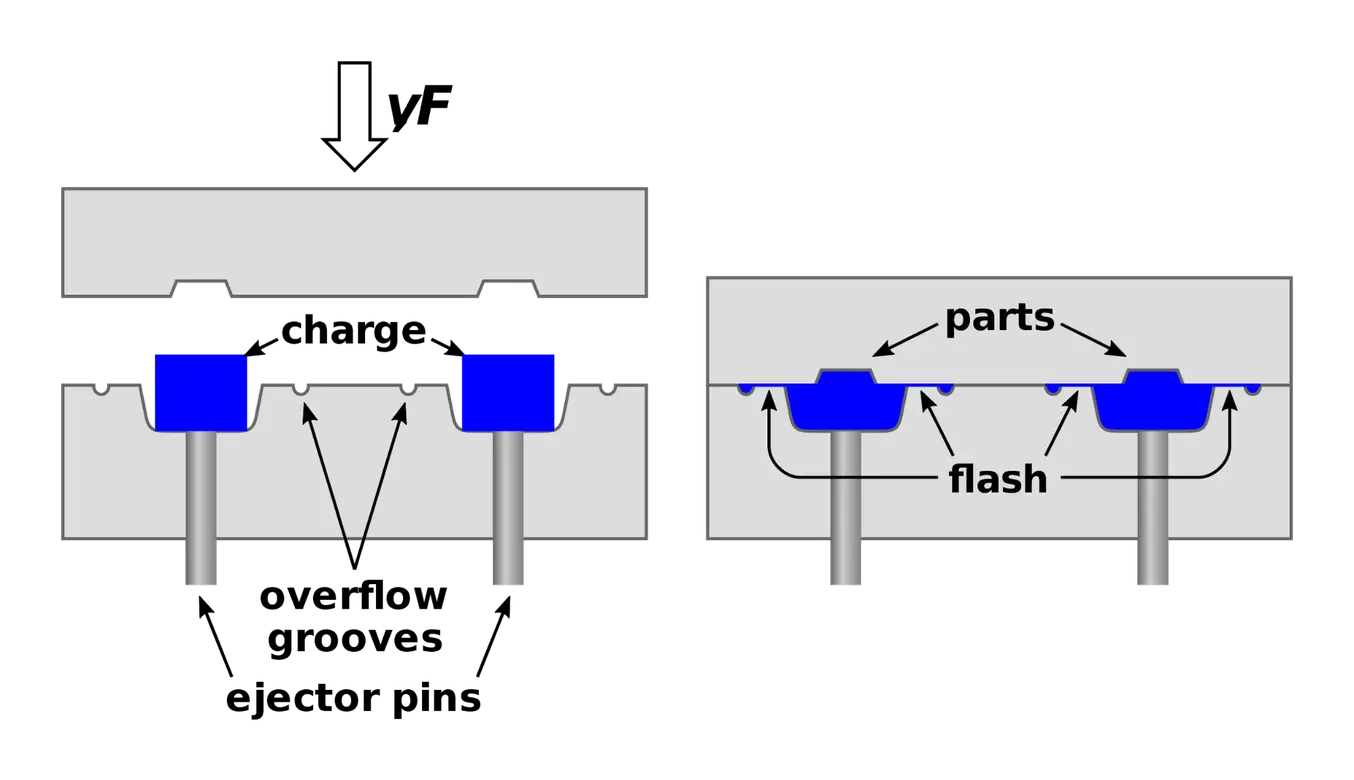
Compression Molding
Processors compression-mold thick, complex parts with excellent dimensional stability — sheets, rods and valve components for chemical, electrical and semiconductor equipment.
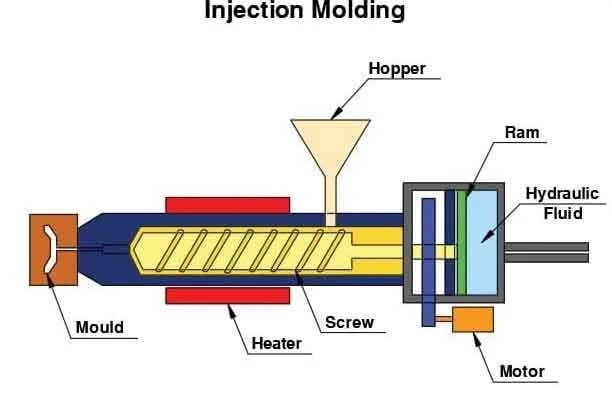
Injection Molding
Processors injection-mold precise, repeatable complex shapes — fittings, pump parts, valve seats. Excellent surface finish for critical fluid-handling systems. See our PFA injection molding guide.
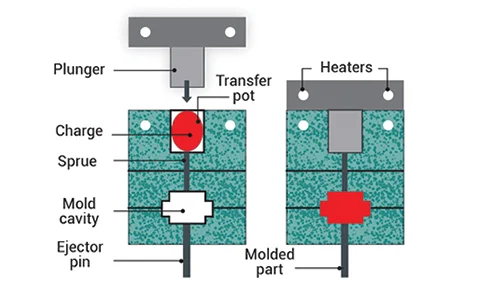
Transfer Molding
Processors transfer-mold small, detailed parts with uniform density and smooth surfaces — O-rings, seals and precision lab components.
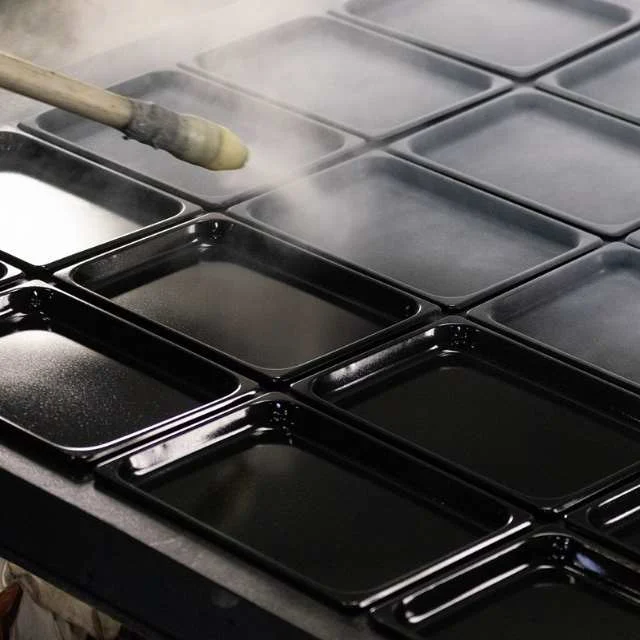
Electrostatic Coating
Processors electrostatically spray PFA micro-powder onto metal or glass to create seamless non-stick, corrosion-resistant layers for tanks, stirrers, reactors and molds.
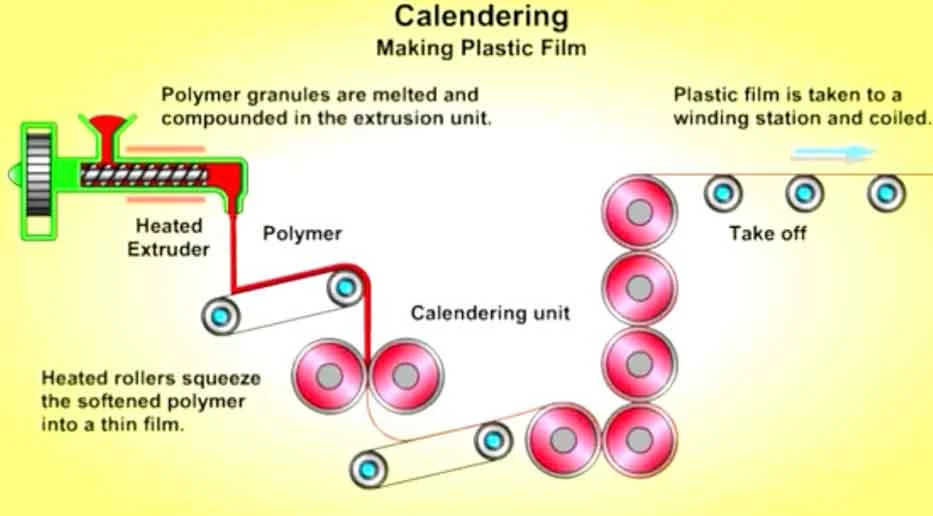
Calendering
Processors calender PFA using heated rollers to produce thin, uniform films and laminated sheets — PFA film, composite layers and protective coatings with optical clarity.
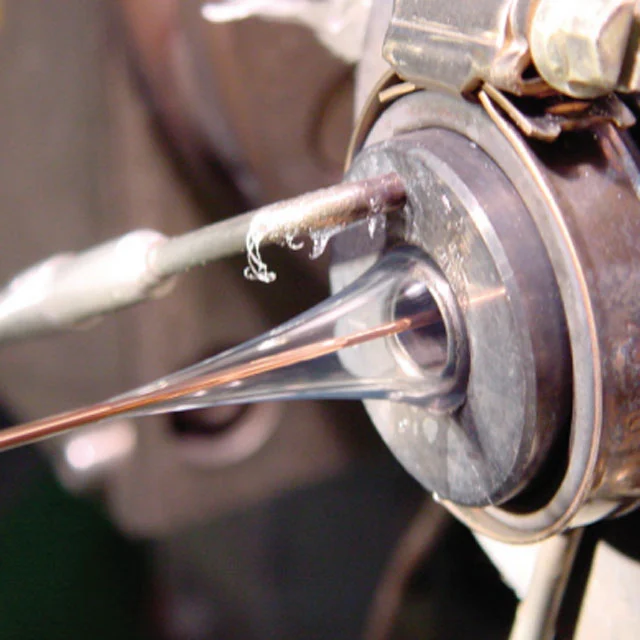
Melt Extrusion
Processors melt-extrude PFA — the most common method for tubing, wire coating and films — molten PFA through a die creates continuous profiles with uniform thickness.
PFA Chemical Resistance
PFA is inert to virtually all industrial chemicals across a wide temperature range — from cryogenic conditions to 260°C continuous use — which is why it’s specified for high-purity fluid handling where failure isn’t an option.
| Chemical | Class | Resistance |
|---|---|---|
| Sulfuric acid (98%) | Mineral acid | Excellent |
| Hydrofluoric acid (49%) | Mineral acid | Excellent |
| Aqua regia | Oxidizing acid mixture | Excellent |
| Sodium hydroxide (50%) | Strong base | Excellent |
| Tetrahydrofuran, DMF, chlorinated hydrocarbons | Organic solvents | Excellent |
| Elemental fluorine, molten alkali metals | — | Not recommended (known exceptions) |
PFA’s ultra-high-purity (UHP) grades meet SEMI F-57 with extractables below 10 ppb, and satisfy USP Class VI requirements — the chemical-resistance profile above holds across that same purity range, which is why PFA is the default choice for semiconductor wet-process and high-purity fluid-handling equipment.
Why Choose Peflon PFA Material
Peflon focuses exclusively on industrial-grade and high-purity PFA raw materials — certified manufacturing, strict QC and tailored OEM solutions for long-term partnership.
Reliable Source & Stable Quality
- Every stage of polymerization and compounding is under our control SOP.
- Products manufactured under ISO 9001 / ISO 14001 — consistent melt flow, low impurities, excellent batch reproducibility.
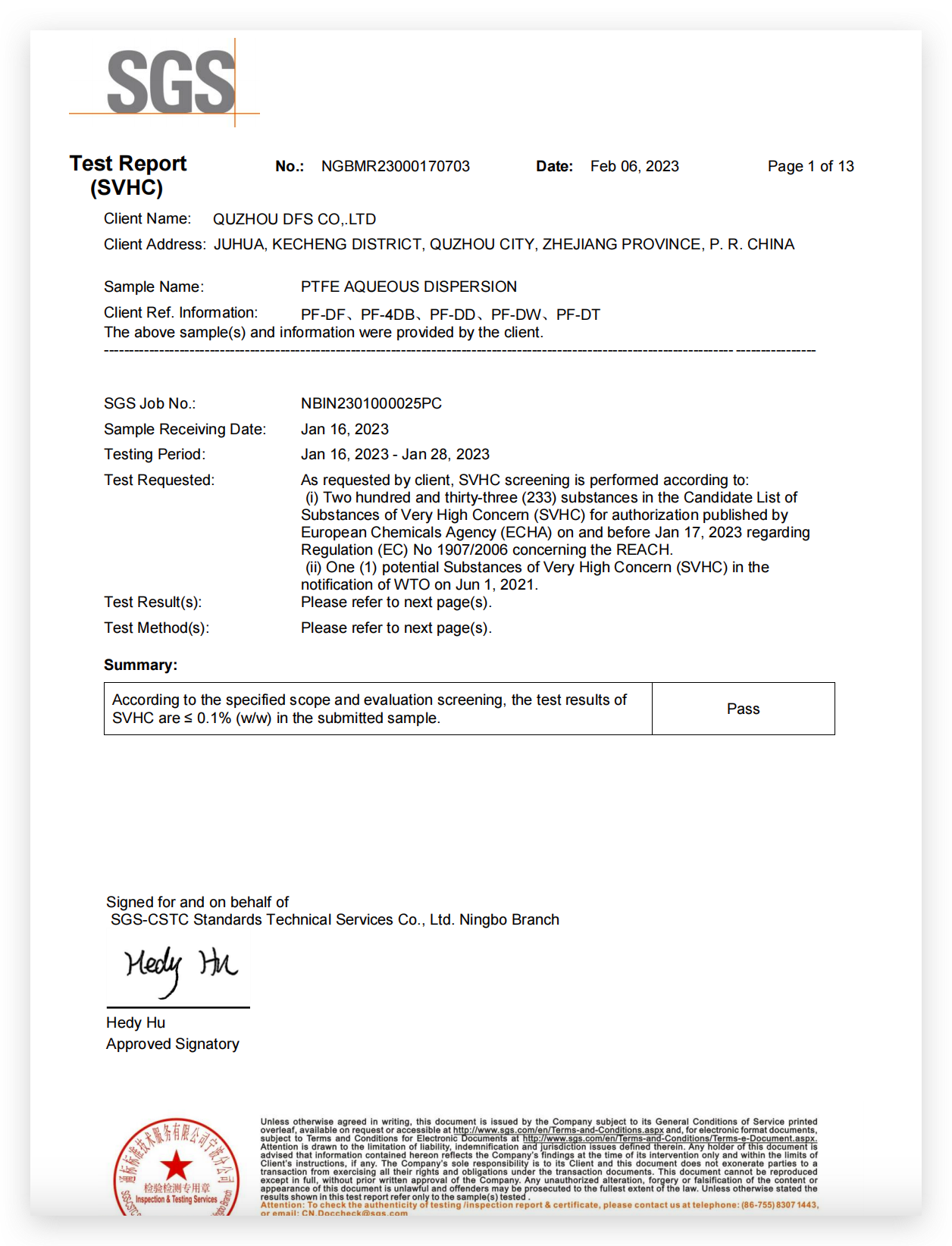
Quality Testing & Certification
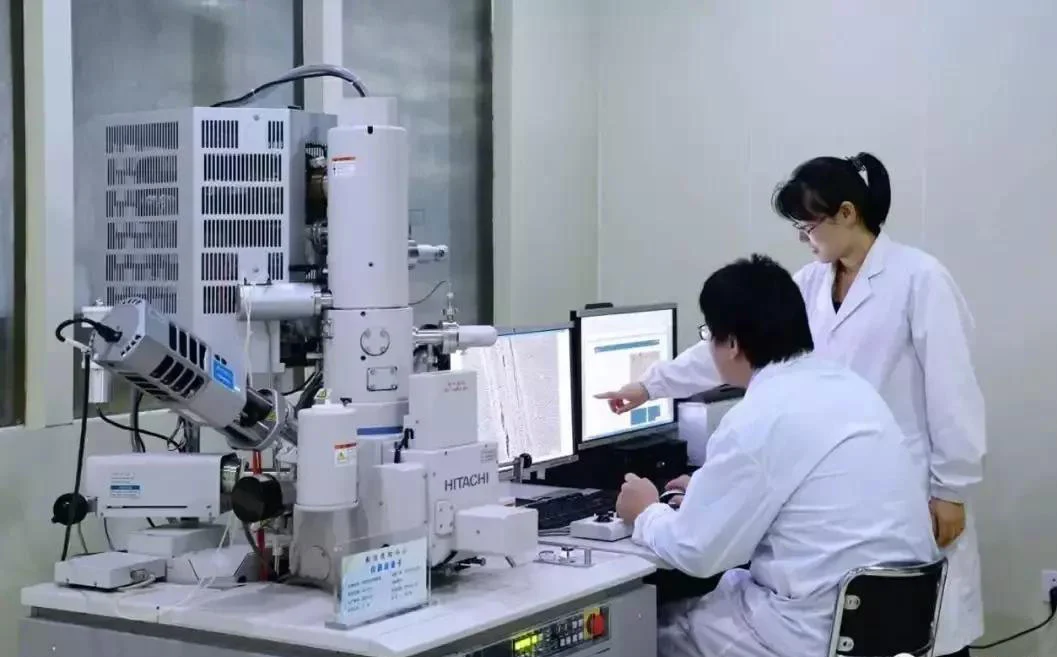
- In-house plus third-party lab testing.
- Meets or exceeds ASTM D3307 and SEMI F-57.
- ICP-MS, SEMI purity testing, melt-flow QC, COA per batch.
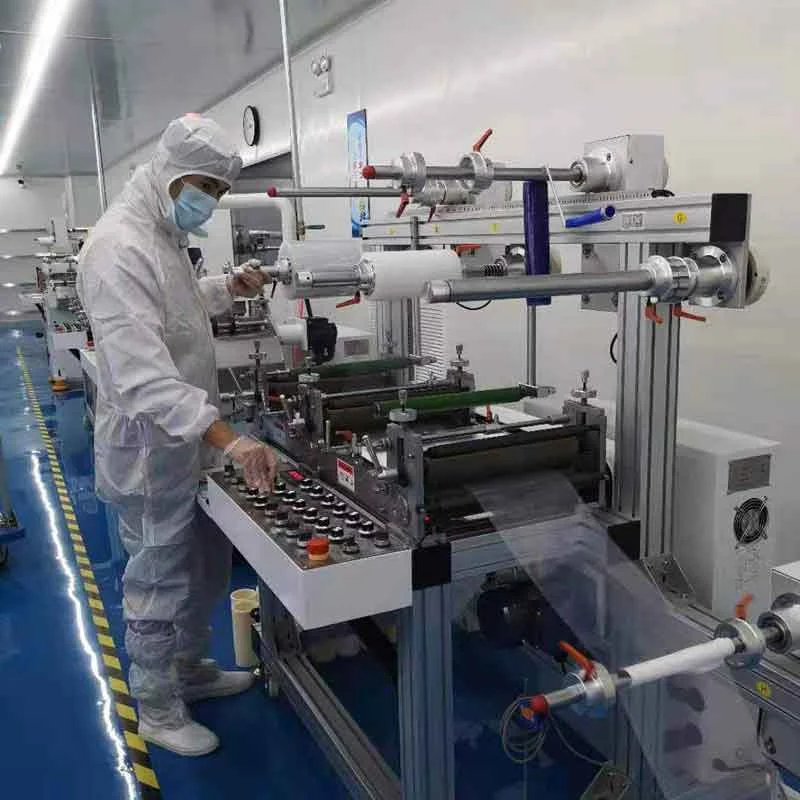
Technical Support
- R&D partnership: custom PFA formulations, melt-flow adjustments and packaging solutions.
- OEM packaging, private label, fast samples.
Frequently Asked Questions
These are the questions buyers ask most before ordering PFA material — covering composition, comparison to other fluoropolymers and grade selection.
What is PFA material made of?
PFA is a perfluoroalkoxy fluoropolymer, copolymerized from tetrafluoroethylene (TFE) and perfluoroalkyl vinyl ether (PAVE) — combining high purity with melt processability.
What’s the difference between PFA vs PTFE?
Both are fluoropolymers, but PFA is melt-processable and more flexible, while PTFE offers slightly higher chemical resistance but cannot be molded by conventional melt processing.
How does PFA vs FEP compare?
PFA withstands higher temperatures (up to 260°C) and offers better mechanical strength. FEP is easier to process but less heat-resistant.
How does PFA differ from ETFE and PVDF?
PFA offers superior purity and chemical resistance. ETFE is stronger but less inert; PVDF has good mechanical strength but lower temperature tolerance.
Related Products
FEP
Need easier processing than PFA at a lower 200°C service ceiling? Peflon supplies FEP resin, powder and dispersion grades.
PCTFE
Need near-zero gas permeation beyond PFA’s barrier? PCTFE is the higher-barrier fluoropolymer for cryogenic and pharma packaging.
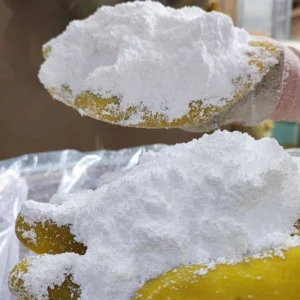
What is PTFE
Need PTFE’s slightly higher chemical resistance and don’t require melt-processability? Compare grades before you switch.
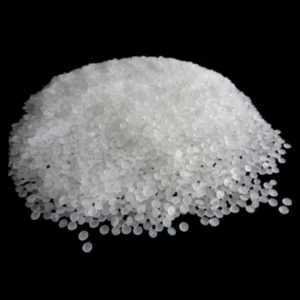
PVDF
Need higher mechanical strength at a lower temperature ceiling? PVDF trades some heat resistance for toughness and cost.
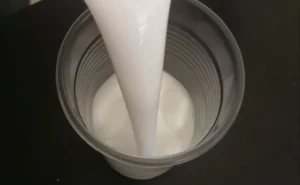
PTFE Dispersion
Already sourcing PFA dispersion? Peflon also supplies PTFE dispersion for coating and impregnation on the same production line.
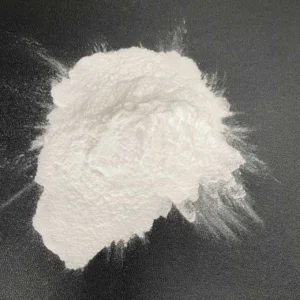
PTFE Micropowder
Need a finer particle size than PFA micro powder for additive or thin-film use? Peflon supplies PTFE micro powder grades too.
Technical Support for PFA Material
Peflon goes beyond supplying PFA — our engineers help you select the right grade, optimize extrusion and coating parameters, and troubleshoot processing challenges. We offer melt-flow testing, purity analysis and PFA vs PTFE / FEP performance comparison.
What Is PFA? What Is PFA Used For?
New to PFA? This covers what it is and where it’s used before you commit to a grade.
PFA Material: Properties, Applications, and PFA vs PTFE
Comparing PFA to PTFE for your application? This breaks down the property differences that actually matter.
How to Select the Right PFA Material
Picking the wrong PFA grade is expensive to fix after tooling — this walks through the selection decision.
Contact Us for PFA Material
Whether you’re a distributor, OEM factory or R&D engineer — submit an inquiry and a specialist will respond within 24 hours with data sheets, sample options and quotation.