
PTFE Teflon Rod
PTFE rods machined from polytetrafluoroethylene for oil & gas, automotive, medical and chemical processing. Virgin and filled grades, molded or extruded — diameters from 1 mm to 1000 mm.
- Electrical Insulation
- Highly Chemical Resistant
- Low Friction Coefficient
- Excellent Thermal Stability
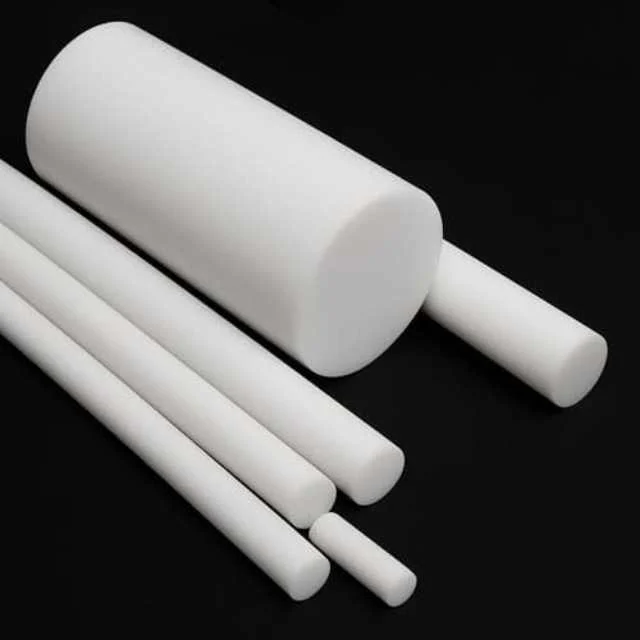
PTFE Rods by Process
Two forming methods — choose by target diameter, length and application. PTFE rod is machined from polytetrafluoroethylene (PTFE) resin, compression-molded for large diameters or ram-extruded for long continuous lengths.
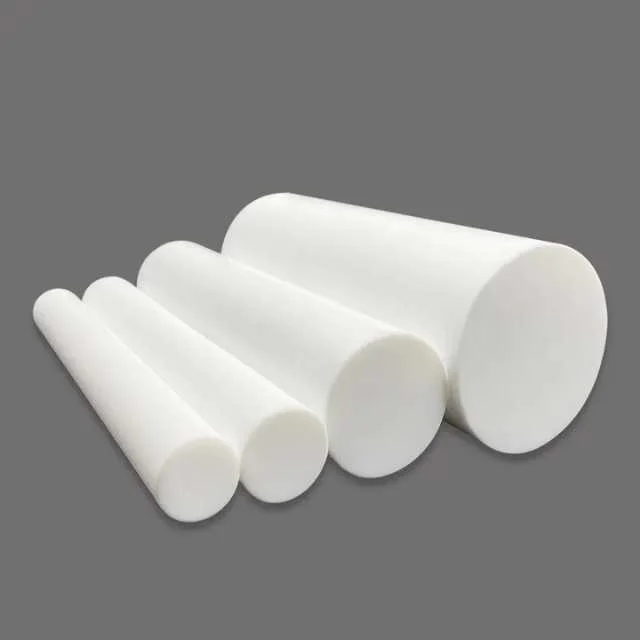
PTFE Molding Rod
Molded from PTFE powder via compression sintering — large diameters and thick cross-sections.
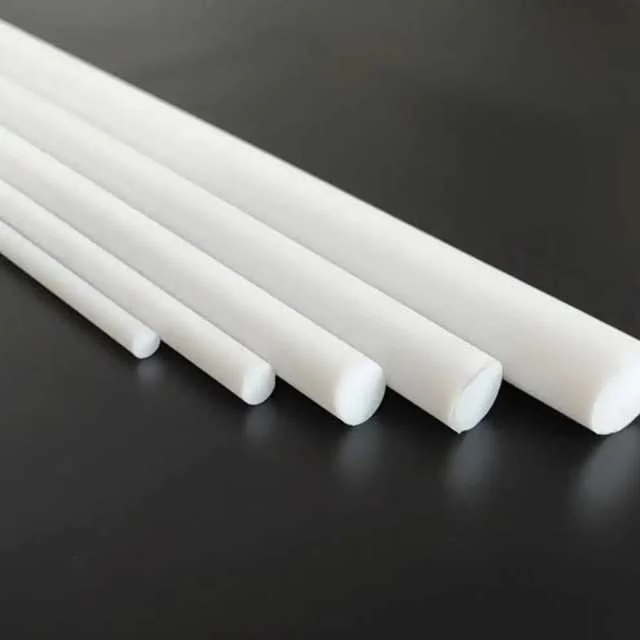
Extruded PTFE Rod
Ram-extruded from PTFE pre-sintered resin — long continuous lengths at smaller diameters.
| Process | Diameter | Length | Typical Applications |
|---|---|---|---|
| Compression Molding | 25 – 1000 mm | 100 – 300 mm | Seals, gaskets, valve seats, mechanical parts |
| Ram Extrusion | 1 – 200 mm | 1000 – 2000 mm | Bearings, sliders, bushings, mechanical parts |
PTFE Rod by Filler / Material
Five grades — virgin PTFE plus four filler systems — each tuned for specific mechanical, thermal or electrical performance. Every grade is based on PTFE (CAS 9002-84-0); virgin PTFE is inert and FDA food-contact compliant (21 CFR 177.1550) for food, medical and high-purity service.
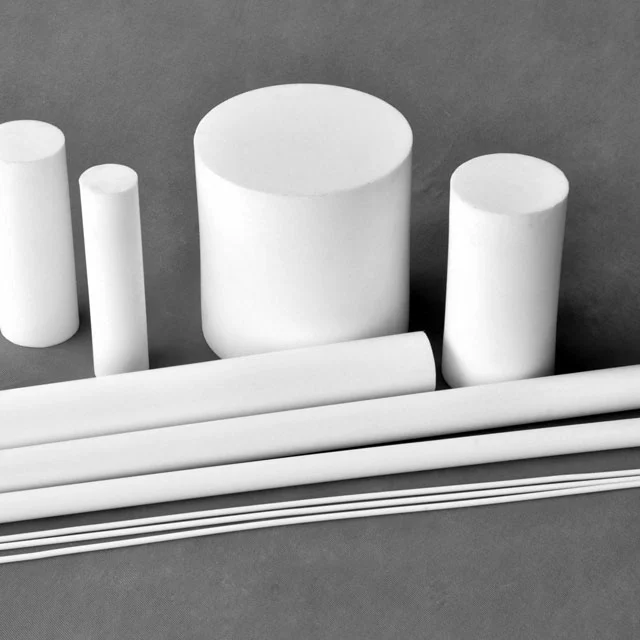
Virgin PTFE Rod
Material: 100% pure PTFE, no fillers. Features: Excellent chemical & thermal resistance, low friction, strong electrical insulation. Applications: Food, medical, electronics, chemical — high-purity corrosion-resistant service.
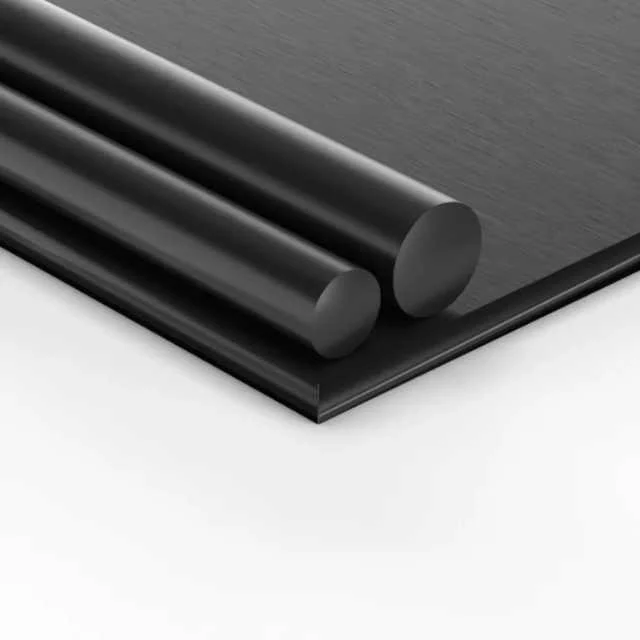
Carbon-Filled PTFE Rod
Material: 15–25% carbon fiber. Features: Improved electrical conductivity and abrasion resistance. Applications: Bearings, sliding parts, high-strength heat-resistant components.
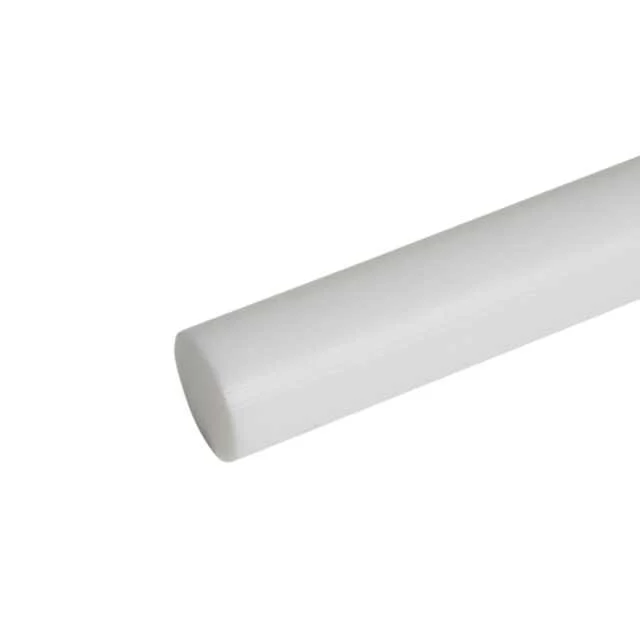
Glass-Filled PTFE Rod
Material: 5–40% fiberglass. Features: Increased mechanical strength and wear resistance. Applications: Seals, gaskets, bearings — high-load and high-temperature service.
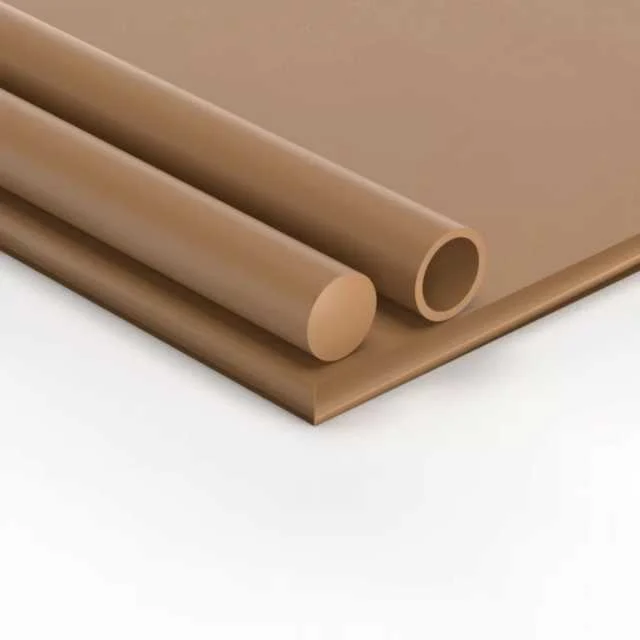
Bronze-Filled PTFE Rod
Material: 40–60% bronze. Features: Higher mechanical strength, hardness and thermal conductivity. Applications: Plain bearings, valve seats, high-friction / high-temperature service.
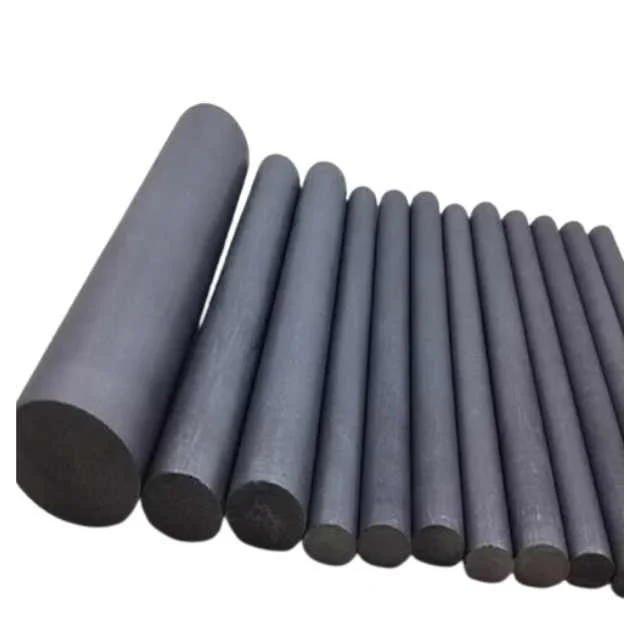
Graphite-Filled PTFE Rod
Material: 5–15% graphite. Features: Enhanced thermal conductivity and anti-static properties. Applications: Valve seats, piston rings, self-lubricating low-friction bearings.
PTFE Rod Applications
Chemical stability, temperature range, low friction and electrical insulation make PTFE rod the right fit across industrial markets.
Bearings
Low friction coefficient for non-lubricated bearings — extended equipment life.
Seals & Gaskets
Gaskets, O-rings, sealing rings — compatible with strong corrosive media.
Pipe Lining
Lining for chemical pipes and joints — prevents aggressive chemical corrosion.
Valve Accessories
Valve seats and stem seal rings — corrosion resistance at elevated temperatures.
What Our Customers Say
Ishita Malhotra
We have been purchasing Peflon PTFE rod for a long time to produce seals for chemical equipment. Excellent corrosion resistance — stable even in strong acid and alkali environments, significantly extending equipment service life.
Kylo James
The low-friction characteristics of PTFE rod allow our guideway slides to run smoother while reducing lubricant use — increased productivity and lower maintenance cost.
Ella Perez
Peflon's PTFE rod dramatically reduces the friction in our guideways — smoother operation, less lubricant, better productivity.
Elsie Ross
We are always looking for high-quality suppliers at a reasonable price, and Peflon's PTFE rod fulfills both requirements perfectly.
Related Products
Need rectangular block or plate instead of rod? See our PTFE blocks, billets & thick molded plate.

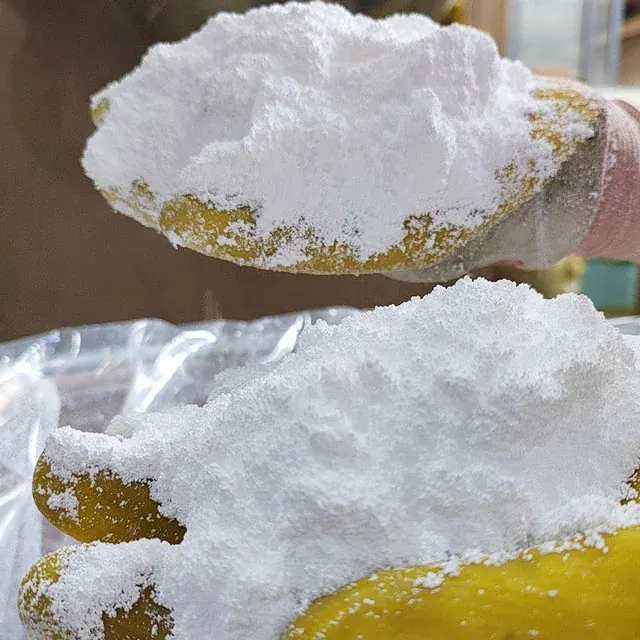
PTFE Dispersion
PTFE aqueous dispersion, CAS 9002-84-0 — particle 0.2–0.4 μm, pH 8–10, solid 60 ± 2 %; for impregnating, coating, dust control and battery binder.
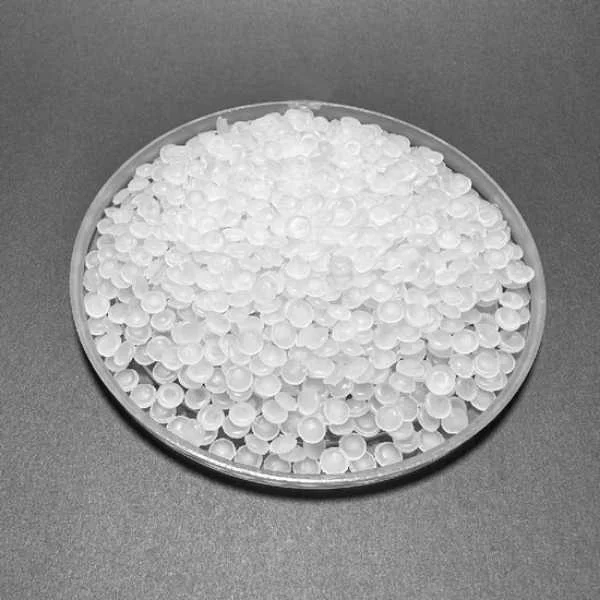
PTFE Molding Powder
PTFE granular molding powder, CAS 9002-84-0 — particle 60–260 μm, MP 327 ± 5 ℃; for tube, rod, bar, sheet, plate and seals.
PFA Material Supplier | Peflon
PFA resin, CAS 26655-00-5 — MFR 0.8–30 g/10 min, MP 310 ℃; for pipe liners, pumps, valves, wire, cable, film and semiconductor.
PTFE Resin
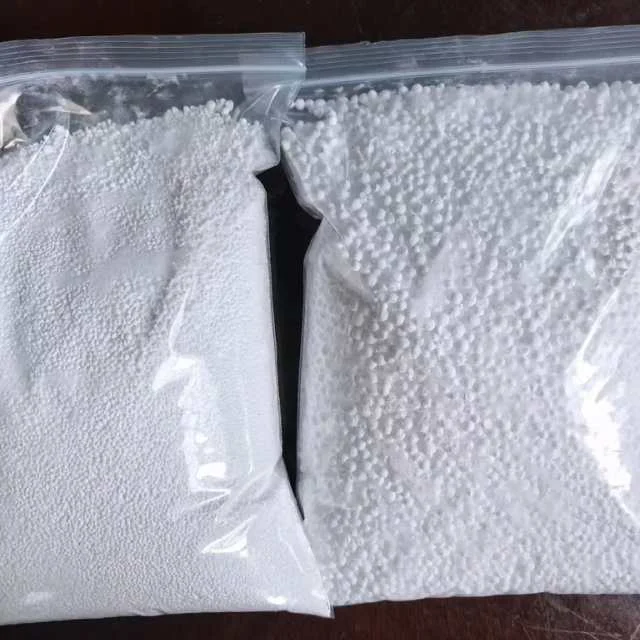
PTFE fine powder, CAS 9002-84-0 — particle 450–750 μm, MP 327 ± 5 ℃; for film, tube, wire and cable, seal tape, hose and sleeving.
PCTFE
PCTFE resin, CAS 9002-83-9 — service −196 ℃ to 125 ℃; for tablet sheets, seals, gaskets, aerospace, medical and liquid-nitrogen valve linings.
PTFE Rod FAQ
Should I choose virgin or filled PTFE rod?
Choose virgin PTFE rod for maximum chemical purity, corrosion resistance and electrical insulation. Choose a filled grade — carbon, glass, bronze or graphite — when you need higher mechanical strength, wear resistance, thermal conductivity or lower creep under load. Send us your load, temperature and media and we will recommend the right grade.
What is the difference between molded and extruded PTFE rod?
Compression-molded rod covers large diameters (25–1000 mm) in shorter lengths (100–300 mm), ideal for seals, gaskets and valve seats. Ram-extruded rod gives long continuous lengths (1000–2000 mm) at smaller diameters (1–200 mm), ideal for bearings, sliders and bushings. Choose by your target diameter and length.
What diameters and lengths can you supply?
We supply PTFE rod from 1 mm to 1000 mm in diameter and up to 2000 mm in length, depending on the forming process, and we cut rod to your required length.
Is virgin PTFE rod food- and medical-safe?
Yes. Virgin PTFE is inert, non-toxic, odorless and FDA food-contact compliant (21 CFR 177.1550), making virgin PTFE rod suitable for food, medical, pharmaceutical and high-purity service.
Do you offer custom sizes, filled grades, OEM and samples?
Yes. We produce custom diameters, lengths and filler formulations, support OEM and private-label supply, and provide samples with TDS and COA for qualification.
Let's Start a New Project Together
Whether you need stock diameters, custom lengths or filled-grade formulations — send us your spec and we'll quote within 24 hours.