
Glass Filled PTFE
Peflon glass-filled PTFE — pure PTFE reinforced with glass fibers to deliver higher mechanical strength, abrasion resistance and dimensional stability while preserving PTFE's chemical inertness and low friction.
- 15 / 25 / 30 % Fill Options
- Enhanced Strength & Rigidity
- Chemical Inertness Retained
- Heat-Distortion Stable
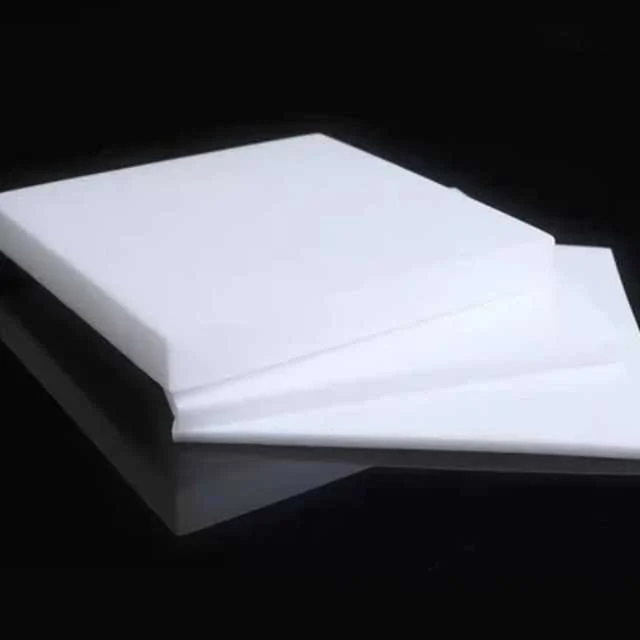
Glass Filled PTFE Filler Content
Selection of the appropriate glass-fiber percentage depends on application requirements. Three stocked compositions balance reinforcement against PTFE's core properties — choose by target strength, wear and chemical-inertness profile. The base resin is PTFE (CAS 9002-84-0), a fluoropolymer commercialized by upstream producers such as Daikin, reinforced with milled or chopped glass fiber to raise strength and dimensional stability.
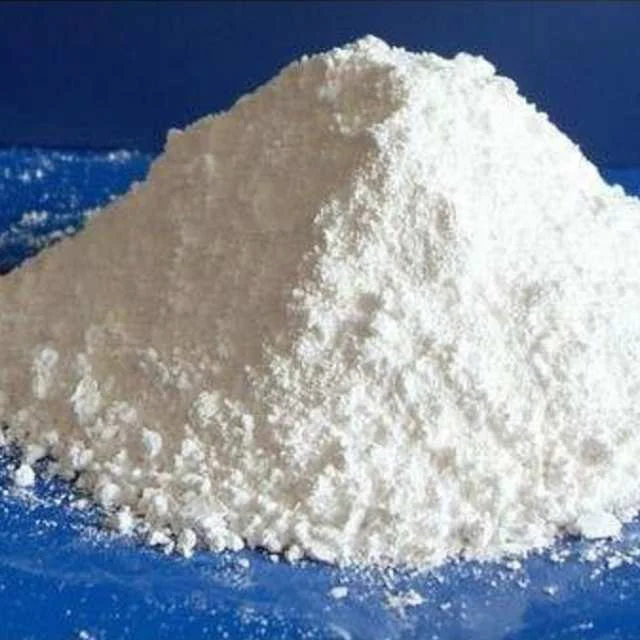
15% Glass Filled PTFE
Some reinforcement while preserving PTFE's low coefficient of friction and chemical inertness — minimal compromise on the PTFE signature properties.
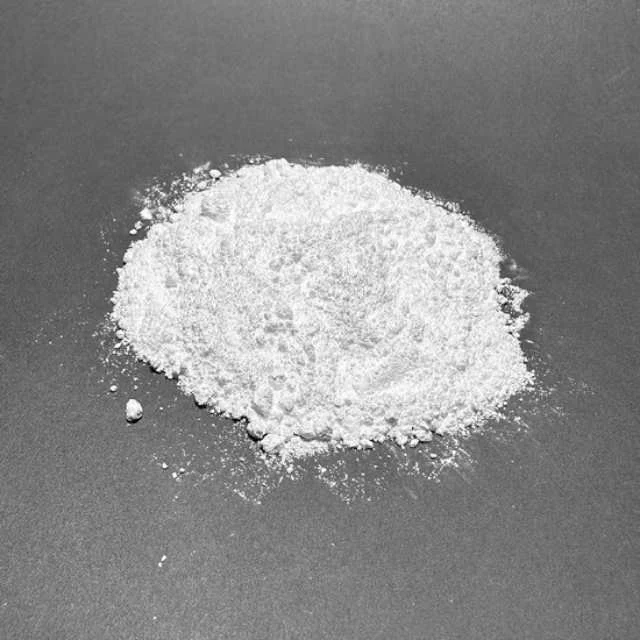
25% Glass Filled PTFE
Common formulation — good mechanical strength and wear resistance. Widely specified for bearings, seals and structural components.
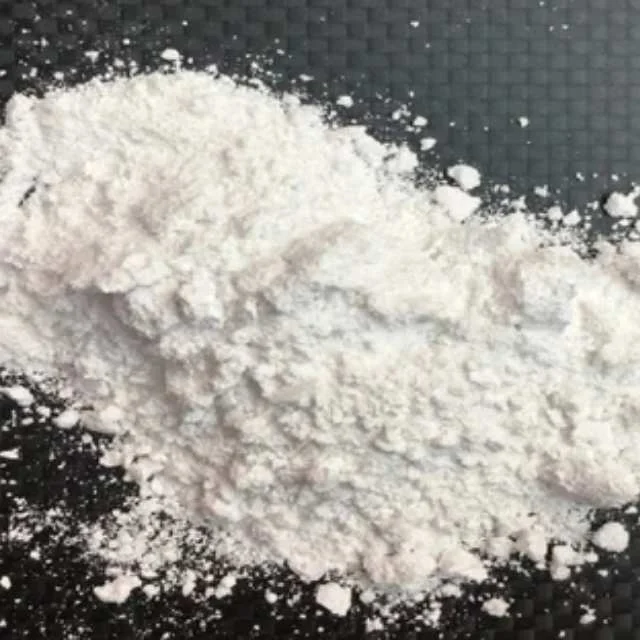
30% Glass Filled PTFE
Further enhances mechanical strength, creep resistance and dimensional stability — for highest-load applications.
| Grade | Glass Loading | Strength & Rigidity | Wear & Creep Resistance | Best For |
|---|---|---|---|---|
| 15% Glass Filled PTFE | 15% | Light | Improved | Minimal compromise on PTFE friction and inertness |
| 25% Glass Filled PTFE | 25% | Good | Good | Bearings, seals and structural components |
| 30% Glass Filled PTFE | 30% | Highest in range | Highest in range | Highest-load applications |
Applications of Glass Filled PTFE
Peflon glass-filled PTFE is used across industries requiring a combination of mechanical strength, wear resistance, low friction and chemical inertness — four stock product forms cover most machining and assembly needs.
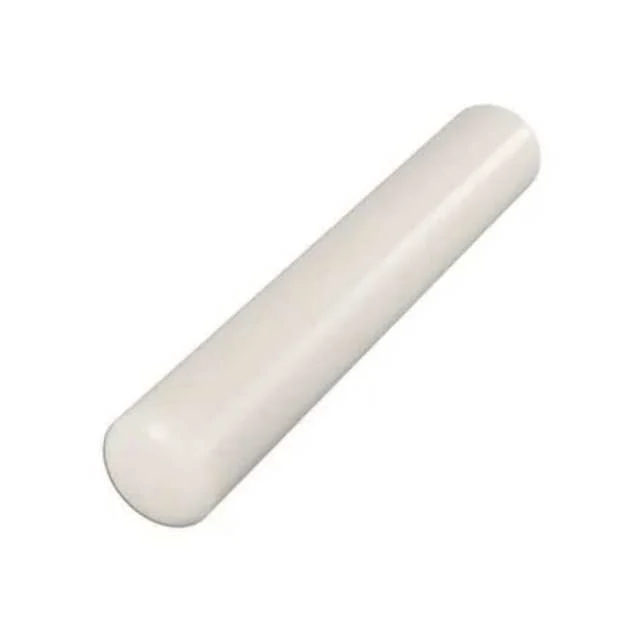
Glass-Filled PTFE Rod
Cylindrical stock for machined bushings, slide bearings and structural components.
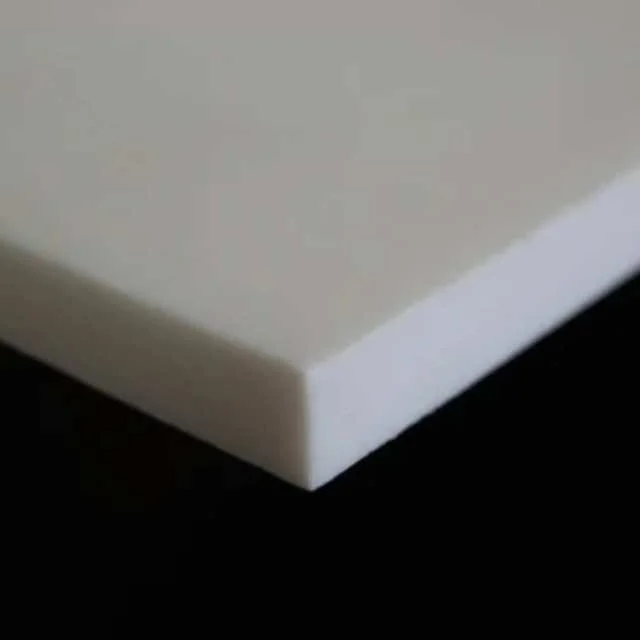
Glass-Filled PTFE Sheet
Flat stock for gaskets, liners and sliding pads where higher strength is needed.
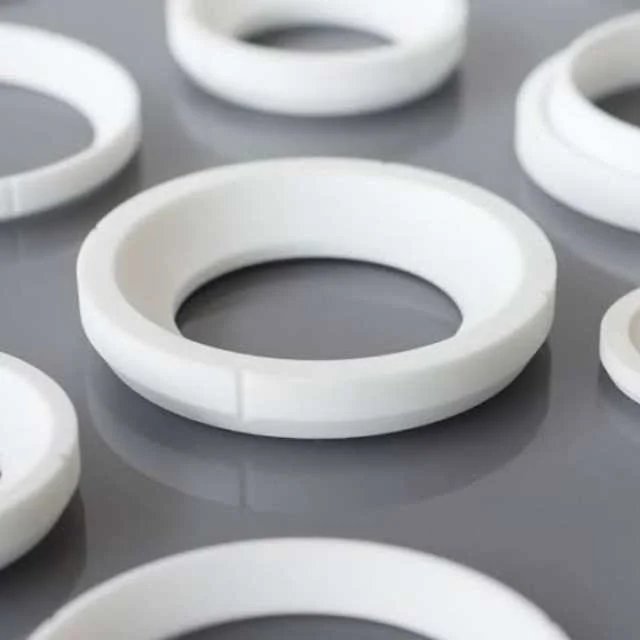
Glass-Filled PTFE Seals
Valve seats, piston rings and dynamic sealing elements for high-pressure service.
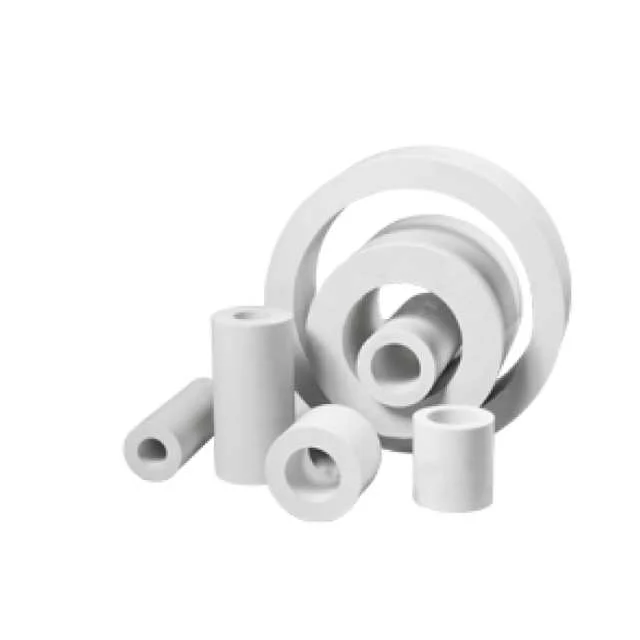
Glass-Filled PTFE Assemblies
Machined sub-components built to your drawing — full CNC and tolerancing support.
Key Features of Glass Filled PTFE
Peflon glass-filled PTFE combines the structural benefits of glass fiber reinforcement with PTFE's signature chemical and thermal stability — five defining performance attributes.
- Enhanced Strength & Rigidity — Glass fibers improve tensile strength and rigidity — more resistant to abrasion and deformation.
- Improved Abrasion Resistance — Glass-fiber filler extends service life in wear-intensive applications.
- Chemical Inertness Maintained — PTFE's resistance to most chemicals is preserved despite the filler.
- High-Temperature Resistance — Glass filler preserves PTFE's elevated-temperature stability.
- Heat-Distortion Stability — Improved dimensional stability under high-temperature load.
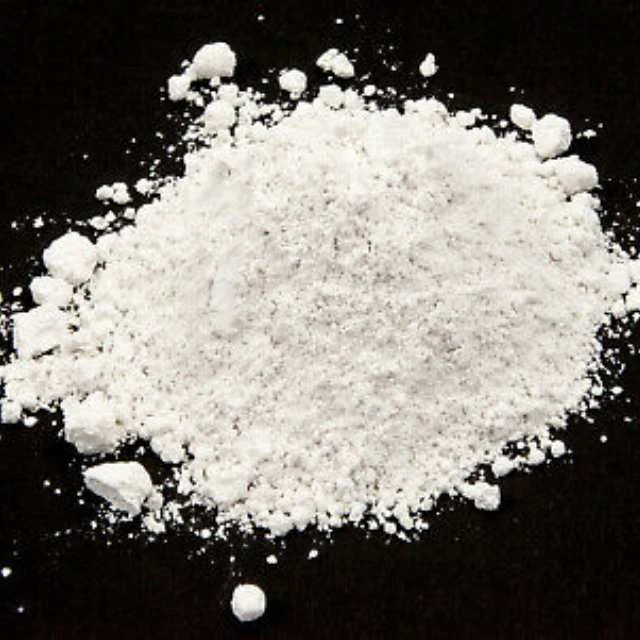
FAQ of Glass Filled PTFE
What is glass-filled PTFE?
Glass-filled PTFE is a PTFE compound reinforced with 15–30% glass fiber. The glass raises mechanical strength, abrasion resistance and dimensional stability while the compound retains PTFE's chemical inertness and low coefficient of friction — a common choice for load-bearing bearings and seals.
Which glass loading should I choose — 15%, 25% or 30%?
15% adds light reinforcement with minimal compromise on PTFE's friction and inertness; 25% is the common general-purpose grade for bearings, seals and structural components; 30% gives the highest strength, creep resistance and dimensional stability for the heaviest loads. We match the filling ratio to your loading and wear profile.
What are the main applications of glass-filled PTFE?
It is specified for slide bearings, bushings, gaskets, sliding pads, valve seats, piston rings and other dynamic sealing elements — anywhere mechanical strength, wear resistance, low friction and chemical inertness must coexist.
In what forms do you supply glass-filled PTFE?
We stock rod and sheet, mold seals and piston rings, and machine finished assemblies and sub-components to your drawing with full CNC and tolerancing support.
How does glass-filled PTFE compare to graphite- or bronze-filled PTFE?
Glass adds structural rigidity, creep resistance and dimensional stability; graphite is a solid lubricant that lowers friction and improves dry running; bronze adds hardness and thermal conductivity for heavy loads. The right filler depends on whether you prioritize stiffness, lubricity or load capacity.
Other Filled PTFE Grades
Other Peflon filled PTFE compounds for adjacent performance profiles — graphite for self-lubrication, bronze for hardness, MoS₂ for dry-film lubricity.

Modified PTFE
Overview of Peflon modified PTFE compounds and how to select a filler.
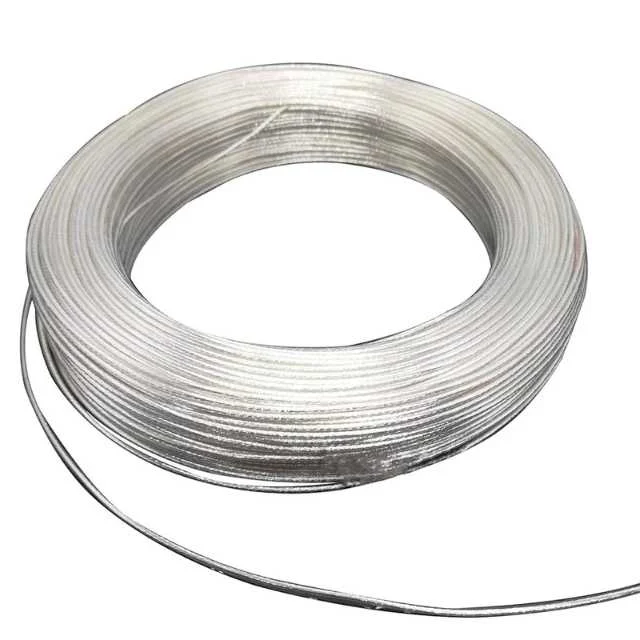
Graphite-Filled PTFE
Solid-lubricant graphite for lower friction and self-lubrication.
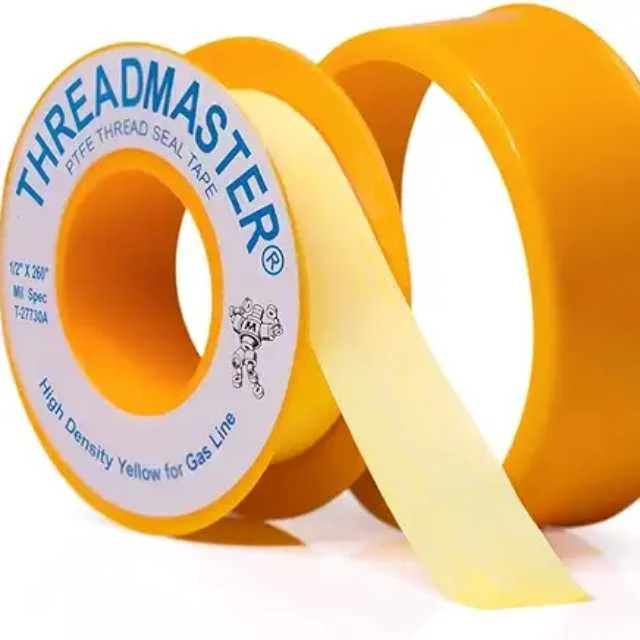
bronze-filled-PTFE
Higher hardness and thermal conductivity for heavy-friction service.
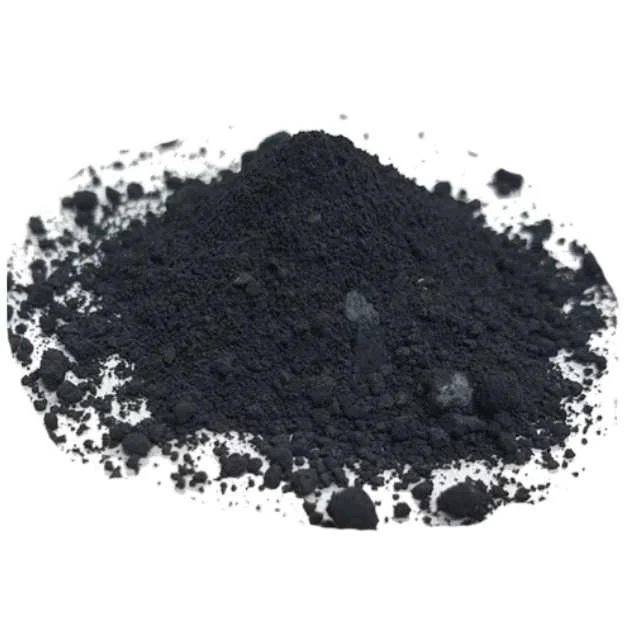
MoS₂ Filled PTFE
Molybdenum disulfide for dry-film lubrication under extreme pressure.
Need glass-filled PTFE for your bearings or seals?
Tell us your loading, wear profile and operating temperature and we will recommend the glass loading and form — rod, sheet, seal or machined assembly — that fits your application.