
Silicone Microspheres for High-Haze LED & LCD Light Diffusion
High transparency · Uniform particle size · Excellent thermal stability. Spherical polymethylsilsesquioxane (PMSQ) light-diffusion microspheres for PC, PMMA and silicone-resin diffuser systems.
- Optical-Grade Diffusion — boost haze & brightness uniformity in PC/PMMA/PCB diffusers
- Ultra-Narrow Particle Size Distribution — stable D50 for repeatable optical output
- High-Temperature & UV Resistance — LED lighting, displays, outdoor applications
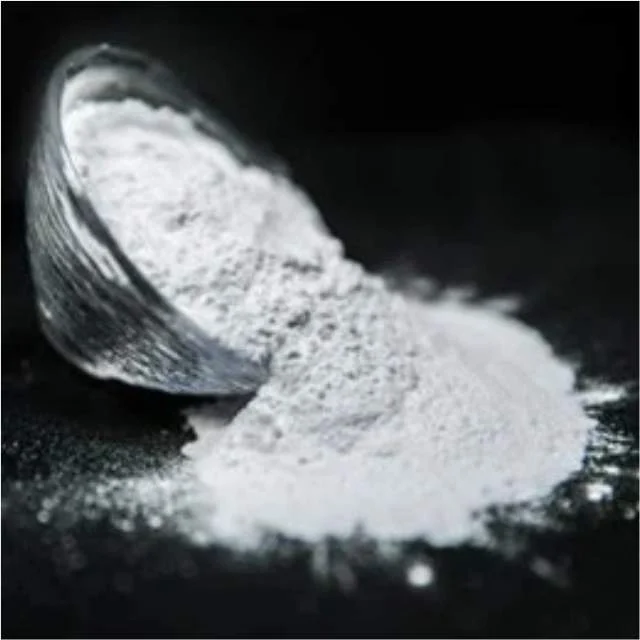
What Are Silicone Microspheres for Light Diffusion?
Silicone microspheres — also known as polymethylsilsesquioxane (PMSQ) — are high-purity spherical silsesquioxane resin particles designed to improve light diffusion, haze and brightness uniformity in LED and LCD applications. Unlike traditional PMMA or glass microspheres, silicone microspheres deliver higher heat resistance, better UV stability and more consistent optical scattering — ideal for modern high-output lighting systems.
These microspheres scatter incoming LED light in multiple directions, eliminating common lighting defects such as hot spots, bright rings, uneven brightness and tiger stripes often seen in PC and PMMA diffuser materials.
Because this PMSQ silicone resin has a unique refractive index and remains stable at high temperatures, manufacturers achieve high haze with minimal loss of transparency — a key requirement for LED lamp covers, LCD diffuser sheets and backlight modules.
Typical Applications
- LED lamp covers & tubes
- LCD backlight diffuser sheets
- Light guide plates (LGP)
- PMMA / PC diffuser panels
- Outdoor architectural lighting
- High-power industrial LED fixtures
Silicone Microsphere Grade Table
Six light-diffusion grades PF-900–PF-905 by median particle size (D50 0.8–5 µm). Click a grade to download its TDS.
| Grade | Appearance | D50 (µm) | Bulk Density (g/L) | Refractive Index | Moisture (%) | Thermal Wt Loss (%) |
|---|---|---|---|---|---|---|
| PF-900 | White spherical powder | 0.8 – 1 | 400 – 600 | 1.40 – 1.43 | < 1.0 | < 1.5 |
| PF-901 | White spherical powder | 1.5 | 400 – 600 | 1.40 – 1.43 | < 1.0 | < 1.5 |
| PF-902 | White spherical powder | 2 | 400 – 600 | 1.40 – 1.43 | < 1.0 | < 1.5 |
| PF-903 | White spherical powder | 3 | 400 – 600 | 1.40 – 1.43 | < 1.0 | < 1.5 |
| PF-904 | White spherical powder | 4 | 400 – 600 | 1.40 – 1.43 | < 1.0 | < 1.5 |
| PF-905 | White spherical powder | 5 | 400 – 600 | 1.40 – 1.43 | < 1.0 | < 1.5 |
Key Properties of Silicone Microspheres for Light Diffusion
Seven defining performance attributes that make silicone microspheres the go-to choice for high-output LED and LCD diffusion systems.
High Haze Efficiency with Minimal Light Loss
Controlled light scattering improves haze 5–30% depending on dosage. Even at 0.5–3% loading, eliminates LED hot spots and enhances brightness uniformity.
Excellent Transparency Retention
Maintains high light transmittance 80–93% — diffuser parts deliver bright, natural illumination rather than dim or cloudy results.
Ultra-Narrow Particle Size Distribution
Tight D50 control (typically 2–9 μm) prevents optical fluctuation — repeatable results across batches. Narrow D10–D90 span reduces haze and brightness variation.
High Thermal & UV Stability
Stable up to 250–300 °C — suitable for high-power LED modules, outdoor lighting, automotive lamps and PC/PMMA injection molding. Resists yellowing under long-term UV.
Excellent Dispersibility in PC / PMMA / Silicone Resin
Surface chemistry enables easy incorporation into PC/PMMA resin pellets, no agglomeration during extrusion or injection molding, uniform haze across the final part.
Adjustable Optical Performance
Fine-tune haze / transmittance balance by selecting D50:
- 2–4 μm: higher transmittance, lower haze
- 4–6 μm: balanced haze + transparency
- 6–9 μm: high haze for lamp covers & tubes
Chemically Stable, Safe & Non-Yellowing
Excellent chemical resistance. Non-reactive with PC/PMMA or UV stabilizers. Remains white, clear and non-yellowing over long-term service.
Related Peflon Silicone Microsphere Lines
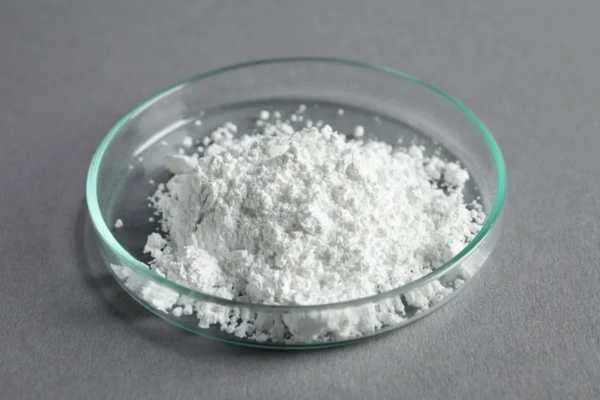
Polymethylsilsesquioxan
The base spherical PMSQ resin — material properties, cosmetic grades and full technical specifications.
Cosmetic-Grade Silicone Microspheres
Soft-focus PMSQ microspheres for foundation, primer, eye and nail cosmetic formulations.
FAQ — Silicone Microspheres for Light Diffusion
1. Why choose silicone microspheres over PMMA microspheres for LED diffusers?
Silicone microspheres offer higher thermal stability (250–300 °C) and better UV/yellowing resistance — critical for high-power LED applications. They also deliver a more consistent and softer diffusion effect, reducing hot spots without sacrificing transparency. More suitable for PC/PMMA LED lamp covers and LCD diffuser sheets than PMMA or inorganic fillers.
2. How do I select the right particle size (D50) for my LED diffuser project?
- 0.8 – 2.0 μm: ultra-fine, LCD backlight
- 2 – 4 μm: higher transmittance, low haze — LCD backlight and LGP
- 4 – 6 μm: balanced haze + brightness — PMMA diffusers
- 6 – 9 μm: high haze — PC LED lamp covers / tubes
We can also recommend the optimal D50 based on your required haze %, lux uniformity and molding process.
3. Will using silicone microspheres reduce the total light output (lumens)?
No — when used correctly (0.5–3%), silicone microspheres maintain high transmittance (80–93%). Their refractive index is closer to PC/PMMA resin, so they scatter light effectively without significantly reducing brightness — unlike some inorganic diffusion agents.
4. What is the recommended loading level in PC / PMMA for diffuser applications?
Typical dosage is 0.5 – 3%, depending on:
- Desired haze level
- Required transmittance
- Part thickness
- Resin type (PC vs. PMMA vs. silicone resin)
For high-haze LED lamp covers, 2% is common; for LCD diffuser sheets, 0.5–1% is usually enough.
5. Are your silicone microspheres REACH compliant and suitable for EU exports?
Yes. All grades ship with REACH (incl. SVHC), RoHS, SDS, TDS and COA. We also provide 3-year retained samples + full batch traceability — helps customers pass OEM audits, supply-chain inspections and lighting-brand approvals in the EU.
Need the right diffusion grade for your LED or LCD project?
Send your target haze, transmittance, resin (PC / PMMA / silicone) and part thickness — we will recommend the PF-900 grade and D50, and ship samples with TDS, SDS and COA.