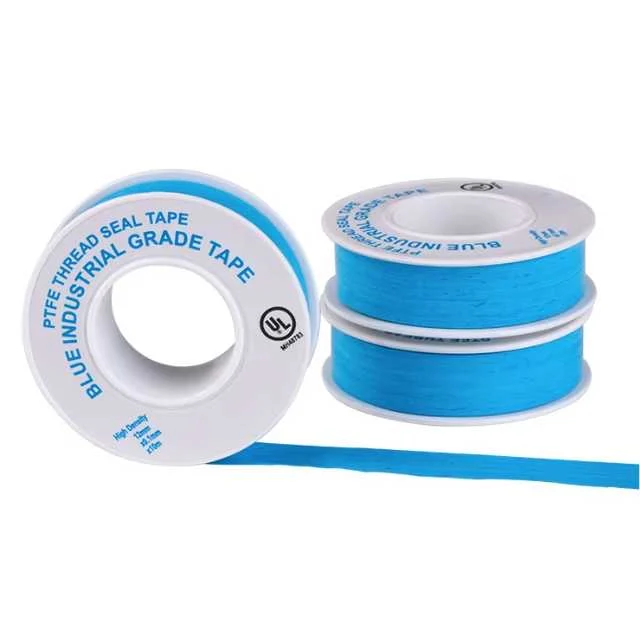
Most buyers treat PTFE tape as a commodity. I’ve seen this mistake too many times—especially from distributors trying to win on price. Then the complaints start: leaks, callbacks, lost trust.
The issue is simple but costly. Not all PTFE tape performs the same.
From my experience at Peflon working with industrial buyers and distributors, the real difference between blue and white tape is not color—it’s density, sealing reliability, and profit structure.
This guide goes deeper than typical content. I’ll show you not just what works—but what actually sells and makes money.
What Is the Difference Between Blue and White PTFE Tape?
Blue PTFE tape is a high-density, thicker sealing material designed for professional and industrial use, while white PTFE tape is a low-density, general-purpose option mainly used in plumbing.
Key differences:
-
White PTFE tape
- Low density
- Thin structure
- Designed for water systems
-
Blue PTFE tape
- High density
- Thicker film
- Built for higher pressure and reliability
According to :contentReference[oaicite:0]{index=0} standard ASTM D3295, performance depends on density and thickness—not color itself, but market practice strongly links color to grade.
Engineering Comparison: Blue vs White PTFE Tape
Core Property Matrix
| Parameter | White PTFE Tape | Blue PTFE Tape |
|---|---|---|
| Density | 0.2 – 0.4 g/cm³ | 0.7 – 1.2 g/cm³ |
| Thickness | 0.075 – 0.1 mm | 0.1 – 0.2 mm |
| Tensile Strength | Low | High |
| Elongation | 50–100% | 100–200% |
| Temperature Resistance | up to 260°C | up to 260°C |
| Pressure Suitability | Low–Medium | Medium–High |
Performance Matrix: Density vs Sealing Reliability
Real Engineering Behavior
| Density Level | Wrap Count Needed | Leak Risk | Recommended Use |
|---|---|---|---|
| Low (White) | 5–8 wraps | Medium–High | Plumbing |
| Medium | 4–6 wraps | Medium | Light industrial |
| High (Blue) | 2–4 wraps | Low | Industrial / HVAC |
Insight from my field experience:
Higher density tape reduces installer variability. This alone can cut failure rates significantly.
Why Thickness Matters More Than Most Buyers Realize
Most content online ignores this—but this is where decisions are made.
1. Thread Conformity
- Thin tape = gaps under pressure
- Thick tape = better thread filling
2. Cold Flow Behavior
PTFE exhibits creep (cold flow) under stress.
Thicker tape compensates better, maintaining sealing integrity.
Reference: :contentReference[oaicite:1]{index=1} material behavior studies.
Application Analysis: Where Each Tape Actually Works
Plumbing Systems
- White dominates
- Low pressure
- Cost-sensitive
Typical users:
- DIY buyers
- Small installers
Industrial & HVAC Systems
- Blue preferred
- Handles vibration and pressure better
- Lower failure rate
Typical users:
- Contractors
- OEM assembly lines
Gas Systems (Critical Note)
- Must follow standards from :contentReference[oaicite:2]{index=2}
- Yellow tape is standard
Using white tape here is a common and dangerous mistake.
Distributor Playbook: How to Actually Make Money
This is where most suppliers never tell you the truth.
Product Structure Strategy
Tiered SKU model (recommended):
| Tier | Product | Role |
|---|---|---|
| Entry | White tape | Volume driver |
| Mid | Medium-density | Upgrade option |
| Premium | Blue tape | Margin generator |
Margin Reality
| Product | Competition | Margin | Replaceability |
|---|---|---|---|
| White | Very high | Low | Easy |
| Blue | Medium | High | Hard |
From what I’ve seen:
- Blue tape can deliver 20–35% higher margins
- White tape often ends in price wars
Packaging Strategy (Critical)
- White → retail blister packs
- Blue → industrial bulk + contractor branding
Packaging changes perceived value more than material sometimes.
Total Cost of Ownership (TCO) Analysis
Real Cost Comparison
| Factor | White Tape | Blue Tape |
|---|---|---|
| Unit Price | Low | Medium |
| Usage per Job | High | Low |
| Failure Rate | Higher | Lower |
| Labor Cost | Higher | Lower |
| Total Cost | Hidden higher | Lower |
Conclusion:
Blue tape is cheaper at system level.
Regional Market Behavior
United States
- Blue accepted by contractors
- Brand perception matters
Europe
- Strong focus on compliance via :contentReference[oaicite:3]{index=3}
- Certification matters more than color
Latin America
- White dominates (price-driven)
- Blue = premium upgrade opportunity
How to Choose the Right PTFE Tape
Decision Framework
Step 1: Application
- Water → White
- Industrial → Blue
Step 2: Customer Type
- DIY → White
- Professional → Blue
Step 3: Risk Level
- Low tolerance → Blue
- Cost-driven → White
Common Mistakes I See Buyers Make
From years working with distributors:
- Choosing based only on price
- Ignoring density specs
- Using white tape in demanding environments
- Not educating end users
These mistakes destroy margins long-term.
FAQ: Blue vs White PTFE Tape
Is blue PTFE tape stronger?
Yes. Higher density improves sealing reliability and strength.
Can white tape replace blue?
Only in low-pressure applications.
How many wraps should I use?
- White: 5–8
- Blue: 2–4
Does PTFE tape expire?
Typically no, but storage conditions matter.
What Actually Drives Long-Term Success
After years in this industry, one thing is clear:
The winners are not the cheapest suppliers—they are the ones who control consistency and positioning.
White tape gives you volume.
Blue tape gives you profit and trust.
You need both—but you need to use them strategically.
Build a Smarter PTFE Tape Strategy
At Peflon, I don’t just sell PTFE raw materials—I help distributors build product structures that actually work in their markets.
Explore more about PTFE fundamentals:
👉 https://peflon.com/what-is-ptfe/
Or reach out directly if you want:
- Customized density options
- Stable supply chain
- Market-specific recommendations
If you’re still competing only on price, you’re leaving money on the table. Let’s fix that.